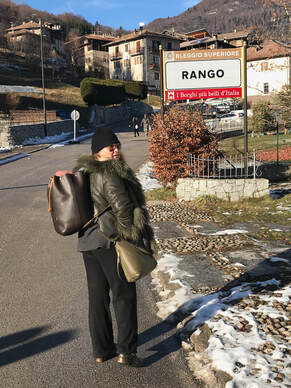
 Every once in a while, one may want to escape Christmas commercialism and seek out a low key rustic traditional Italian Christmas village. Rango is listed as one of Italy’s most beautiful villages. This quaint historic town is one of Trentino’s oldest towns and is known for its Christmas market. Local Italian men caroling a capella. One of the most beautiful, meaningful, and enjoyable Christmas ever!!!
0 Comments
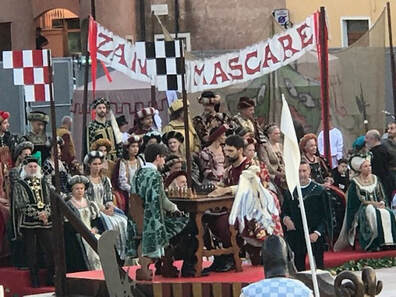 Every two years in September, a medieval town in northern Italy, Marostica holds a human chess game located at the piazza Partita a Scacchi. Donned in period costumes, the living pawns participate, and the town square becomes a large active chess board. A historical reenactment of 1454, the story of Lionora and her two suitors. Daughter of a Lord Nobleman, the beautiful Lionora is pursued by two knights. During the barbican custom of duels; a deadly challenge to settle scores, Lionora’s civilized father suggested the two suitors play a game of chess and the winner will marry his daughter. Down the road from Marostica is another historical gem nestled between Verona and Venice off Autostrada A10 is the town of Breganze. During WWII, the Germans were on one side of the river, the Allies were on the other side and a firefight occurred, no doubt that the river had turned red. Breganze, The city of Vino, is one of Veneto’s wine regions and this area is known for its outstanding viticulture; notice the snowcapped Dolomites in the background. I prefer to visit the boutique wineries such as FIVI, The Italian Federation of Independent Winegrowers. During the Autumn harvest, the white variety Vespaiolo is often dried to produce Passito style dessert wines. The wine grapes ripen to high sugar levels then the grapes hang from the ceiling in a drying room to make the golden hue sweet wine. When we helped with harvest, the farmers used old school nature methods to measure their desired brix levels. Instead of using modern technology, the farmers knew it was harvesting time when the grapes attract the vespa (wasp). 
The Autumn season is all about harvesting your past Spring planting. During harvest, who has time for playing a long game of chess with a glass of wine, here's to you in hopes of a short game by winning with a Fool’s Mate. 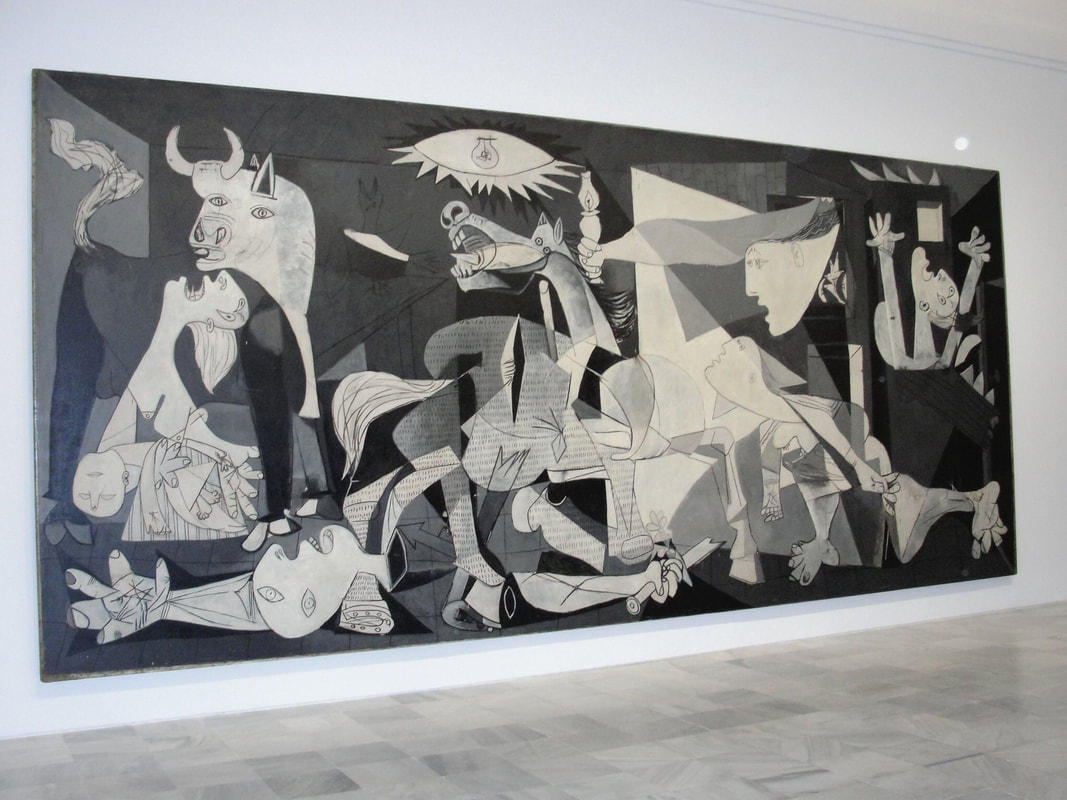 Today, while organizing my office, I found the Guernica poster and now I shall hang it on the wall. Over the years, we had vacationed in Spain a few times and I was fortunate to have seen this painting twice in the Museo Nacional Centro de Arte Reina Sofia, Madrid. Living in Paris, Pablo Picasso was well into his Cubism Period and experimenting with Surrealism when he learned that the Nazi war planes had bombed out the Spanish Basque town of Guernica.
France’s government was already strangling from the Nazis’ Vichy government grip. The frightful culture of constant terror and the surveillance of telling on others was an unsafe environment. In addition, bloody fights broke out in the streets between the far-right and far-left political extremists. Picasso lived in an attic studio that was once the home of a member of the Resistance Movement. During this time, censorship was at its highest; therefore, Picasso painted the horrors of war on canvas. The artist released his emotions on canvas, a precursor to Art Therapy. During the Nazi occupation, Picasso was also under threat because creativity was not encouraged, it fell under the umbrella of censorship, so Picasso was silenced. His exhibitions were cancelled, also, his works of art and writings were prohibited and banned. It is rumored, in the art circles, that when the Nazis raided Picasso’s studio, they noticed the big canvas painting and asked the artist if he painted the Guernica, “Did you do that?” asked the inquisitive German soldiers. Picasso quipped, “No, you did.” The canvas dimensions are quite large and made its first appearance at the 1937 Paris World’s Fair. The Fair’s theme was Modern Technology as Popular Entertainment. Picasso showcased Guernica in the Spanish Pavilion. This location was the focal meeting place for political people who had no use for deniers of the realities of war. Picasso had no patience for those social climbers who were still were stuck in the out-of-step climate of seeking artistic approval and societal affirmation in the art scene. During this time, Picasso was quoted, “Painting is not done to decorate apartments. It is an instrument of war against brutality and darkness.” Today, Guernica is admired as one of his most famous paintings. “Perhaps best appreciated for placing the activist role of art very firmly in the public eye”. Source- Picasso: Guernica, Reina Sofia, Scalapublishers.com 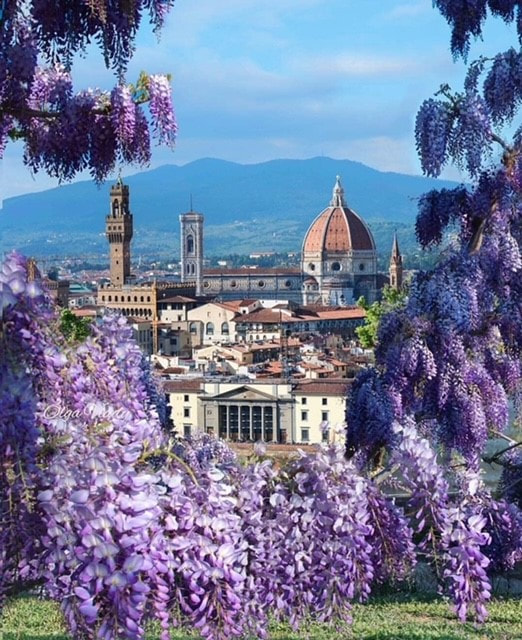 Spring in Florence is a beautiful time to visit. The wisteria is in full bloom, vineyards are waking up from their winter dormancy, the festivals & markets come to life, and food & wine is welcome via al fresco. One grand memory of Primavera a Firenze was to again visit my favorite masterpiece painting titled, “Primavera” by my favorite Renaissance painter Sandro Botticelli. 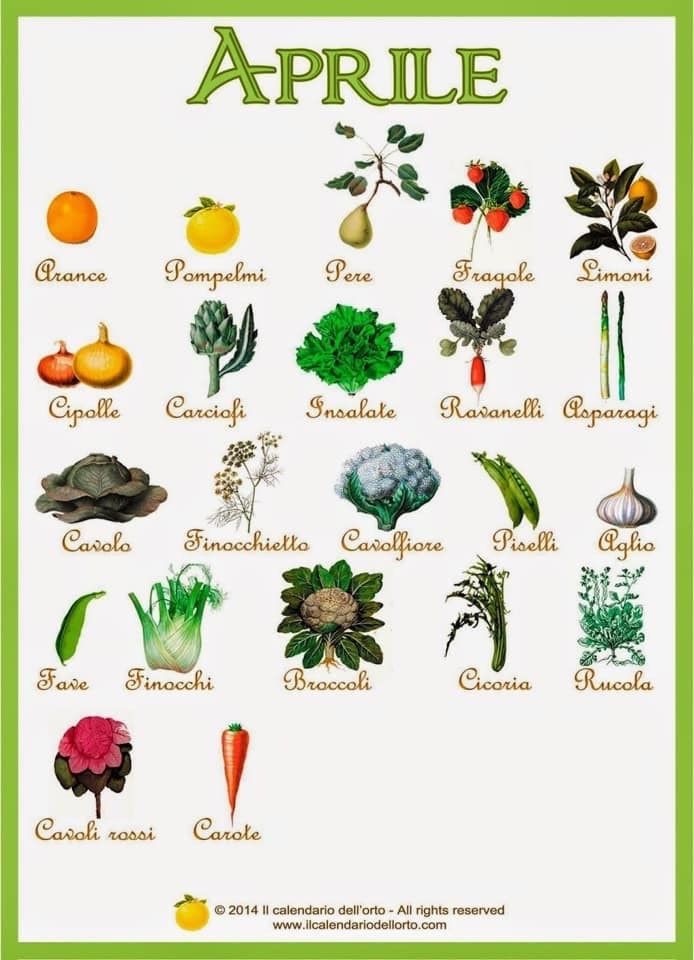 White asparagus, asparagi bianchi, is my favorite seasonal vegetable. Foods and cheeses are garnished with fresh edible flowers. Pasta cuisine has a lighter flare. Vineyards awake from their slumber, buds are breaking, and mustard grass draws a symmetrical visual to the bare vineyards. A classical Vini d’ Toscana wine tasting with a classical view. Temporary art exhibits are showcased in churches, villas, castles, and other historical buildings. 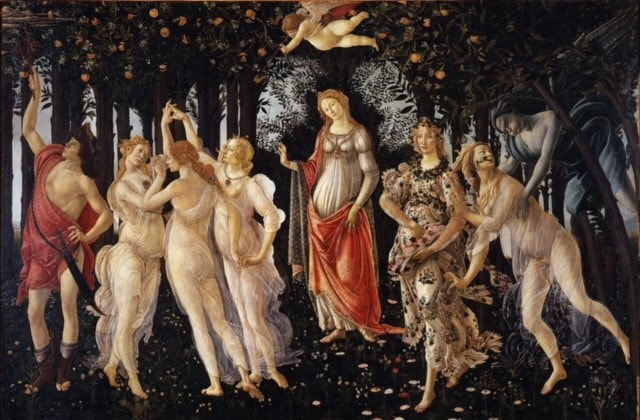 When I studied Art History, I was captivated by the Italian Renaissance. I studied the Italian language, attended many operas with and without subtitles, partook in Italian cooking classes, and immersed myself in learning Italian wine the proper way. I fell in love with Sandro Botticelli's works and Primavera is my all time favorite painting. The Medici banking families were patron of the arts and Botticelli was commissioned for virtually all of their arts. This painting was created for the marriage of a Medici family member. Many of Botticelli’s paintings have the same woman’s face, his Florentina muse, Simonetta. In this painting, Simonetta is depicted as "Flora", the Spring Goddess. In an era of male models, most Renaissance painters missed the characteristic feminine lines that are seen in the elegant, slender, and fine features. "The Three Graces", the three angelic women, represent the feminine virtues of Chastity, Beauty, and Love. Renaissance means a rebirth emerged from the era of Dark Ages. We see history repeat itself time and time again; for example, book censorship. Today, there is a cultural movement to censor, ban and unpublish books based on political affiliation. Back then, during the 15th c. there was a political and cultural purging of certain books and artworks. That historical period was Savonarola’s infamous “Bonfire of the Vanities” and sadly, Sandro Botticelli fell victim to conforming with the priest’s misfit ideologies. Conforming to social pressures, Alessandro di Mariano di Vanni Filipepi, known as Sandro Botticelli, nickname "little barrel", felt compelled to burn many of his mythological paintings.
Many years from now, I wonder how history will portray today. 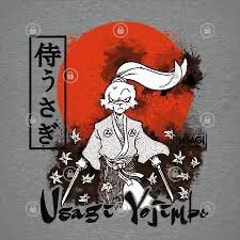 2023 "Usagi" - The Rabbit While living in Japan, for a short time, we experienced New Year tradition, culture, and religion. In Japanese culture, the locals get their New Year Fortune from a small piece of paper. Their traditional custom of Omikuji are fortunes written on strips of paper and predicts the person’s chances of their hopes coming true. When their prediction is bad, it is a custom to fold up the strip of paper and attach it to either a pine tree, a Buddhist Temple, or a Shinto Shrine. A reason for this custom is a pun on the noun word for ‘pine tree’ matsu 松の木 and the verb ‘to wait’ matsu 待つ. The idea being that the bad luck will wait by the tree rather than attach itself to the bearer.    I researched a bit of information on the Samurai from many Prefectures and learned that this piece of Japanese history has an impressive past that embodies a strong protective masculine vibe. The importance of a male presence is embodied in Japanese traditions, culture, and religion. The museums are great primary resources to delve deeper into their ancient history. I have equally enjoyed both the bigger Tokyo National Museum and the smaller village museums. By 11th century, top hierarchy Samurai established tribal villages. The warrior would be the patriarch protector of the village. Their first use of horses in warfare occurred over 5,000 years ago. By the Kofun Period, chariots were commonly used and today, architectural findings of burial mounds and funerary objects of leaders with their haniwa horses have been found. Samurai warfare and the use of horses had evolved over the centuries. The warriors required well-trained warhorses. The horses were also weapons used by the Samurai in battle. The warhorses had to overcome battle noise and sudden movements, the smell of blood, and were trained to bite and kill. Different types, weight and sizes of horses varied greatly depending on the form of warfare and work performed. Such usage included time, wear, and tear; how they were ridden, driven, reconnaissance, cavalry charges, raiding, speed, communications, carry, pull, balance, or supply. War banners and battle flags, Hata-jirushi, were critical symbols representing the Samurai bloodline, lineage and family’s territory, domain, and hierocracy. The era of Fiefdom/Shogunal 1600-1840’s showed that the Samurai nation states commonly demonstrated warfare to establish their territorial wealth, hierocracy, power, prominence, and status. 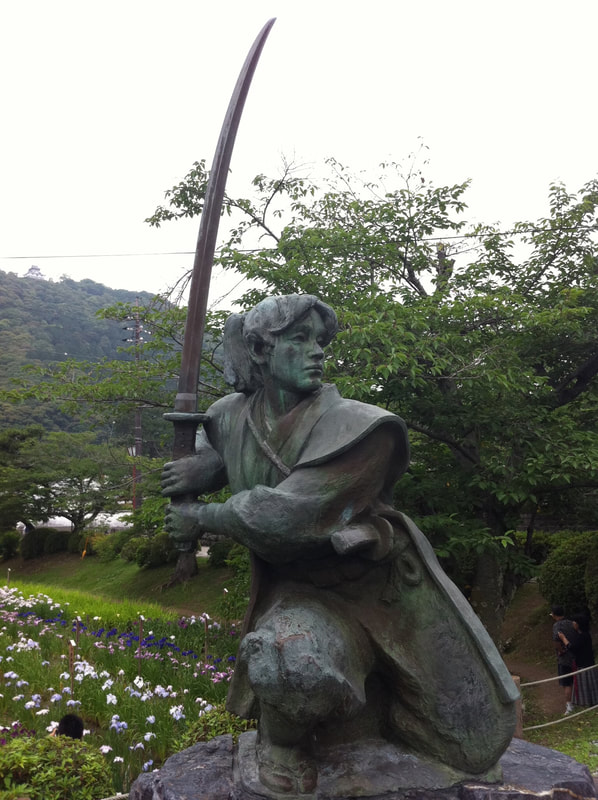  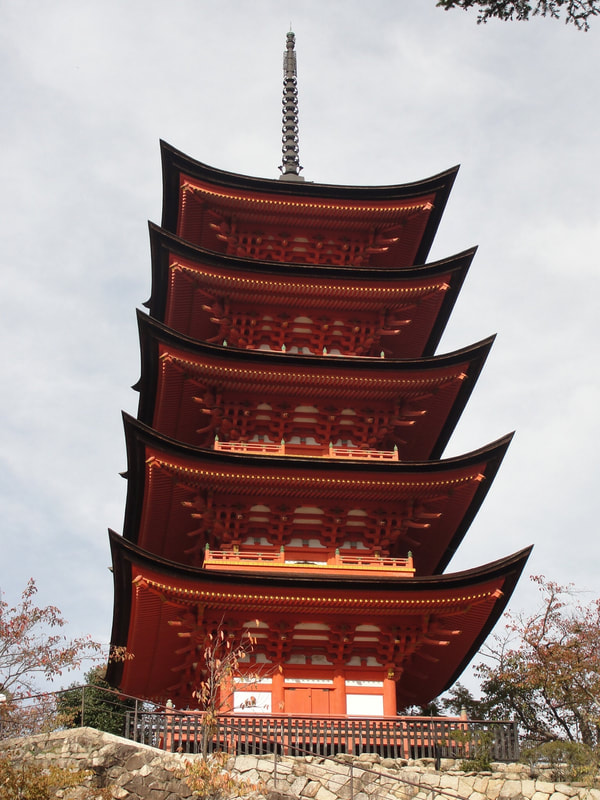 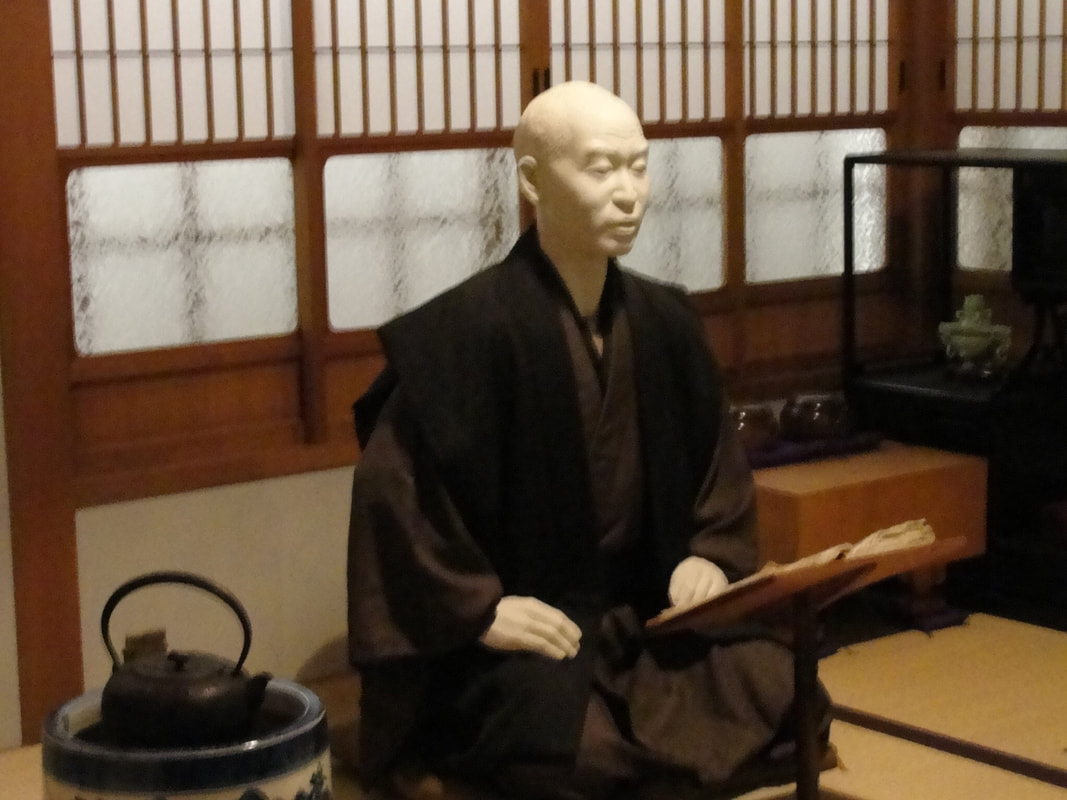 The village males were preened at a very young age to become an honorable Samurai warrior of prestige blood lineage. Samurai practiced a strict code of conduct to teach the brain, body, and soul. Academic training included music, body alignment, writing the Classics, and composing literature expressions in Haiku. These social skills and educational acumens were typical of the upper echelon Japanese society. The Samurai for all their pride and honor of their military skills, were equally proud of their literary accomplishments. High ranking Samurai displayed status through their helmets and swords. Each Samurai’s individual helmet was customized to represent their distinguished tribal rank, family ancestors, allegiance to Court, etc. The symbols that were engraved on their helmets and swords determined how the Samurai wished to lead his life in a similar way. One of the ways high ranking Samurai displayed their status was through their sword collection. Within the Samurai village, talented swordsmith, goldsmith, silversmith, blacksmith, and engravers would have continuous paid work. Of all the Samurai Armor, the warriors’ helmets displayed individual distinguished tribal village rank. Symbols engraved in the Samurai helmet determined how they were to lead their lives drawing parallel to the symbol.  For instance, the various interpretations of a Butterfly: A symbol such as a butterfly is a symbol of boy into man. Experiences from the spectacular stages of morphemes, butterflies spend many years in the ground as larvae, then morph into images and complete the remaining short time flying around in beauty. The butterfly’s life draws parallel to the Samurai’s expectation of a short life span. The Tiger represents strength, and a Clam/Crab symbol represents defensive, alert and courage.  The Rabbit (Usagi) represents moving forward and do not step back. A symbol of advancement By 1870, Edo was emerging into reformation. The internal environment of strife between the traditional Shogunal culture and the progressive Imperial Court culture was ripe for American Commander Matthew Perry’s 1853 expedition into the Japanese harbor. The West’s influence had infiltrated the city of Tokyo, the traditional Japanese culture, and The Imperial Court powers in economic trade. During this time frame, most of the elite Samurai families realized the traditional Shogunal government ideologies were obsolete and no longer economically, politically, or culturally beneficial. Those families pledged their allegiance with The Imperial Court and its Western influence. Most Samurai families invested in their younger generations’ future by sending them abroad for a Western European and American education. By this time, it was perfectly legal and respectable for rich families to pay for a substitute male to go to war instead of their sons. Also, during this time frame it was becoming obvious that the different ideologies between the two governments could no longer compromise on governing and leading the country because of western vs traditional influences. All countries involved with Japanese, European and American trade were making money. This created a newfound Japanese wealth and financially upward mobile classes of merchants, resulting in an emerging middle class. It introduced an unprecedented economic stratum within the merchant and artisan classes of commoners. Within the traditional Samurai social class structure: the merchant class had the lowest strata of the community. However, due to Tokyo’s natural resources such as deep-water ports, the export industry, the contemporary city infrastructure, and the courtship between the Western dignitaries and The Court, international trade was inevitable and gave rise to the merchant class. The continuous internal government strife between the traditional Samurai officials and the progressive Samurai officials stemmed from their two different ideologies towards Japan. The traditional Samurai power refused to align with the progressive Samurai and The Court’s economic future had culminated to The Imperial Court’s military alliance with America. After the American Civil War, veterans were for hire by The Court to build an Imperial Court Japanese Military Unit, American style. By 1889, the Meiji Reformation put an end to the traditional Shogunal government system. Many of the top echelon progressive Samurai transformed Japan from feudal to the Meiji Reformation, revamped the monetary system, built a modern industrialized infrastructure, and formed international political alliances. The savvy Daimyos and Samurai with ties to The Imperial Court became the Reformation’s political, business, education, and economic leaders. A new era rushed in, The Japanese Oligarchs. Usagi, The Rabbit, is the 2023 Japanese New Year symbol. A Rabbit symbolizes moving forward and not looking back. The Rabbit is to have pure the negative residue from the past year to move forward and purify the next space to welcome positive spirits for the New Year.
Cites Sourced: https://www.touken.or.jp/english/ https://www.samuraimuseum.jp/en/ https://en.wikipedia.org/wiki/O-mikuji 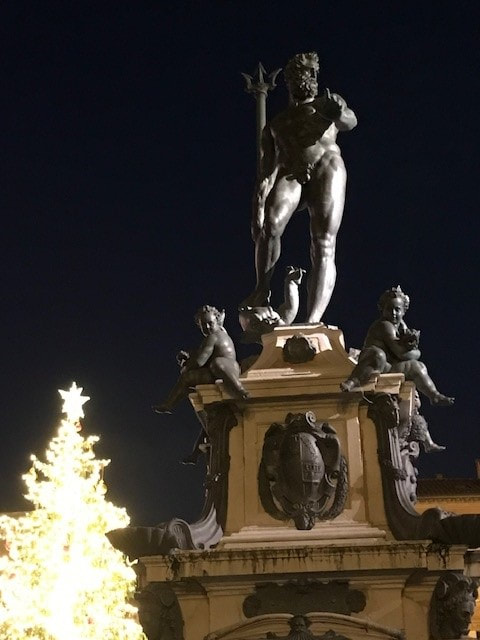 Bologna, Italy has a long rich history and the gastronomical delights are not bad either. Today, the ancient castle, Due Torri Two Towers, is lively with restaurants, galleries, museums, shops, and Christmas markets welcoming a festive ambience. I loved watching, observing, and learning how the Bolognesi enjoy their flavors of Christmas. 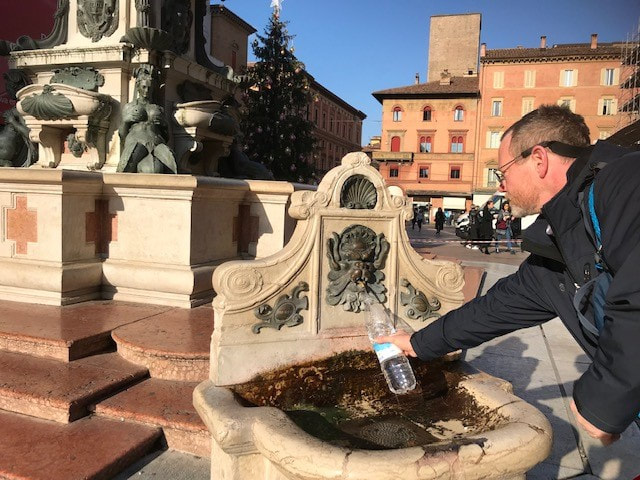 The Fountain of Neptune, built around 1555, was given to Bologna, a Papal State, a public drinking fountain to solidify their political Papal Legate. Bologna porticoes during Christmas are a site to see. Pedestrians, merchants, locals, and visitors’ have enjoyed these urban architectural covered pathways for centuries. Porticoes became an integral part of Bologna since the 11th c. and are made from stone and brick since wood was banned around 16th c due to fire risks. Such cultural architectural importance, they were declared UNESCO. The ornate porticos are highly decorated frescos and plaques commemorating their history. Shops & specialty stores, cafes, bars, pizzerias, trattorias, restaurants, osterias are cuddled into the porticoes, loggias, colonnades, and arcades. A Christmas tradition is Pandori & Panttone, the Italian way, a sweet and fluffy cake. The homemade treat is wrapped in beautifully creative packages also store bought. Bolognese enjoy their festive foods with sparkling wines from D.O.C.G Colli Bolognesi Pignoletto. Crafted smaller producers of Lambrusco, history dates Etruscan civilization, offer sparkling wine:
The red wines from the Colli di Romagna, the hills of Emilia Romagna. Experience a local professional guide’s comparative & comparision learning while tasting with three wines from the wineries’ portfolio:
Local wine and food rules and culture have remained unchanged for centuries. For example, take the classification system within parmigiano cheese:
Cured meat charcuterie boards made from the rolling hills of Emilia Romagna is a foodie delight. Again, classification differences between parma ham and Prosciutto di Parma DOP are interesting to learn. An example of ham classification culture is Culatello; a small salami made from the section in the thigh muscle from rear to inner leg, hence, called a little ass Salami di Culatello. The top tier Culatello di Zibello PDO is cured in dark cellars for months and its climate control is the labor, knowledge and skill of when and where to open the small windows and regulate humidity for particular results in its mold casing; this is a complex meat. Mortadella Bologna IGP and on it goes. A delicious wine & food destination. Making pasta is a matter of patience, time and talent. It is a form of art that depends on the size of eggs, type of eggs, temperature of the room, and other important factors that go into making remarkable pasta. One traditional Pasta Emiliana dish of Parmesan cuisine that dates from Middle Ages is Parma Green Tortelli The local Bolognese Ragu pasta includes peas and rabbit meat that pairs nicely with local red wines from the classifications. Blended grapes from Colli Bolognesi D.O.C. or singular Sangiovese grape from Sangiovese di Romagna D.O.C and Sangiovese di Romagna Albana D.O.C.G. One local grape made in a sparkling wine style, Pignoletto, is also produced in still white wines. In this region, many white wines are blended with Trebbiano. Alma Mater Studiorum - Università di Bologna 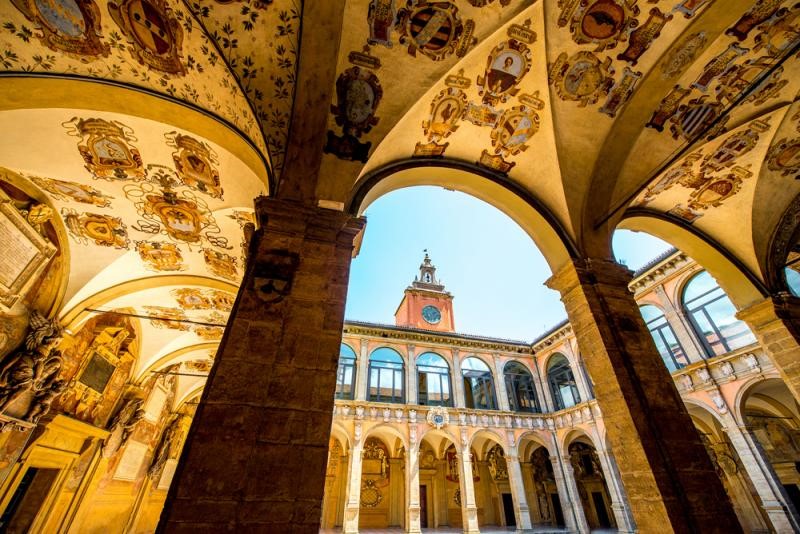 Università di Bologna is Mother Feminine, their alma mater studiorum is “Nourishing Mother of Studies” and is the oldest university in Europe. Founded in 1088, it was here that the word ‘universitas’ was first coined. I can safely presume that low information students need not apply. 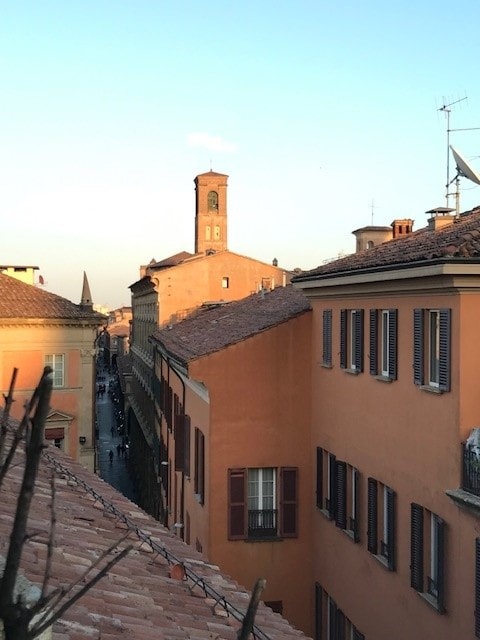 Our hotel room window view of the Università. When someone speaks an off remark that does not go with the cultural norms, an old English saying to dismiss the silly notion is, “Go away, you are full of baloney.” It is a scoff that translates, ‘Don’t be silly dear, we have standards.’ University towns are filled with individual thoughts and forward thinkers. An example of individual thought is seen in a sculptor who was ripe of courage. Niccolò dell' Arca depicted raw emotion in his biblical scenes and was heavily criticized for not conforming with societal norms. 600 Years Old Statues In Bologna, an early Renaissance sculptor, Niccolò dell' Arca-Ragusa 1435-1494, went against the conventional and traditional cultural expectations and followed his freedom of artistic expression. The biblical artist challenged the accepted Roman Catholic Church establishment. Biblical scenes expressed in individual artist freedom was not the style du jour when contemporaries were creating modest biblical scenes and stories from the priests’ interpretations of the biblical word. Because of Niccolò dell' Arca’s degree of outward emotions of the sculpture figures, the sculptor was shunned, mocked, and given scornful looks by the church authorities, critics, and his contemporaries. Raw human emotions and reactions to the biblical word was considered savagely unhinged and not on par with their standards. Lamentation Over Dead Christ, il Compianto Sul Cristo 1463, inside the sanctuary Santa Maria della Vita. The Lamentation of Christ was a common scene in artform since the Middle Ages and had been depicted by artists being peaceful and composed with Priests’ high ground of truths. Niccolò dell' Arca was the first artist to depict this bible story a bit differently. The life-sized seven terracotta figures are displaying dramatic emotions, their grief and torment is seen in their authentic body language. Madonna is clenching her hands and she is in complete agony for her son. Mary Magdalene’s clothes are swelled by the wind as she quickly rushes to his side hysterically screaming in disbelief. The figure with his left hand under face reads disdain as he looks at viewer; this character was a contemporary artist Giuseppe d’Arimatea. Today, true traits of courage echoes to defend your self-value. If you live your life within the arbitrarily defined parameters by the vacillating moods from the consensus, you will hinder your self-being. If you assimilate to satisfy the current society’s orchestrated narrative, you will hinder your admirable contributions to life. Deprived, you will reside in a narrow band of freedom to express your perceptions and beliefs. No doubt, the applications of devaluing oneself to another's subjective appropriate standard of representation is passé and displays unattractive behavior.  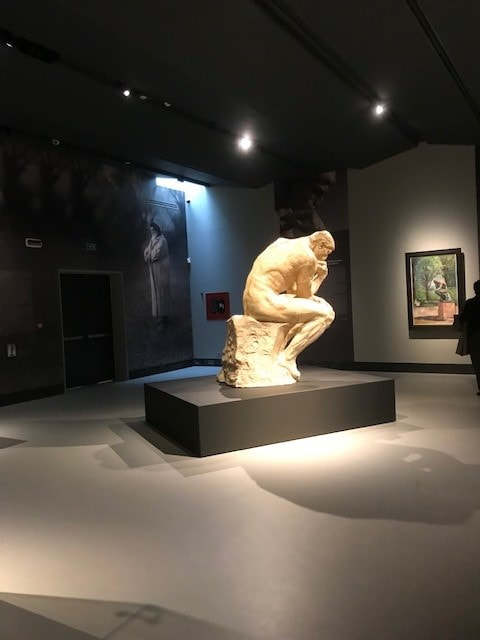 From time to time I would peruse the auction houses’ wine departments for fun. I have always wondered who those wealthy wine enjoyers are, spending thousands of dollars on a bottle of fine wine. My curiosity led me to explore the other side of the coin; whose wine cellars are up for sale whether by piecemeal (individual wines) or whole collections. When Sotheby’s advertise they are looking for a Wine Operations Manager, I think in my fantasyland head, “Wow, can you imagine being invited to their candidate interview process….a dinner party including who’s who in the fine wine market?!” Ditto is my inquisitive mind that wants to know who is buying and selling fine art. Apparently, there is an international shift in wealth and lately, the NYC auction houses are in full flurry of exciting transactions. For example, Christies has a goodie up for sale, one of Rodin’s “The Thinker” cast, including the grand Parisian salon townhouse Quai d’ Orsay. Neither this masterpiece nor the house come up for sale often and if they did, it was certainly a private transaction. Centuries ago during its prime, the Parisian salon townhouses were the epicenter of intellectual thought. Ummm, it seems to me that the international elitists lap of luxury may be seeing the beginning of the end to their opulent days of yore. Just as well, because our exchange of intellectual thoughts, ideas, curiosities and witty political banter have also come to an end. I felt fortunate to had visited an Auguste Rodin exhibition in Treviso, Italy. This exhibit was housed in a Venetian Villa, which was also a work of art. Treviso is one of my favorite cities to explore and the countryside has unique characteristics that is only offered in this region. Treviso’s wine and food scene is all about the Slow Food Movement (farm to table) and Vignaioli Indipendenti (slow wine, independent small winemakers). This translates to low environmental impact cultivation methods. Italians eat very little fast food, processed food, or mass produced wine. One of my favorite spots in Treviso, a fantastic find for pranzo is Ristorante Odeon alla Colonna. The battle outside ragin'
Will soon shake your windows And rattle your walls For the times they are a-changin' - Bob Dylan
One of my favorite genres to read and learn is the history of Women Allied Patriots during WW2. The Women of the Resistance came from many countries, diverse backgrounds, and economic status played key roles in the fight against nazi fascism in their countries. These courageous women fought bravely to help liberate and regain their homelands from tyrannical dictators and occupying German forces. Their stories carry on and as the adage goes, “Those who do not know their history are doomed to repeat it.” Le Donne della Resistenza revealed the enormity of their courage to take on II Duce, the fascist dictator, Mussolini. La Résistance des Femmes revealed the enormity of their courage to take on the brutal État français Vichy government. In France, women represented around 18% of the French Resistance fighters. 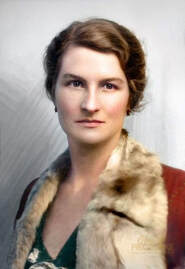 From America, the WW2 most dangerous allied spy against Germany was an American woman from Baltimore, Maryland with a wooden leg. This heroine's story is not my own research but a post from a Facebook group member and I want to share with you. "Virginia Hall, a.k.a. the ‘Limping Lady,’ organized sabotage and rescue operations across Vichy France, paving the way for the Allied invasion. She was America’s Greatest Female Spy. During World War II, Nazi officials were constantly hunting down resistance fighters and the allied spies who aided them. But there was one foreign operative the Third Reich held special contempt for—a woman responsible for more jailbreaks, sabotage missions and leaks of Nazi troop movements than any spy in France. Her name was Virginia Hall, but the Nazis knew her only as “the limping lady.” Virginia Hall did walk with a pronounced limp, the result of a freak hunting accident that required the amputation of her left leg below the knee. In its place was an ungainly seven-pound wooden prosthetic that she lovingly nicknamed Cuthbert. Hall was raised in Baltimore, Maryland by a wealthy and worldly family that put no limits on their daughter’s potential. Athletic, sharp and funny, she was voted “the most original in our class” in her high school yearbook. She began her college studies at Barnard and Radcliffe, but finished them in Paris and Vienna, becoming fluent in French, German and Italian, with a little Russian on the side. After graduation, Hall applied to the U.S. Foreign Service, eager to see the world and serve her country, but was shocked to get a rejection letter reading, in effect, “No women, not going to happen” Hall went back to Paris as a civilian in 1940 on the eve of the German invasion. She drove ambulances for the French army and fled to England when France capitulated to the Nazis. At a cocktail party in London, Hall was “railing against Hitler,” says Pearson, when a stranger handed her a business card and said, “If you’re really interested in stopping Hitler, come and see me.” The woman was none other than Vera Atkins, a British spymaster believed to be Ian Fleming’s inspiration for Miss Moneypenny in the James Bond series. Atkins, who recruited agents for Winston Churchill’s newly created Special Operations Executive (SOE), was impressed with Hall’s firsthand knowledge of French countryside, her multi-language fluency and her unflappable moxie. In 1941, Hall became the SOE’s first female resident agent in France, complete with a fake name and forged papers as an American reporter with the New York Post. She quickly proved exceptionally skilled at not only radioing back information on German troop movements and military posts, but also at recruiting a network of loyal resistance spies in central France. What 1940s spy craft lacked in technological sophistication, it made up in creativity. The BBC would insert coded messages into its nightly news radio broadcasts. Hall would file “news” stories with her editor in New York embedded with coded missives for her SOE bosses in London. “In Lyon, Hall would put a potted geranium in her window when there was a pickup to be made,” says Pearson, who spoke to some of Hall’s aging compatriots in France. “And the pickup would be a message behind a loose brick in a particular wall, or it might be go to a certain cafe, and if there’s a message, the bartender would give you a glass with something stuck to the bottom of it.” Hall became so notorious to Nazi leaders that the Gestapo dubbed her “the most dangerous of all Allied spies.” When Barbie and the Gestapo distributed wanted posters for the “limping lady,” Hall fled the country the only way she could, a grueling 50-mile trek over the Pyrenees mountains southward into Spain. Her Spanish guides first refused to take a woman, let alone an amputee, but she would not be deterred. The November weather was bitter cold and her prosthetic was agonizing. At a safe house in the mountains, Hall radioed her superiors in London to report that she was OK, but that Cuthbert was giving her trouble. The deadly serious reply from SOE headquarters, which mistook Cuthbert for an informant, read, “If Cuthbert is giving you difficulty, have him eliminated.” But Hall wasn’t done fighting Nazis. Since the British OES refused to send her back into France as a marked woman, Hall signed up with the U.S. Office of Strategic Service (OSS), a precursor to the CIA. In 1944, months before the D-Day invasion at Normandy, Hall rode a British torpedo ship to France, and disguised as a 60-year-old peasant woman, criss-crossed the French countryside organizing sabotage missions against the German army. In one OSS report, Hall’s team was credited with derailing freight trains, blowing up four bridges, killing 150 Nazis and capturing 500 more. After the war, Hall was awarded the Distinguished Service Cross, one of the highest U.S. military honors for bravery in combat. She was the only woman to receive the award during World War II. Back home, she continued to work for the CIA until her mandatory retirement at age 60. Hall passed away in 1982". To delve deeper into her true story check out the independent film "A Call To Spy" In the death and destructive war-torn chaos, scarcity of goods and services will indeed follow. Other personal stories I have read was about a woman searching and begging for a chicken egg to feed her starving children during horrific war time. Those unbearable hard times of our history put things into perspective for me. Today, I greatly appreciate the availability of Spring flowers, scrambled eggs with asparagus paired with a nice white wine, pea soup, trendy desserts, freedom of speech and the right to practice any religion.
The past informs the future......Your ability to envision the future is strongly influenced by your memory from the past. "War, what is it good for? Absolutely nothing." 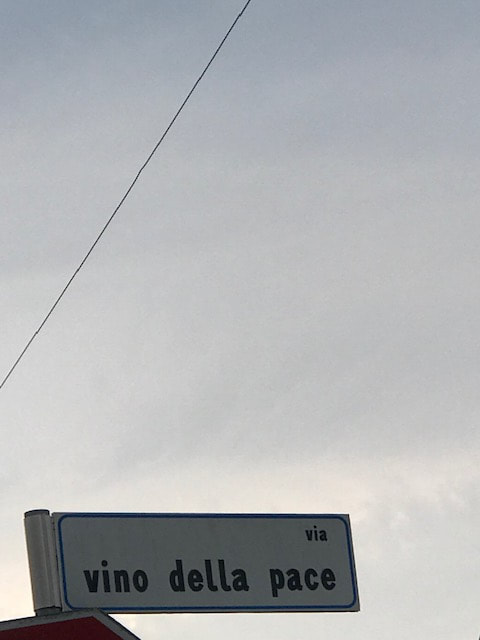 Reflecting on this time last year, today I am more at peace. Perfect timing to come across this wine from our past travel around Friuli-Venezia Giulia, Italy. In the town of Cormons, you can find this bottle of wine named ‘il vino della pace’. The Wine of Peace is a collaboration of many things all packaged in a bottle of red wine and the bottle labels are created by world renowned artists. 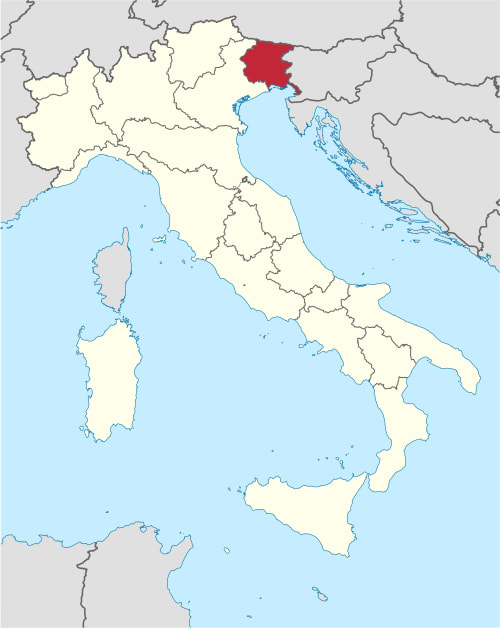 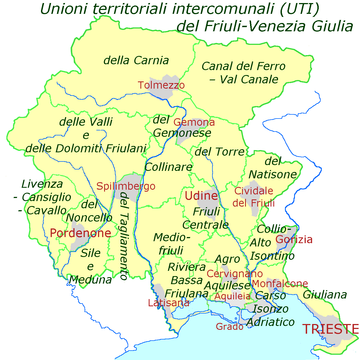 Nestled into Italy’s north east corner is a hidden gem. The Friuli-Venezia Giulia (FVG) region borders on the Teutonic countries such as Austria, Germany, and Slovenia. The quaint medieval towns between the Alpini Italiane and the mare Adriatico are an infusion of culture and culinary delights. FVG produces elegantly structured white wines because of their unique terroir tucked between the Julian Alps and Aegean Sea. This wine region has vineyard tracs located on very steep slopes and its climate includes dramatic diurnal temperature shifts, this means a very quick and extreme drop in temperature. In many mainstream wine regions, the sun/day temperatures usually have a gradual drop into night/moon temp and vice versa (i.e., night into day). This terroir contributes to the complexity and depth that produces world renowned wines. Among the hundreds of flavors that can be released in a white wine, if your sensory threshold detects petrol, this is sometimes an indication of an age worthy wine. The locals refer to their soil as il Ponca, ancient layers of sandstone marl. This soil composition reveals characters such as minerality and salinity to the wine's profile. Colli Orientali del Friuli is one of FVG prestigious appellations; Collio dell Vini, The Wines of the Hills. I have good memories of driving around the wine region and enjoying their local collio di rosso & collio di bianco. This area’s distinct terroir contributes to their vanguard movement, ‘The Amber Revolution’, was added onto the WSET curriculum. Bastianich winery in FVG is a favorite wine experience owned by the world famous Joe Bastianich. He wasn't there when I visited, but Wayne Young, the guy who runs the place was! What an honor to meet Wayne, the reputable wine guru is from the bonafide NYC wine scene. I love the trendy spittoons and utilitarian sculptures at the tasting room. 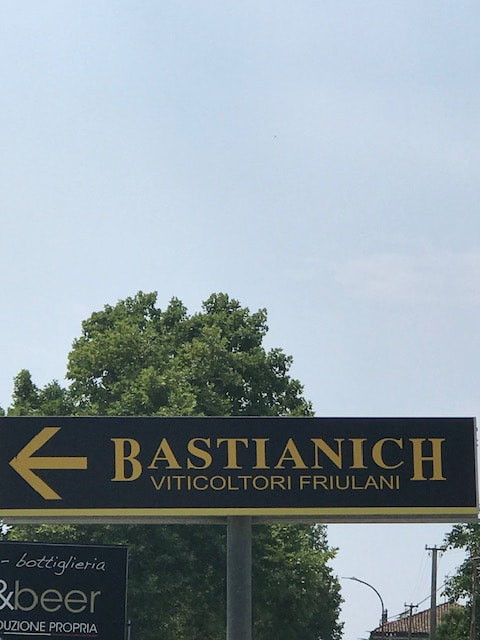 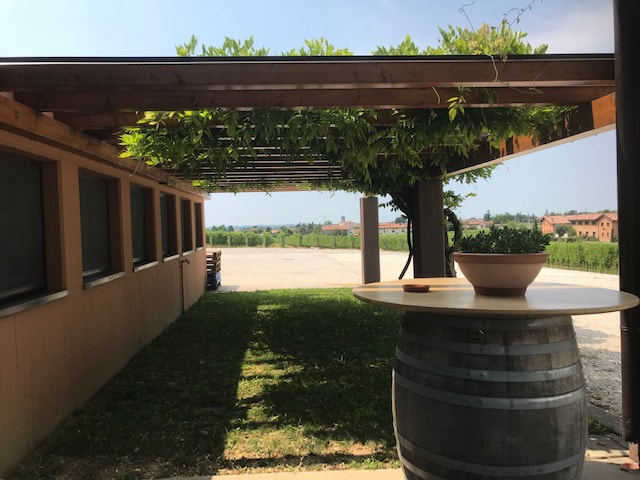 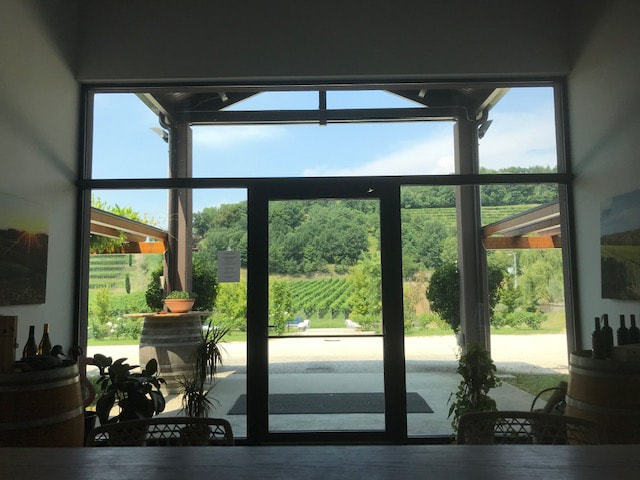 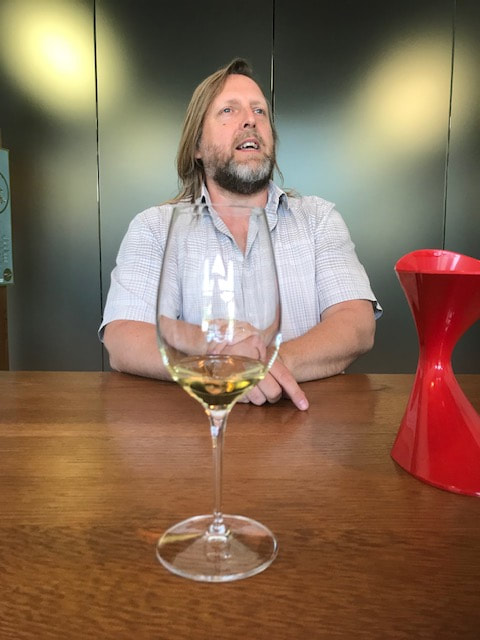 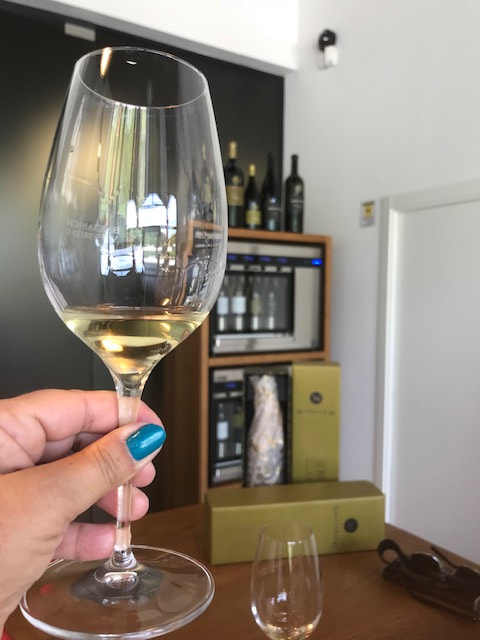 Along our Vino di Pace wine journey around the Eastern Italy & Western Slovenia border, we stopped in Gorizia for a two-hour respite. Great experiences create great memories. Cividale del Friuli is another historical town along our Vino dell Pace journey. The bountiful Natisone River and ponte del dievolo (The Devil’s Bridge) are reminders of their military dominance. Fainted remnants from yesterday’s frescoes show us this area was a busy Roman port town and wine was a most profitable commodity. Today, the public fountains still provide fresh flowing alpine water. 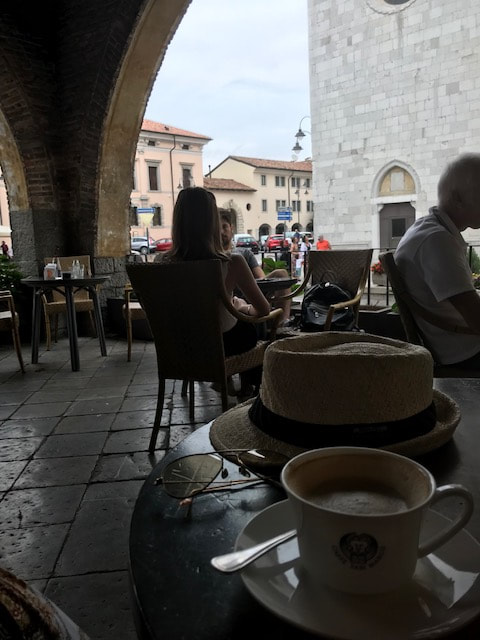 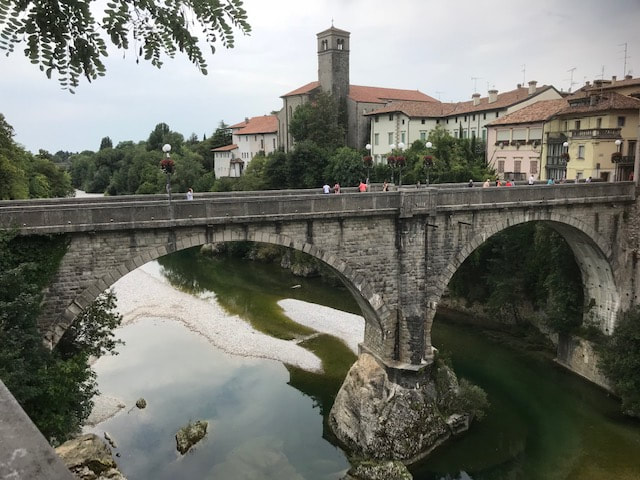 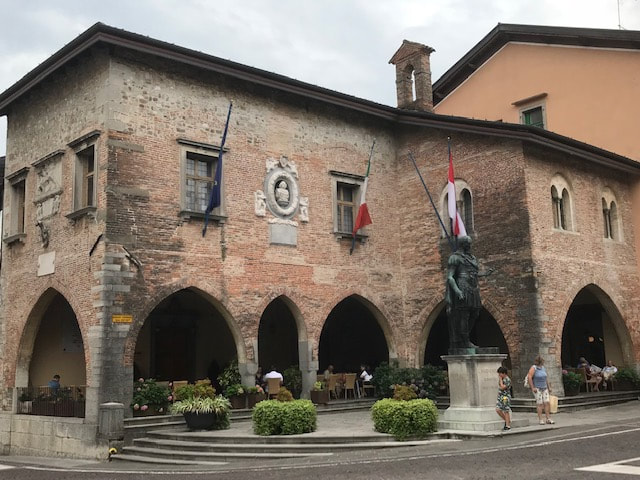 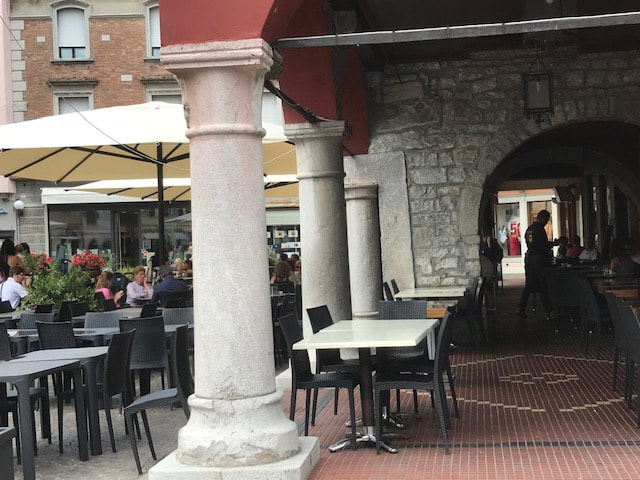 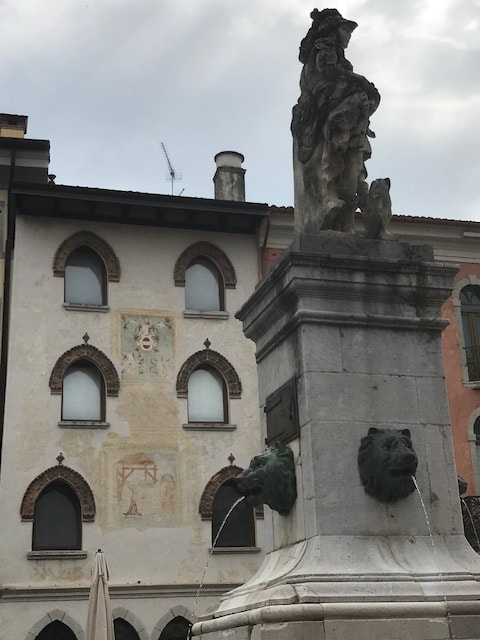
The FVG wine region memory gives me a peaceful easy feeling.
 The Autumn season in Italy is a foodie delight. Embracing the freshly harvested seasonal fruits, nuts, vegetables, olive oil, wine and other delights tantalizes the senses. The warm feeling from a bag of roasted chestnuts cupped in your pocket. The air is filled with deliciously aromas and freshly olive pressing can linger for miles. I learned and tasted the art of farm to table olive oil and many farms offer tastings. The harvest festivals’ joyful bounty cheers and laughs is pleasant to hear and this time of year, the cooler weather around the Italian countryside has vividly colorful foliage, Experiencing this lively season in Italy is a nice memory for me. The exciting sport of tartufo (truffle) hunting is one of the main Autumn food attractions. For me, the world of tartufi is complexing. Perigord and other black winter tartufi to juxtapose a white with a black tartufo is fun to taste and learn without intimidation. Tartufo dogs vary in breed and the handler & dog relationship is impressive to watch them work in tandem. The duo expertly seek out patches and carefully dig underground along the tree roots for edible fungi . Tartufi, tartufi, and more tartufi! If the sport is not your thing, an experience in shopping for tartufo butter, tartufo oil, tartufo cheese, etc..., at the local markets, festivals, and produce trucks are conspicuously parked for convenience. We experienced a guided white tartufo hunt and wine tasting in Piedmont and a guided black tartufo hunt with lunch in Veneto. The black tartufo hunt In Veneto was located up in the mountain with panoramic views, followed by lunch at Trattoria all'Angelo, prepared by Executive Chef Mauro Canaglia and Bari Jean Canaglia. The couple is wonderful and the experience delivered fun times hunting for black tartufi and a hands-on cooking class with our bounty of black gold treasure. As part of the hands-on cooking class, we actually helped the chef in the kitchen. My task was to wash the tartufi as the chef gave me info to quickly decipher the difference between a good and bad tartufi. I soon found myself sipping an Italian sparkling wine and whistling while I worked. Black Truffle Menu:
The sport of white truffle hunting and a wine tasting around Barlo countryside was a different experience, yet, equally exciting. When we were in Barolo two years ago in 2018, this area did not have a decent white truffle season because of the climate, therefore, less supply. Yes, don’t forget the heavily tourist crowds coming in to take part in the annual Alba White Truffle Convention. The overhyped white truffles can be overly expensive; in consequence, low supply and high demand may lead to a bit shadiness and counterfeit truffles may be imported. With the situation in mind, we were satisfied with hunting for the black truffles. After the hunt, it was a colorful scenic drive to the Josetta Saffirio Winery to indulge in a terrific wine tasting. After absorbing the wealth of information and fine wine, we sat back to digest the experience over a cup of coffee. Hopefully one day I can return to enjoy another Italian Autumn season. 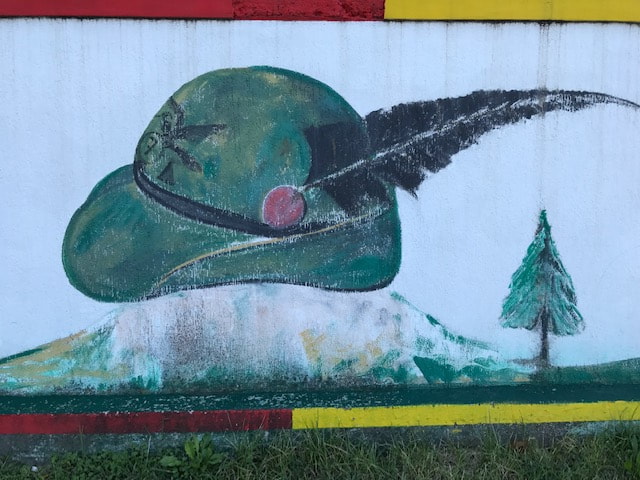 This high altitude Italian wine region has an important military geopolitical history and this area was added to Italy’s boot after WWI. The region has an early religious history too as it was the pilgrimage route from Northern Europe to Rome, the heartbeat of Christianity. 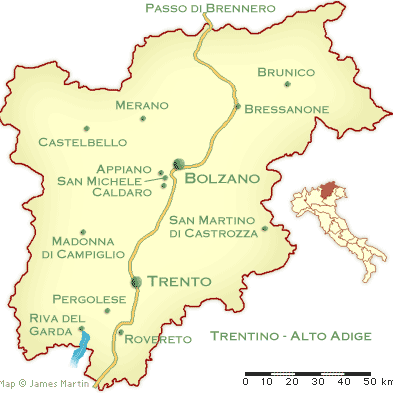 The main highway from Southern Alto Adige (Trentino) to Northern Tyrol going into the Austria borders includes scenic views of majestic mountains, quaint valley towns, perched ancient castles, and cool climate vineyards on rolling hills. The autostrada’s high bridges give the passenger a bird’s eye view of a quick slice of local vibes. We have stopped in many of these historic towns and absorbed their unique infused culture. This region of Alto Adige is also named Trentino, also named Sudtirol (German) One stop along the scenic journey is Castello di Avio located around Avio, Trentino In the area of Avio, Trentino, southern Alto Adige, is a prestigious winery. It was an honor to have met the owner; he even gave me a jar of their homemade jelly honey. Yummy!!! Tenuta San Leonardo was featured in Decanter wine magazine. This region of Italy has always been one of my favorites because I respect their lively unpredictable climate, infused teutonic culture, food & wine; Under the Austrian Sun. The Dolomites are UNESCO and Trento is known for producing world recognized Trento DOC sparkling wines. Heading north in the Alto Adige wine region goes deeper beyond the Dolomites and into the Italian Alps; Alpini. Another quaint town around Alto Adige is the medieval town of Rovereto. As a child, the musician prodigy Mozart performed in this town. Walking through town, there was a pleasantly echoed piano playing softly throughout streets of Rovereto. This area is known for their light bodied red wine from the Marzemino grape. Zona del Marzemino produces still, frizzante and grappa wines. A chilled glass of Marzemino during the Summer months while relaxing on Lago di Garda enjoying Italia la Viva is just about right. While visiting Rovereto, make sure to check out the Museo Storico Italiano della Guerra. The Museum is situated in the 15th Century Castle of Rovereto. Heading north within the Alto Adige wine region takes you into Südtirol (German) also known as South Tyrol. One year we traveled around Alto Adige traveling to Bolzano for Calici di Stelle to explore the wines coming out of this wine region. Every year on August 10th, across Italy’s cities, towns, villages and neighbourhoods, the locals commemorate their ‘Calici di Stelle’ (Goblets/Challis of the Stars). The night of the shooting stars, wine is celebrated in conjunction with their patron Saint Lan Lorenzo. Lorenzi Nacht Calici di Stelle. One of Bozen’s historical past includes Ötzi the Iceman. Remember back years ago, both Brad Pitt and Angelina Jolie had tattoos honoring the discovery of a human from the Copper Age. The next Italian northern town enters the Südtirol/ South Tyrol region. The heavily Austrian influence is the charming town of Chiusa (Italian word) / Klausen (Austrian word). Yes, that is a swing bridge Umbrella Town - umbrella sky project Foods & Wine We have eaten pizza many times from up, down and across the Italian boot, and their local practice is to eat pizza with a fork and knife continental style. When we approach these narrow roads, bridges, tunnels, etc..., frankly, I am very nervous. At times I think we may get stuck, but my optimistic hubby always replies, "No worries, we can make it through".
See there is light at the end of the tunnel. 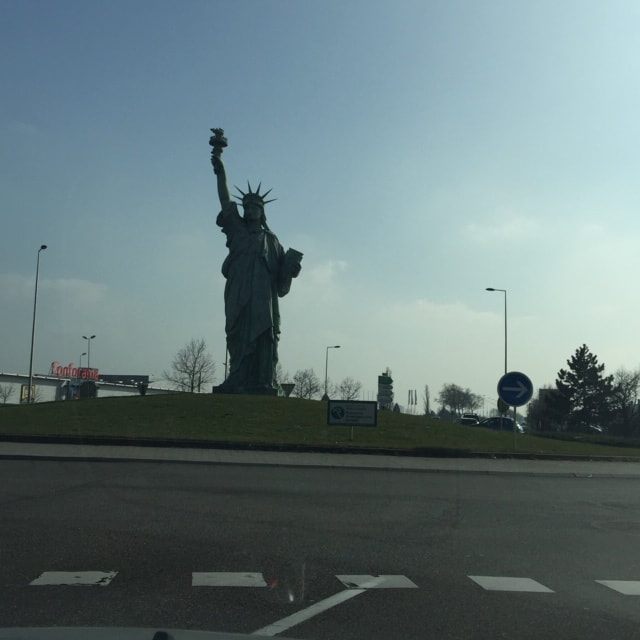 Statue of Liberty located on Ellis Island NYC? Nope, this lady of liberty is in the middle of a traffic circle in Colmar, France. Titled, “Liberty Enlightening the World” is the historical sculpture and the symbol of collaboration between America and France. Colmar is a nice stop along route des vins d'alsac The French sculptor, Frederic Auguste Bartholdi, was commissioned to represent the 1876 Centennial of the American Declaration of Independence commemoration. Bartholdi’s house, now a museum, artistically curates the man behind the international icon, the Statue of Liberty. 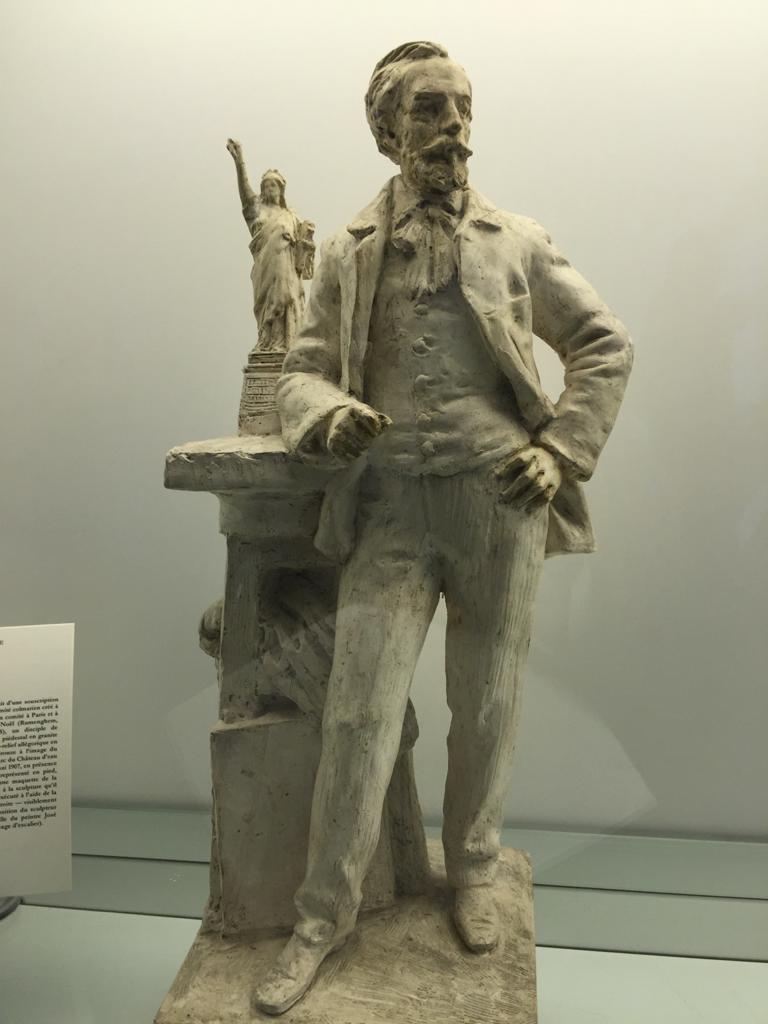 The artist designed the Statue of Liberty’s face to resemble his mother. The Alsatian wine capital, Colmar, is nestled in the borders between France, Germany and Switzerland. Colmar is also known as La Petite Venise (the Little Venice) because of the many colorful canals running through town. You will also find local retail shops accessorized with images of Liberty Enlightening the World. The local wine glass, verre a’ Alsacien. Bouteille de vin d’ Alsace The wines from Alsace have their own shaped bottles. The cool climate, Alsace wine region, is known for producing top tier Grands and Premiers Crus status wines. This region is known for their certified organic/biodynamic viniculture and they produce exciting wines. The vintners are creative and experimental such as implementing cold fermentation and whole cluster fermentation practices to their winemaking. Many bone dry Riesling enjoyers prefer Alsatian Riesling because of their brisk minerality and low alcohol levels making it a nice wine. Their Pinot Noir have cool climate character, which reflects its terroir. Pedigree and lineage run through the vines of Alsatian Riesling. For example, 12th Generation Trimbach Winery, in the cute and colorful town of Ribeauville, sells their world renown wines and their bottle of Riesling can retail for easily over $300. Also, there are Coq au Riesling, the local Riesling, and many producers of Rieslings in between the two ends of wide spectrum. Many noteworthy grapes d’ Alsace include Muscat, Sylvaner, Pinot Blanc, Gewurztraminer and too many others to name. Many of these grapes are produced still, sparkling, vin rose or/and dessert wines. Sparkling wines from this wine region is Cremant d’ Alsace, also made in the méthode champenoise except their effervescent is a bit less bubby than a full-on sparkling wine from Champagne. 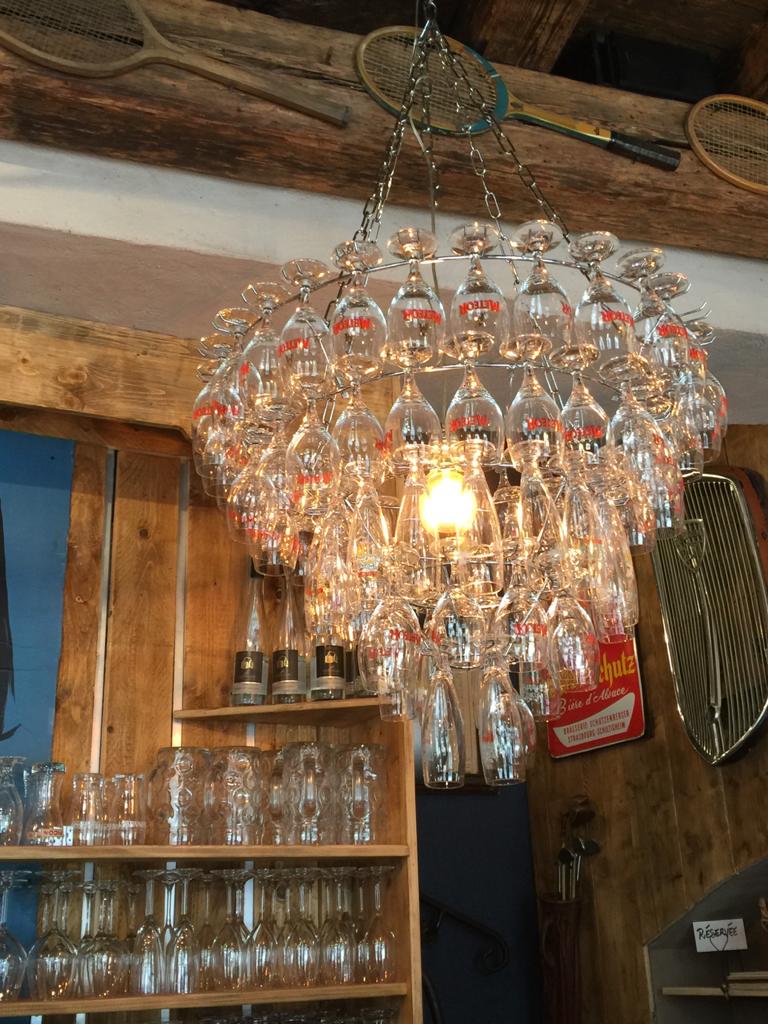 A wine glass chandelier, how clever. So many cute towns and delicious food & drink along the wine road Art Nouveau style bistros, these are a few of my favorite things. Yesterday’s merchant warehouses are today’s local indoor markets. Real men don’t eat quiche? That saying does not apply here in the city of Lorraine. One pleasure is picking up local farm to table things such as quiche lorraine, cheese and a bottle of wine. 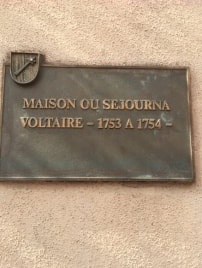 The 18th C English Enlightener’s two-year residence while working on his ‘Annales de l’Empire Local wines paired with local cheeses. Enjoying Munster cheese in Munster, France. Cheese, Cheese, Cheese, Munster is another quaint picturesque town along the Route des Vins d Alsace. Betschdorf and Soufflenheim are some towns along the Alsatian wine road known for quality pottery. Beautiful, sturdy and utilitarian for use of everyday cooking and baking. Strasbourg, another stop along the wine road and is known for their annual wine festival. SALON DES VINS DES VIGNERONS INDÉPENDANT 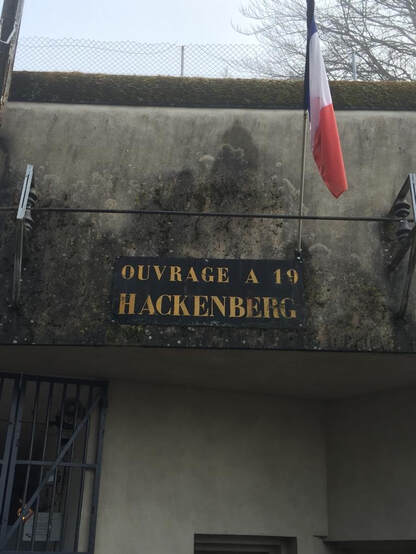 For the military history buffs, the Maginot line is a remarkable must-see!
Wherever we hang in Europe, we magically seem to end our day with a nightcap at the local Irish pubs.
Statue of Liberty Enlightening the World is a historic symbol across the Seven Seas
It is the air that I breathe. During these times, many people may never again take for granted their freedom of being outdoors and enjoying wide open spaces. Heading out on a road trip to enjoy a mythological park located North of Rome to visit an Etruscan burial site, a cultural winery, ancient towns, and a wine road to absorb the summer sun. 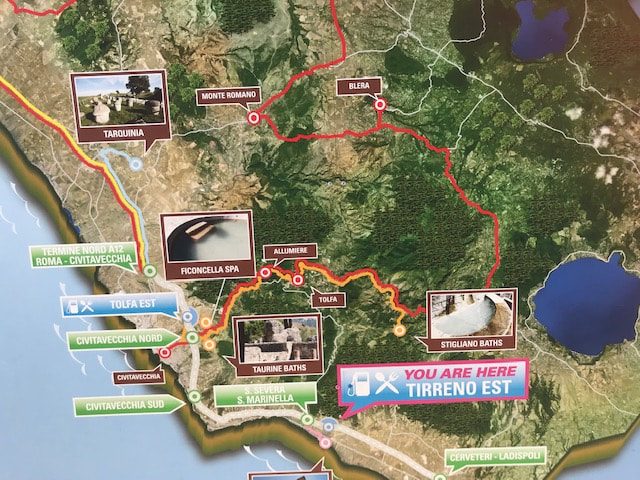 One stop along the Etruscan Wine Road is Parco dei Monstri. The Park of Monsters is an 16th c. mythological grand scale sculpture garden. Story has it that when the Prince Pier Francesco returned home from war he was physically injured and emotionally damaged. The prince was held for ramson, watched his war buddy killed, and his wife died. The heartbroken Aristocract hired architect Pirro Ligorio to express his grief and imagination. There is a table inside the monster’s mouth to have a quick & small picnic for fun. https://civitavecchia.portmobility.it/en/bomarzo-and-park-monsters-photos-and-useful-info https://www.liviahengel.com/bomarzo-monster-park/ https://www.atlasobscura.com/places/the-monsters-of-bomarzo-bomarzo-italy Under the Etruscan Sun On our way to visit the Etruscan burial site along the Strada dei Vini Etrusco – Romana, we visited Necropoli Etrusca di Cervteri along the Mediterranean Basin as it holds one of their main burial areas. Museums give visualizations of the Etruscans interior lives. If it grows together, it goes together - Orvieto Classico white wines paired with light summer foods. A farm-to-table concept, the artisan chefs pick their daily fresh herbs and offer expert pairings. Many locals escape the summer heat and enjoy the cooler cellar temperatures of the Orvieto Underground. A wine with a view. Sigmund Freud, while in Orvieto, enjoyed this view back in 1897. A few times, the father of psychoanalysis traveled through this area to analyze the Cathedral frescoes. Pozzo di san Patrizio. Hubby walked all the way to the bottom into Saint Patrick's Well and back up. The locals, gathering around the piazza, watching the World Cup finals 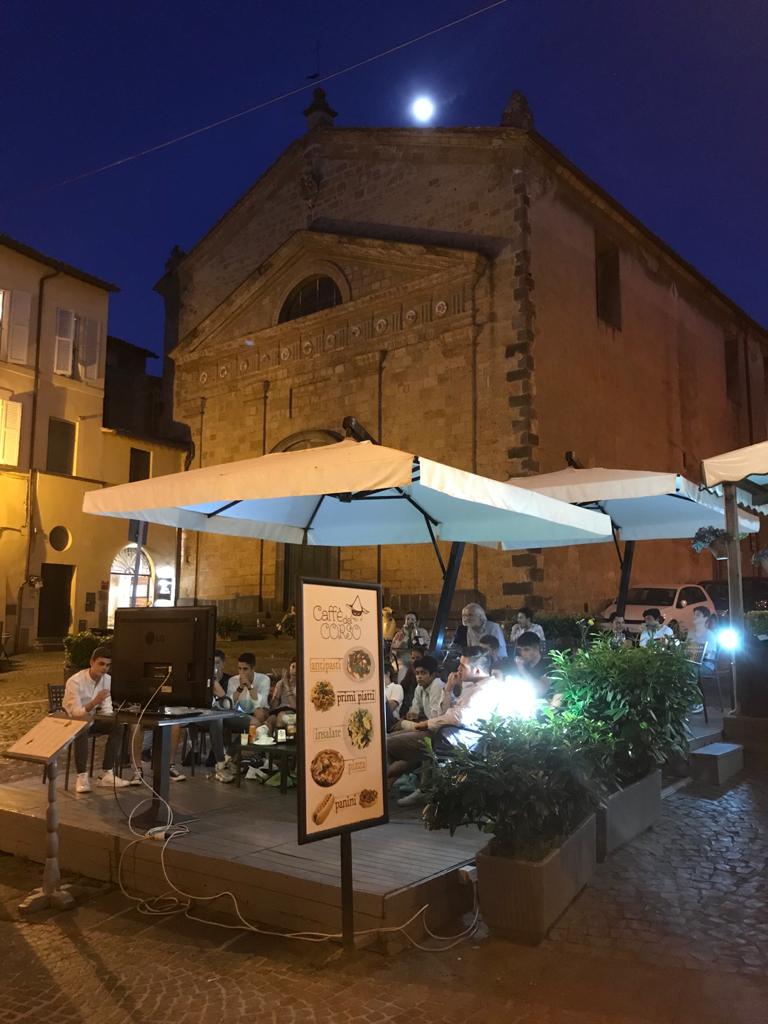 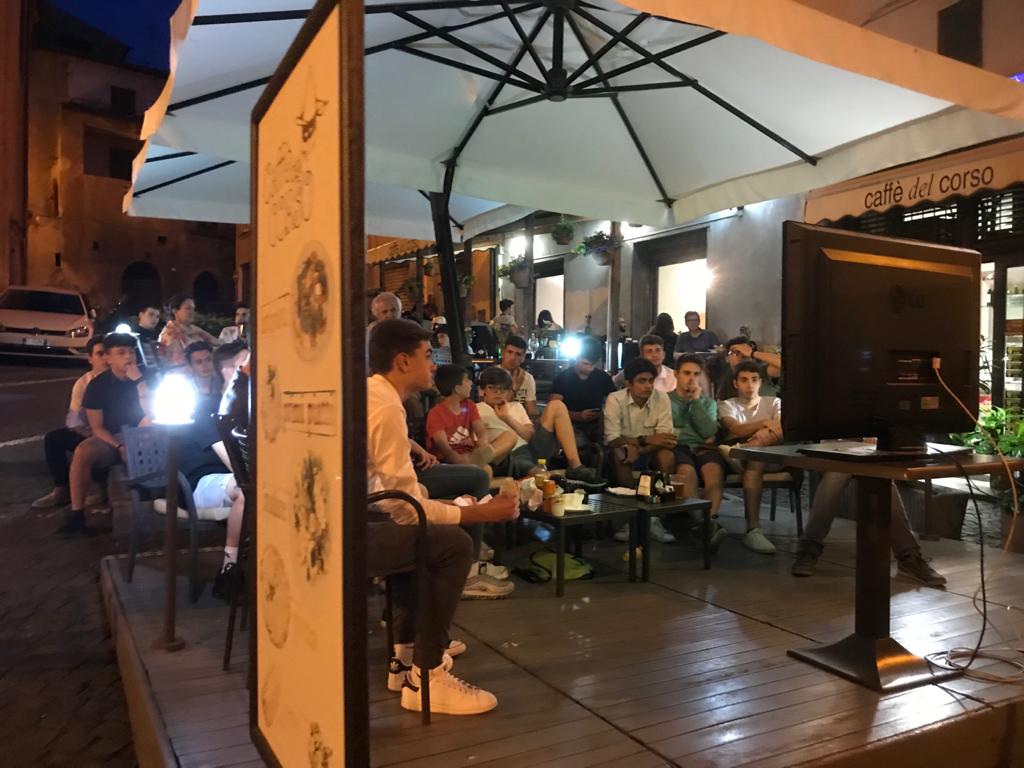 One of my favorite wineries on the Etruscan Wine Road is Le lase Next stop on our road trip is Maremma, hills that is..home of Super Tuscans along the Strada del Vino e dei Sapori Colli di Maremma.
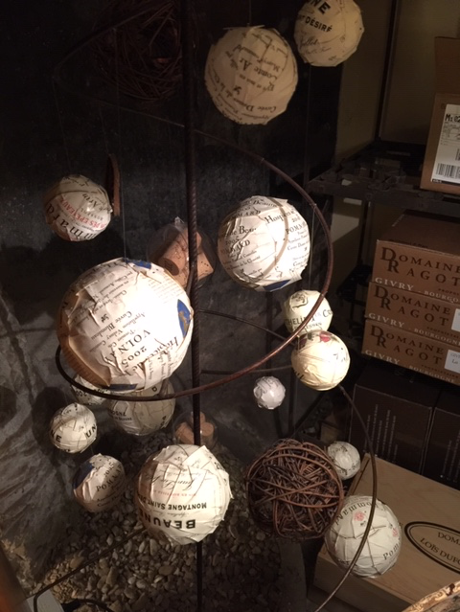 Wine Science At times, I find wine geeks interesting; for example, take the scientific academia of Pinot Noir. Oenologists & Viticulturists, a bit over my head, yet, fascinating and intriguing. 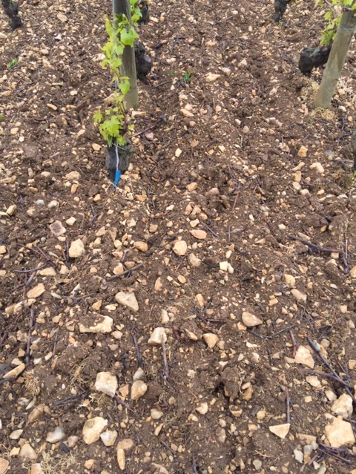 The impressive experts and specialists can be confidently opinionated and incredibly descriptive with their tasting palates. I find them amazing when they are in their groove and some of their niche jargon used to describe particular Pinot Noir wines are: "The pronounced floral of", "The elegance reminds me of", "The remarkable nuance of", "The purest expression of purity", "jaw-dropping French", "The finesse component is", "The bursting with authenticity", "The classically sculpted, vibrancy, lacey, pulverized minerality" and so on...their skill sets shine. 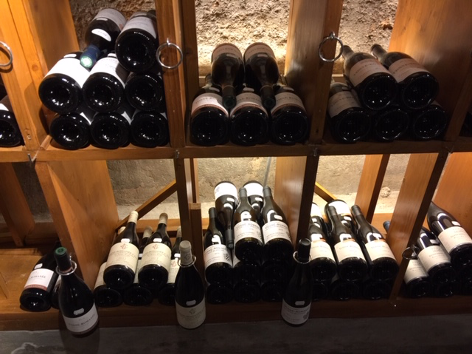 The Pinot Noir professionals have an appreciation and passion for trying the newest wine regions to learn and decipher the grape's site specificity. For example, these super taste buds can blind taste a Pinot Noir and proclaim, “A remarkable nuance of cola tone and unmistakably this wine is from Northern California”. WOW!
According to many wine enjoyers, Pinot Noir is the quintessence food friendly wine; it is seductive, silky, and elegant. On the flip side, the grape is also finicky and challenging to grow and can be a vintner’s dream or nightmare. There are Pinot Noir explorers and traditionalists. Explorers love trying their grape from around the world. The traditionalists pretty much stick with their basic region, Bourgogne and Burgundian vignerons. I am neither category and just lucky I had the chance to visit the queen of Pinot Noir wines. 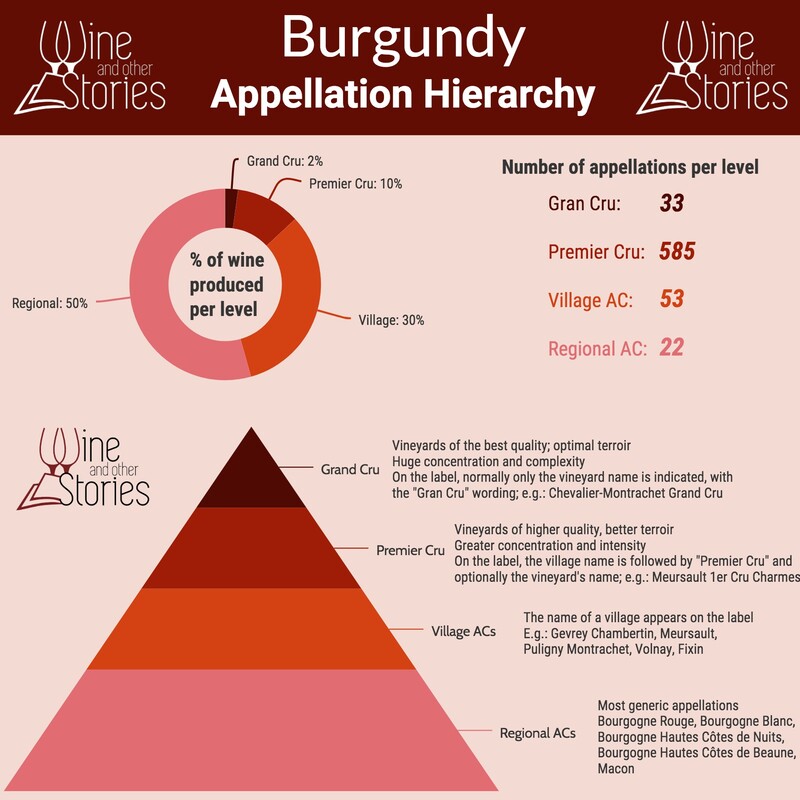
It was a fantastic wine trip to Burgundy, France, during one past beautiful Spring season.
Dijon mustard fields. I must say, Burgundians have a nice selection of mustards in their local stores. Dijon, France is the historic capital of Bourgogne. 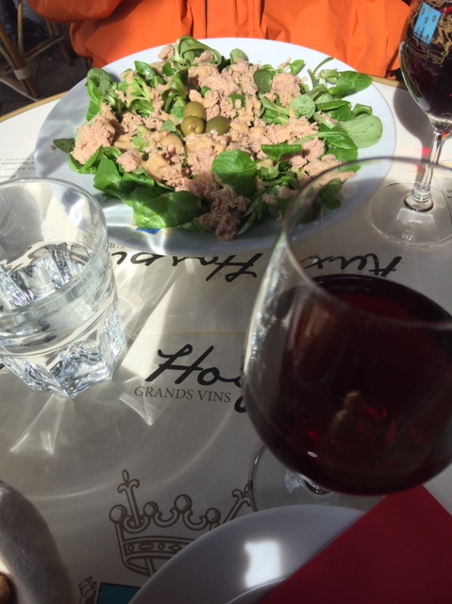 What, salty foods paired with a red burgundy? As they say, when in….
When wine enjoyers ask me, ‘What is your favorite wine’? I always reply, ‘A free one’ 😊
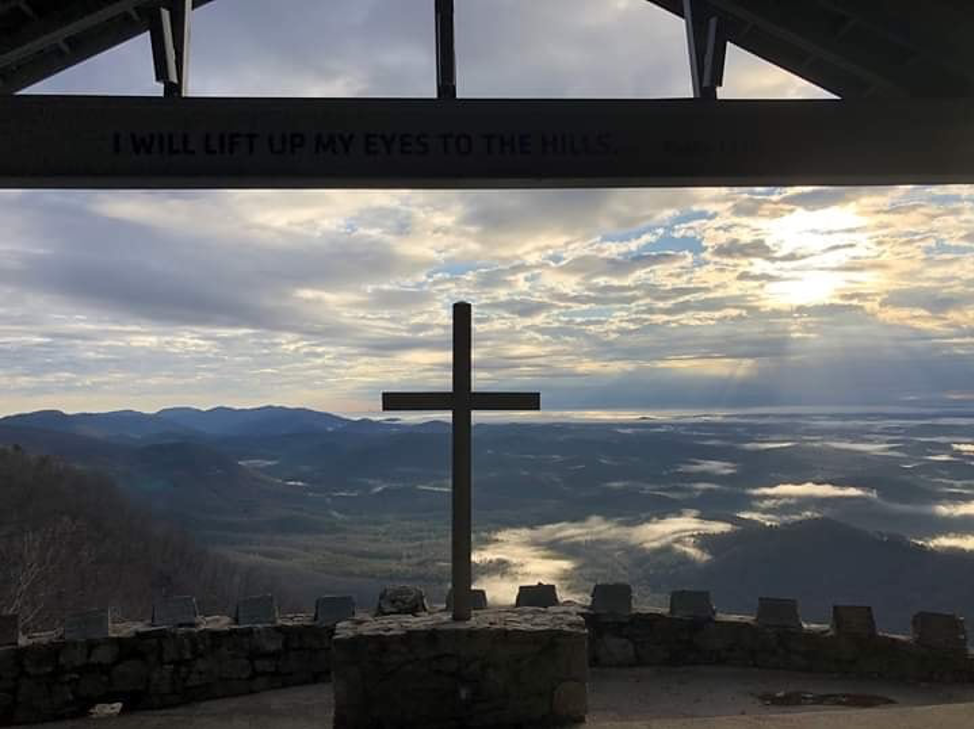  Who would have thought this time last year would be a 180 degree perspective on world affairs. Part of my self-isolation therapy is remembering, writing and appreciating my past few Easter holidays when I lived abroad. Bunnies, Markets, Castles, Oh My! 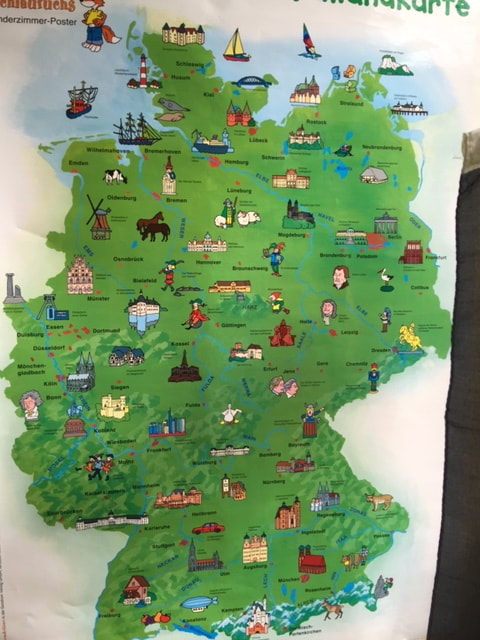
The vendor stalls are brilliantly decorated with bright pastel colors and local artists showcase their unique beautifully intricate works of art, proudly displaying their talents. I have never before seen festive eggs in so many forms of mediums such as paint, wood, plastic, food, flowers and many other creative objects. According to local legend the story of why Easter eggs came to the German land dates from the medieval era. “Centuries and centuries ago, there was another rivalry war during the spring season, so a German Duchess and her family had to flee from their castle home and found refuge in a small isolated mountain village. The poor villagers were very kind to the Dutchess’s family and gave them food and shelter. The Dutchess and her family returned home to their castle during the quasi piece time between the neighborhood kingdoms. To repay her gratitude to the village people for their kindness, the Dutchess gave them chickens to lay eggs. The villagers never seen or heard about this fantastic gift that keeps on giving and were most thankful for this new food. To display kindness and gentleness, the Dutchess taught the villager women different ways to cook, prepare and eat the eggs. For the children, the Dutchess prepared beautifully colorful eggs to brighten up their day with rhymes written on them and a delicious feast of supper with the villagers. Then to walk off a full tummy, the Dutchess and children went into woods to gather moss, twigs, and leaves to build a nest for their decorated Easter eggs. An egg is the first gift of the reviving Spring. When the children saw the rabbit in the forest, they assumed the rabbits brought the eggs, hence, the egg and bunny connection.” (cited) This tradition spread all over the lands and came to be a feast of eggs on Easter Sunday. Today’s trendy eating establishments were yesterday’s medieval tax burdens During medieval times, taxes were heavily levied in Germany. The locals were taxed on sunlight, so they built houses with small windows. They were taxed on square footage of land, so the they built houses with smaller in square feet on the first floor and increased its square footage in building height. Today, these same historic buildings are now restaurants, hotels, office spaces, museums, and bistros to enjoy fresh air outside seating. The Easter holiday colors are beautiful, refreshing and visually appealing against the backdrop cold grey skies. After the Easter holiday, Spring is on its way and gradually the neighborhood bier gardens and restaurants start opening for the warmer seasons. Probe, wine tasting, is offered inside stores. Winestube, wine shop, offers German wines that you may never see on the shelves back home. Ratskeller, a tavern bar, usually offers authenic local cultural vibes. Essingen is known for Germany’s oldest Sekt House.
Zentrum, town center, has fun art such as scupltures passerbys rub and Banksy inspired streetart This year, throughout the world, the Easter holiday will be remembered through social distancing while celebrating over a glass of wine. On the 7th day God rested and on the 8th day God created wine.
 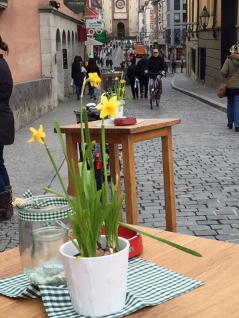 The March Equinox marks the brief time span when the sun crosses the Celestial Equator (sky dome) and some claim that, the astronomical first day of Spring, one can balance an egg on a flat surface.
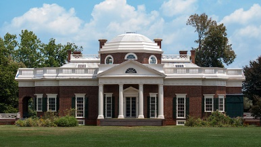 The grandfather of Virginia wine, Jefferson, experimented with growing a vineyard then has morphed into today’s The Monticello Wine Trail. One local gem along the trail includes UNESCO Thomas Jefferson Monticello, the beautifully scenic countryside where Jefferson was born, retired and died. A guided tour is a splendid experience because they point out insightful stories about Monticello’s displays of scientific objects, experiments, instruments and tools such as a telescope in his study room.
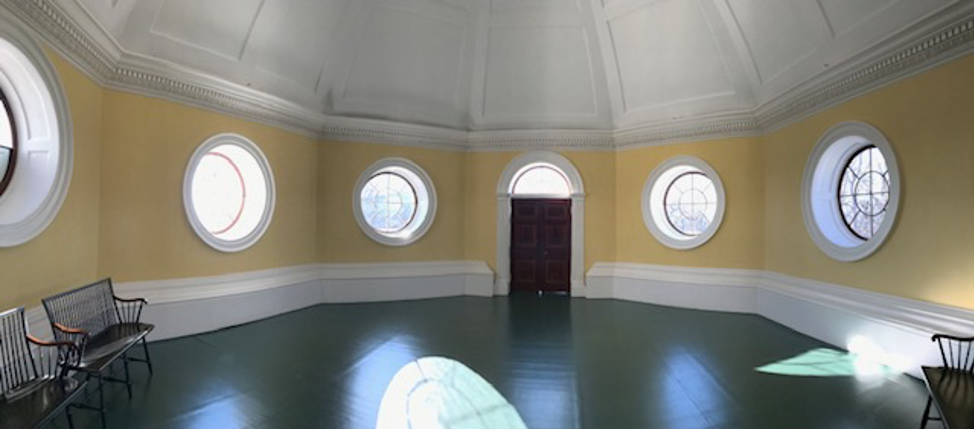 This year’s Spring Equinox I will be looking up at the skies where I live and where Jefferson had once star gazing. Coincidentally, I also had lived in the vicinity of both, 17th c. astronomers, Johannes Kepler and Galileo Galilei. The era of 17th c Scientific Enlightenment included Scientific Revolution and Modern Science which culminated in a European cultural shift. Vanguard scientists such as German Kepler and Italian Galilei planetary theories were controversies and spread all over the social circles including the English colonies. Jefferson may have read about these forward European thinkers’ academia applications being applied, the mathematical physics and equations, to the universe. Groundbreaking universal researches from both astronomers Johannas Kepler and Galileo Galilei had two completely different personal outcomes when their enlightened scientific theories, regarding the plants, sun, universe and Earth, became public knowledge. German born Kepler was from the same German town as Reformationist Martin Luther’s star student; therefore, their culture easily embraced science accademia growth and well..not for Italian Galilei. The omipresent Italian Catholic power were up & down the country’s boot and negatively spotlighted the towns where Galileo was born and studied, we can presume he was persona non grata.
Most military wars from the past spared the bombing of this historical town because of the respect for particular historic icons born here including Astronomer Johannas Kepler.
Weil der Stadt is often called ‘Gate to the Black Forrest’ because the town is located at the foothills of the Black Forest. Bavarian region and this area food is the regional Swabian cuisine. 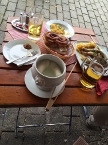 The local sausage culture The local sausage culture I learned that different sausages are eaten at particular times during the day. For example, a Bavarian mild sausage in light broth is served for breakfast. From this pic we, being newbies, are obviously tourists. I like the German’s lighter fare foods and prefer their biers on the lighter side. When I was introduced to the local ‘bier cocktails’ scene, from then on they were on my radar, a true fan. My favorite is Radler (mixture of beer and lemonade) and Bananaweizen (mixture of bier and banana juice). During the hot summer these iced cold bier cocktails are refreshing. During his time Kepler too enjoy drinking bier in his neighborhood Biergarten.
Many ancient and contemporary scholars have walked on Padua University floors. Many old traditions are still practiced today. Once we stayed down the street from the University of Bologna graduation night; oh my what excitement. 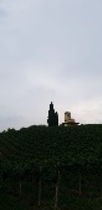 Driving around Padua’s country side are the hills of Colli Berici and Colli Euganie. The Italian scientist Galilei spend much time glaring up at the sky through his telescopes. Now private property, this place is said to be one of those locations and a splendid view it is. 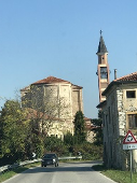 When I drove around that area this view of the scientist hideout happens to be perpendicular with a roundabout. I would drive around the roundabout a few times pretending to be lost, accidentally missed turn my turnoff, and acting coy towards the pissed off locals just to drive around and around and linger a longer view. One of the Galilie tourist spots is the cantina that produces and markets Galilie Galilieo wine. #bucketlist eating a carbonara pasta dish at a restaurant in the town named Carbonara, Italy.  I read this book years ago and must read it again for a different perspective. Thomas Jefferson’s travels through Europe and its influences were brought back to Monticello in his retirement years. UNESCO Thomas Jefferson Monticello showcases many of his scientific innovations and a nice piece of American history when experiencing Virginia Wine Tourism. 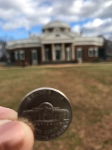 Balancing an egg or superimposing a historical moment with your five-cent coin on the Monticello Dome, during the Earth’s orbit around the sun, are some of the many gems offered on The Monticello Wine Trail. Historic, bucolic and alcoholic fun.
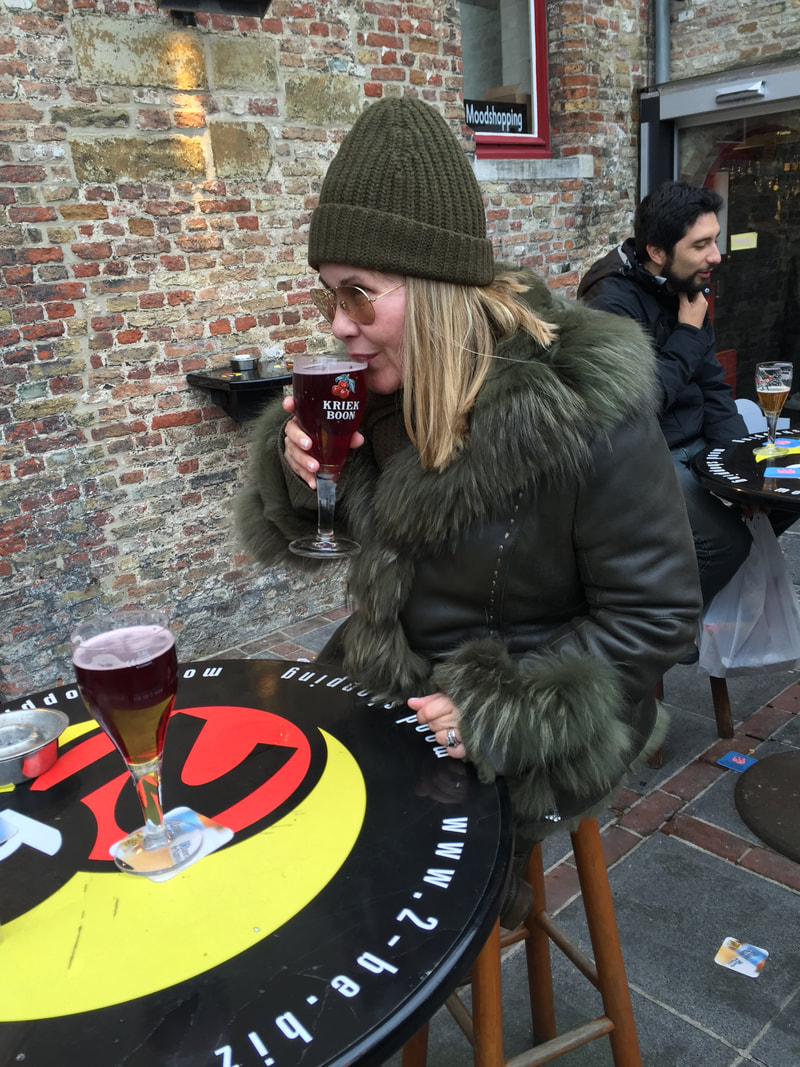 Sometimes, women can’t live on wine alone, we like a good bier. Bier & Valentines, what fun to experience Brugge’s annual bier festival. Brugge, Belgium in February is cold so prepare to dress warmly while you sample their local bier scene. If you do not mind the cold weather, sitting outside enjoying your bier while checking out the local vibes, we loved Brugge. 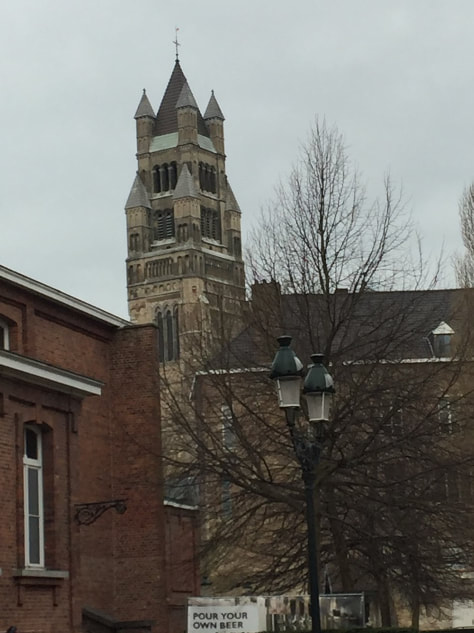 Yes, that signage is bonafide, ‘pour your own bier’! Only in Brugge can this concept be a civilized practice. 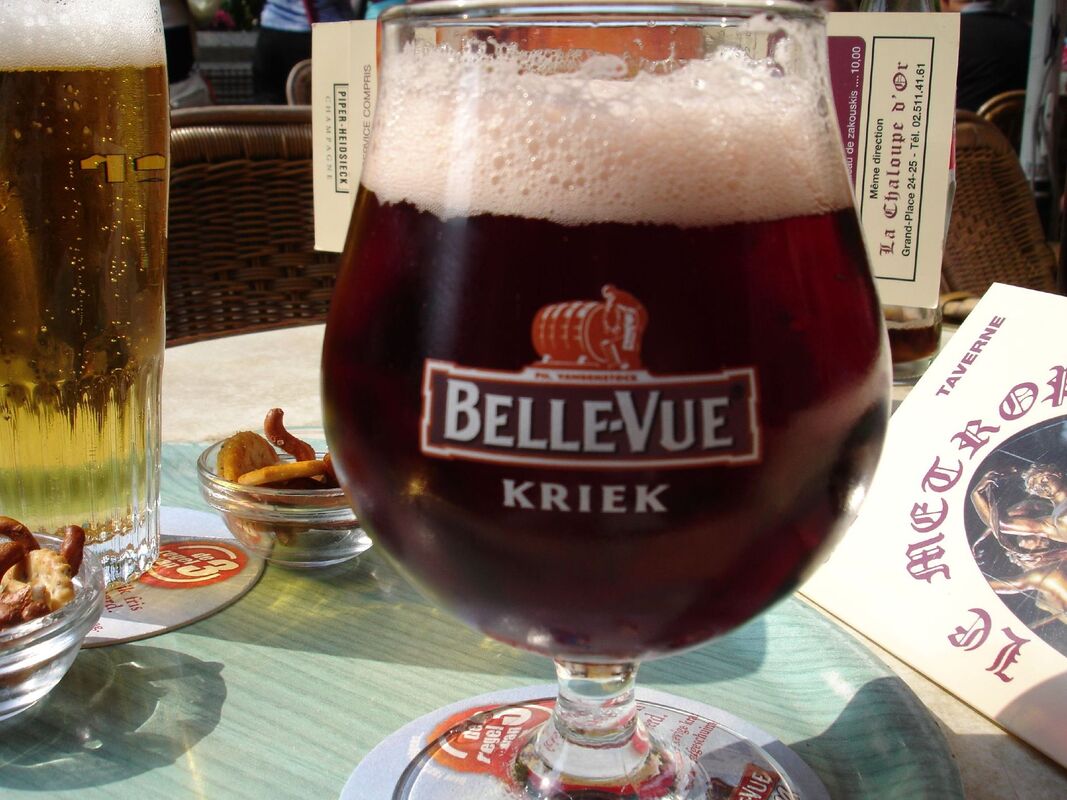 Drinking a style of bier requires the appropriate glass and this etiquette is quite significant around the locals. A bier’s complementary glass is liquid tradition and a custom among the local bier scene. So much to learn in only a very short time in Brugge. The thing I learned is that the different flavors, ingredients, foam, and other considerations compliments the enjoyment of drinking bier by enhancing its aromas. The bier museum showcases different biers where you can sample all kinds of different styles in different types of glasses. Guess which bier is my favorite? Kriek Lambic is a style of Belgian bier, made with morello cherries. The days turn into the blue sunset colors and Brugge at night takes on another memorable time freeze. The quietness around the back neighborhoods. The 16th C. religious reformation gave the rise to economic prosperity in Northern Europe. Driven by Martin Luthers Reformation, merchants quickly rose to upward mobility because of the elimination of paying tithes to the Roman Catholic Church. More money was kept for themselves and their new liberal religious sects; as well, new economic and advancing technologies and ideologies. This prosperous city also had an easily navigable channel of canals for international trade that drew considerable wealth to Flanders. From the second floor balcony, it was a lunch with the main plaza view. Michelangelo’s sculpture Madonna of Brugge. After the popular Hollywood film titled, ‘The Monuments Men”, a story about the recovery and correct placement of stolen art masterpieces during WWII, attracted a big following and donations to this church when properly returned. Unfortunately, when I visited, the small nave was closed and under renovation. Flanders has a long and rich history, which I find interesting and many museums are walking distance within the town center. This trendy town has a fantastic art scene and the inspirational garden sculptures, retail shops, and the red post mail boxes along the way captured my attention. There is chocolate, and then there are the Chocolate Houses of Belgium. 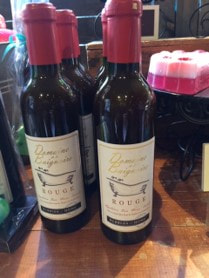 Known as the Land of the Bier, Belgians have been making wine since the 9th c. and now besides "rouge" are producing nice sparkling wines and white wines. The wine regions in Flanders are Vlaamse Landwiin and Wallonia Vin de pays des Jardins de Wallonie. 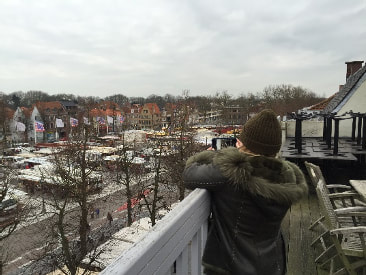 The local markets still go on throughout the winter season. We have been to Brugge twice and both visits were taken during these cold temps. Hopefully, one day we can return during the warmer months; I would love to enjoy this roof top stay surrounded with beautiful vividly colored flowers and long summer evenings. References:
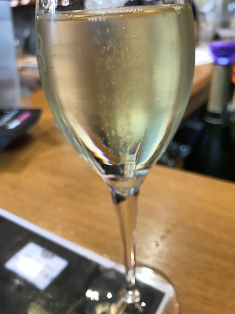 Sparkling wine season is upon us and another reason to enjoy sparkling wines from around the world, and all year around. According to many wine aficionados, the mother of all Sparkling wines is Champagné, so one can imagine my thrill to enjoy a glass of Champagné in Champagné, France. The French Appellation d’Origine Contrôlée mandates the three grapes used are Chardonnay, Pinot Meunier and Pinot Noir. If only Chardonnay is used then it is called blanc de blanc. The appellations are Aube, Côte des Blancs, Côte de Sézanne, Montagne de Reims and Vallée de la Marne. The location of the vineyards (east, west, north, south) to its ratio with sunlight tenacity matters a great deal to which grapes are grown where. The AOC also requires how the sparkling wine of Champagné is made. The méthode Champenoise, also known as the traditional method. Empty spots need to be filled in due to limited bottle movement. Many times, the bottles fall off the racks due to accidental prematurely popping out (disgorgement) while undergoing the process of formation and/or aging. There are Vintage (all three grapes have same year harvest) and Non-Vintage (NV, three blended grapes have different harvest years) Champagnés and the labels should list this on the bottles. The NV is usually less expensive than Vintage Champagné because of the complexities and guidelines of same harvest, blending still grapes, and the list goes on. The styles of Champagnés differ and is subjective. We all have unique level of sensory thresholds and having a chance to juxtapose a flight of Champagné is marvelous. The levels of residual sugar such as Sec for a sweeter and Extra Brut to a drier style is noticeable. 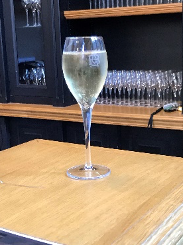 Perlage is all about the quality and character of the bubbles, also called ‘the collection of pearls’ or the ‘effervescence’. The higher quality of sparkling wines have bubbles that are pinpoint small and rapidly upstreaming until the last sip taken from the bottom of the narrowed glass stem. The ideal glass to taste Champagné has a potbellied shape and is tightened at the top, called a tulip glass. Pictures taken from Champagné Houses and the Grower Champagnés while touring the cellars and popping in and out of Ave d’ Champagné tastings bars. The money shot. This sculpture is well known if one has taken the Moet & Chandon/Don Perignon cellar caves tour. 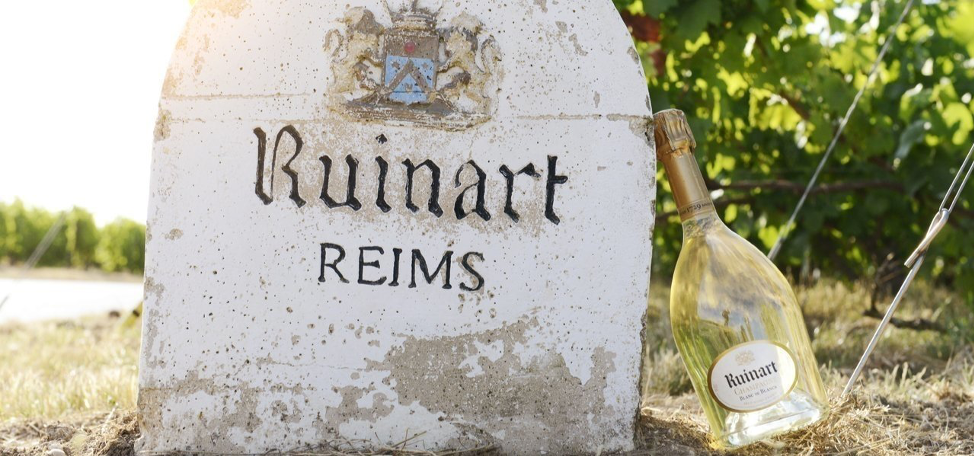 The oldest Champagné House in France
I loved admiring the 13th c. Cathedral of Notre-Dame de Reims from across the courtyard café. Twenty-five French kings were crowned here over the centuries. Yes, it was lunch with a view. If you are a fellow military history buff, then you too may enjoy the Musee de la Reddition. When we take a public bus, I like to sit in the front; all smiles, widen eyes, fully alert, checking out window views and totally giving off giddy tourist vibes, and all walking distance from Champagné Ave. I must admit that I spent a good two hours at the Tourist Office located on Champagné Ave. Yes, on scale, that is a comfortable stool to sit on while reading through the local happenings. If you are into sparkling wines and want to experience a winecation, this place will not disappoint. I have studied Champagné in books and participated in public tastings (even that was limited to USA distributors) and learned so much about this sparkling wine. During my Champagné experience I delved deeper, which included popping in and out of Champagné Ave tasting bars, juxtaposing glasses of sparkling wines with education, exploring their houses, caves, and actually feeling the temperature fluctuating in the different vineyard locations I visited. May your New Year be filled with bubblies. Cheers! References:
https://musees-reims.fr/fr/musees/musee-de-la-reddition/ https://musees-reims.fr/reims-museums/ https://walkingontravels.com/reims-cathedral-france/ https://news.artnet.com/art-world/imi-knoebel-church-windows-reims-cathedral-296664 https://news.artnet.com/art-world/chagall-drafts-for-famous-mainz-church-windows-displayed-at-last-273412 Xmas Caves in the Netherlands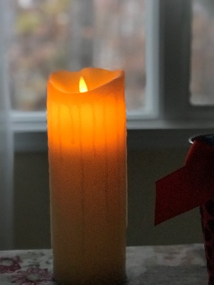 As I watch my desktop candle flicker, I am reminded of where it was purchased. In Limburg, the southernmost province of the Netherlands, the Valkenburg Christmas Market takes place in the enchanting dark cool caves carved out of the cliffs. This ultimate Christmas experience is a specular event that takes place every year during November and December during the Christmas season. The Velvet Cave (Fluweelengrot) is the largest of the Christmas markets beneath the 11th c Valkenburg aan de Geul castle ruins. These set of tunnels were once the creation of labyrinthine secret escape passages from the castle out to the countryside during medieval sieges. In an era of wars, kings, lords, knighthood and rugged cold weather fortifications were a necessity around this region. The only hilltop fortress in the Geul Valley, the ruins are the final remains from the destruction left by the 17th C Dutch Spanish war. Gunpowder was introduced to Europe by the Silk Road trade around 13th c. “One of the most important technological developments of the Middle Ages was the adoption of gunpowder weapons in medieval Europe. From the fourteenth century onwards, this new technology was to eventually transform the conduct of warfare beyond all recognition with important implications for European and global history. Guns came to be used in all aspects of military operations, with kings, nobles and burgesses all spending large sums of money on these prestigious weapons. The growing effectiveness of gunpowder artillery prompted major changes in the design of fortifications, the composition of armies, the management of logistics and administrative systems.” (CITED) The history of the caves have seen its share of pain and some people are still alive to share their stories. During the European rise of Hitler’s Nazi Germany, the caves served as a hideout for Jewish people escaping German occupation and shelter for the locals. Other uses these caves served included a war hospital when the town was liberated by the Americans. Today, the area commemorates its 75th Anniversary of the Liberation of Valkenburg. The festive lights, the aromatic smells of alpine greenery, impressive art sculptor, and wall murals are delightful, and I went through these tunnel caves twice to absorb the ambience and take to solidify my shopping choices. The art of Fluweelengrot are etchings and murals that tell stories. During the French occupation, Napoleon closed the Roman Catholic churches, so the priests and followers went underground to create secret chapels. The booths are lit up with festive twinkling light, vendors wearing their earmuffs and gloves, and artists and crafters showcasing their finest creations. The miniature village displays have always been a joy to watch; I was especially amused by the electric trains going around the intricately creative set ups. I really enjoyed slowly sipping a mug of Bischopswijn, Dutch mulled wine, warming my bones while appreciating the Alpine Christmas cuteness. Baby, it’s cold outside. Inside the caves have warmer and milder temperatures. Many cafes provide heating lamps, yet, this one did not but did offer a pretty table setting. Hopefully, there will be a next time to visit this area and it will be during the Summer season sipping wine Holland style. Zuid-Limburg is a wine region around the southern Netherlands and gaining prominence in the trendy wine scene with its tasting notes of Sapidity (bright acidity). Went to church for a bite to eat! The festive experience at Valkenburg is a Christmas destination experience. Today, the battery operated candle sits on my desk year-round and nostalgia rolled in when I turned it on today because it’s Christmas time and this memory of a small Dutch town brings back a smile and a twinkle in my eye. References:Dan Spencer, Royal and Urban Gunpowder Weapons in Late Medieval England (Boydell Press, November 2019)
https://www.christmastownvalkenburg.com/ Basilica Santuario Madonna Della CoronaWhen Facebook pops up memories from a year or two ago when we were living in Italy, I am thankful we had the opportunity to make a Thanksgiving Day pilgrimage to an Italian cliff side Roman Catholic Sanctuary. The path leading up to the Sanctuary passes by an alpaca farm where they sell alpaca things and you can pet the alpacas. The brevity of time is scary to me. We visited the Basilica Santuario Madonna Della Corona on Thanksgiving Day and as the Italians do not commemorate this American holiday, we had the whole place to ourselves; just the two of us, no tourists! The Sanctuary dangles off the side of the high-altitude cliffs and is quite intimidating to walk the pathway leading up to the chapel. We appreciated the silence and peace we experienced on this religious land and the humbling skillfully crafted sculptures along the route up to the church dramatically expressed the story of Jesus. The Alter is cut out from the caves. Centuries of distressed disrepair warranted an updated look. Yes indeed, this region to the east of Lake Garda has a rich and long history. This area’s military history includes the famous French Commander Napoléon Bonaparte’s military campaign through Northern Italy. Napoleon Bonaparte’s military campaign in Northern Italy defeated the Austrian armies. According to military history, In September 1796, Napoleon and his army marched up the Alto Adige through the Adige Valley and Trento area on their way to Innsbruck, Austria. Our afternoon lunch in Rivoli at Locanda Bonaparte Ristorante is full of local military history as you enjoy excellent food and wine at a great price! Our choice of local sparkling wines included Trento DOC and Prosecco Cartizze Superiore DOCG offered in a mode single glass. The restaurant also showcases objects, art, and information on the military presence in this area. These dish portions were a bigger pasta size than usually served, maybe because I only wanted the primi and not the typical three-course lunch. Keep in mind that I am sure the locals subsumed I was a tourist because of my giddy newbie behavior. Today, when photos from last year or so pop up on my social media, I am so thankful of the memories and quite aware the brevity of time. I am finding myself missing the boutique Veneto wine selections I would get while living in Italy, but I no longer eat pasta as often in hope of losing some of the weight I gained from my time tasting all Italy had to offer! The solitude of the Basilica Santuario Madonna Della Corona will be one of those memorable experiences I had while living in Italy.
Keys of Saint PeterEarly in my wine education journey on a budget and learning about Châteauneuf-du-Pape only from readings; I remember thinking, “Oh my, I cannot afford these prices to just randomly pay out of purse for educational tastings.” It was then I quickly came to realize that there are wines and then there are top tier fine wines. Years later, we had the fortunate opportunity to “winecation” in Châteauneuf-du-Pape and it was a #pinchmemoment. CDP is a quiet and small historical village and is about two-hour drive north from the French Riviera. Actually, this thrill was beyond a bucket list check off, it was my wine Holy Grail of experiences.
References:
https://en.chateauneuf.com/ https://translate.google.com/translate?hl=en&sl=fr&u=http://femmesvignesrhone.com/&prev=search https://www.facebook.com/FemmesVignesRhone/ https://www.brotte.com/fr/ https://en.wikipedia.org/wiki/Castle_of_Ch%C3%A2teauneuf-du-Pape https://winefolly.com/review/about-chateauneuf-du-pape-wine/ https://www.facebook.com/tasteoffrancemag/?mc_cid=f519414d12&mc_eid=146ed3420b 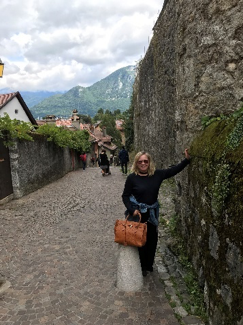 The terrible heat wave now spreading through Western Europe is wreaking havoc in so many ways including scorched vineyards. When we lived in Italy, to escape the Italian summer unbearable heat, hubby and I would drive up to the mountains to find fresh cool Alpine air. One of my memorable trips was driving through the French Alps during August and September. I appreciated the respite from the city heat to enjoy the drastic drop in temperatures and the overcast cloud coverage for a few days’ vacation in Savoie Wine region. In particular, a quaint lake town of Annecy known as ‘Venice of the Alps’. 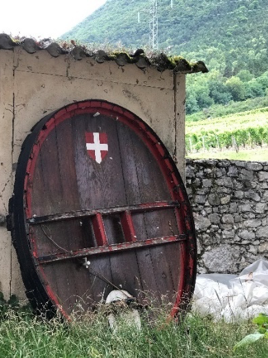 Located in the northeast part of France, Savoie is Latin meaning for ‘Country of Fir Trees’ and was once part of the Roman Empire. This area’s long rich history included part of the Frankish Kingdom of Burgundy then around 11th C. became the House of Savoie. This Kingdom was included within European culture of ‘Era of Absolutism’ comprising of kingdoms’ warring factions including geopolitical motives and marriage alliances. This Alpine wine region has a fruitful viniculture history. Grape vines in the Savoie wine region have been documented from 11th C. At its peak, 1889, more than 32,000 acres (13,000 hectares) of vines were growing around that area. The mountainous soil is composed of clay and limestone and the terraced wine fields abound on the lower slopes of the mountains below 1,640 feet (500 meters) in the valleys and piedmonts of the Alpines. (Source) The most important white grapes are Chasselas (also make cool refreshing wines from Switzerland) and Grosse Rousette (also known as Altesse, Marsanne, Jacquere, Molette, Rousette). Other white grapes include Aligote, Chardonnay, Mondeuse Blanche, Pinot Gris, Verdesse (mostly used for Vin de Savoie). (Source) A little side note, the Gringet grape can be found in subzone Haute-Savoie. Also FYI, Grosse Rousette and Rousette D’Ayze are grown in the AOC Roussette de Savoie. This area is renowned as France’s AOC wine destination for premier crisp wines. Savoie wine region’s main red wine grapes are Mondeuse, Persan, Poulsard (primarily found in Jura wine region) and other red grapes include Cab Franc, Cab Sauv, Cha Etraire de la Dui (this varietal sounds sexy right?!), Gamay, Pinot Noir, and Joubertin. (Source) 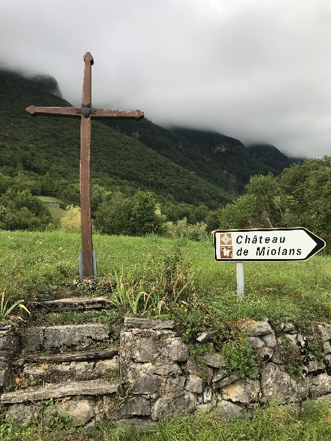 These French Alpine wines are on many wino’s radar. This cool climate region is a foodie & wino’s match made in culinary delights, and Savoie wine region does not disappoint. A gastronomy mecca, I loved delving into the local wine and food pairing scene around the wine region, popping in and out of the many quaint historical cobblestone villages along wine road Rt 201. 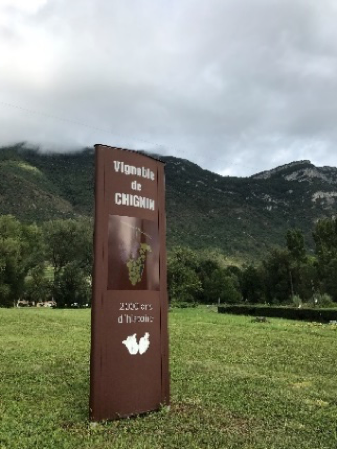 I find that Savoie wine region has a fantastic foodie scene. Around this area, Escargot cuisine is cooked in many styles and offered in non-pretentious restaurants. Of course, as they say, what grows together goes together and snails thrive in this region’s climate. Moist cool temperatures and shady cloud coverage, snails and I both like this summer weather. Escargot, needless to say, is more affordable in this part of France, therefore, they are often the featured foods on the menus to pair with their local Savoie wines. 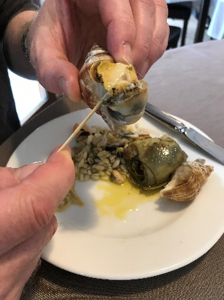 I must say, there is a big difference between tasting a countryside escargot exported in an upscale Paris restaurant and tasting this delish decadence from the farm to table concept featuring local traditional cuisine flare. Savoie’s fresh crisp white wines pair nicely with these types of fatty and/or buttery foods and probably why the restaurants offer many creamy dishes. Maybe some creditable wine and food pairing aficionados disagree and fall into the ideology camp of ‘Don’t disservice this fresh driven wine with heavy laden foods’, luckily, I had the very fortune to vacation around the local vibe and as the adage applies ‘When in ….’ 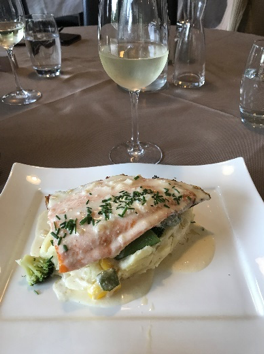 Does this two-hour lunch look scrumptious? I find that Savoie white wines complement this entree because the focused acidity of the wine cuts right through this rich cream fish dish. The cheese selection around the Savoie wine region is another delicacy I would love to explore. France recognizes the hierarchical cheese status as Appellation d’Origine Controlee (AOC) or Appellation d’Origine Protegee (AOP). These honorable designations identify the region, village, methods, traditions, production, livestock, customs, and other mandatory requirements to meet top tier cheese status. There are so many local cheese flavors around Savoie to indulge pairing with wine & food, yet, I like pairing their zesty wines with their softer cheeses such as Reblochon and Beaufort. The cheeses tasting notes are nutty & buttery and are delicious when enjoyed with their crisp wines. 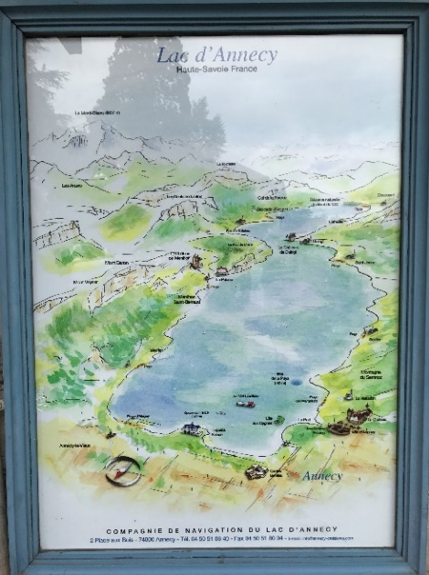 Lake Annecy in the French Alps One of these cute historical town around the Savoie wine region is Annecy. Known as ‘Venice of the Alps’, Annecy is a picturesque lake town that should not be missed while up in that scenic neck of the woods. The hot summer months, for me, was the perfect time of year to go enjoy a respite from the valley and city summer heat as it delivers cooler temperatures, mountain breezes, vibrantly vivid flowers, colorful timber-beamed houses, and winding canals set along the Alpine backdrop and amazingly tasting fresh mountain water. Wine tourism around the area includes the Lake’s water sports and activities ranging from mild or extreme sports for the adrenaline junkies. Not for me, yet, I got a kick out of watching the lake scene while enjoying it from various café views throughout the day. Many café stops throughout the day while sightseeing the historical tourist spots. Mussels and French fries are a staple in this town. 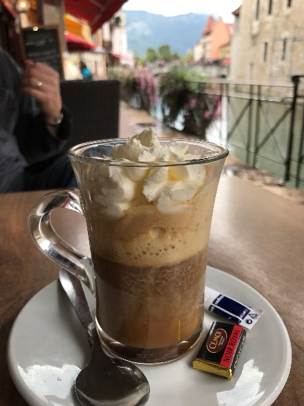 One café with a view of Palais de Lile 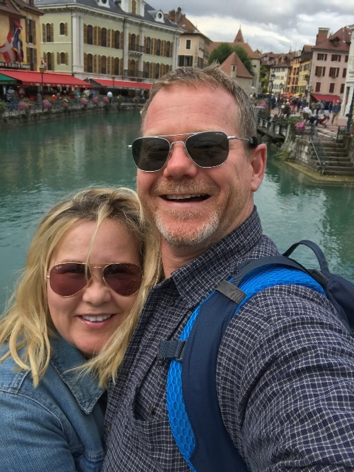 Another feature of Annecy is walking around town and stumbling upon wine tastings in the town’s winery caves. Wineries around this wine country offer tastings in old underground cellars. That is one of many things I love about France’s wine regions, the cute villages that offer cellars you can step down into time and taste French history. 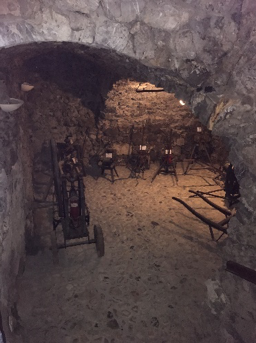 The French Alps in the Summer is probably one of my favorite memories while living in Europe. References and Helpful Sites:
https://recipes.howstuffworks.com/food-facts/savoie-wine-region2.htm https://recipes.howstuffworks.com/food-facts/savoie-wine-region1.htm https://thevinofiles.typepad.com/the_vino_files/2008/08/savoie-general.html https://www.guildsomm.com/public_content/features/articles/b/charles_neal/posts/savoie-faire-the-wines-of-the-french-alps https://www.laylita.com/travel/806/cheeses-french-alps/ http://www.winter-sports.com/EN/Articles/alpine_cheeses.php https://frenchmoments.eu/savoie/ https://www.francetoday.com/?s=savoie https://www.francetoday.com/travel/savoring_savoie/ https://www.francetoday.com/food-drink/wine_and_spirits/young_vintners_old_vines/ http://musees.annecy.fr/eng/Palais-de-l-Ile http://www.montmelian.com/culture/die-stadt-montmelian/ https://www.chambery-tourisme.com/?lang=en https://chartreuse-tourisme.com/noesit/!/fiche/musee-regional-de-la-vigne-et-du-vin-130923/ https://www.lestresoms.com/en/ https://www.closdessens.com/en/ Recently, we brought home Trixie our four month old female Chiweenie puppy. Much to her chagrin, I brighten up her masculine black & tan color fur by dressing her in girlie girl clothes as not to confuse her with a male. If Trixie was born around St Patty’s day, I probably would have named her, after the black & tan beer, Guinness. Speaking of black and tan colored dogs, the Rottweiler dog comes to mind and our 2016 visit to the Southwestern German town named Rottweil, where the dog breed Rottweiler has its roots. The quaint town of Rottweil is located between the Black Forest & Swabian Alps nestled between the Baden & Wurttemberg wine regions. The Rottweiler dog’s journey through Germany has a fierce beginning dating back to the Roman Empire’s Pax Romana and was essential to the Roman Army; the dog’s importance made no exception during the Medieval era. During medieval times, the dogs were well known in Germany as “Rottweiler Metzgerhund”, meaning the butcher’s dogs. The Rottweilers were the butcher’s essential helpers during the towns’ busy market days. Because of the dogs’ massive body power, one of their duties included pulling heavy laden carts loaded with slaughtered butchered meat from town to town. Another important job was protecting the butcher’s/merchant’s money by hanging the money purse securely around the dog’s neck to protect it from thieves. The medieval town of Rottweil is the oldest town around both Baden and Wurttemberg wine regions. Baden is Germany’s third largest wine region, yet, less known on export markets and the Wurttemberg wine region has been historically known for producing red wines. Like other European wine making and marketing practices, Germany’s winemaking cooperatives are a common practice. My most memorable experience in that wine region was my visit to Würzburg Residence, an Aristocratic palace. Undoubtedly, Germany is well known for their Rieslings also our wine tasting included their local red wines. The Würzburg Residence guided tour included the beautiful frescoes by Italian Venetian Mannerist painter Tiepolo followed by a wine tasting in the cellar. References:
https://germanwineusa.com/ http://dominikanermuseum.de/ https://www.germanwines.de/tourism/wine-growing-regions/baden/ http://www.germanwineestates.com/sachsen.htm https://www.weingut-juliusspital.de/index.php?route=information/contact_en https://www.juliusspital-weingut.com/weingut/en/wine-estate/index.html http://www.visual-arts-cork.com/old-masters/tiepolo-giambattista.htm http://www.visual-arts-cork.com/famous-paintings/wurzburg-residence-frescoes.htm http://www.visual-arts-cork.com/famous-paintings/wurzburg-residence-frescoes.htm#analysis I have always loved watching the PBS travel show titled ‘Smart Travels with Rudy Max’ and I remember the episodes showcasing dreamy Rhine River Cruises. While living in Germany for a bit, I had the chance to enjoy a half-day Rhine River cruise and was so captivated, I returned to take the same river cruise again to absorb the beautifully vivid colors displayed during the Summer and Fall seasons. From a sightseer’s casual vantage point to take in the Rhine River cruise vibe, I loved it so much, I had to do it twice. Raise a glass of Riesling on the Rhine River.
Ranked one of the most spectacular scenic rivers cruises, the Rhine River slowly winds through the snaking river flanked by breathtaking landscapes. This scenic route is lined with well-preserved hillside medieval castles, steep gently rolling hillside vineyards, Churches, traditional fishing marinas, and river towns with delish culinary culture. There was a tour guide periodically on the microphone sharing local German history and points of interest. The guide’s information reminded us that today this area is touristy, consider that for many centuries this once busy high traffic river was a very important maritime trade route between European Kingdoms. This was a lucrative river for the Kingdoms because each castle had a toll booth to collect taxes from traffic passing through the territory. The tour guide warned us that the Rhine River can be an absolute stunning view yet, also depending upon the precarious Mother Nature weather, the river can also be very dangerous. One river bank folklore is about the siren Lorelei. According to local legend, Lorelei, was an 1800 ballad based on stories told from generations of family sailors. Centuries ago, while the Rhine River was a major maritime trade route, there was a repeated story of an enchanting mermaid’s whispers singing a seductive tune to lure in sailors’ boats into the dangerous cliffs on the Rhine River. One particular small section of the long River is the deepest and narrowest point and has an extremely curvy river bend located between river towns St. Goar and St. Goarshausen. According to science, this natural phenomenon happens when the conjunction of rapid fluxations in elements of river streams, change in winds, cloud formations, temperatures, etc. come into zinc play and it forms this siren. Over the centuries many boats have crashed and remain at the bottom of the Rhine River bed. They blame Lorelei, the rock formation. Now near the cliff a modern artist sculpted a 16 ft. mermaid bronze stature titled ‘Lorelei’. Today tourists embark on a Rhine River cruise, yet, back in the 13th c. castles’ fortresses were military structures that once served as toll booths. According to academic scholars, “seventy-nine locations along the Rhine River were the major commercial thoroughfare in Europe. Castles sold and charged the commercial vessels tolls documented as the ‘Rights of Passage’”. Along the river towns are family run souvenir shops who proudly welcome tourists and sell custom handcrafted local goodies such as Lorelei chachkies. I wish I could have taken home Riesling single grape vine cuts for sale, yet I did enjoy the free German wine & schnapps tastings. I now reminisce about the intriguing artistic details in the cuckoo clocks’ aminations and their skillfully talented clock making and wood carving vignette scene demonstrations. The quaint river town of Rudesheim am Rhein was a nice time to hop off the boat for a bit and walk around to enjoy a river town’s wine festival. If time permits, pop into the medieval torture museum; obviously the Geneva Convention does not come into play. During the warmer seasons there is a cable car to the top of hill for the bird’s eye panoramic views of river, vineyards, and towns. The top of hill in cable car was definitely worth the time to take in some refreshments, admire the views, and commemorate the story, culture and statue of the German General, Niederwaldenkmal, who unified Germany from Prussia. For me, experiencing the same Rhine River cruise scenic route twice; once during the lush green Summer months and again during the vividly colored foliage Autumn to juxtapose the same scenery during two different seasons gave me an unique perspective on Rhine River Riesling wines. References: https://pdfs.semanticscholar.org/2635/24d80072416b43ec221b2cb6e7918a29e07e.pdf https://en.wikipedia.org/wiki/Lorelei http://mermaidsofearth.com/mermaid-statues-mermaid-sculptures/public/the-lorelei-statue/ 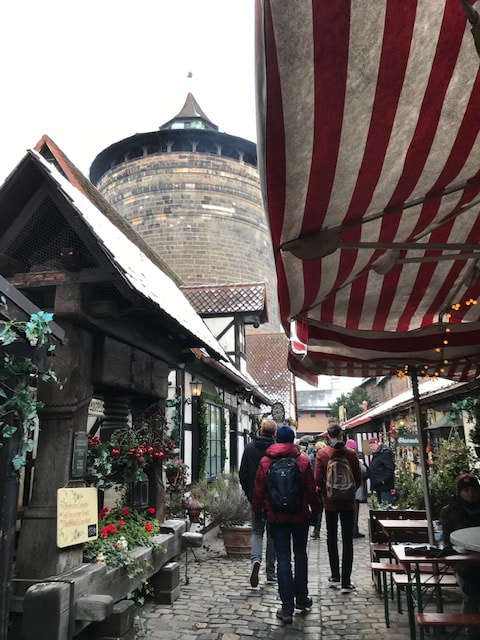 Germany is known for their magical Christmas markets and the enchanting Nuremburg market is one of the oldest in Germany that dates from mid- 16th century. Bavaria’s second largest city, Nuremburg was founded in the 11th century and its fascinating rich medieval history played an important role due to being located at the crossroads of several river and land trade routes. 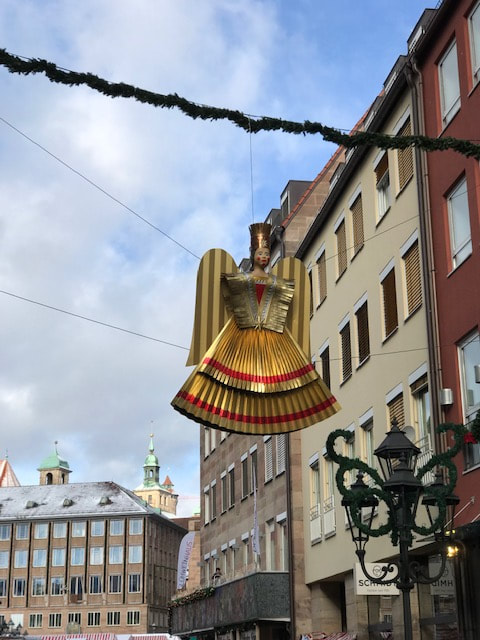 Locally known as Nurnberger ChristKindlesmarkt, the market opens each year on Friday before the First Sunday in Advent (the period of four weeks before Christmas). The long wavy blond-haired Christmas Angle is a symbol for the origin of Christkind and can be seen in many mediums of art such as sculpture, paintings, advertisement, and in human form. 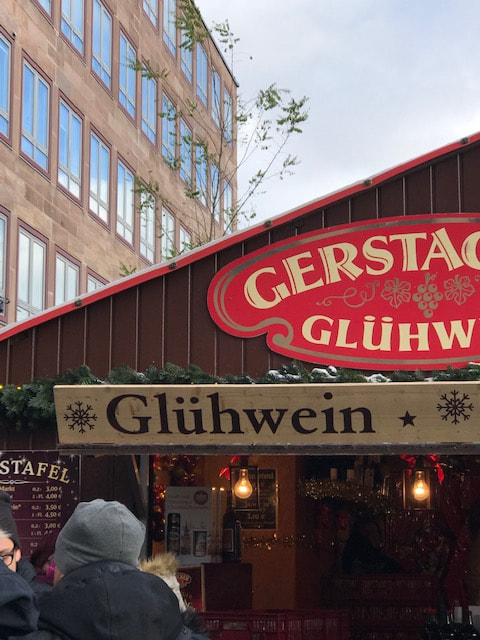 The excitement and festive atmosphere entice the holiday merry makers to explore the Christmas village winter wonderland. While walking around the seasonal markets I listen to holiday music, see whimsical gift ideas in the decorated wooden sheds, enjoy the many styles of Riesling wines, smell the aromatic warm glühwein to take the chill off my bones, and taste big plump pretzels, schnitzel, strudel, and other delicious local treats. 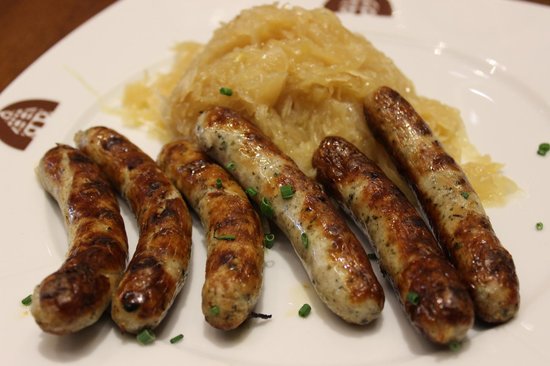 Germany is the country of sausages with hundreds of varieties and the three methods of preparation are scalding, smoking, and cooking this meat. The original Nurnberger Rostbratwurst is the local scalded pork sausage eaten with homemade sauerkraut and tangy mustard or on a roll with ketchup and/or mustard. This sausage is made in the Nuremberg area and produced following a specific recipe that has been made with stringent requirements enforced by law. 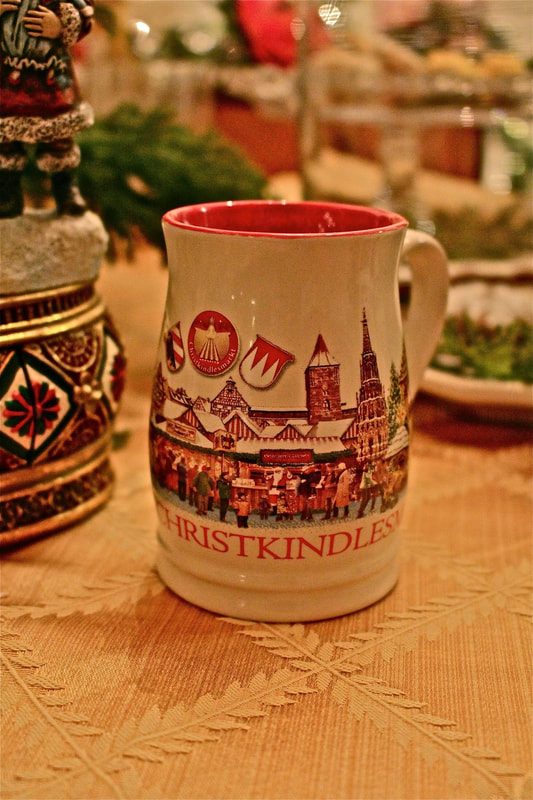 Of course, virtually all Christmas markets across Germany will offer gluhwein. Even though there are various homemade recipes of this mulled wine, basically it is prepared from heated red wine and garnished with a cinnamon stick. Literally translated as ‘glow wine’ this delicious beverage is a staple as one strolls the many seasonally decorated sheds. 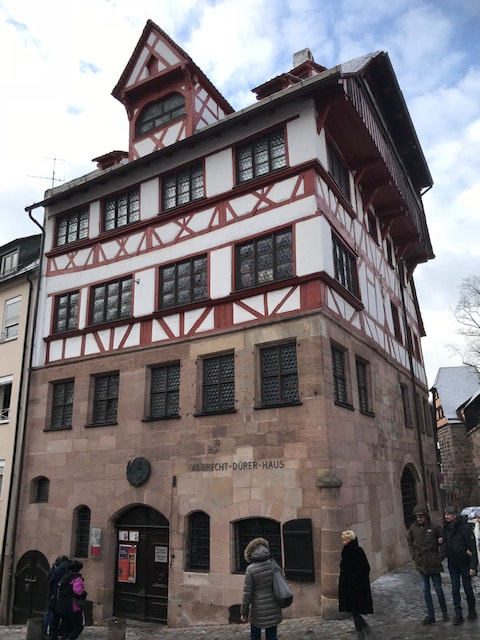 Being a history buff and art lover, no wonder Nuremburg is probably my favorite Christmas market to visit. I have visited this city a few times and its vibrant trendy town has significant cultural sites that I can never tire visiting. One of my favorite artists and one of Nuremberg’s most famous residents was Albrecht Durer. The 15th c. Northern Renaissance artist’s wood timber house is now a public museum showcasing his printing workshop, woodcuts, etchings and paintings. 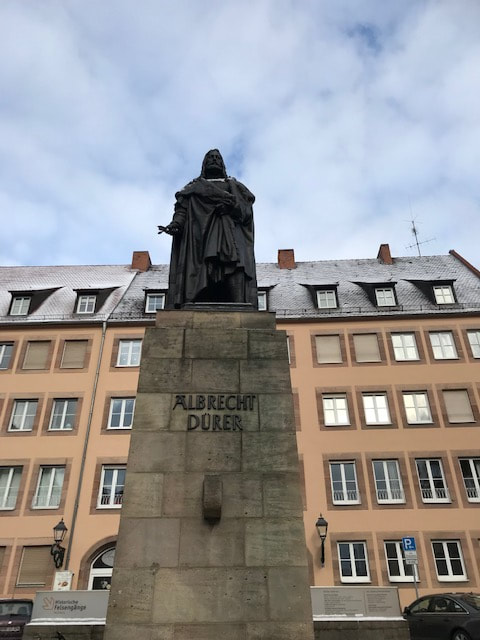 The Development of Printmaking, being engraving and woodcut, played a vital role in Northern Renaissance culture in disseminating knowledge, expanding social consciousness and transmitting artistic styles. Prints are made by pressing a sheet of paper against the print matrix to which ink has been applied. When the paper is removed, the image adheres to it in reverse. Engraving originated in Germany and the Nuremburg born, Albrecht Durer, was known as the talented vanguard woodcut artist and engraver in this art medium. Durer became the most important figure in the transition from Late Gothic to Renaissance style in Northern Europe. 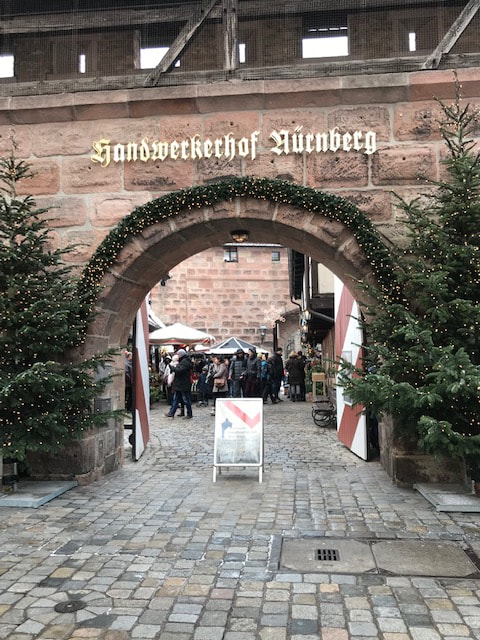 For the military history buffs, visit the Documentation Centre Nazi Party Rally Grounds located in the court house. This permanent exhibition explores the rise of the Nazi Party, and the German Resistance. The Nuremberg Trials took place at the Palace of Justice and this famous courtroom is still used today. In 1933, Hitler declared that Nuremberg should be the “City of the Nazi Party Rallies”. No wonder this city was virtually destroyed by the Allied Forces, yet one can see the remnants of some monumental buildings and roads used for Nazi events and parades. 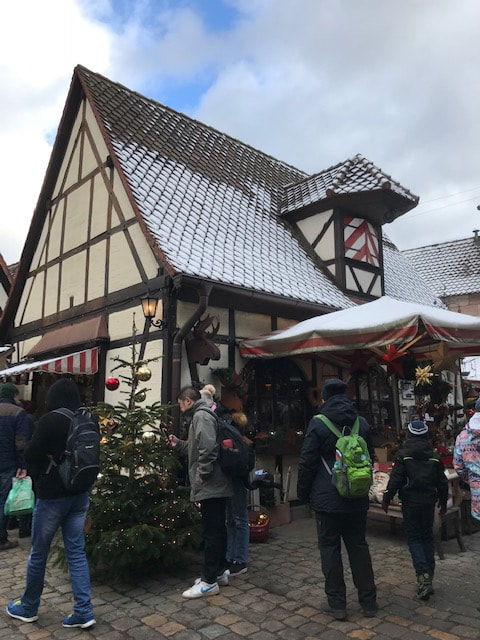 A fun visit to the toy museum exhibits historic toys that is enjoyed by both kids and adults. I must admit it was a bit jarring seeing the scary painted faces on the antique dolls. I did get a kick out of learning that my childhood Barbie doll was from German descent. 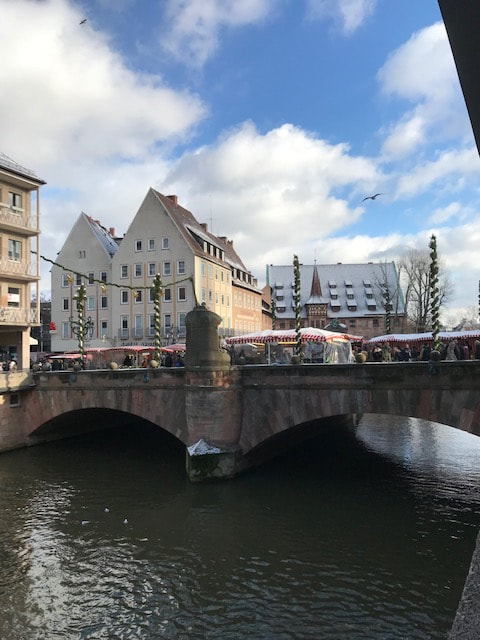 The Germanisches National museum houses one of Germany’s most important collections of artifacts. The objects range from prehistoric to modern and this museum is the country’s largest museum in cultural history. 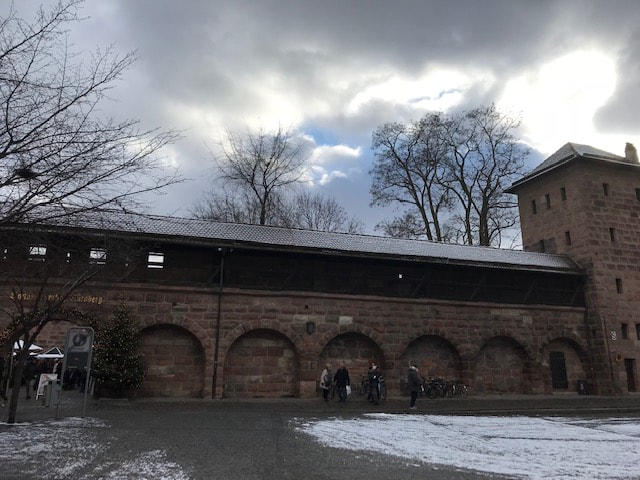 Another interesting subject, for me, is the German Railway Museum. Nuremberg is the birthplace of the German railway and this exhibition shows from the development to the modern train system. 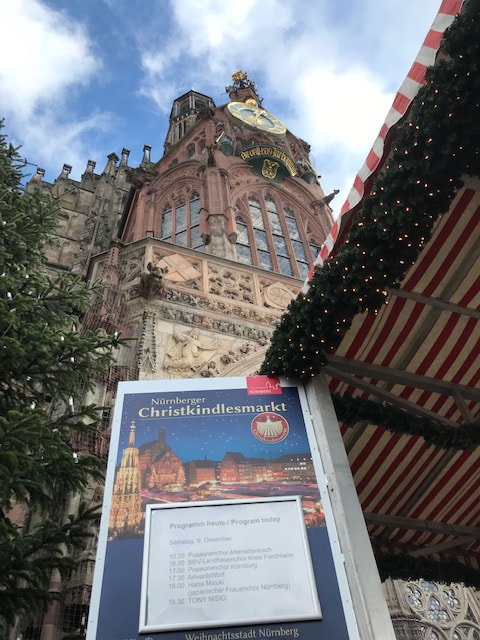 The Nuremberg Castle dominates the historical center and can be seen from many points. This 11th century group of medieval fortified buildings was once the most important imperial castle of the Holy Roman Empire. 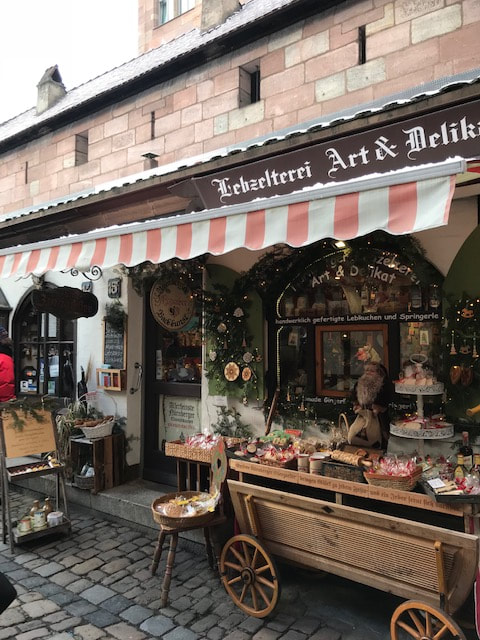 I can easily spend a few days in Nuremberg any time of year, yet I especially enjoy this season to feel the festive ambience and sightseeing around town to take in a few cultural sites. Worth a visit and google to delve deeper into Nuremberg’s rich and long culture.
|
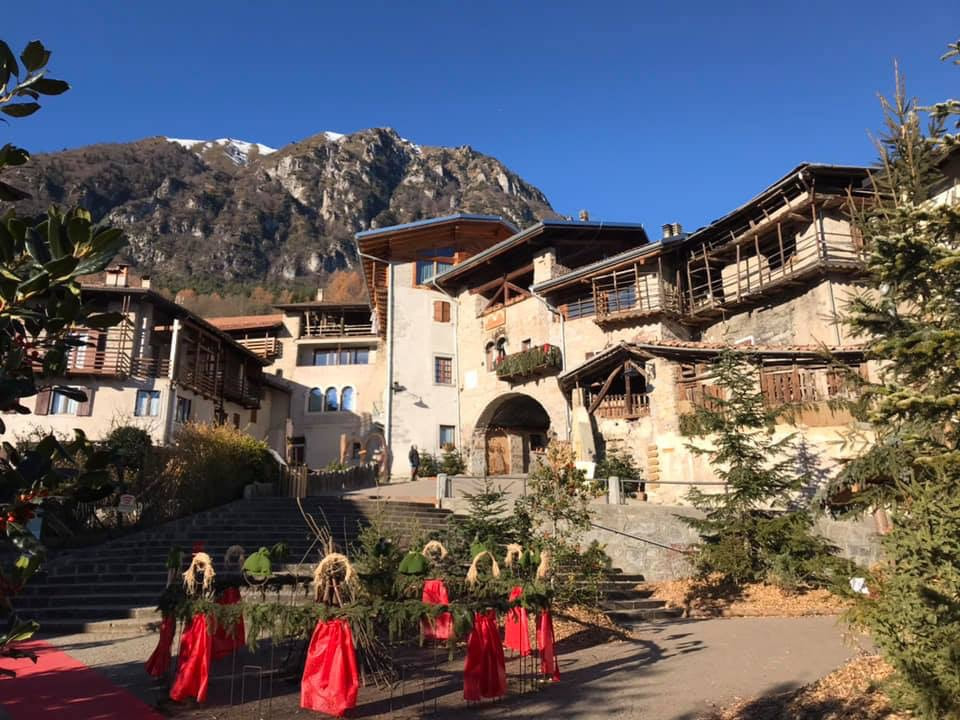
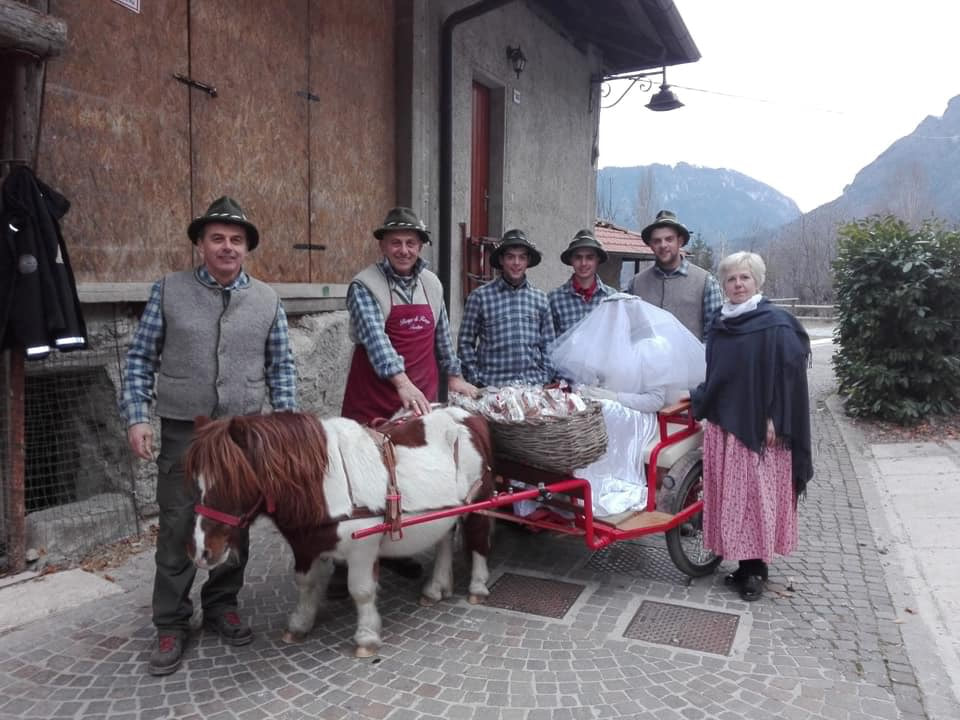
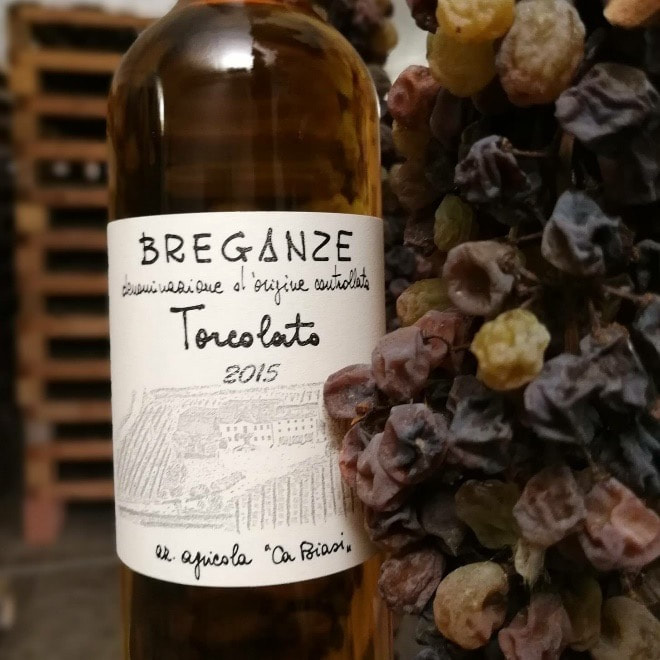
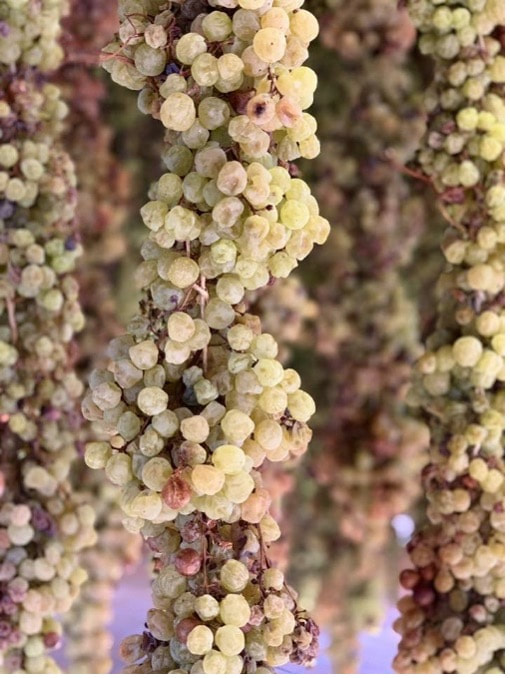
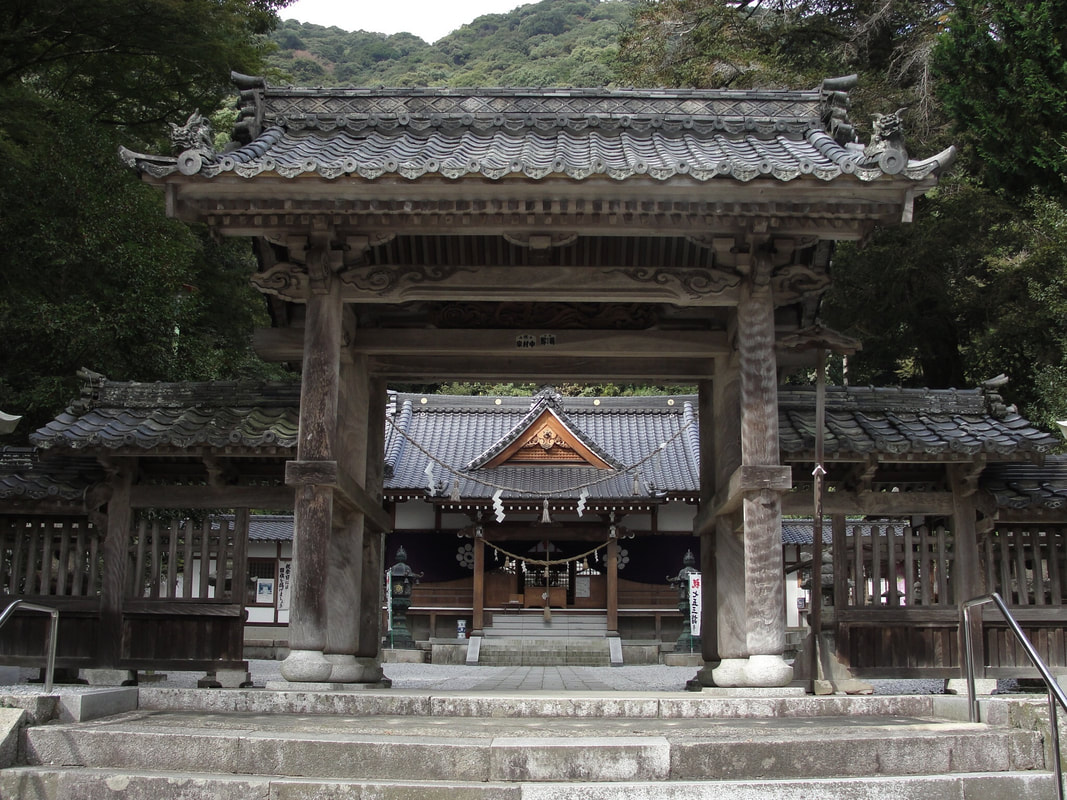
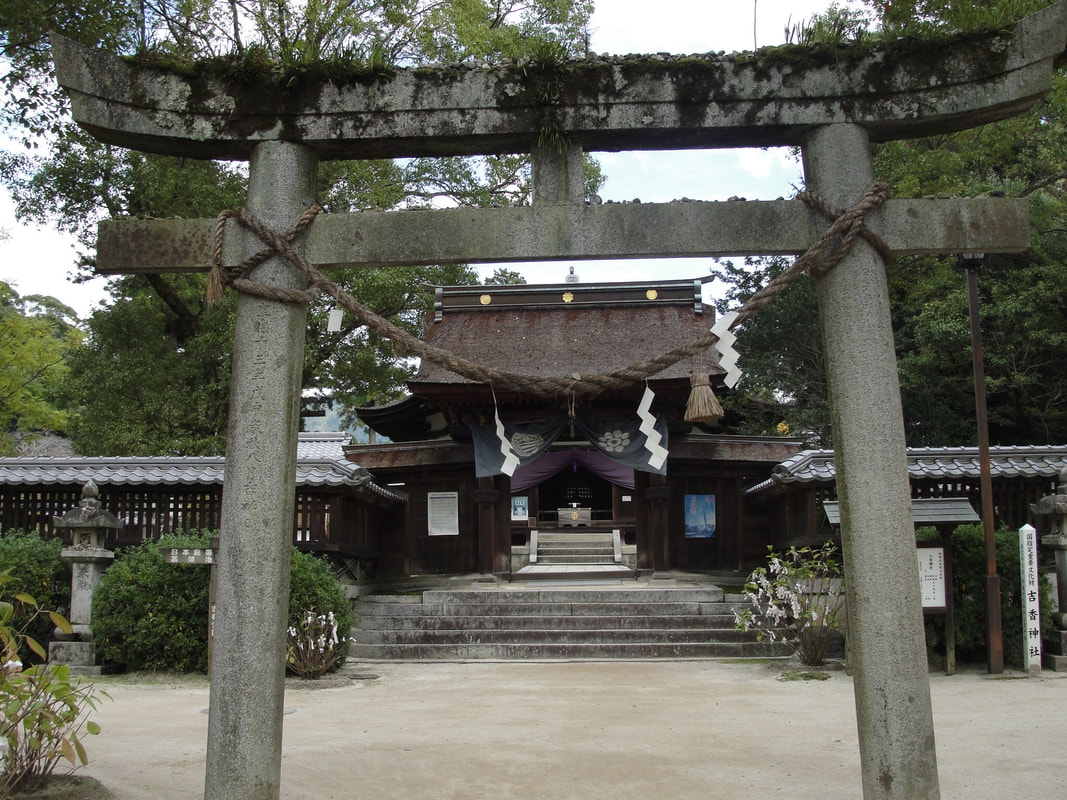
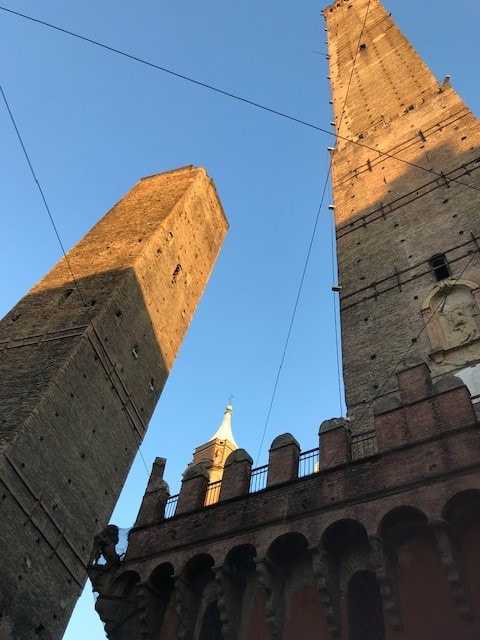
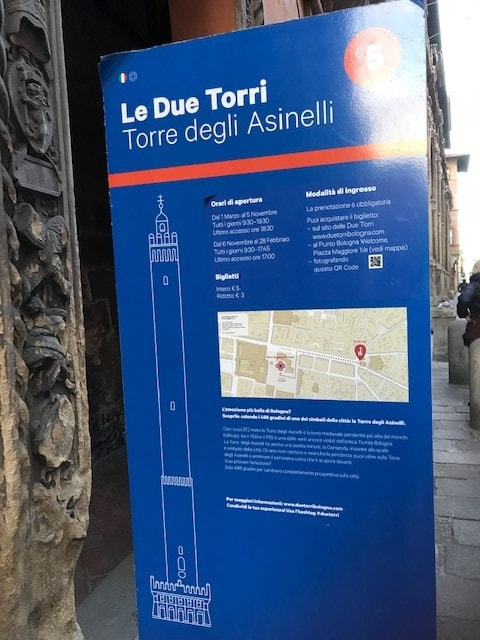
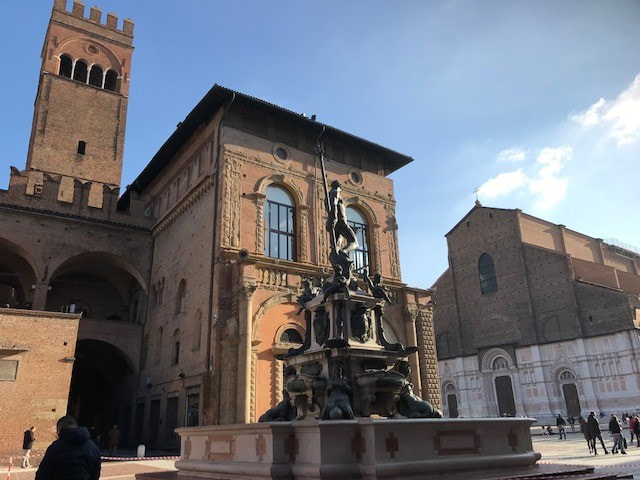
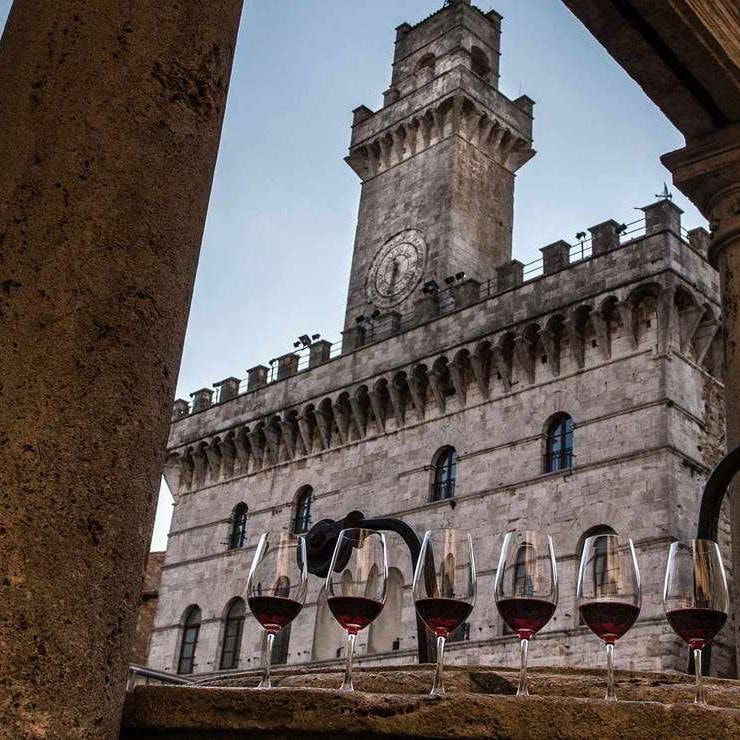
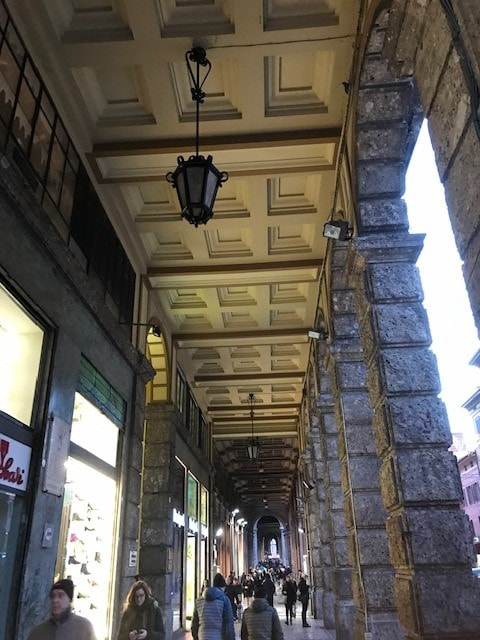
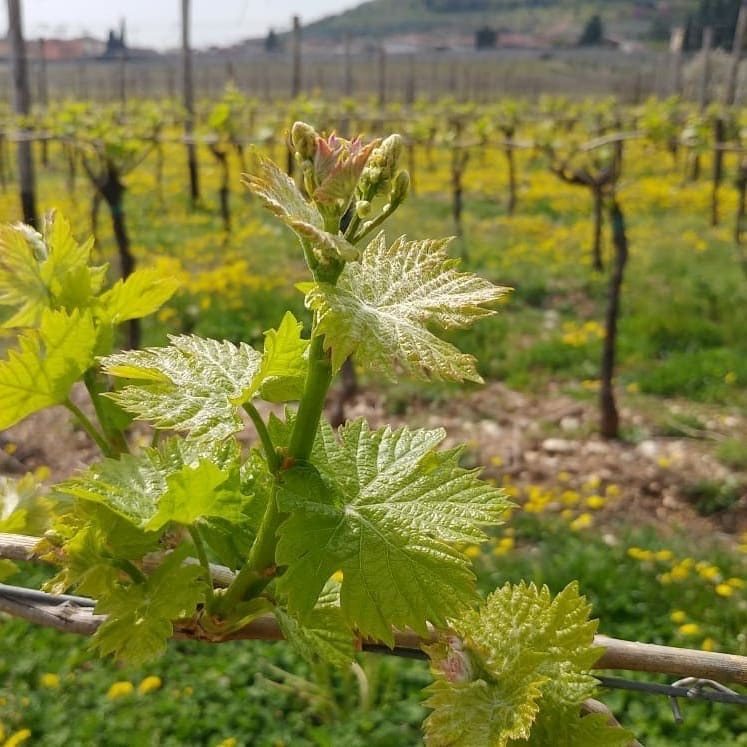
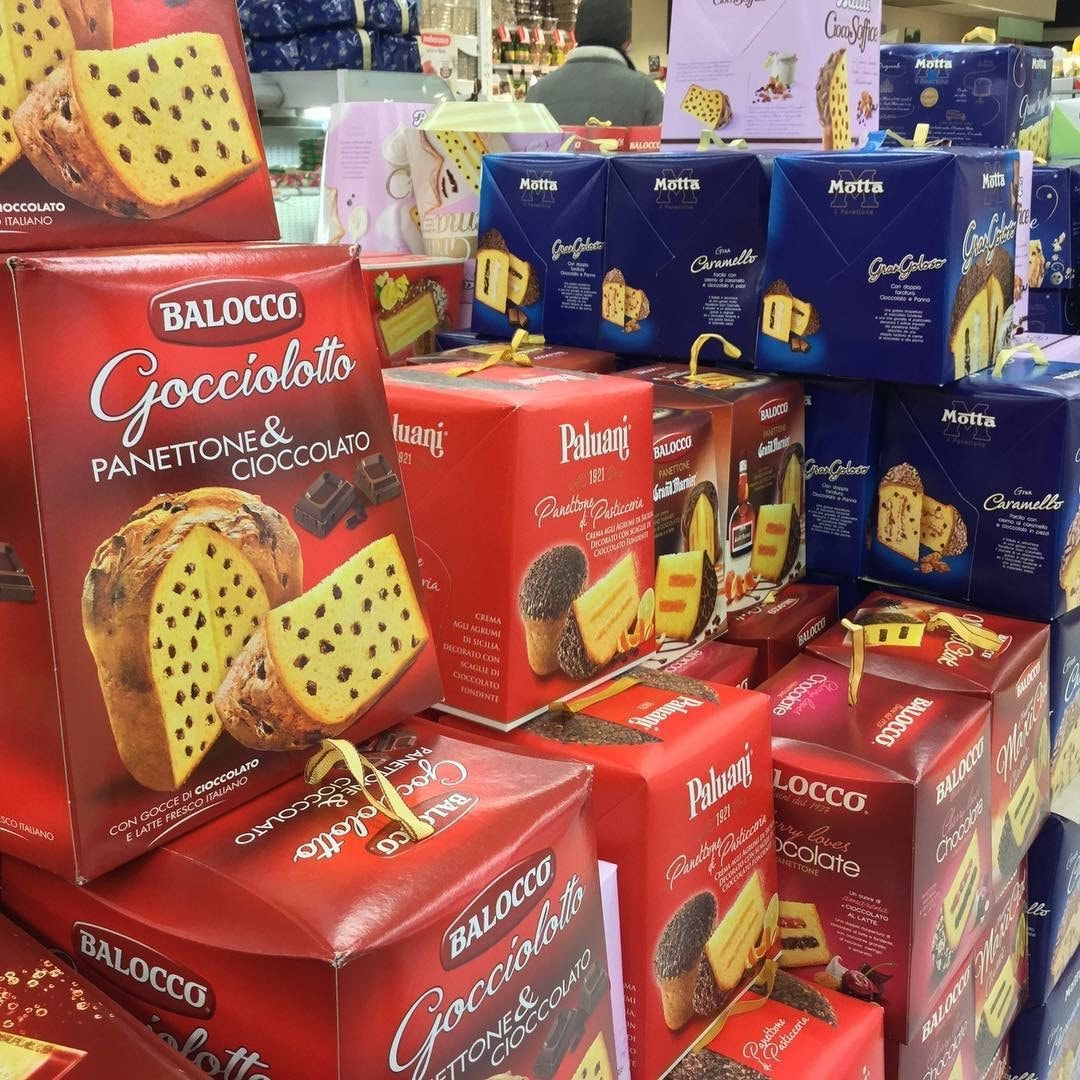
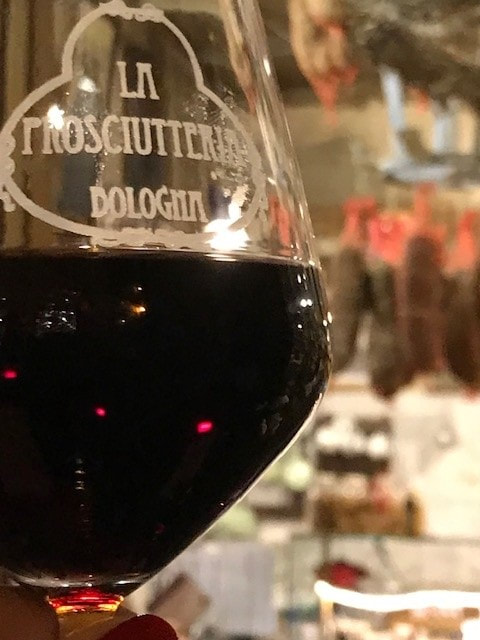
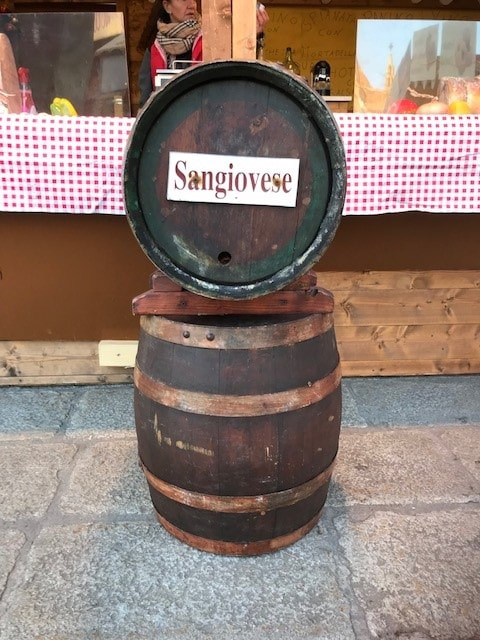
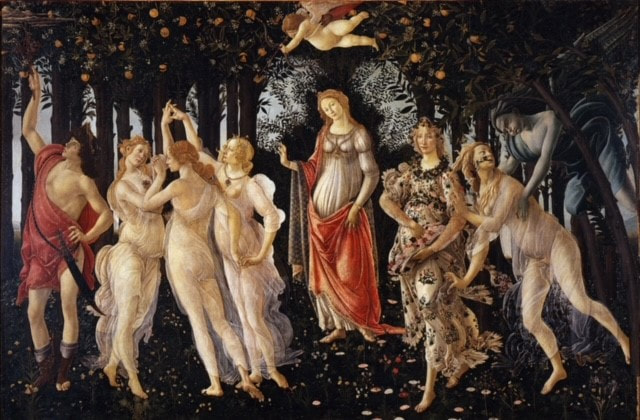
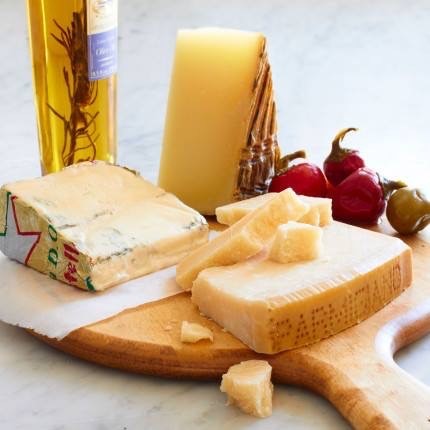
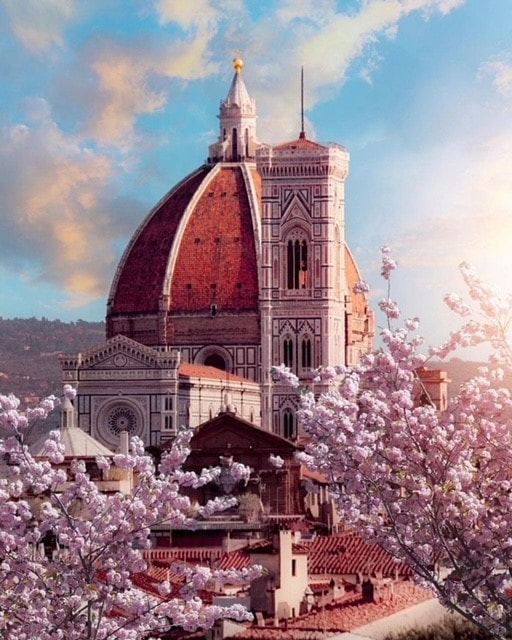
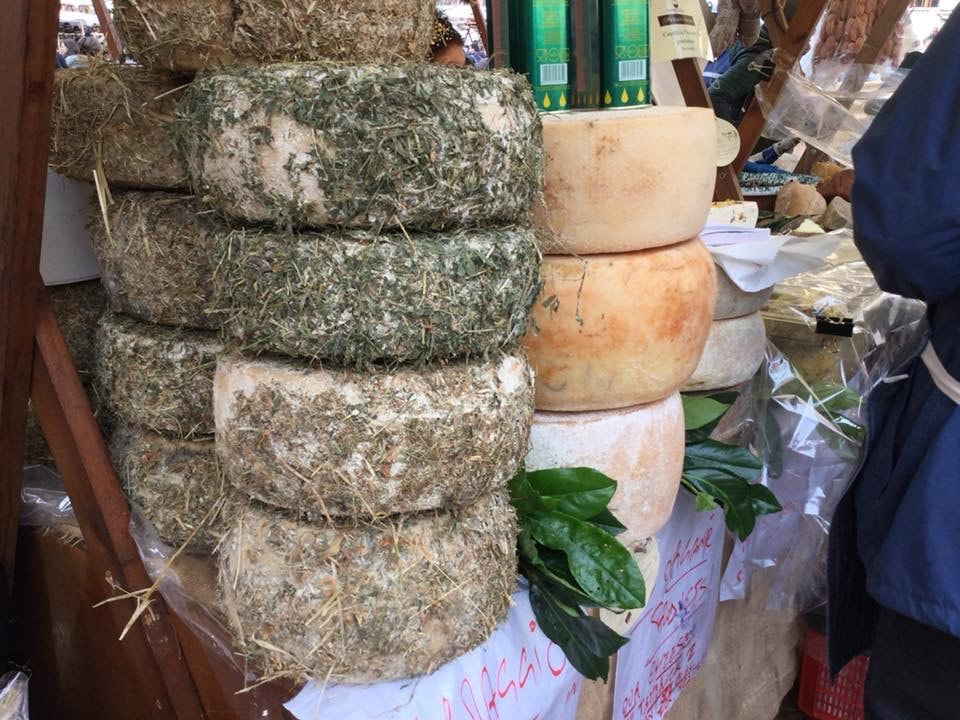
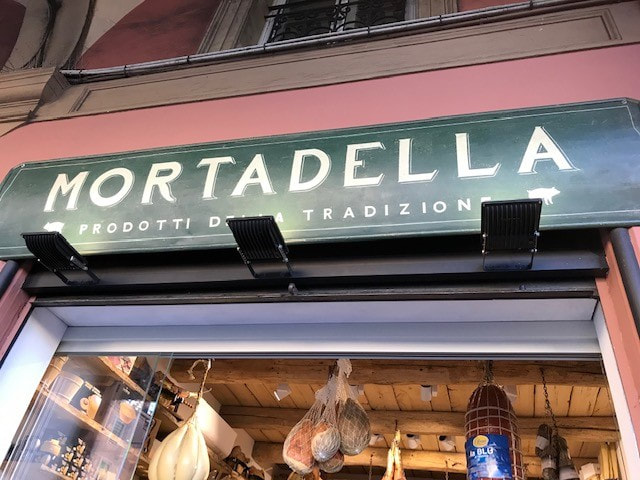
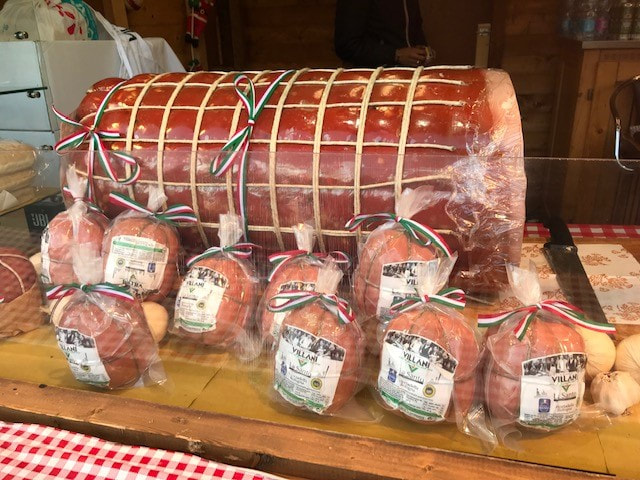
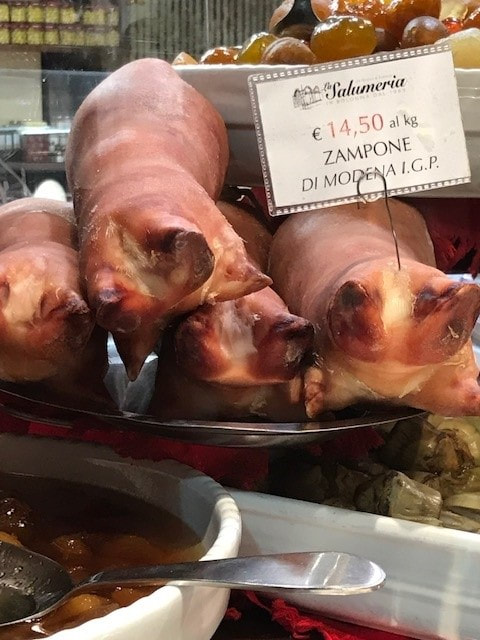
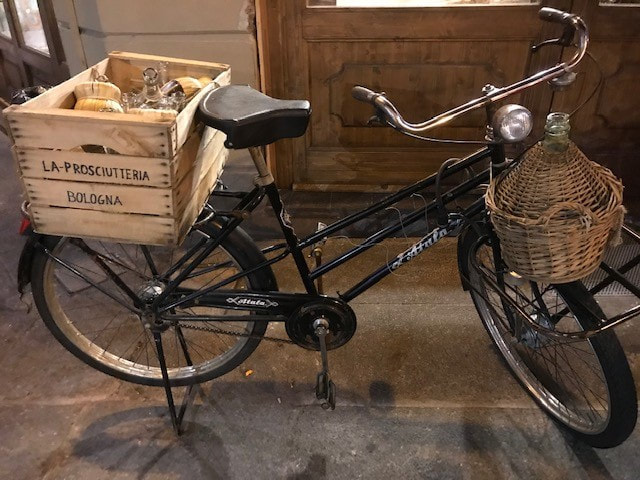
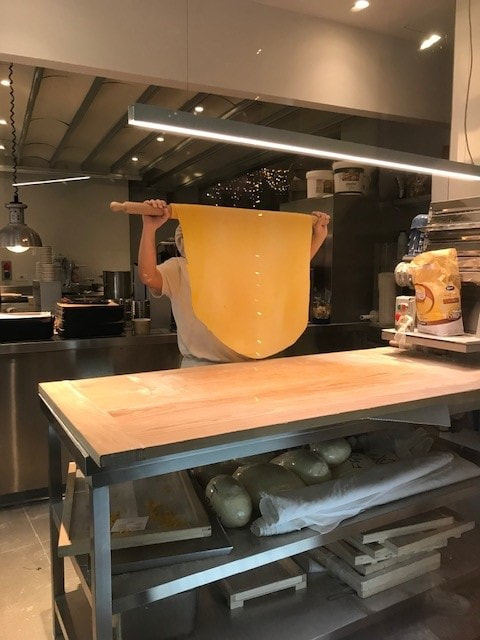
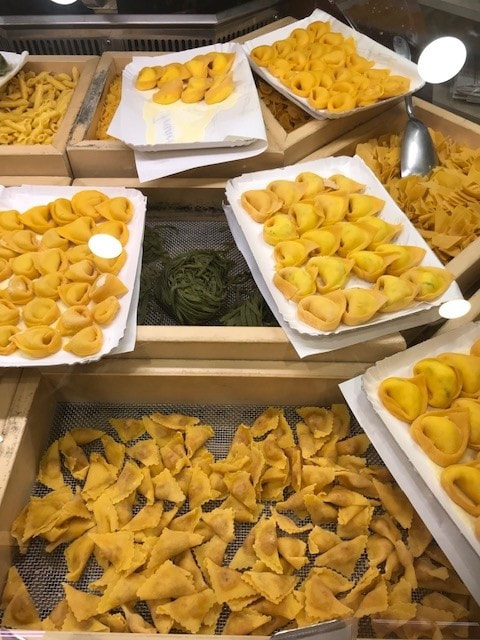
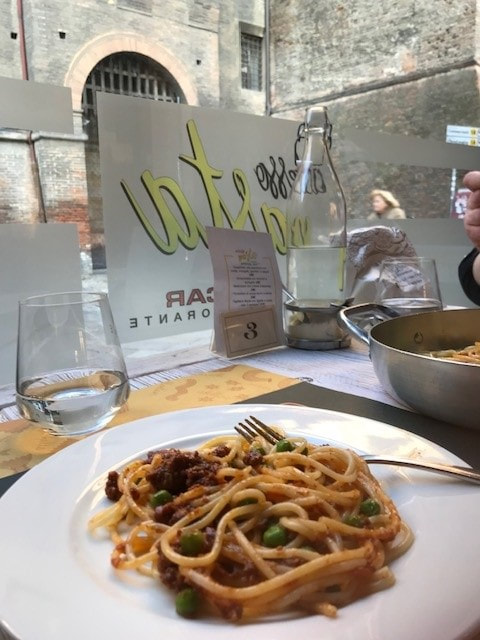
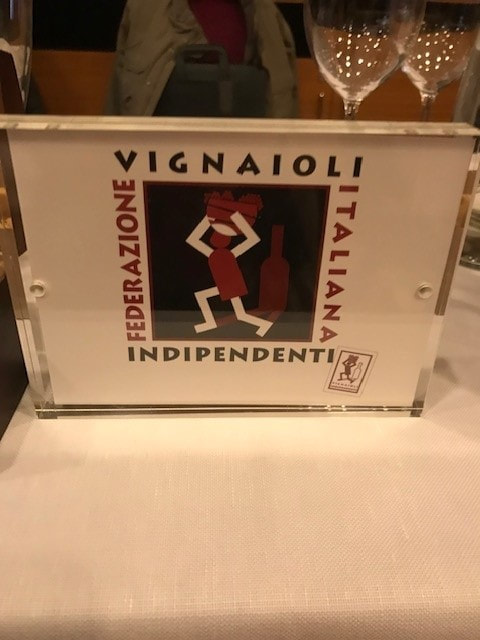
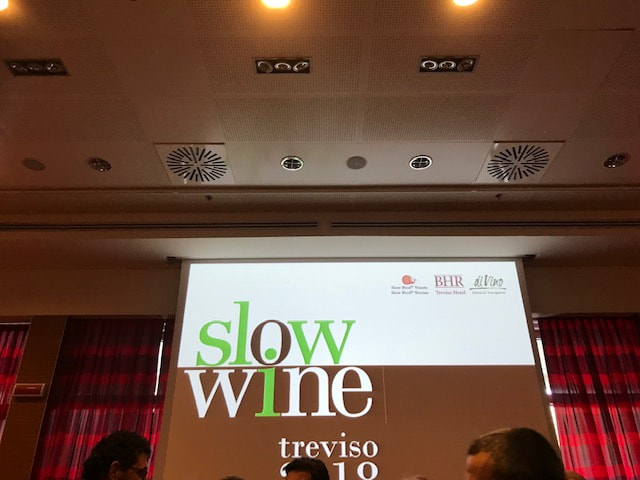

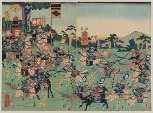
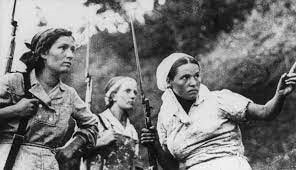
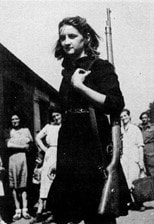
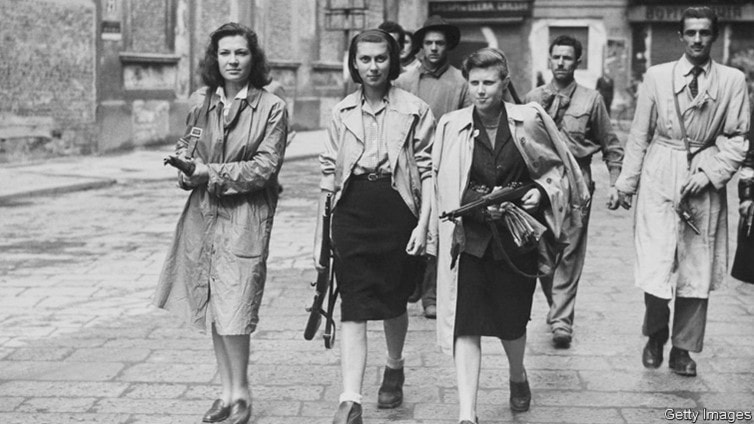
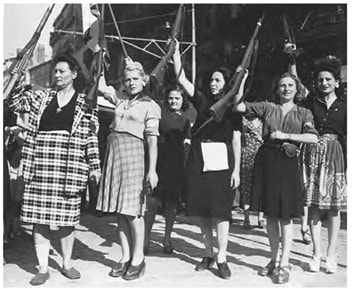
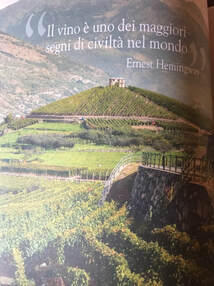
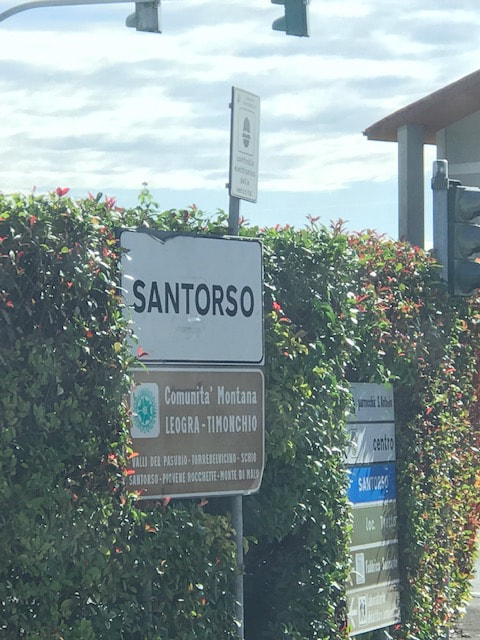
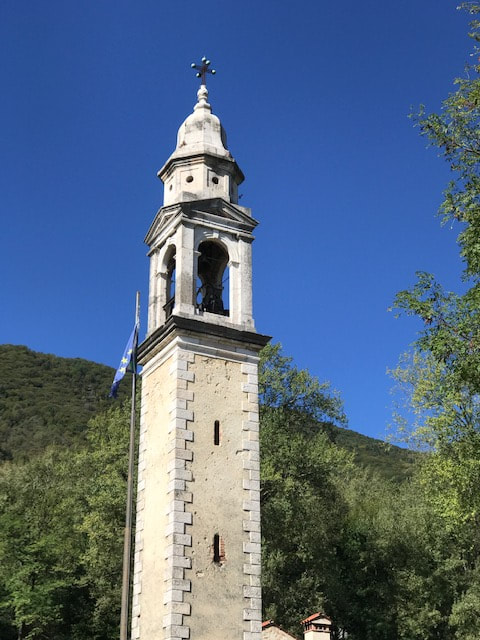
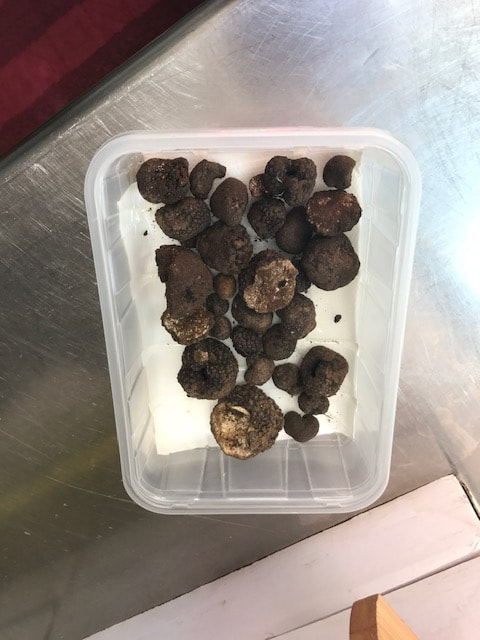
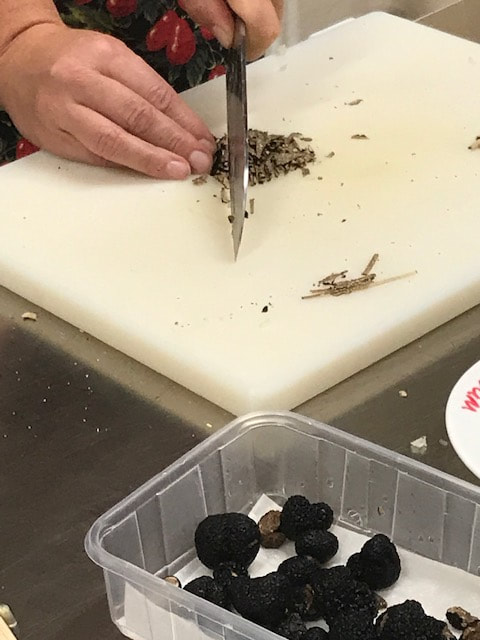
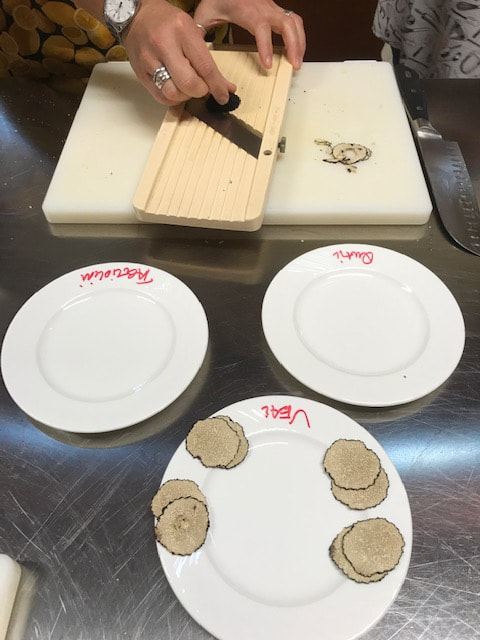
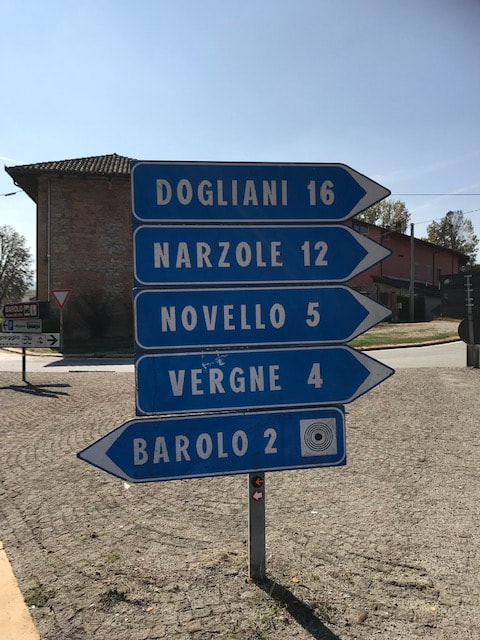
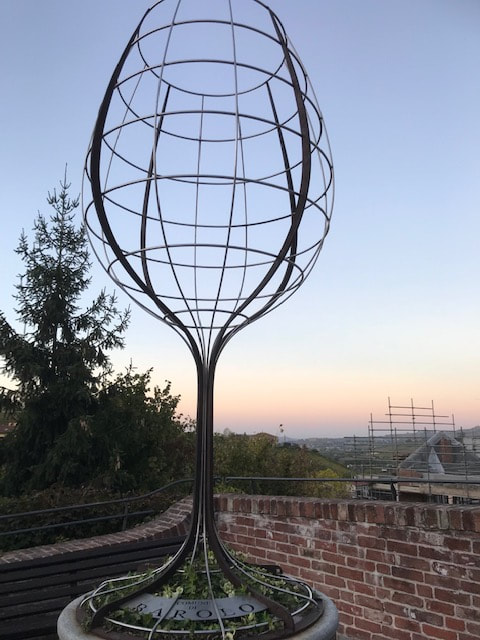
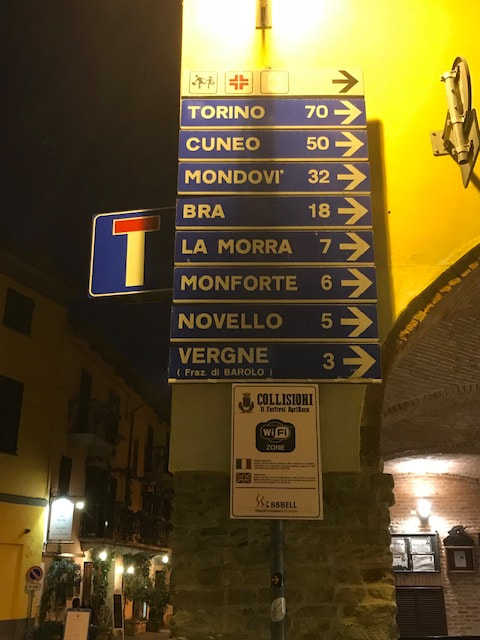
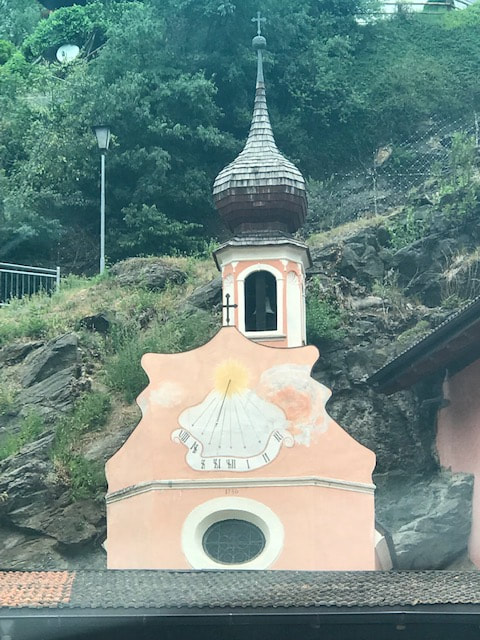
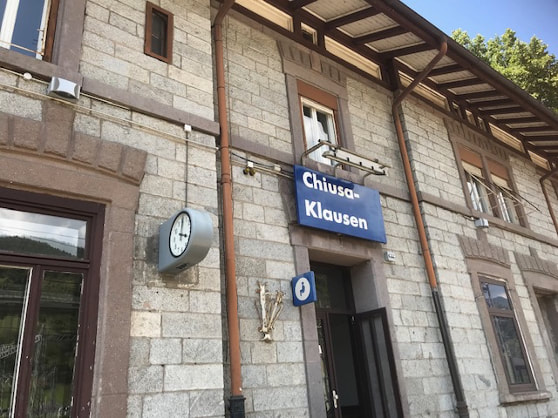
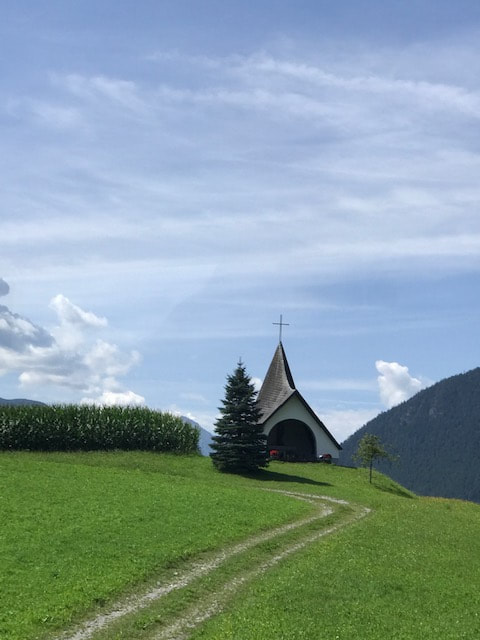
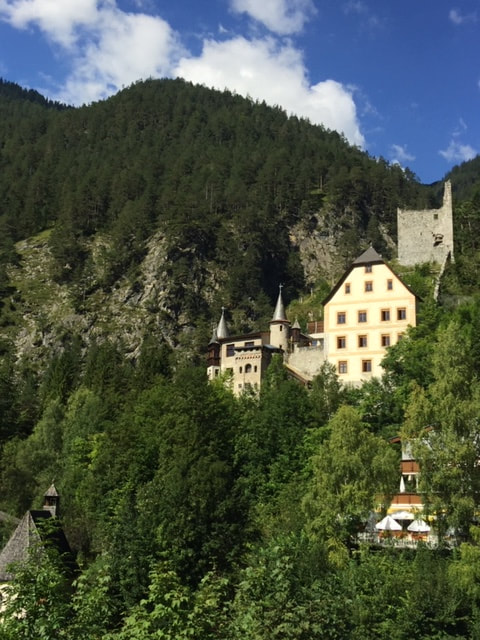
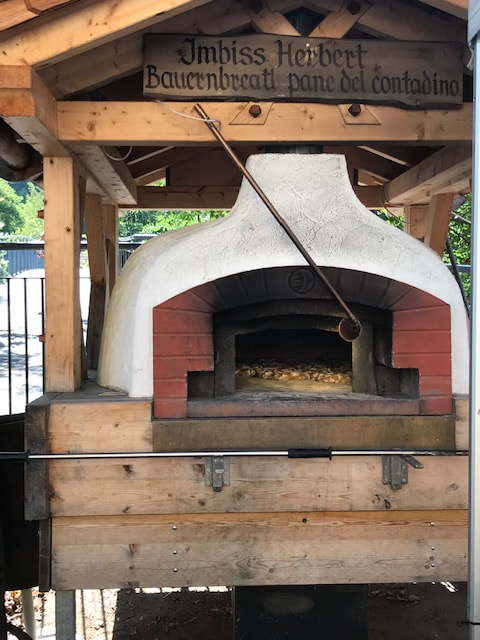
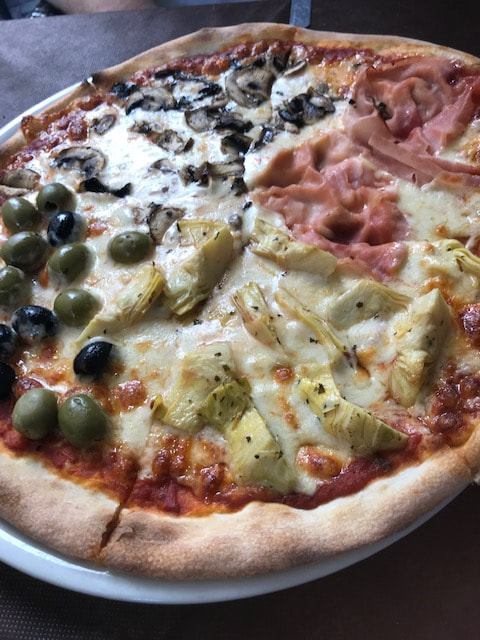
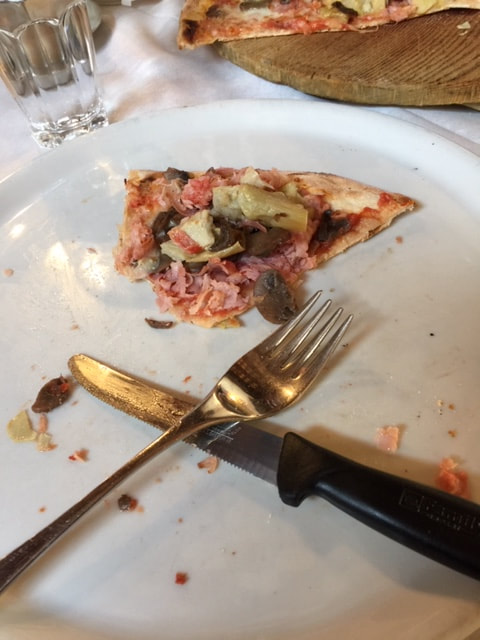
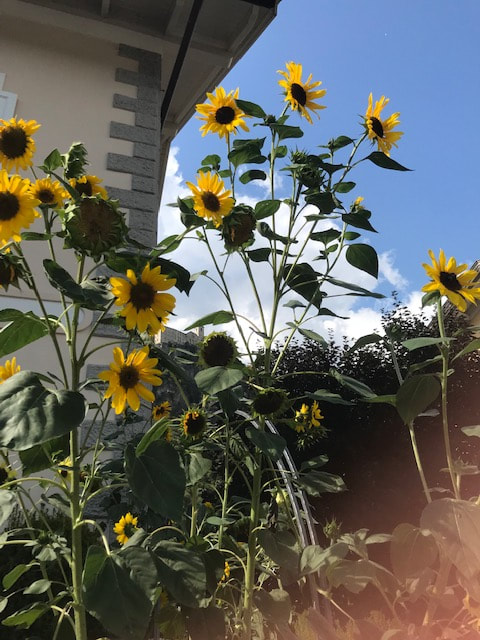
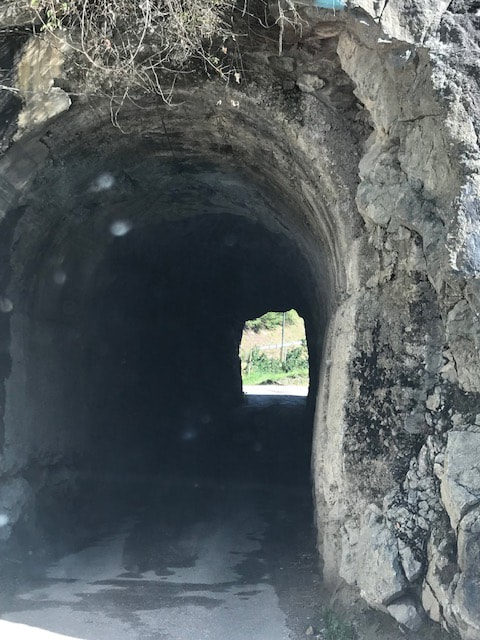
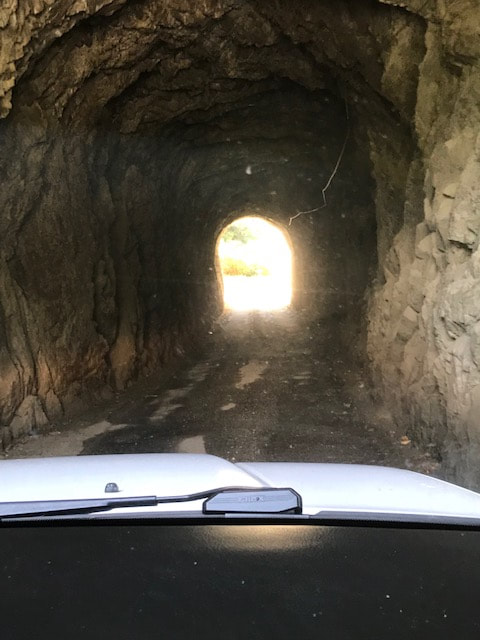
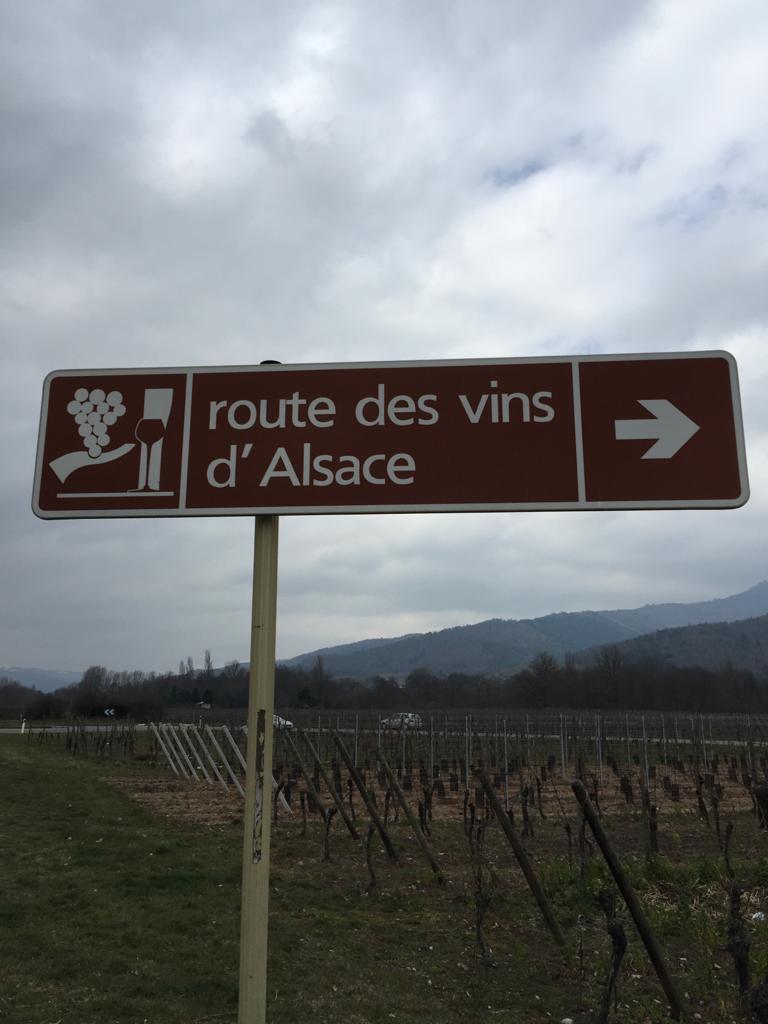
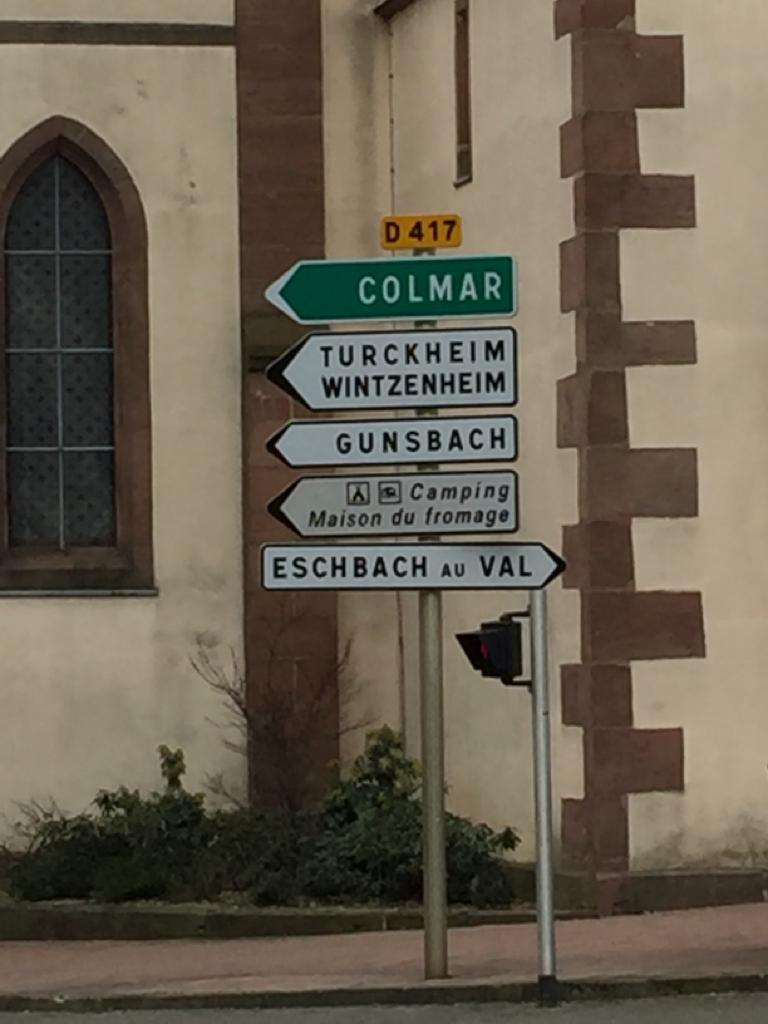
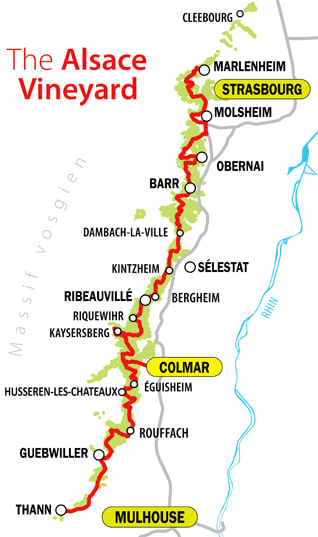
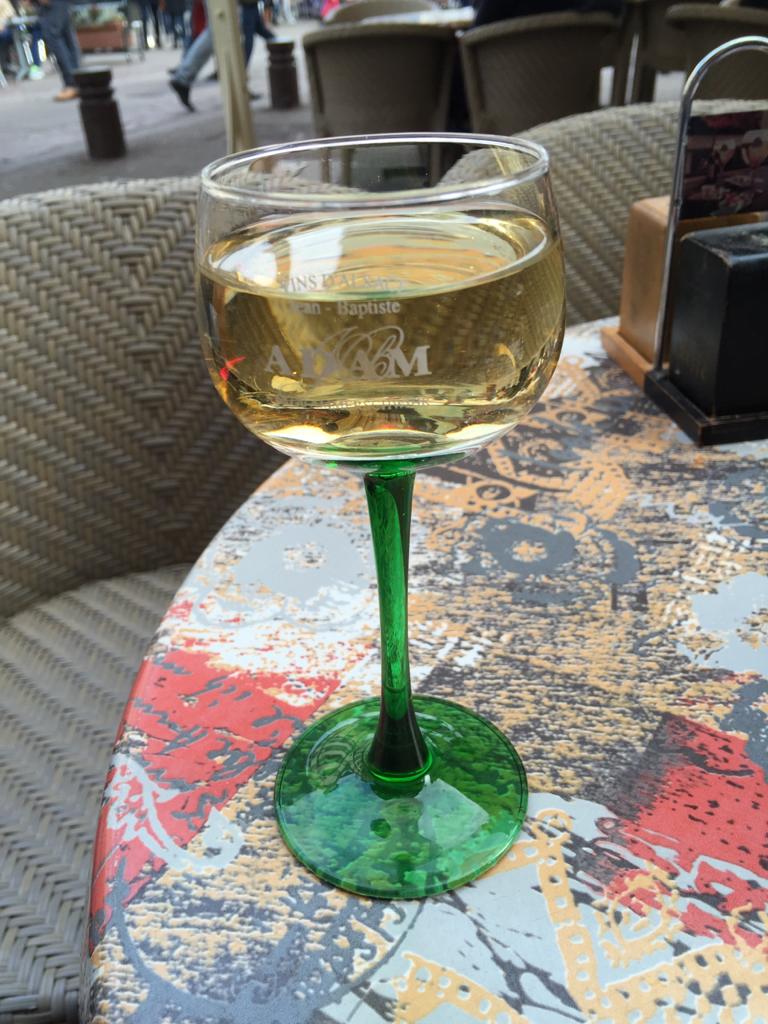
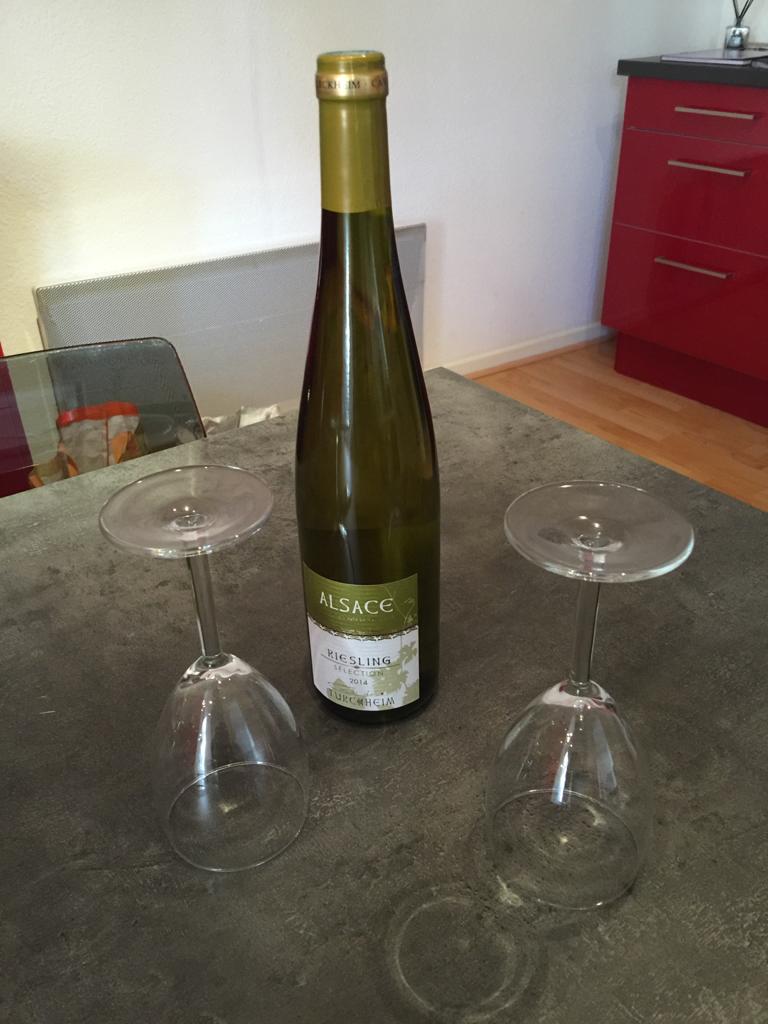
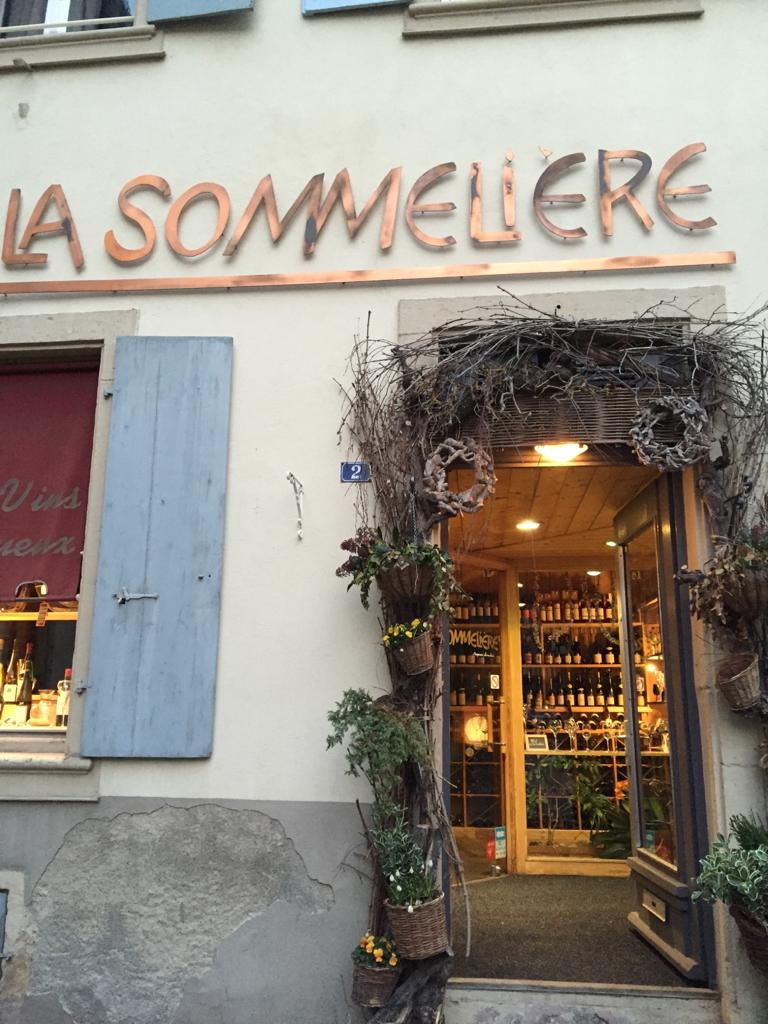
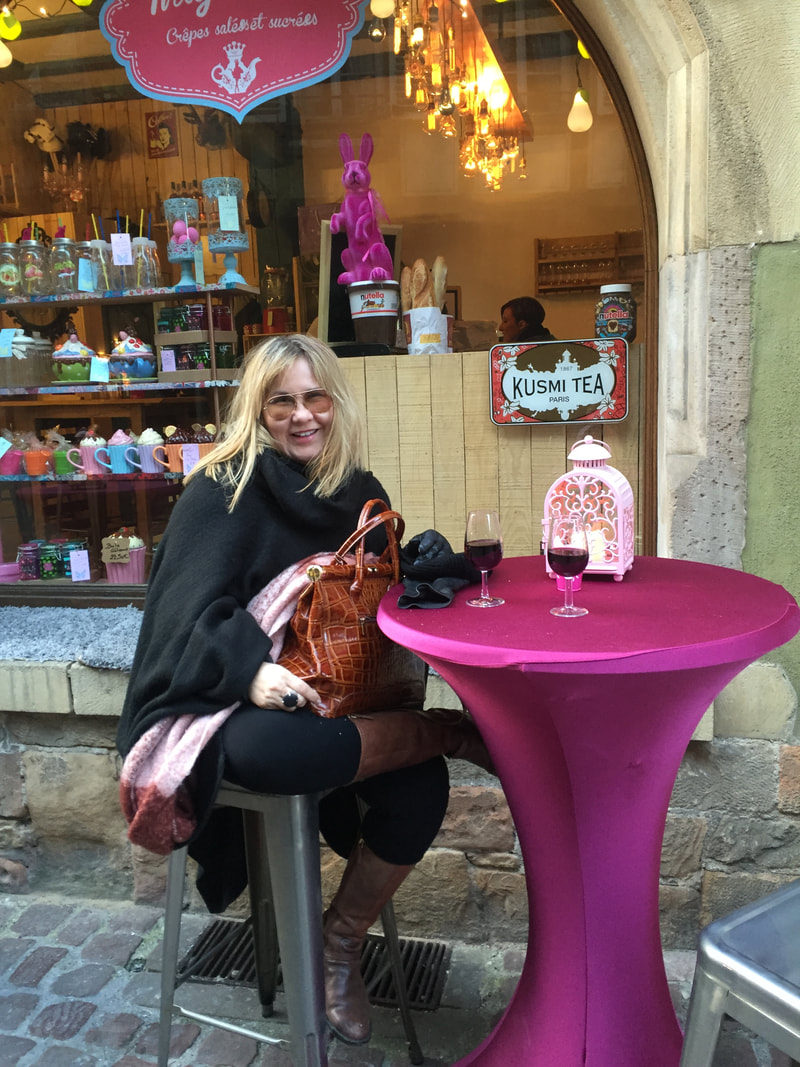
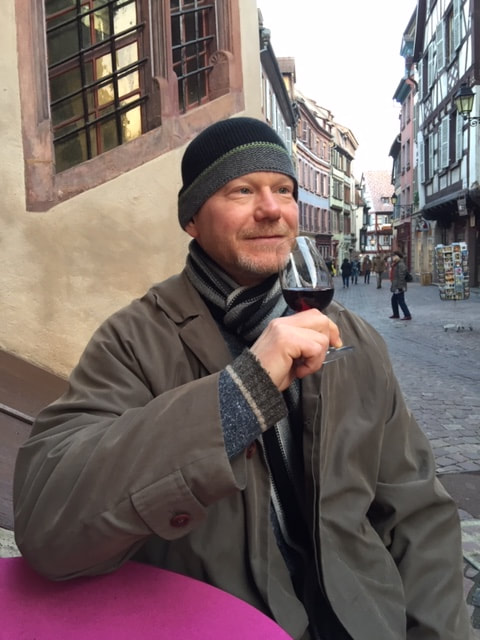
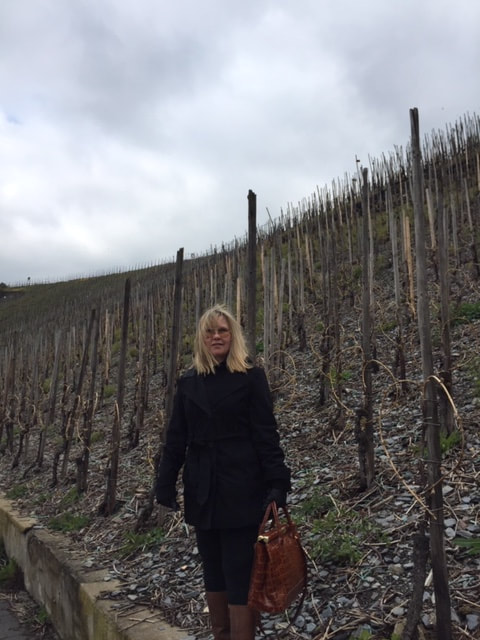
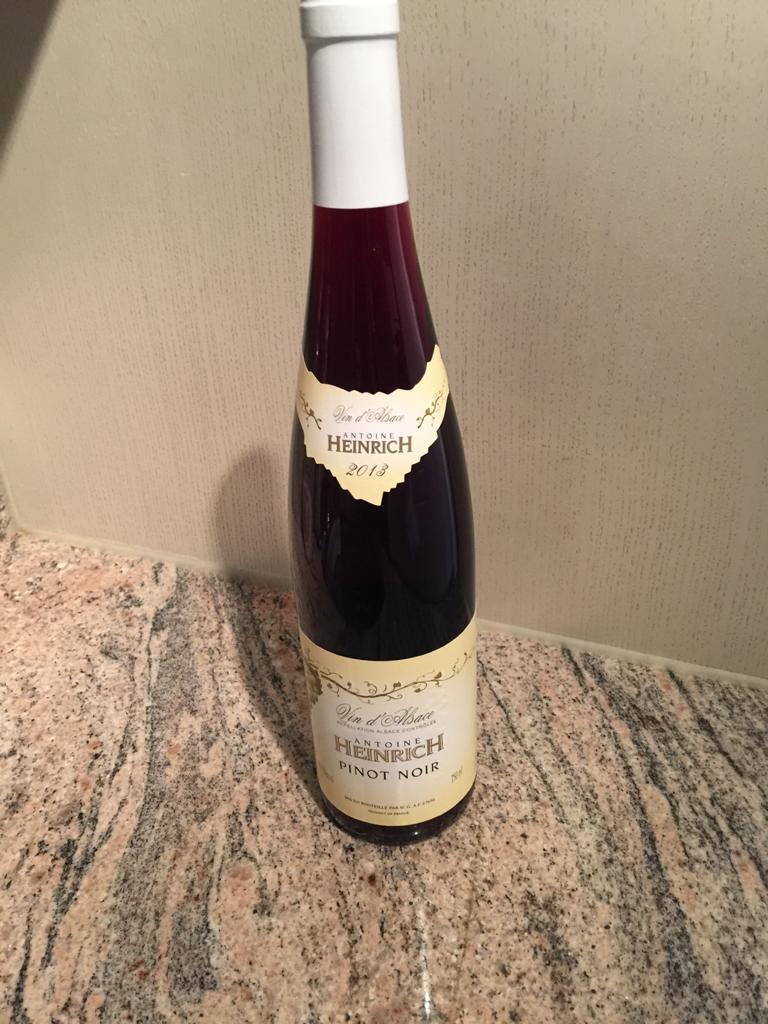
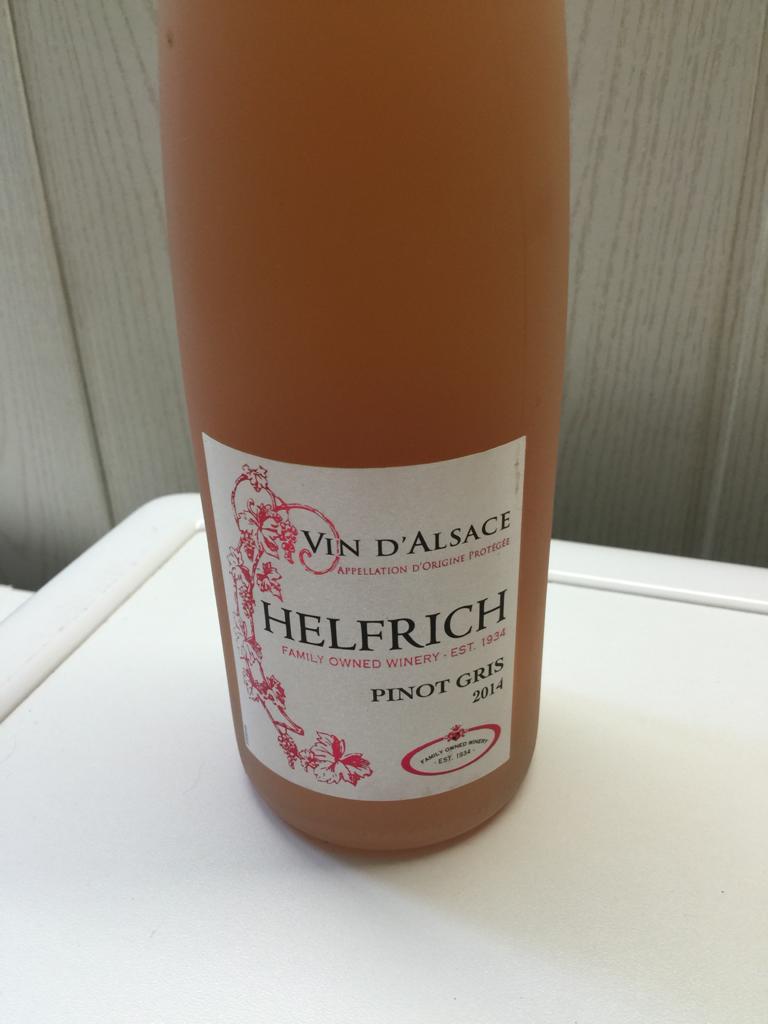
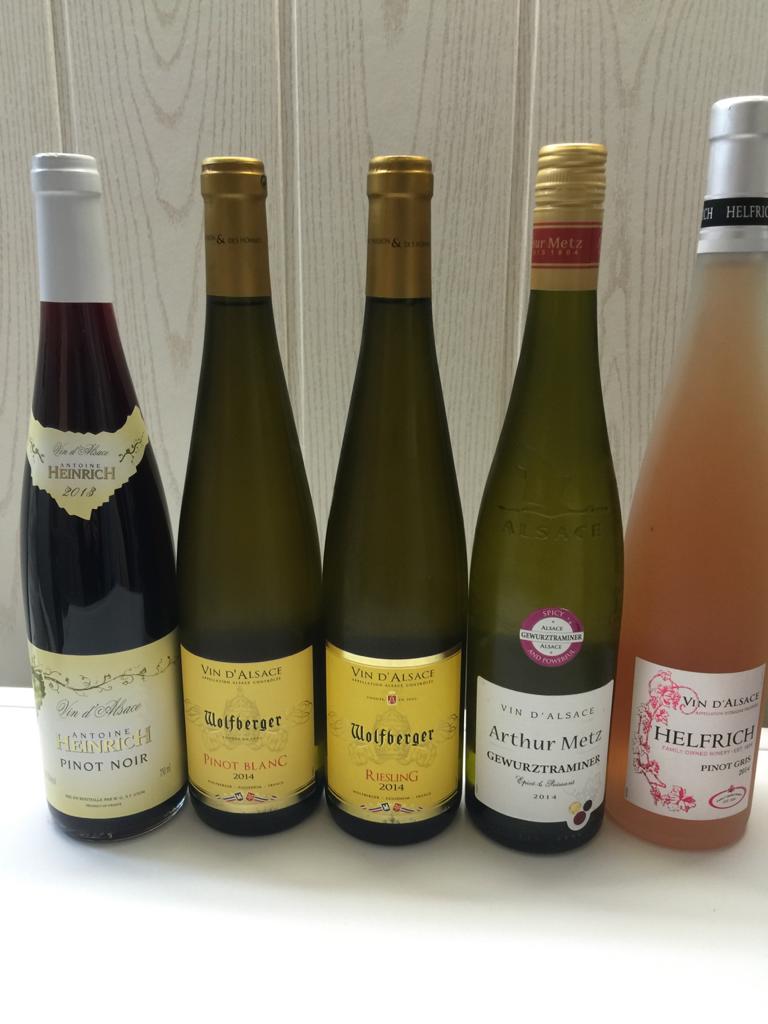
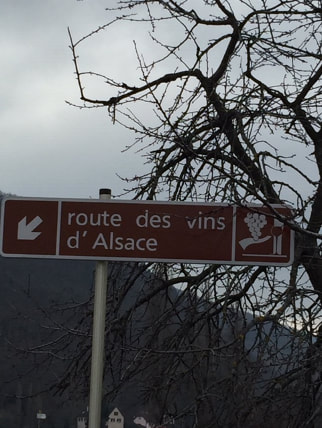
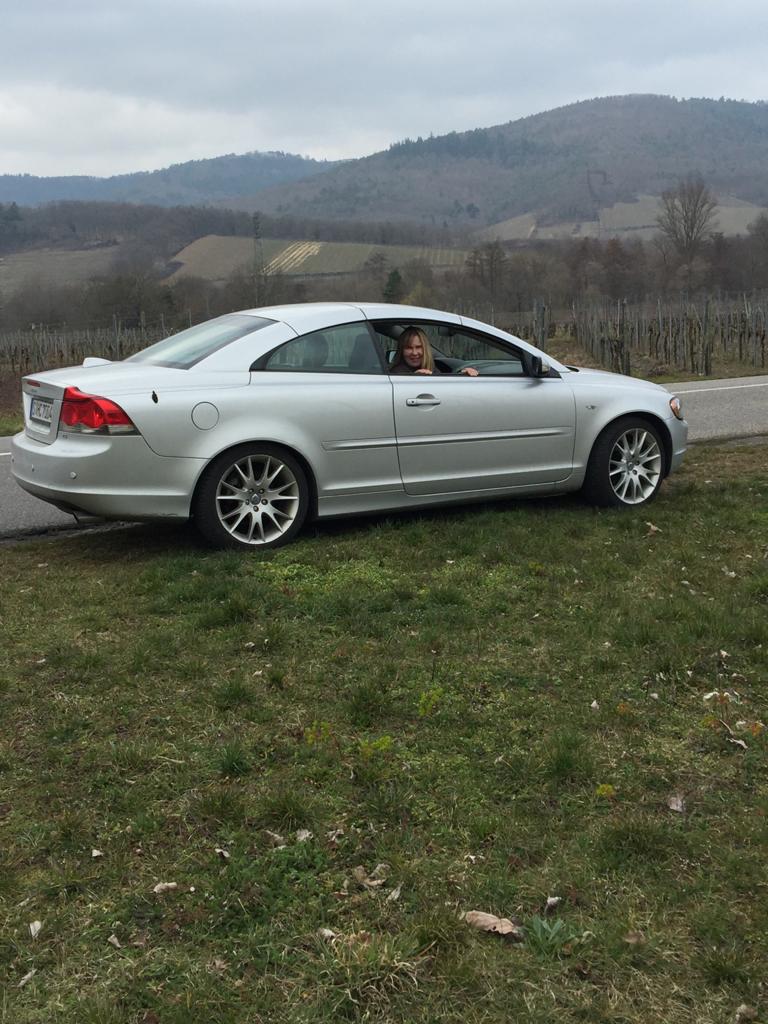
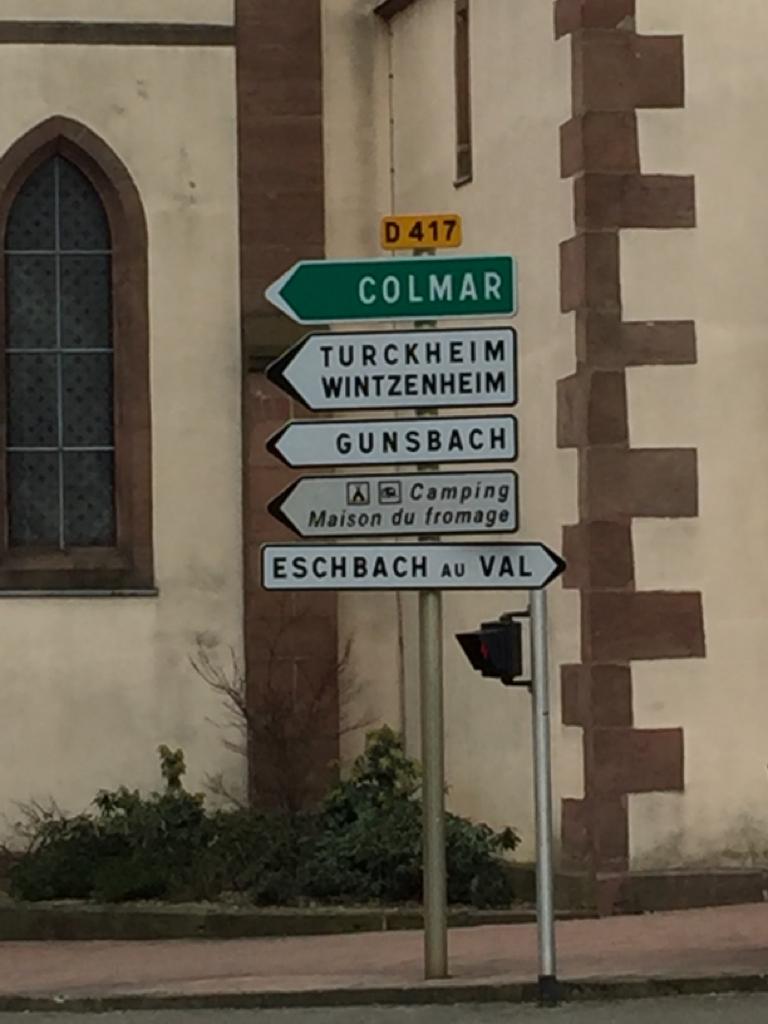
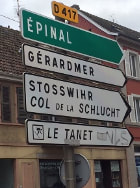
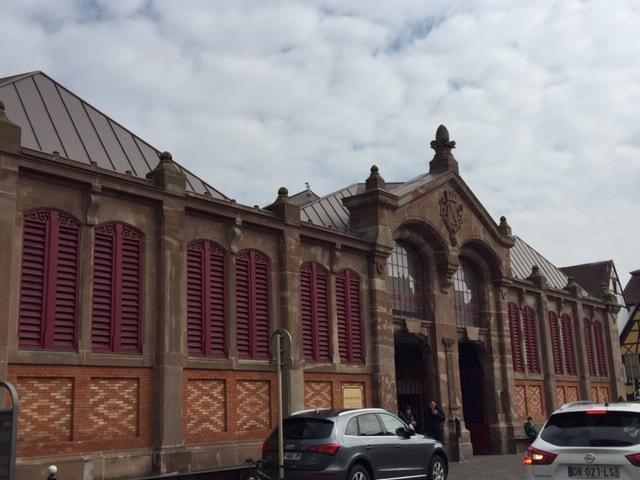
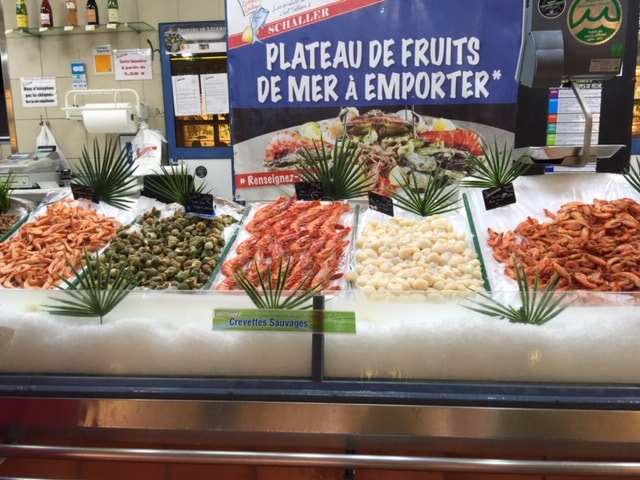
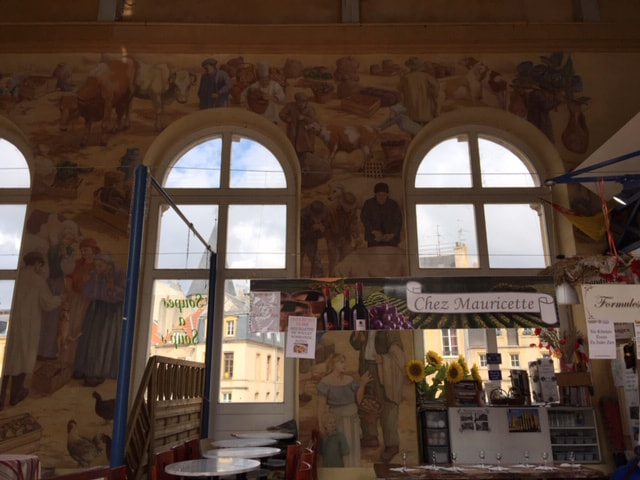
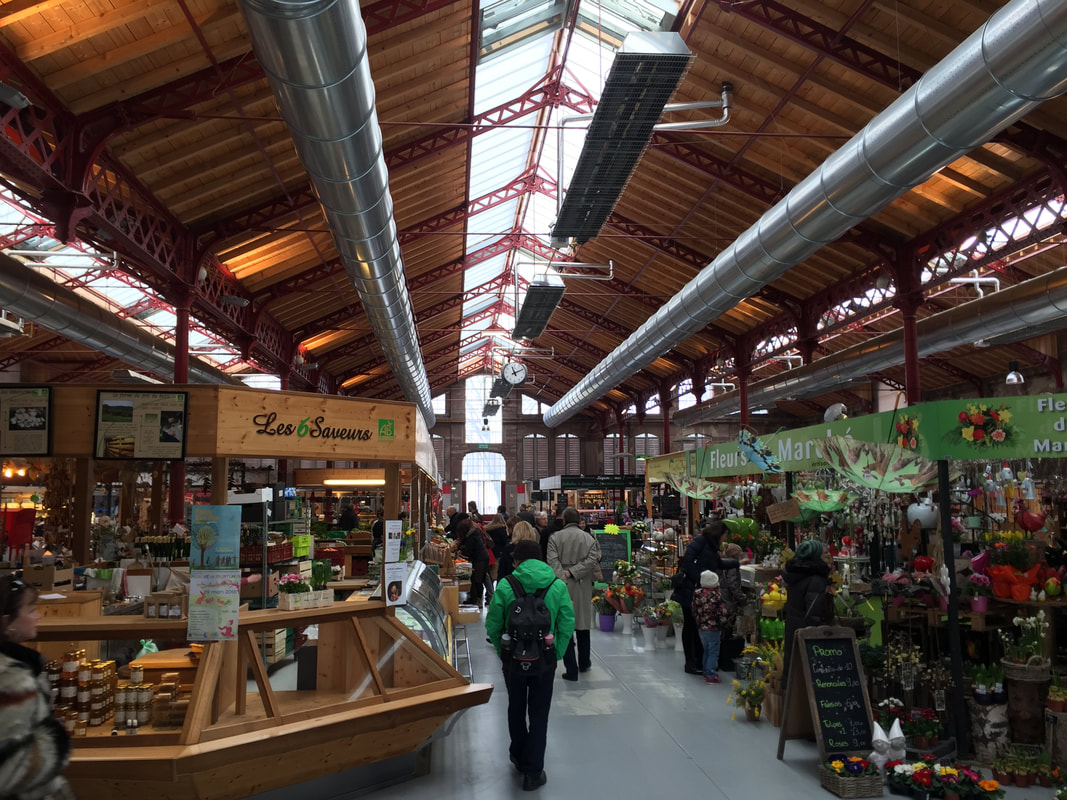
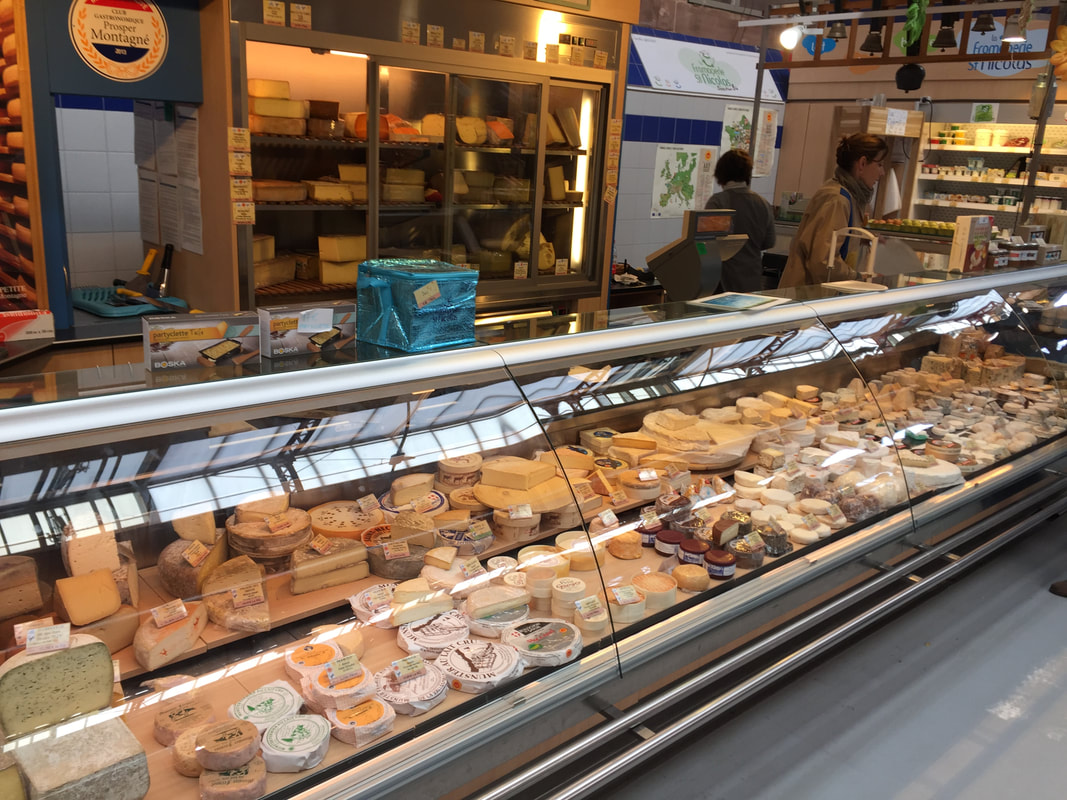
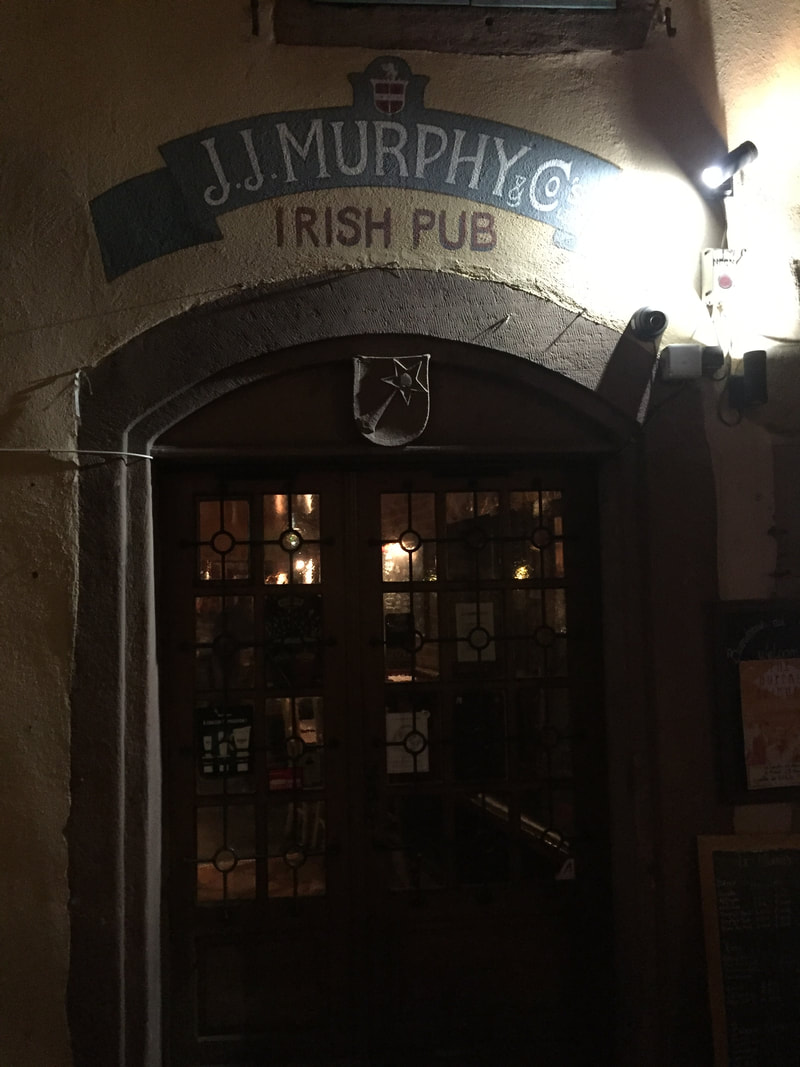
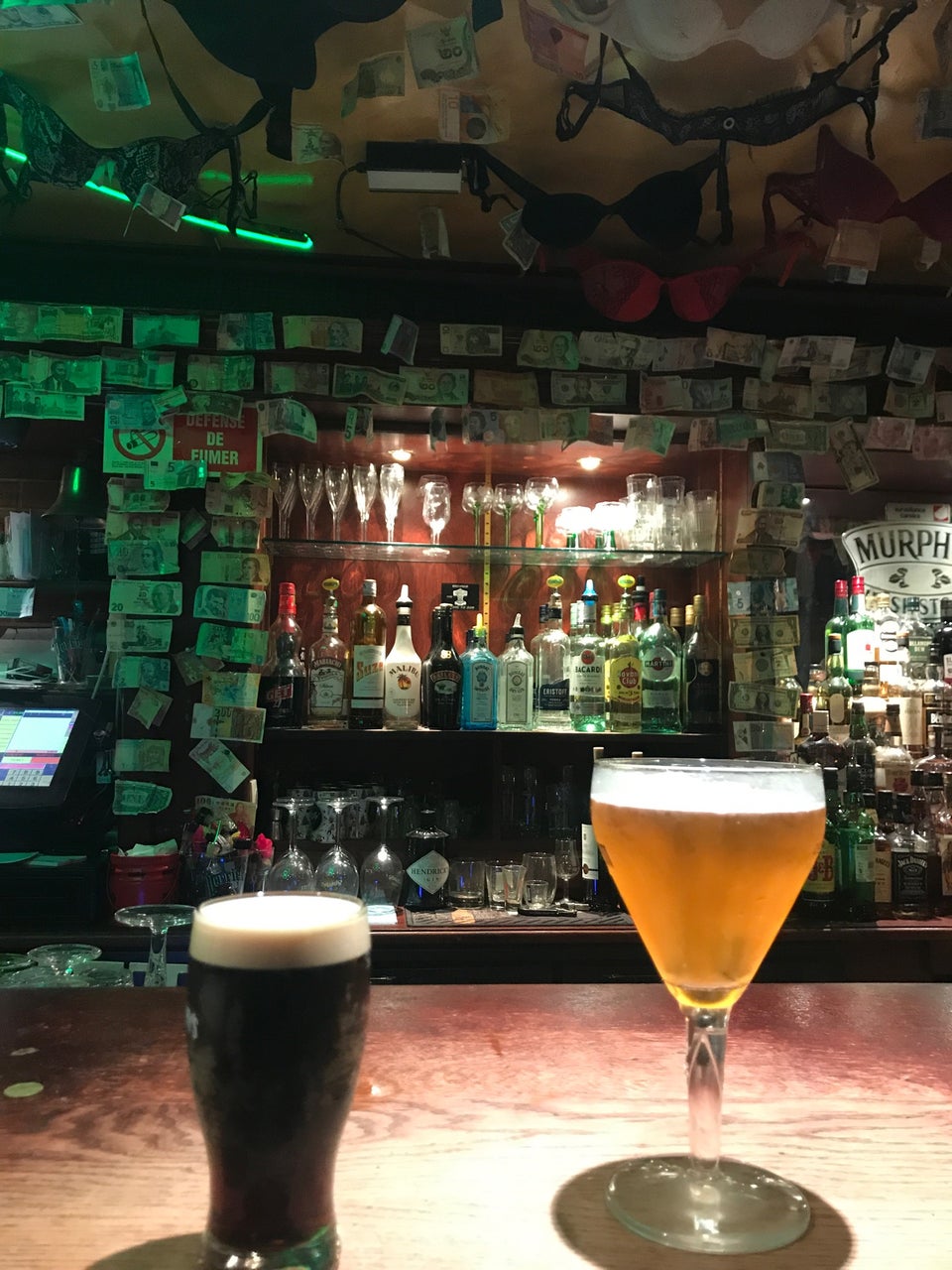
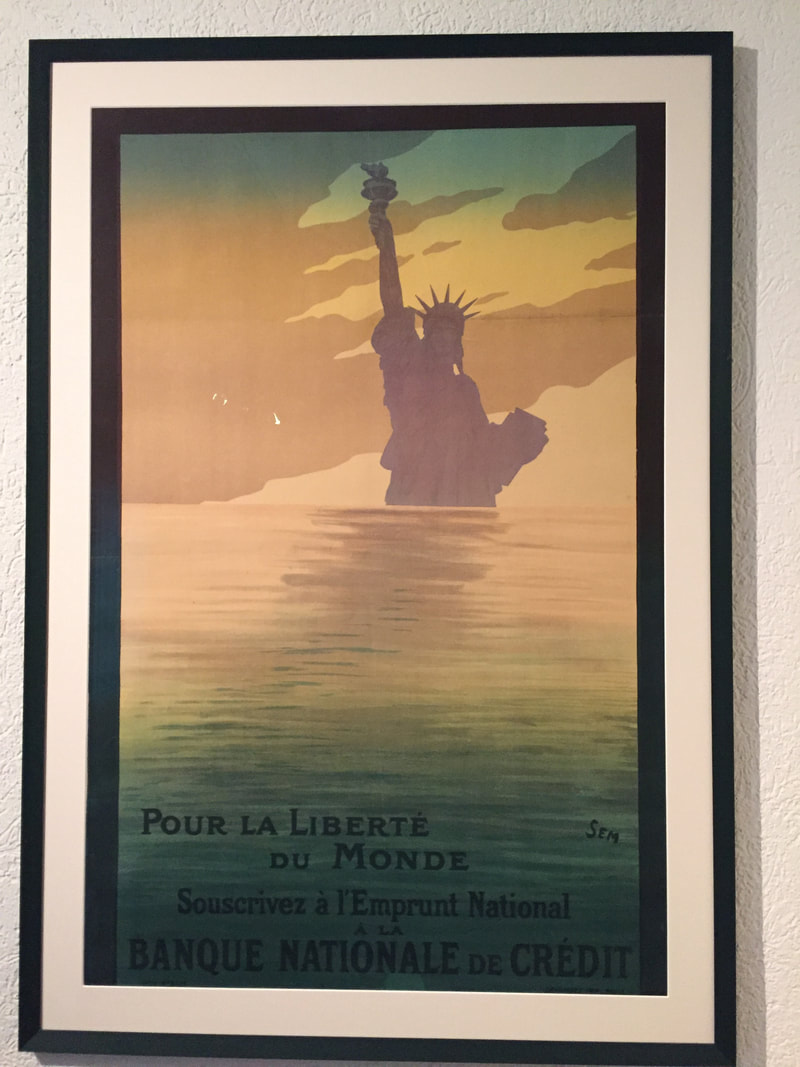
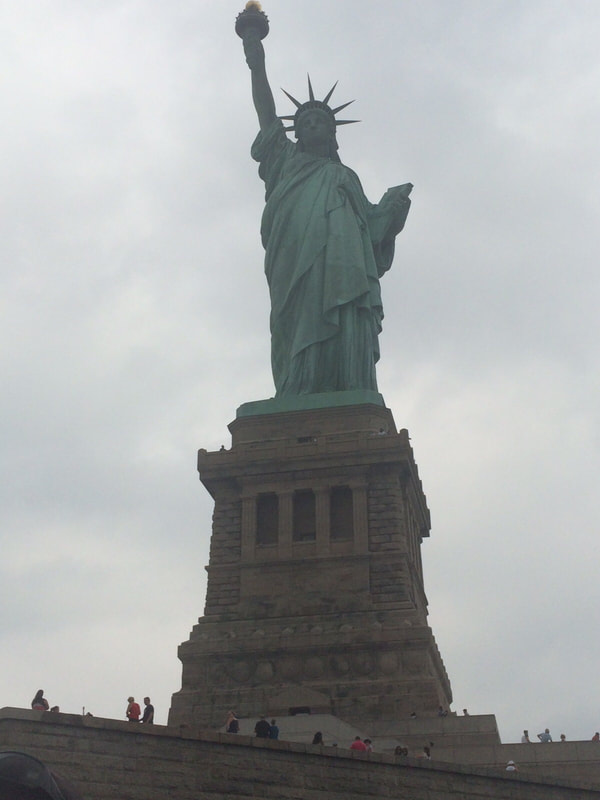
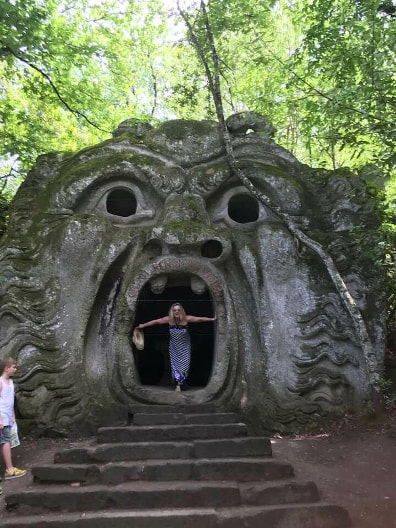
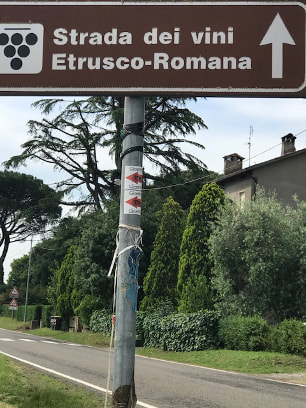
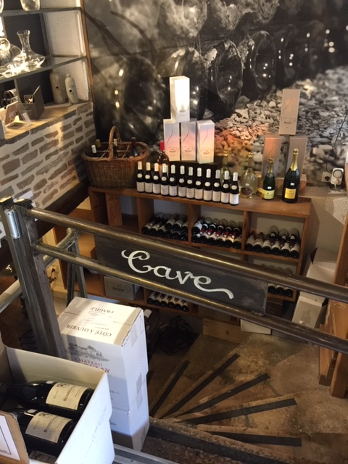
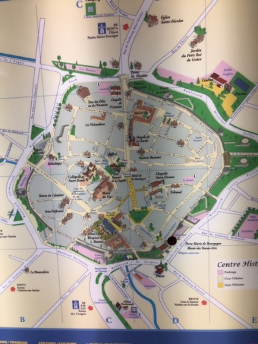
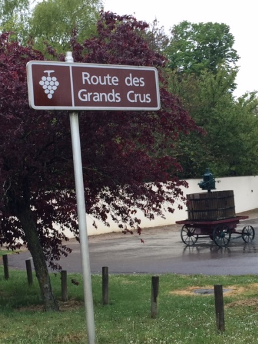
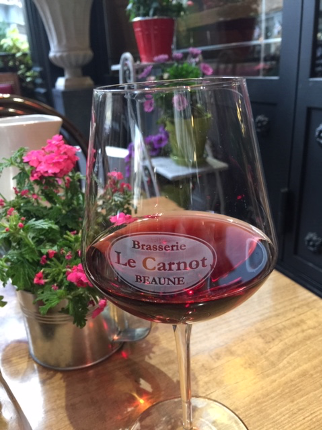
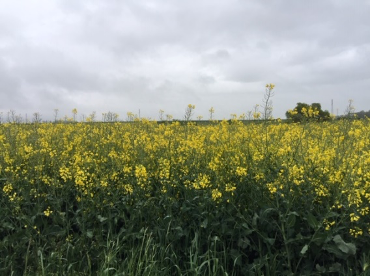
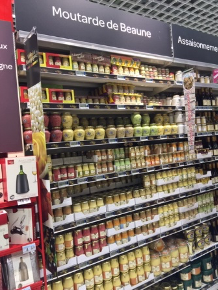
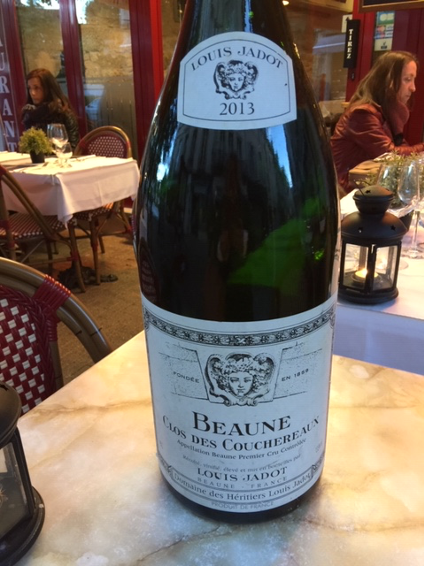
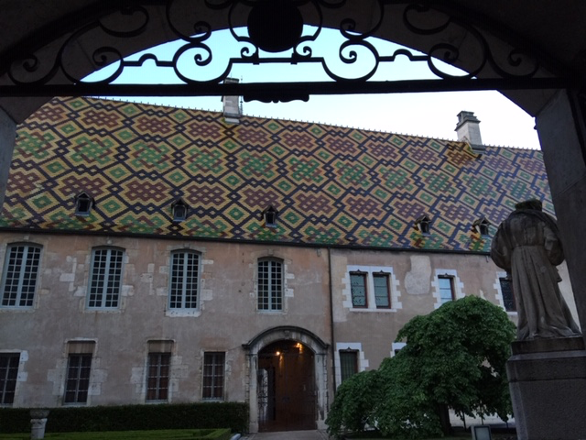
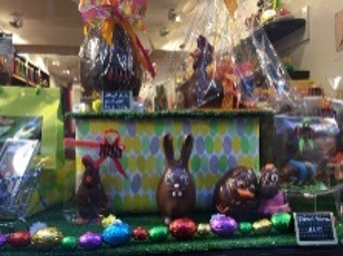
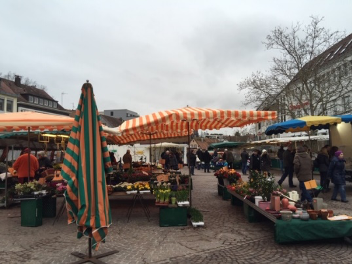
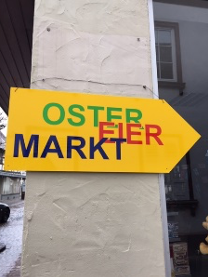
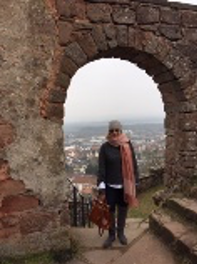
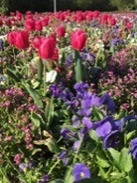
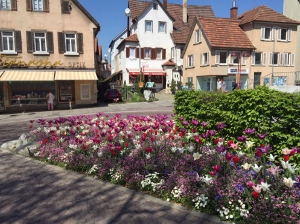
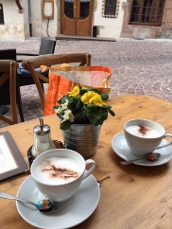
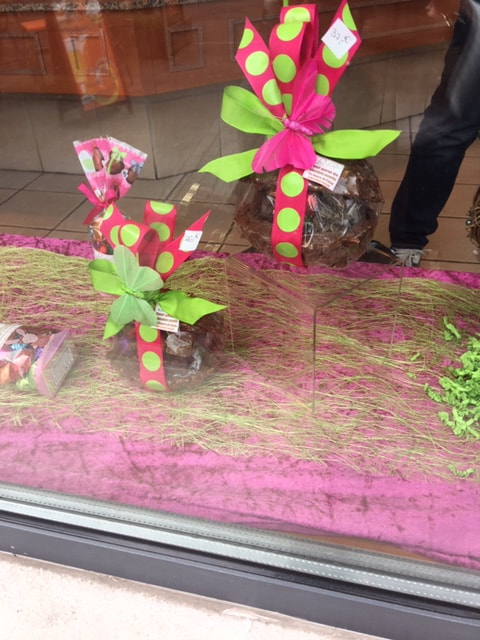
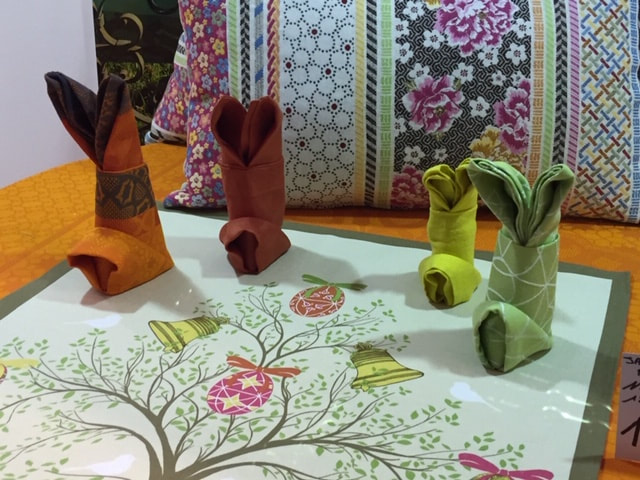
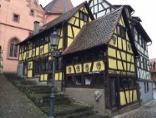
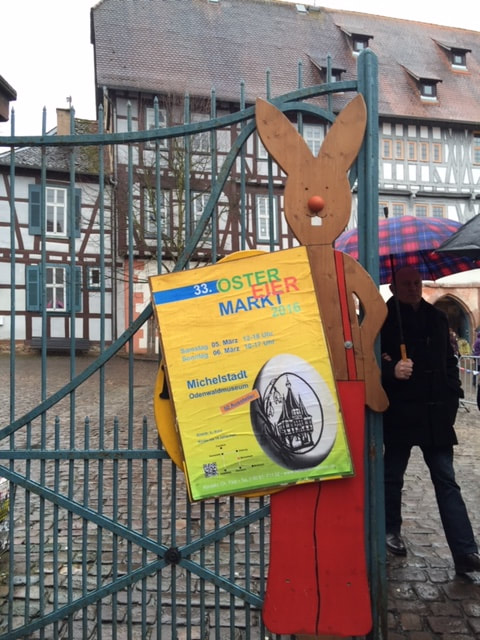
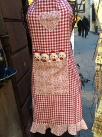
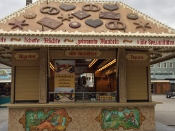
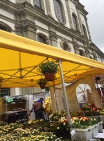
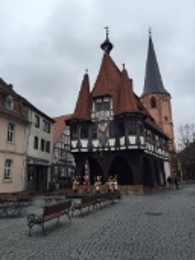
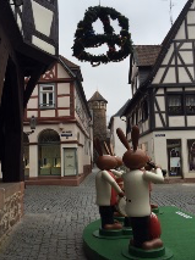
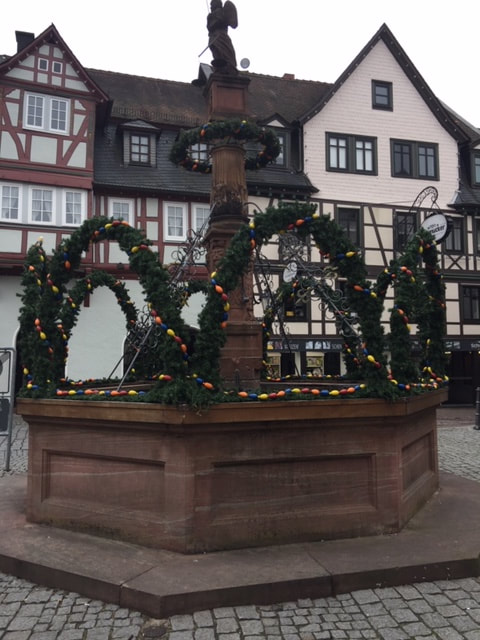
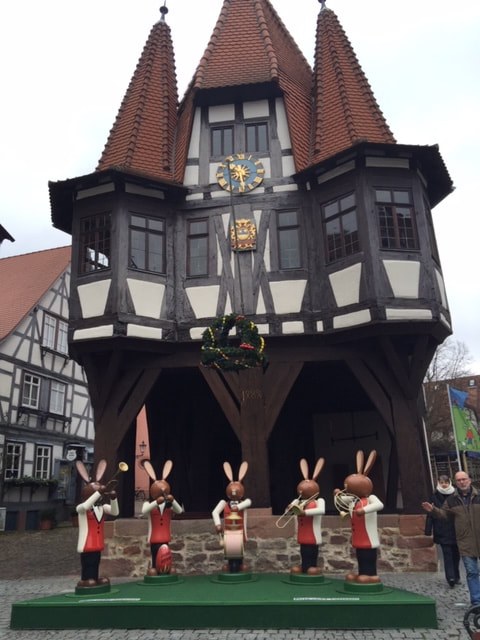
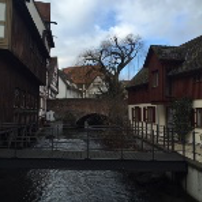
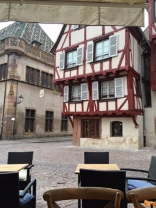
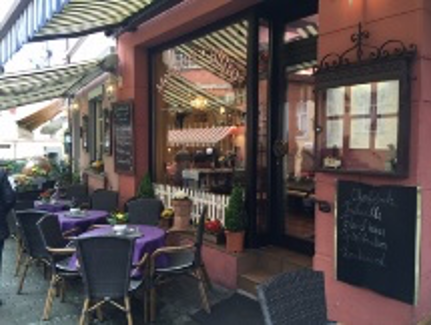
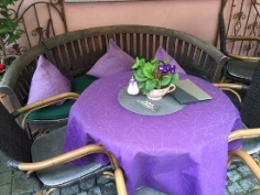
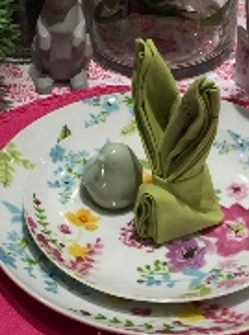
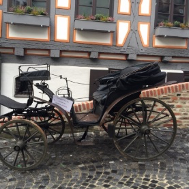
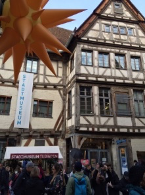
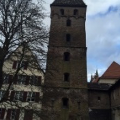
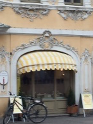
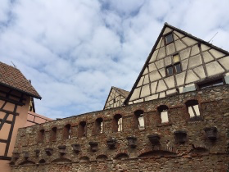

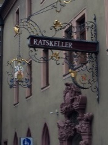
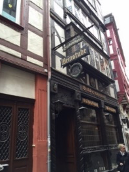
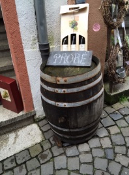
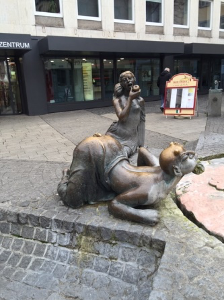
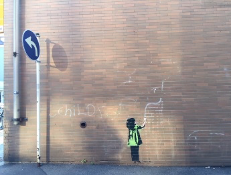
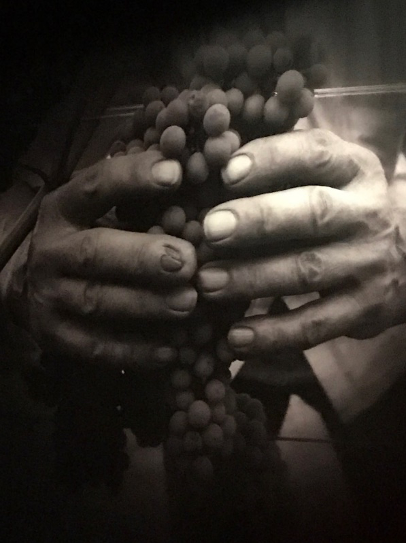
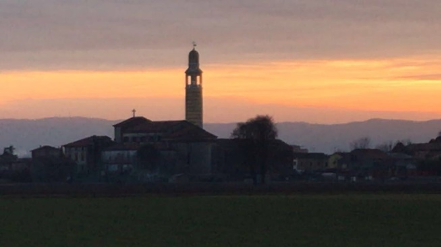
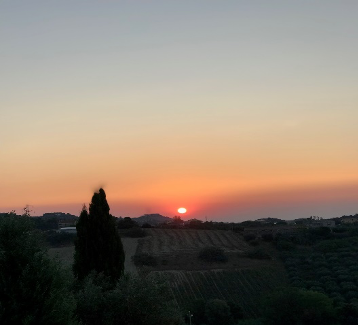
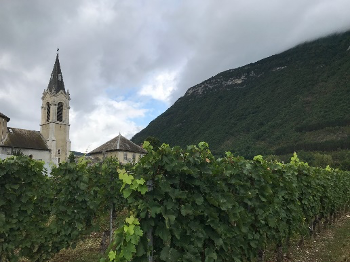
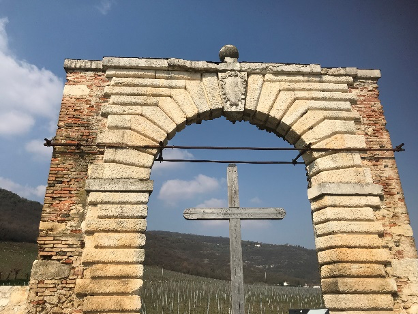
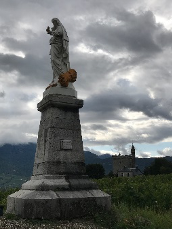
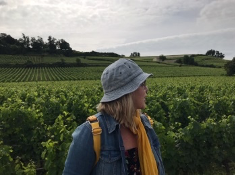
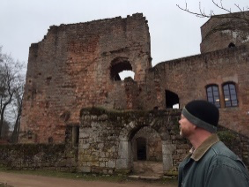
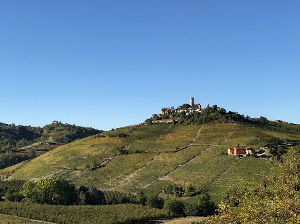
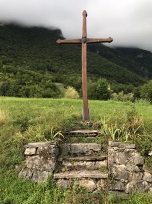
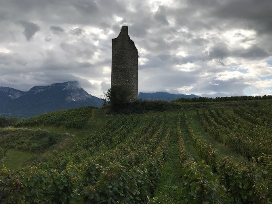
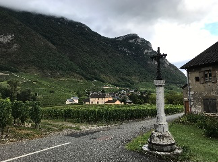
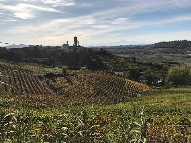
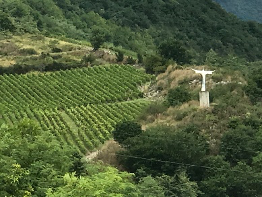
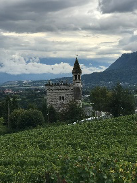
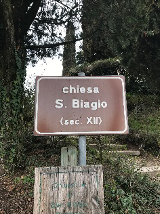
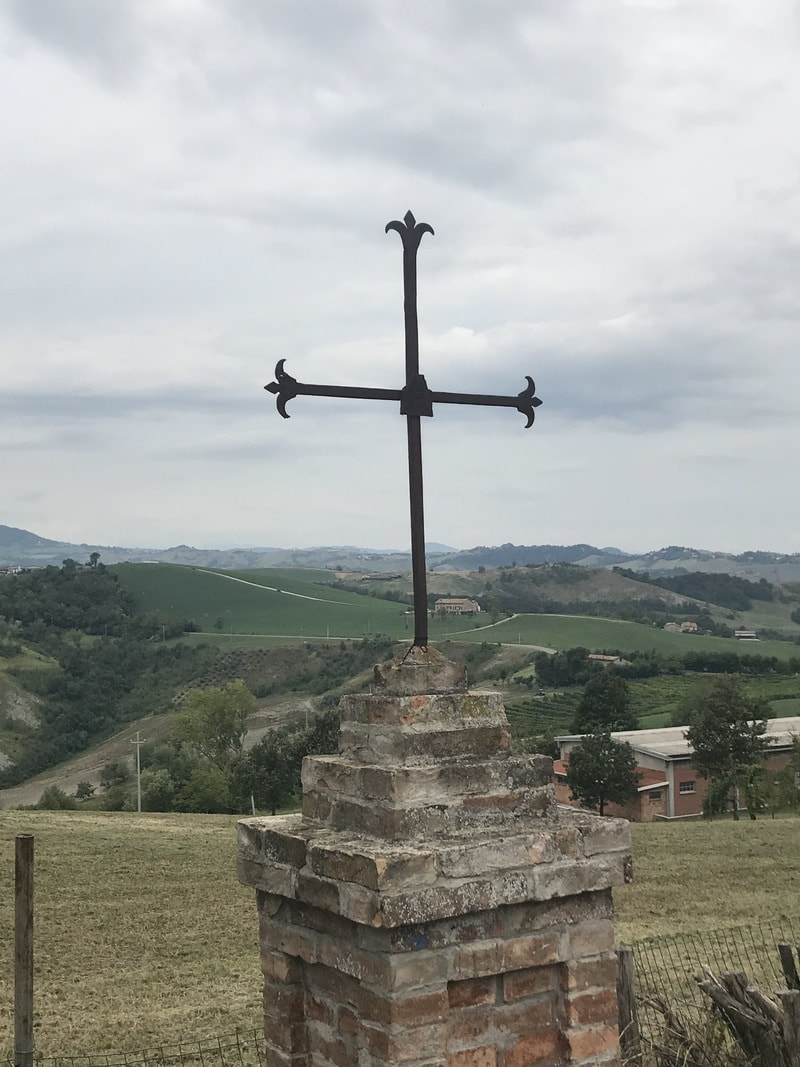
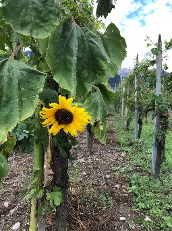
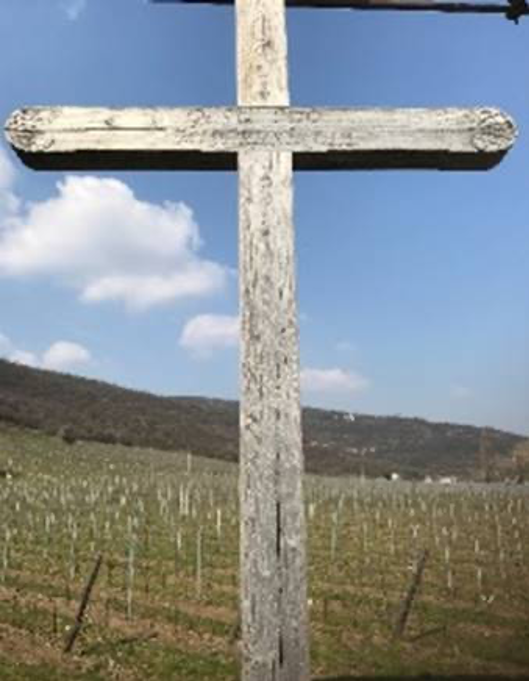
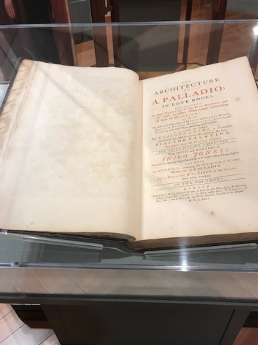

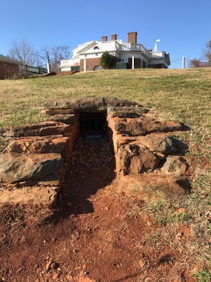
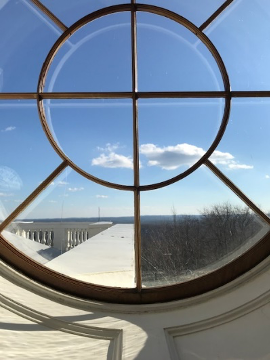
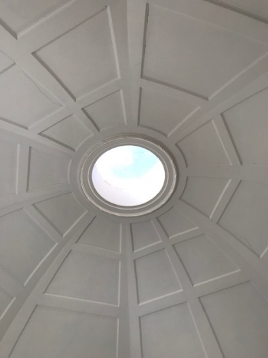
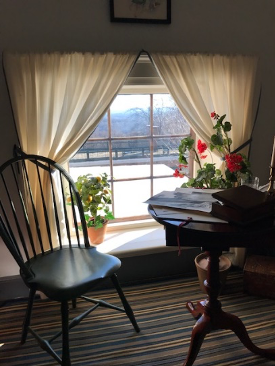
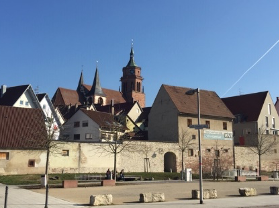
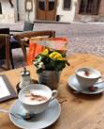


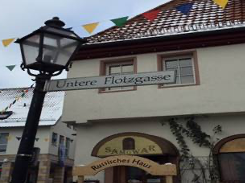
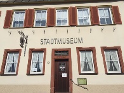
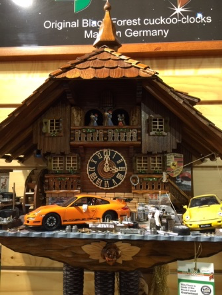
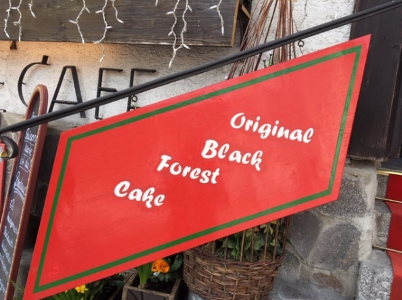

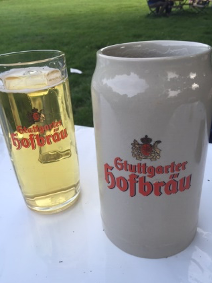
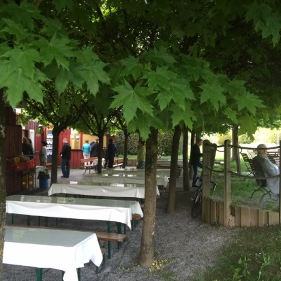
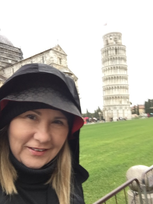
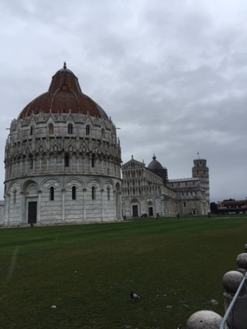
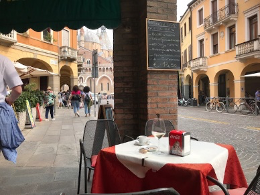
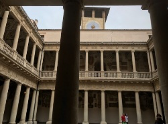
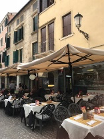
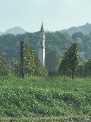
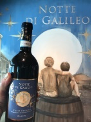
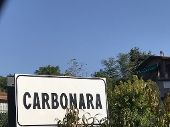
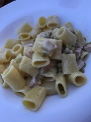
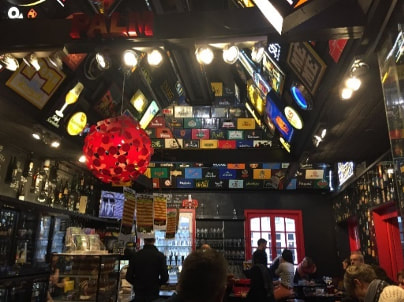
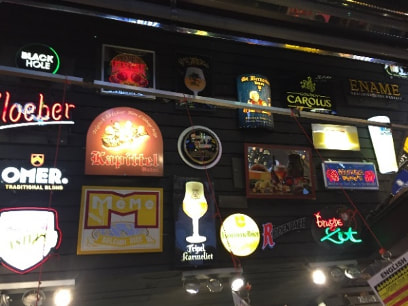
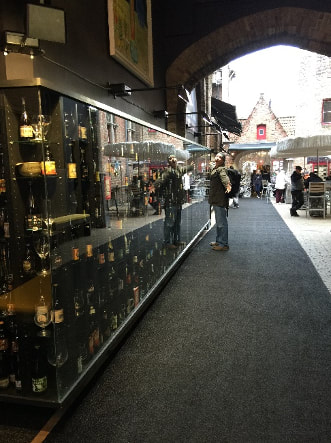
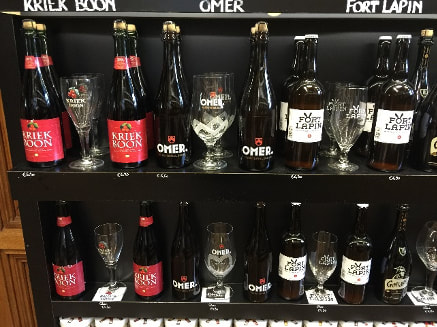
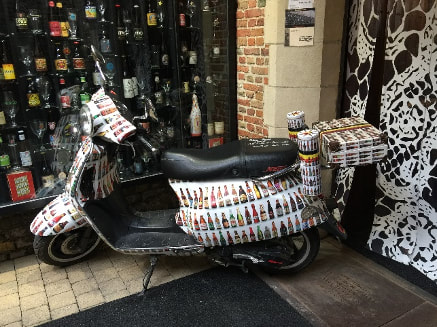
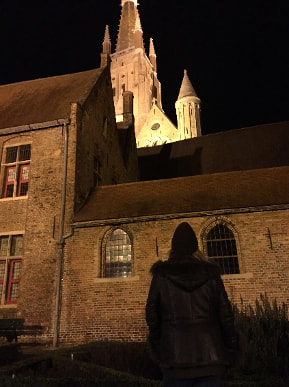
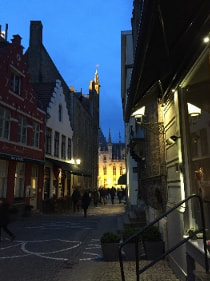
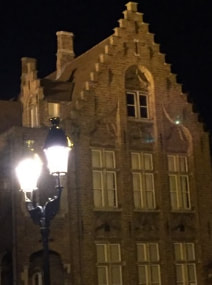
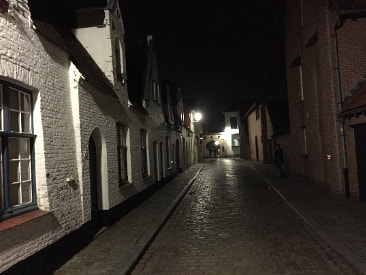
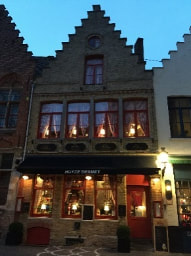
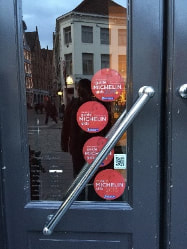
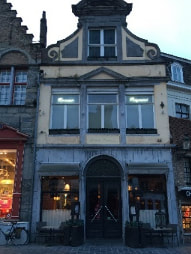
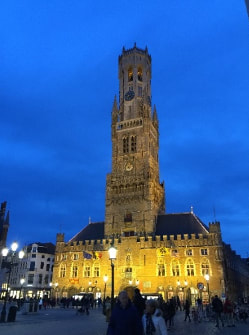
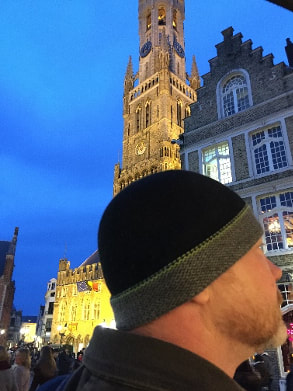
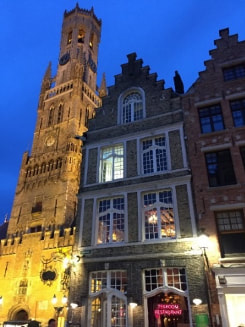
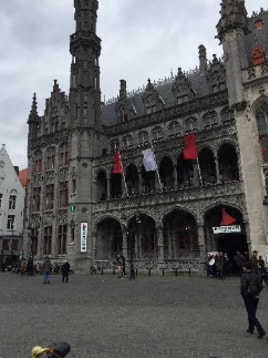
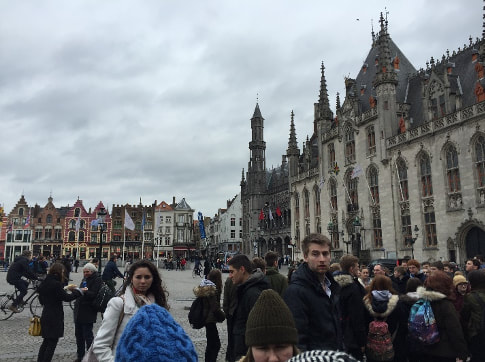
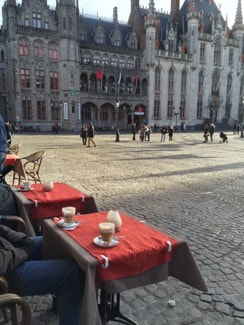
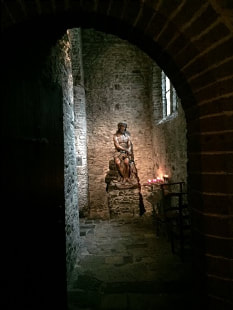
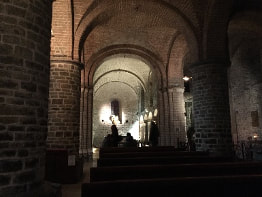
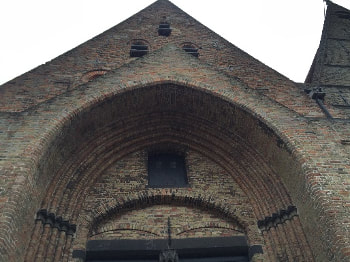
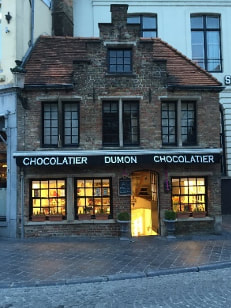
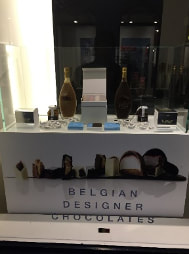
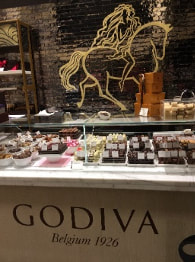
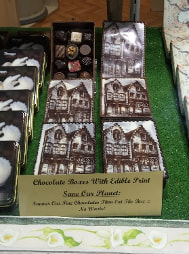
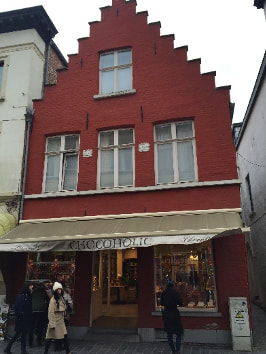
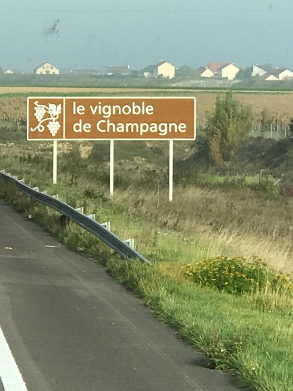
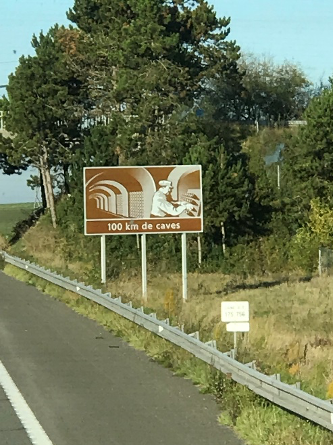
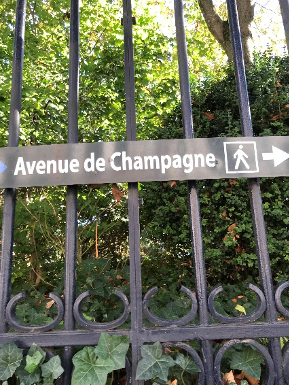
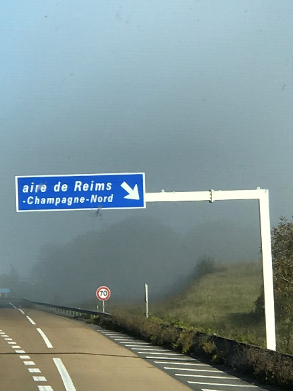
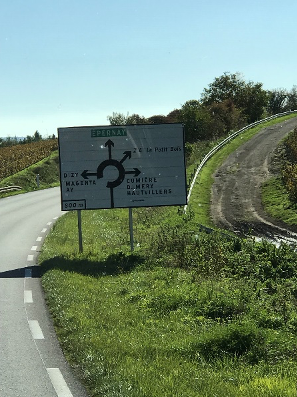
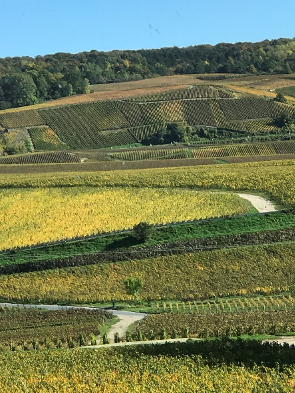
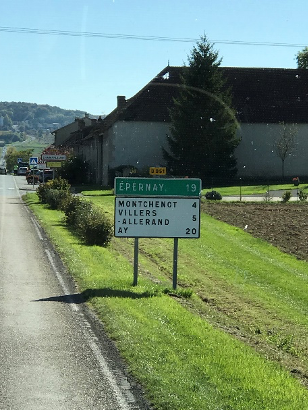
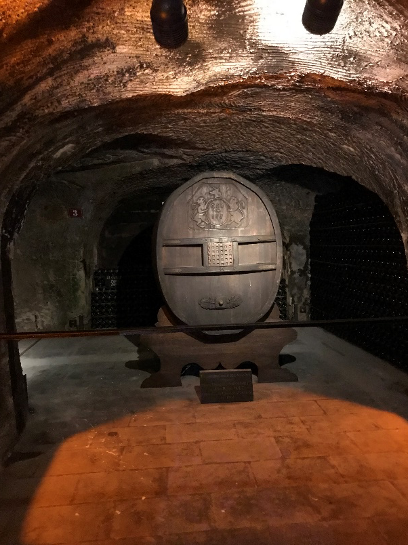
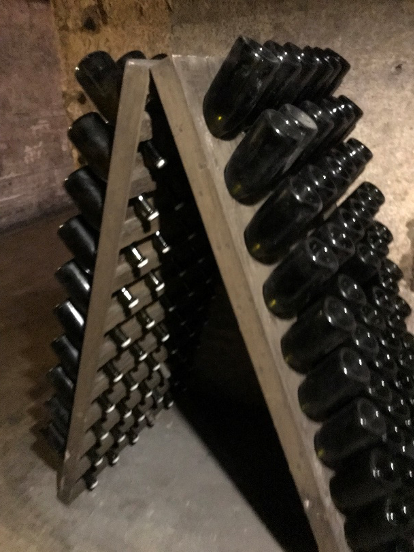
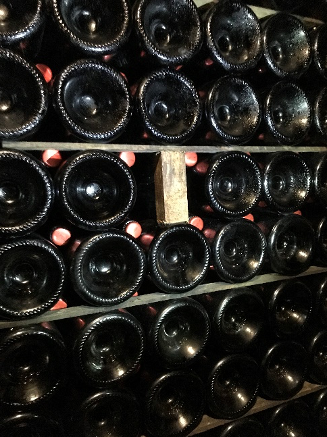
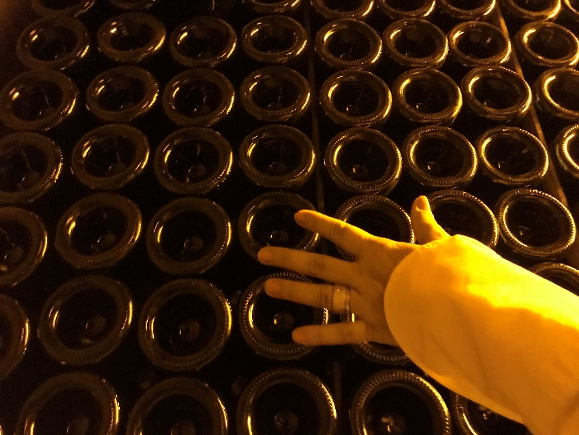
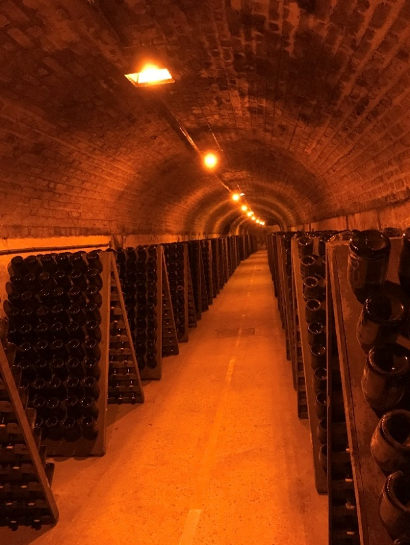
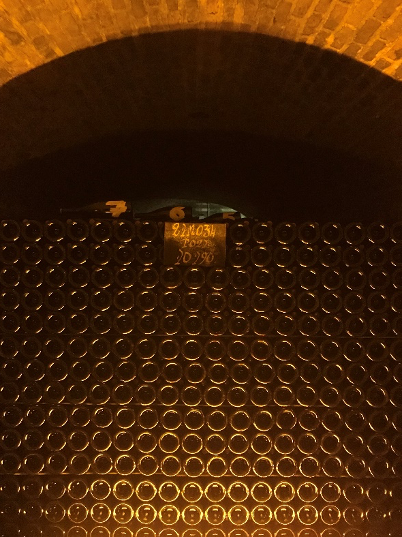
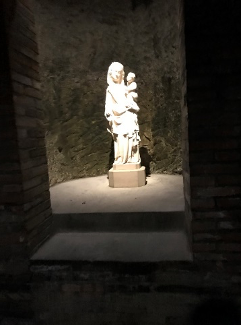
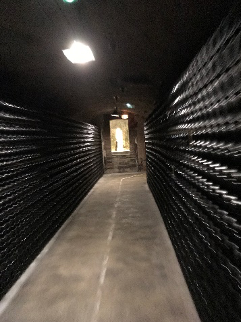
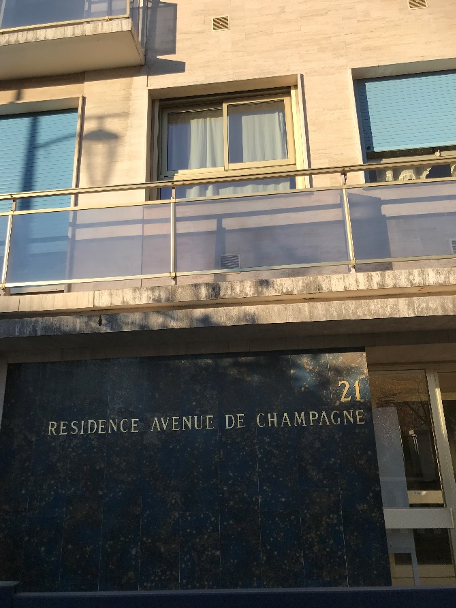
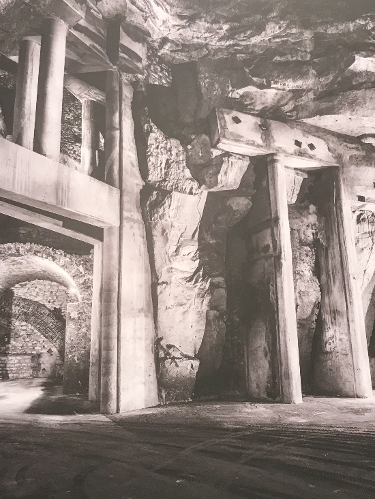
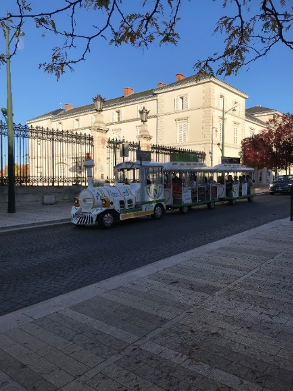
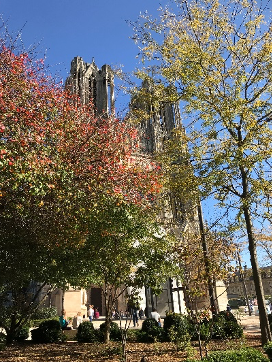
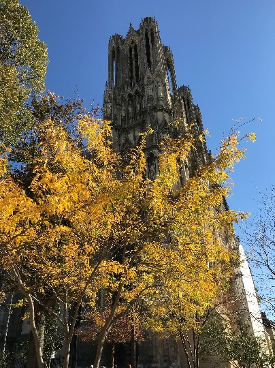
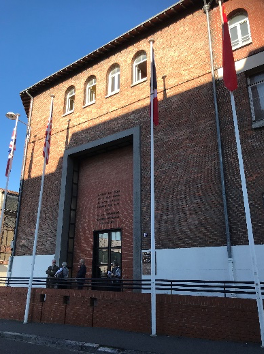
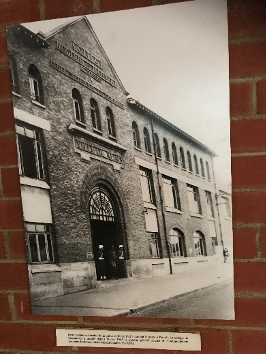
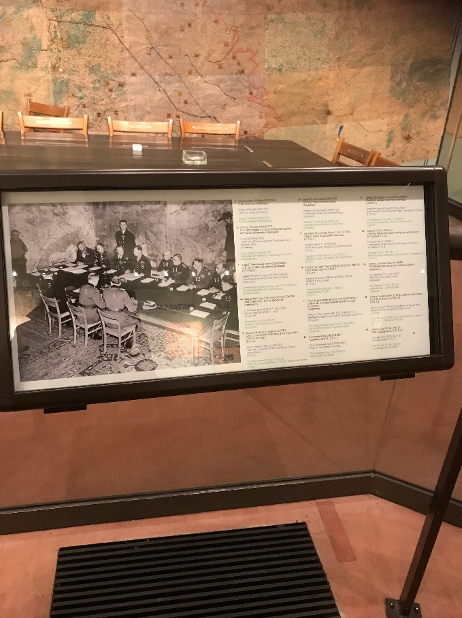
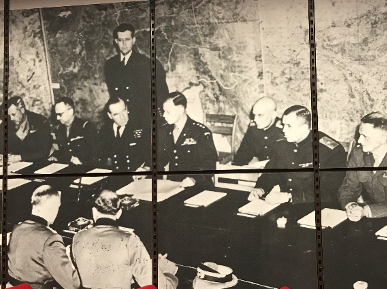
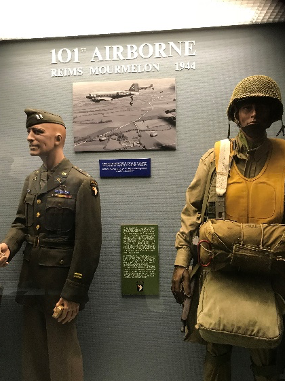
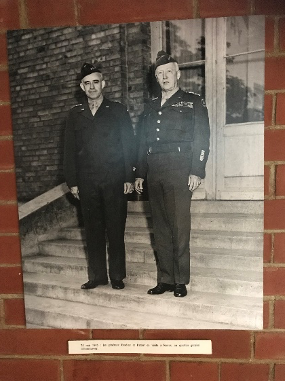
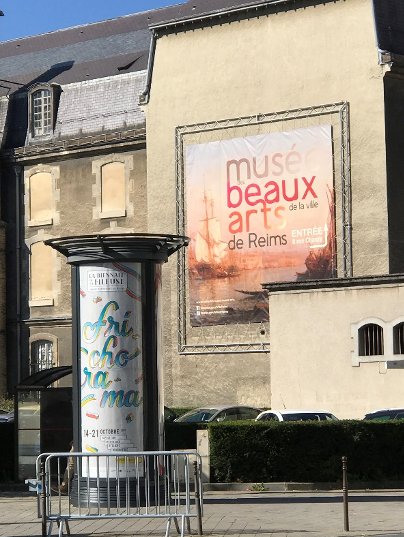
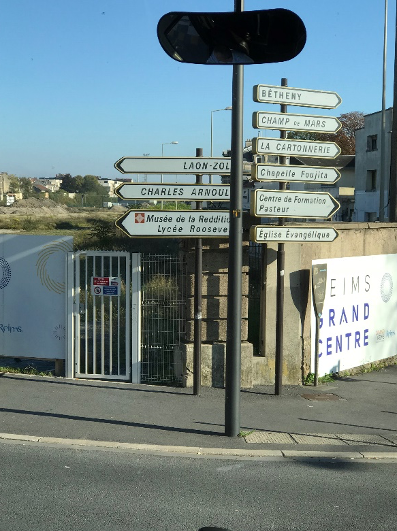
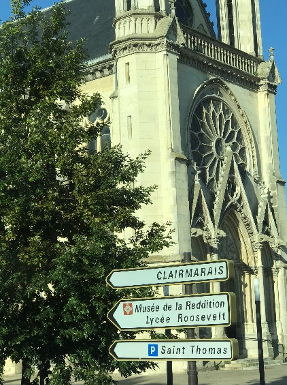
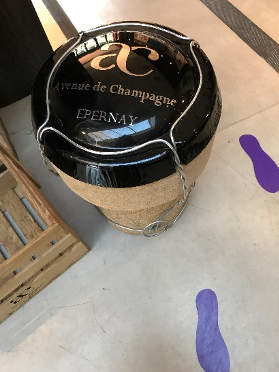
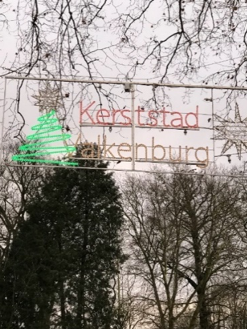
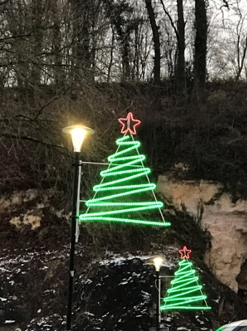
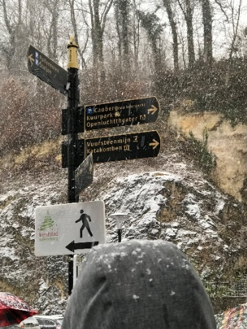
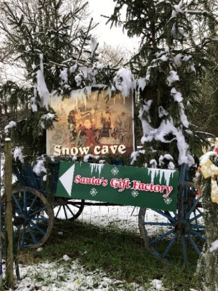
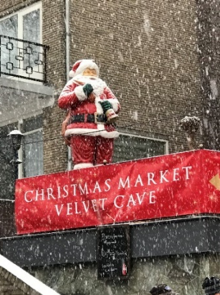
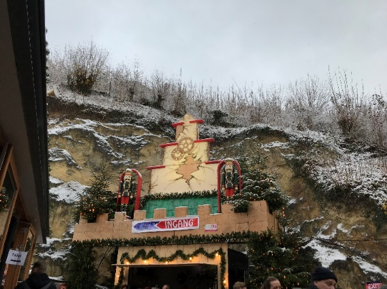
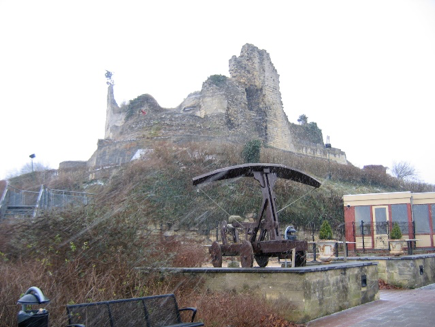
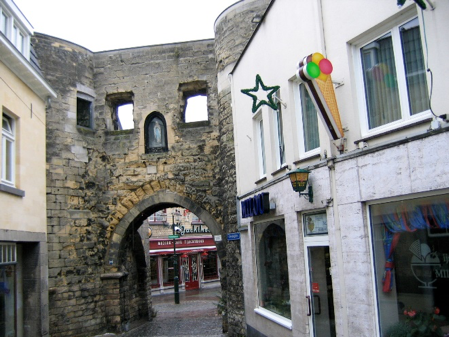
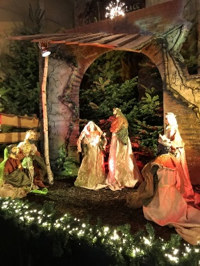
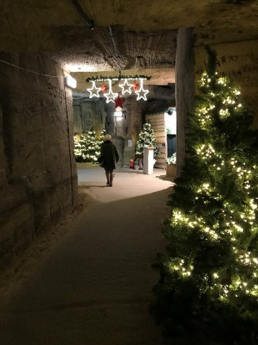
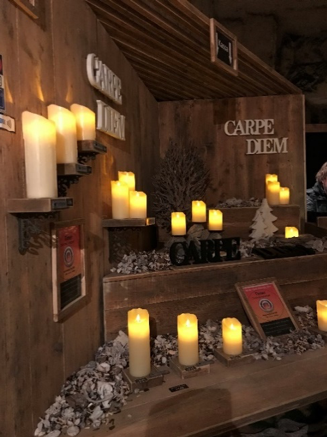
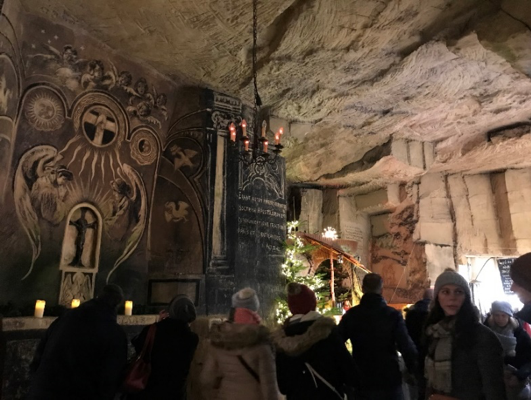
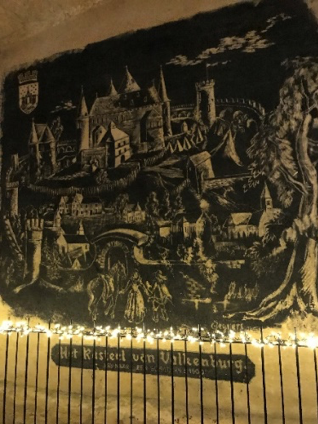
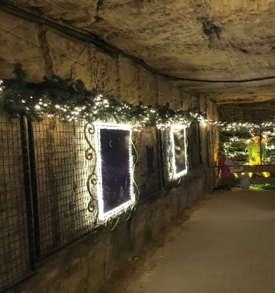
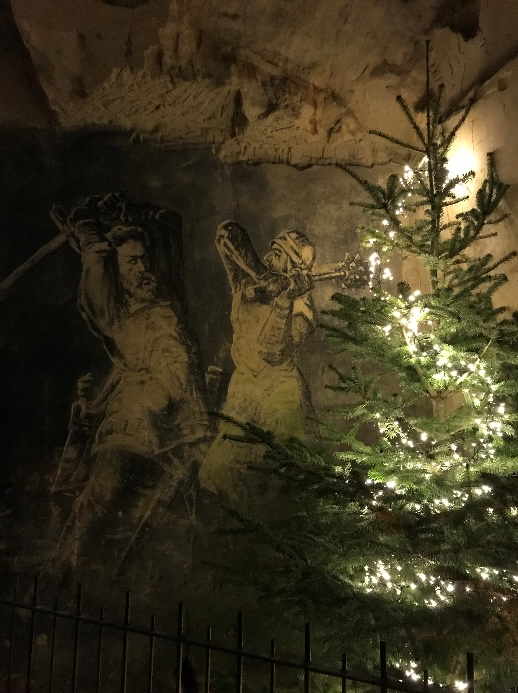
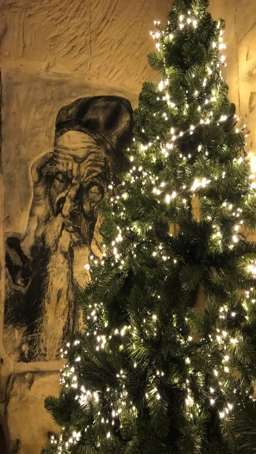
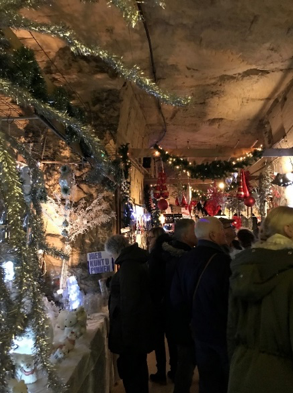
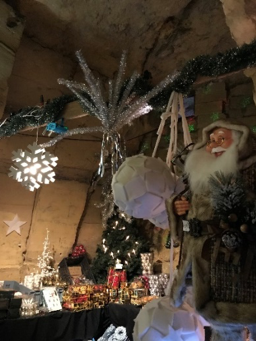
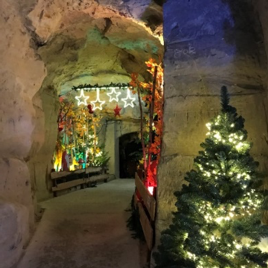
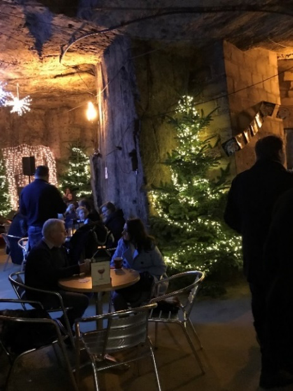
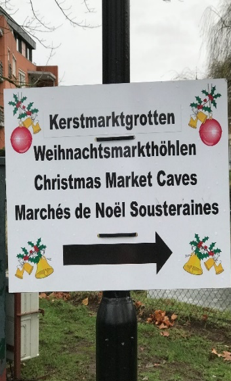
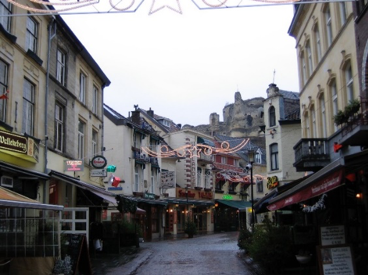
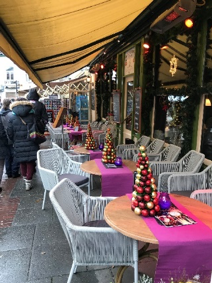
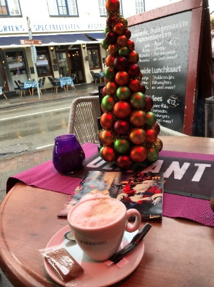
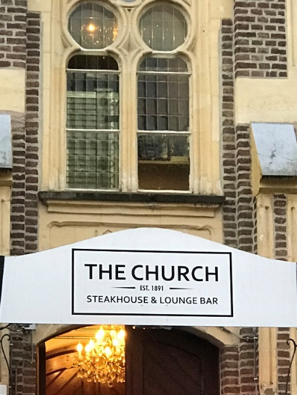
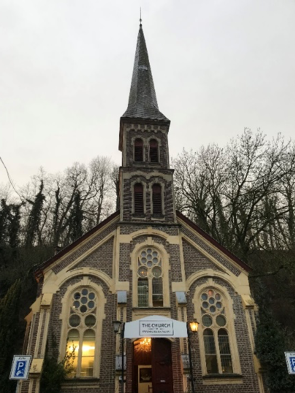
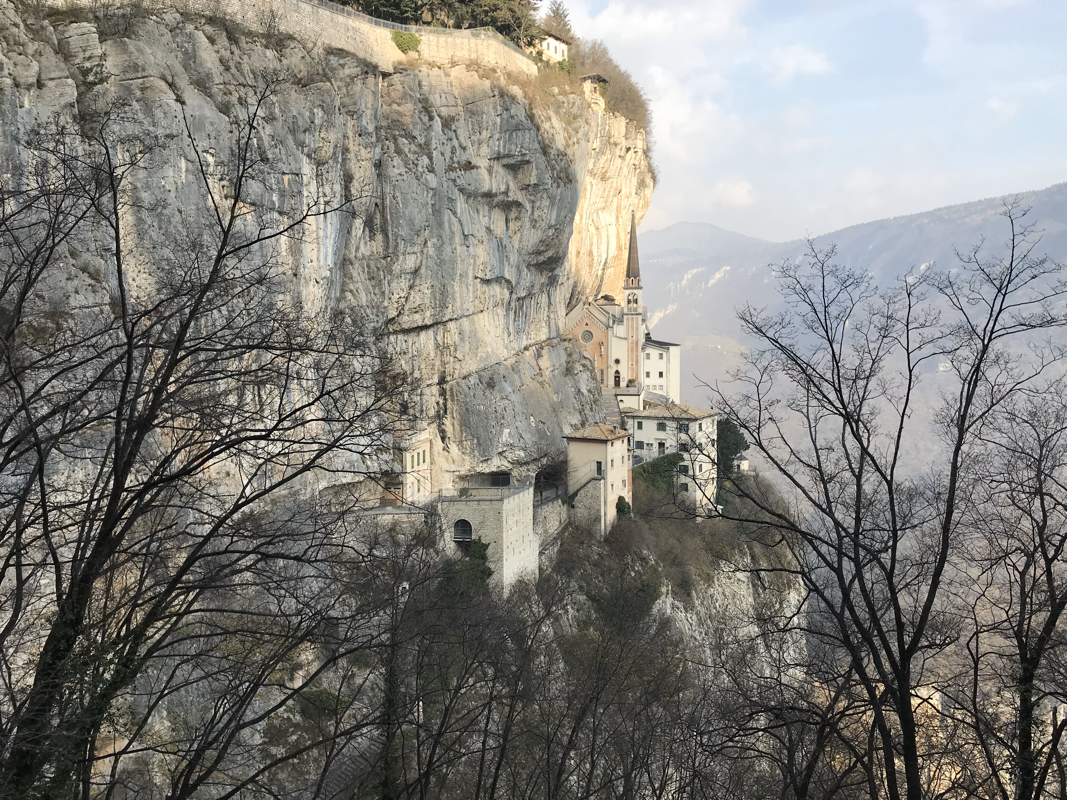
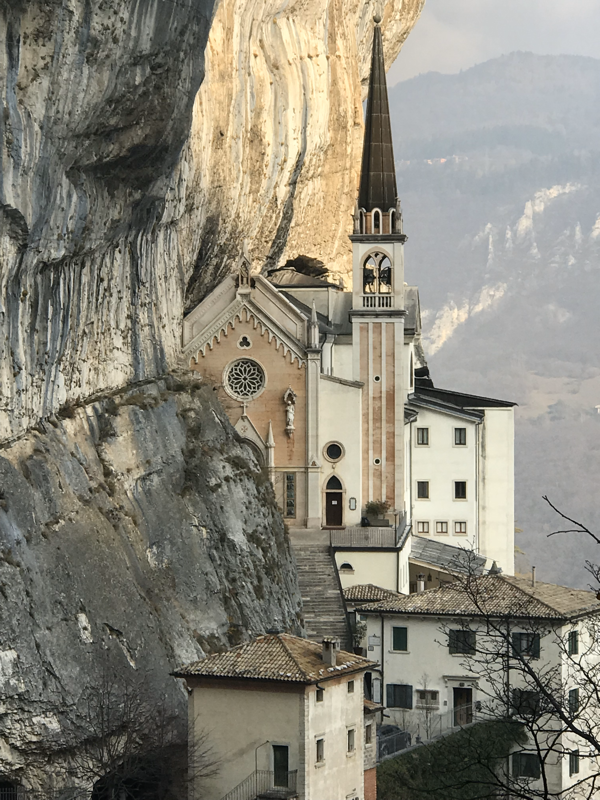
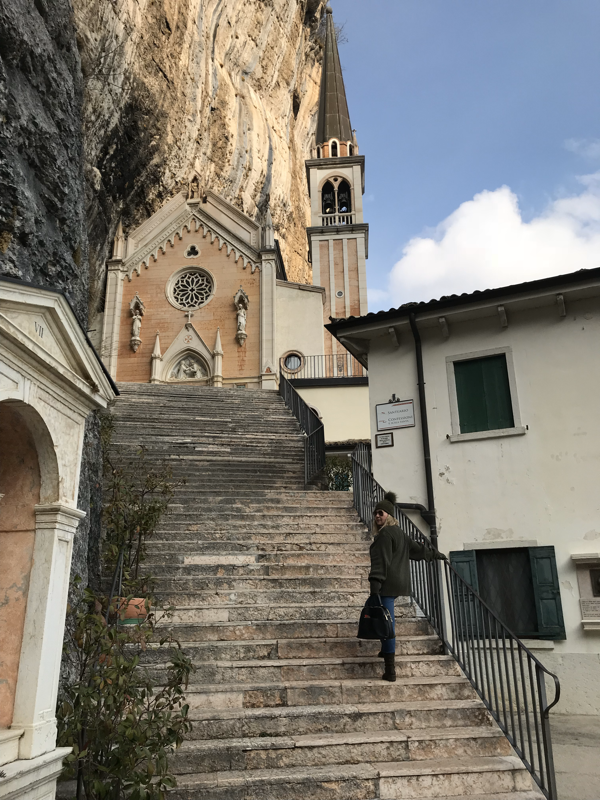
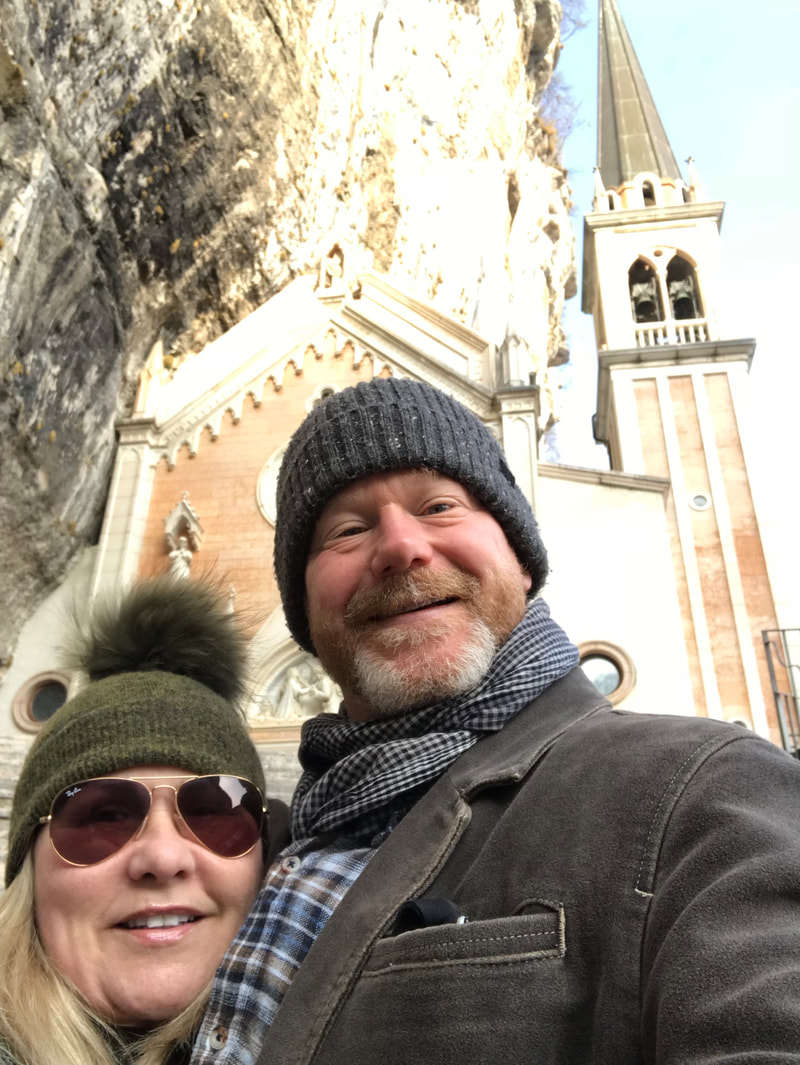
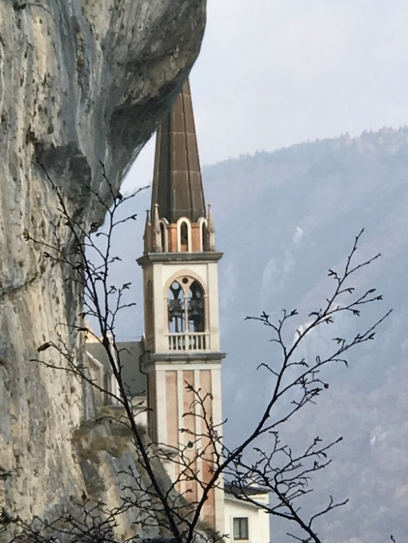
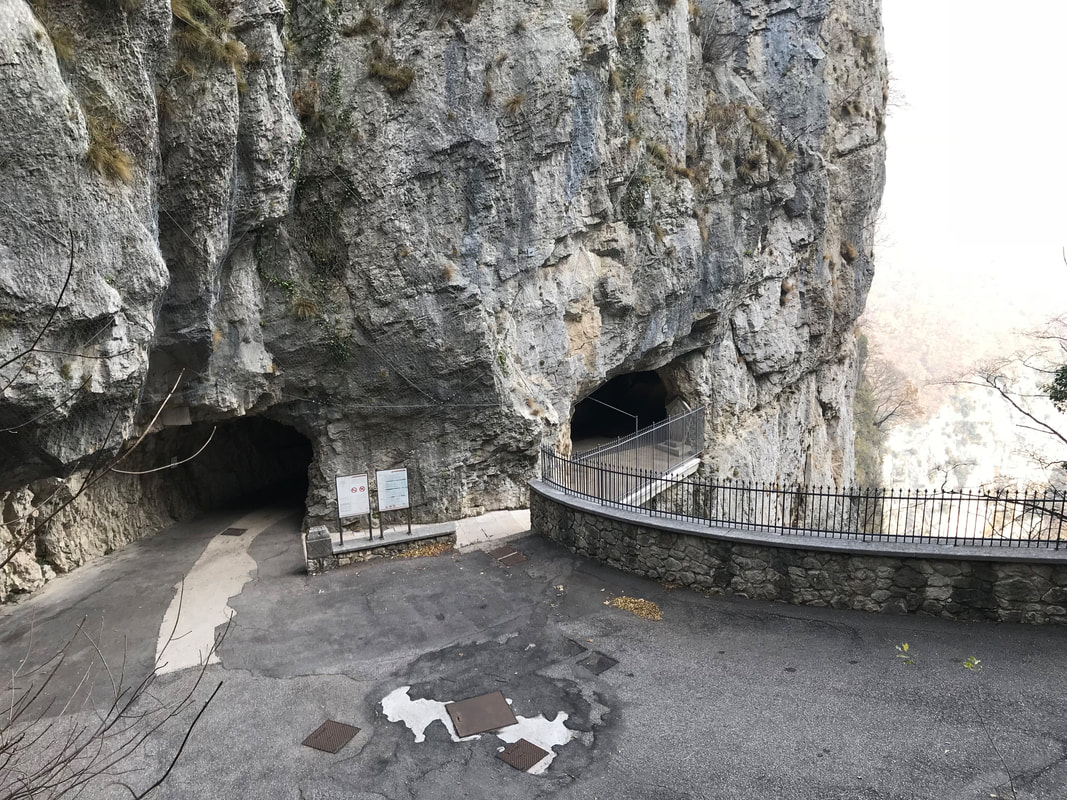
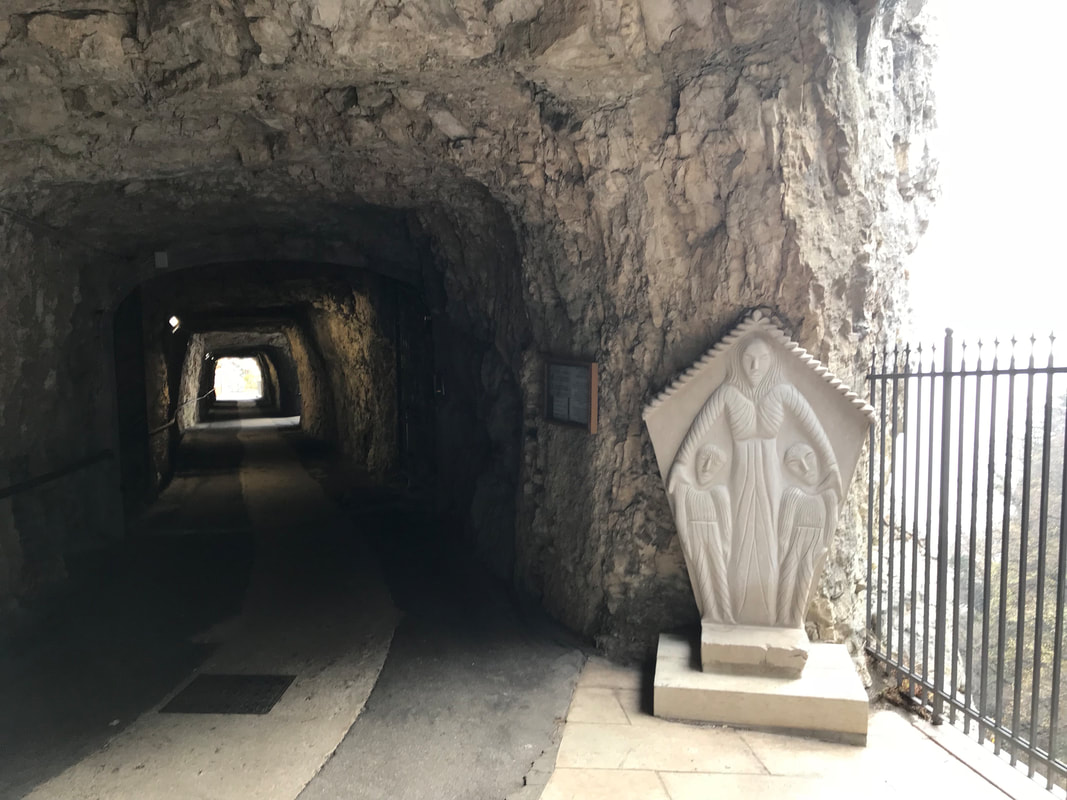
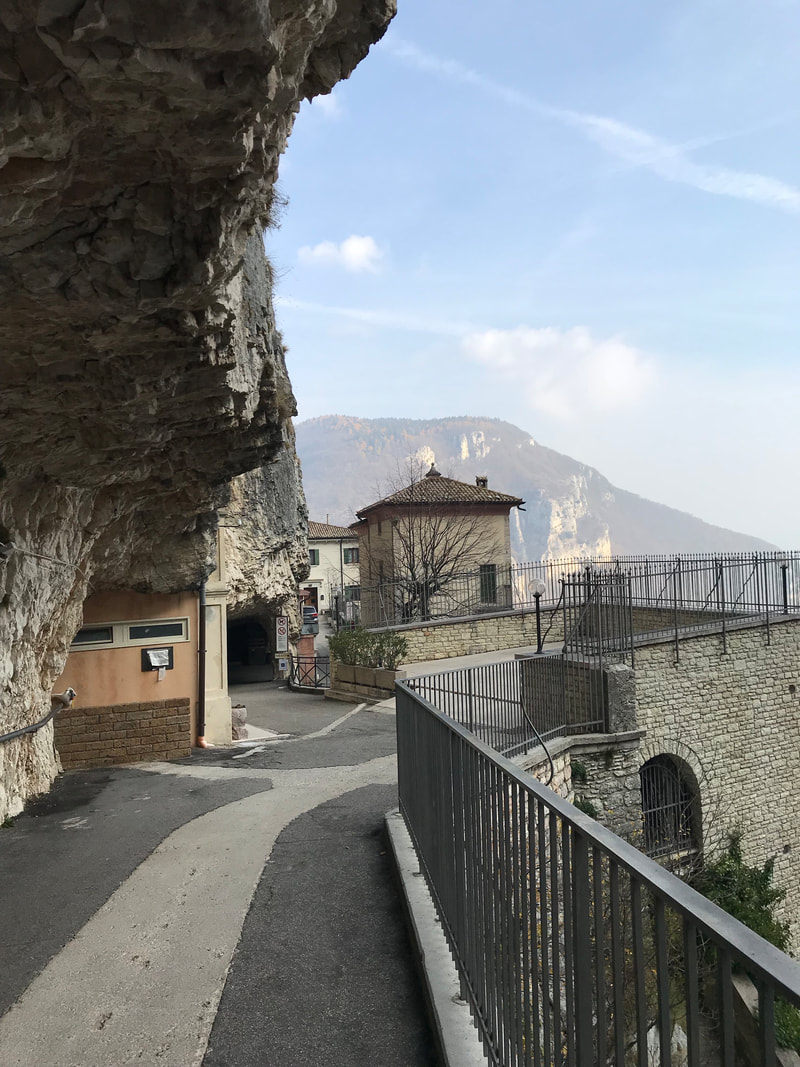
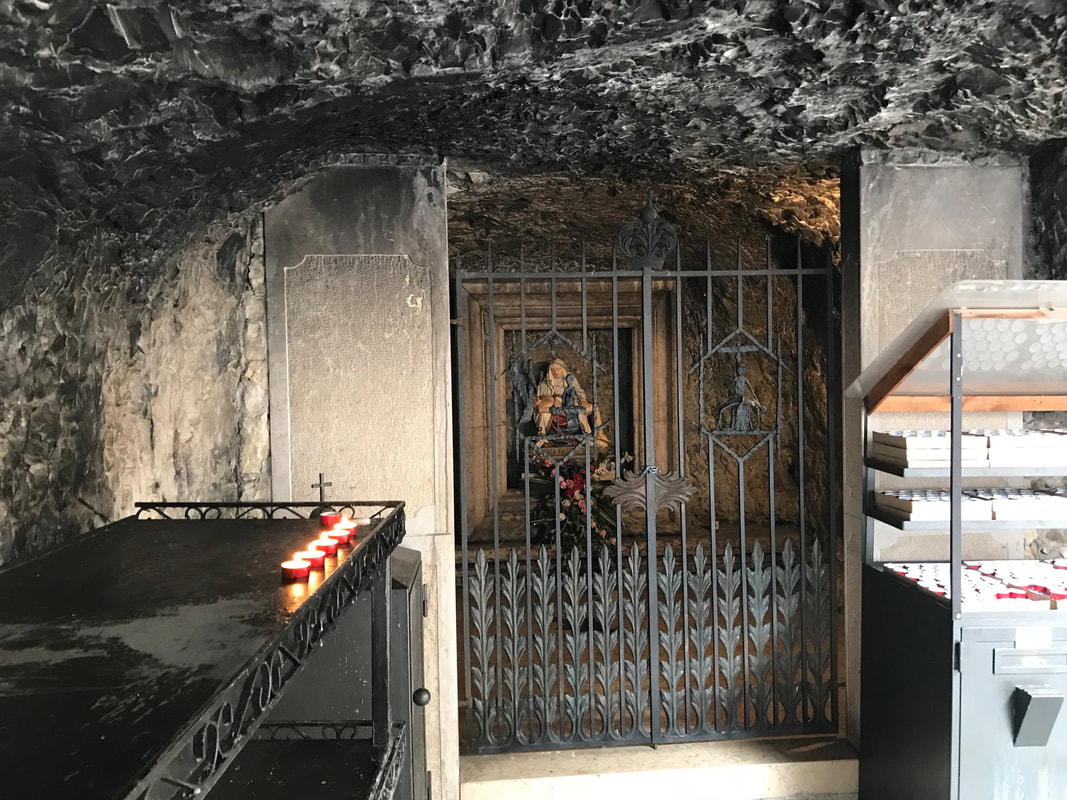
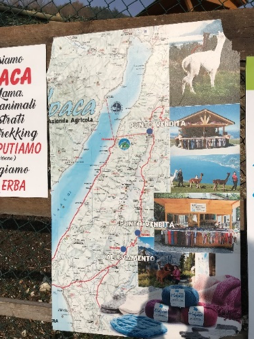
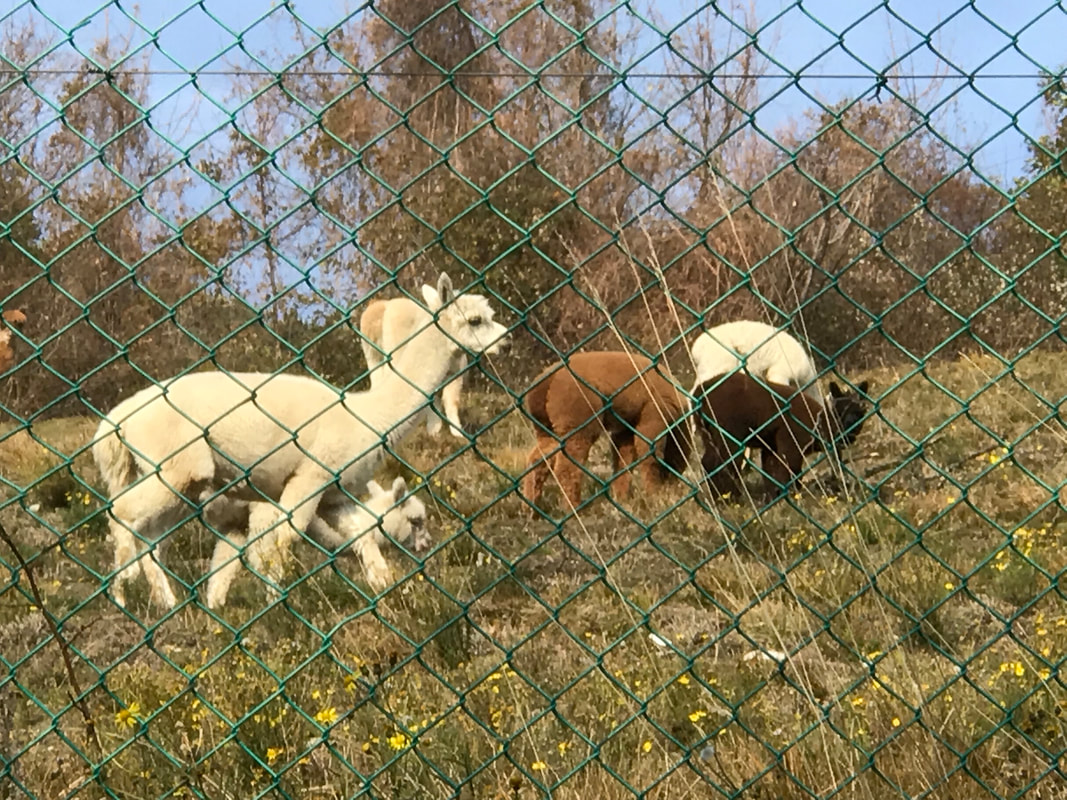
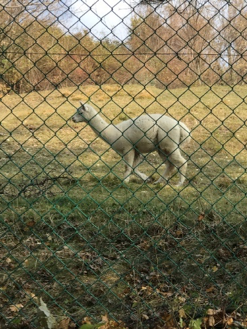
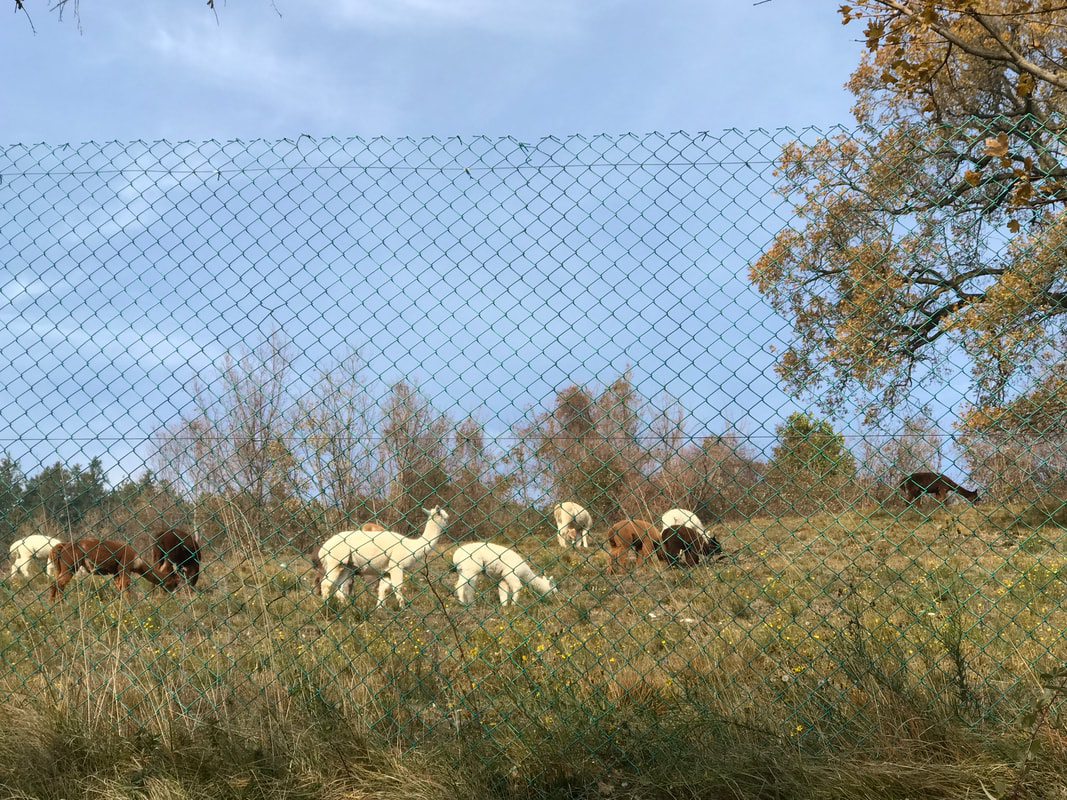
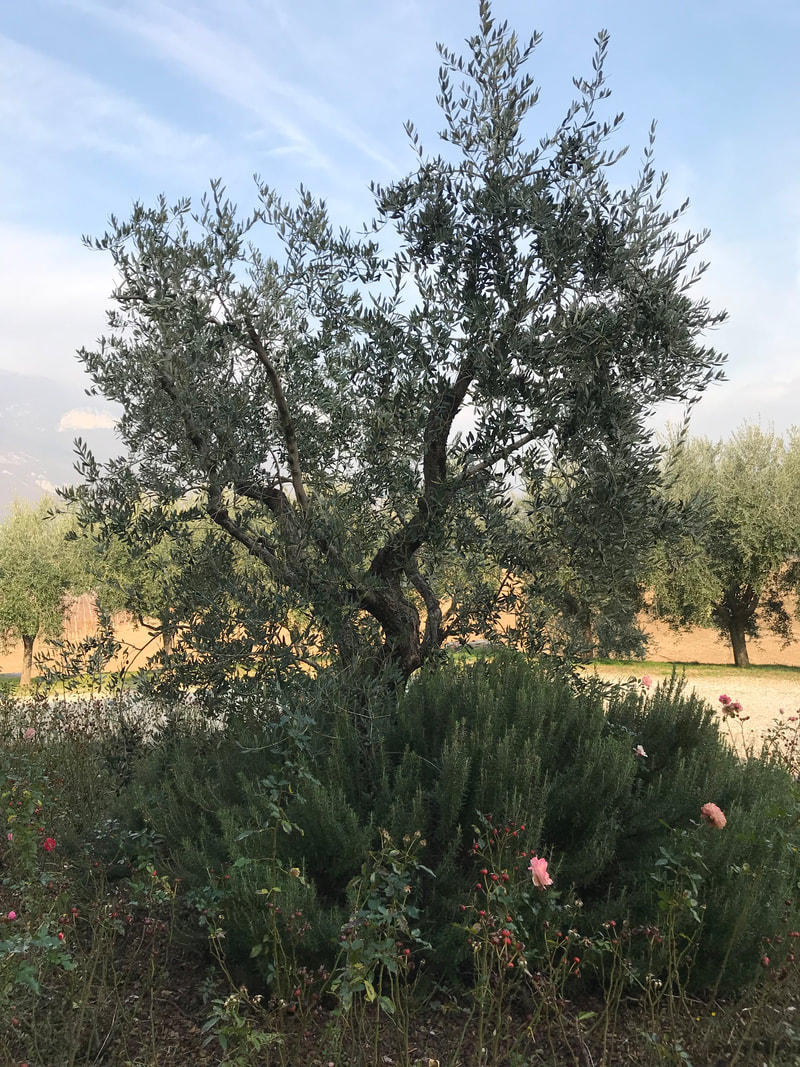
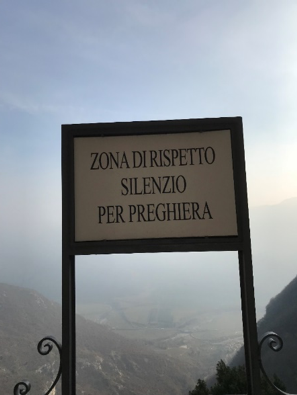
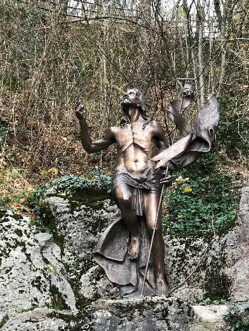
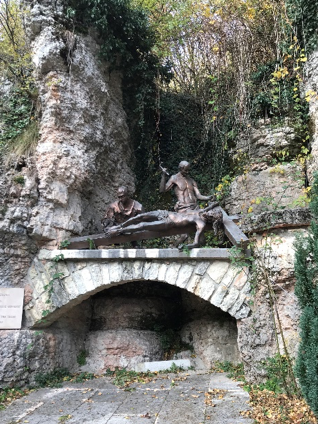
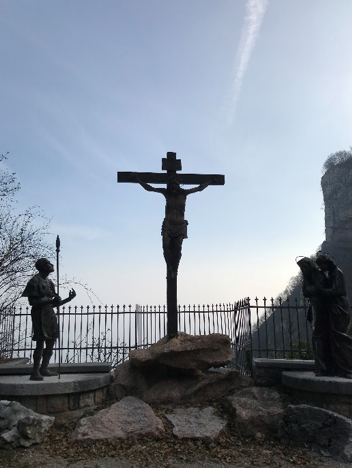
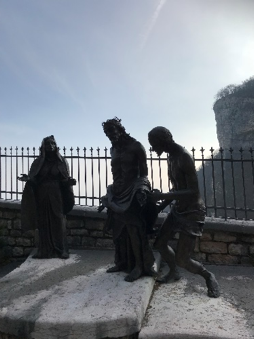
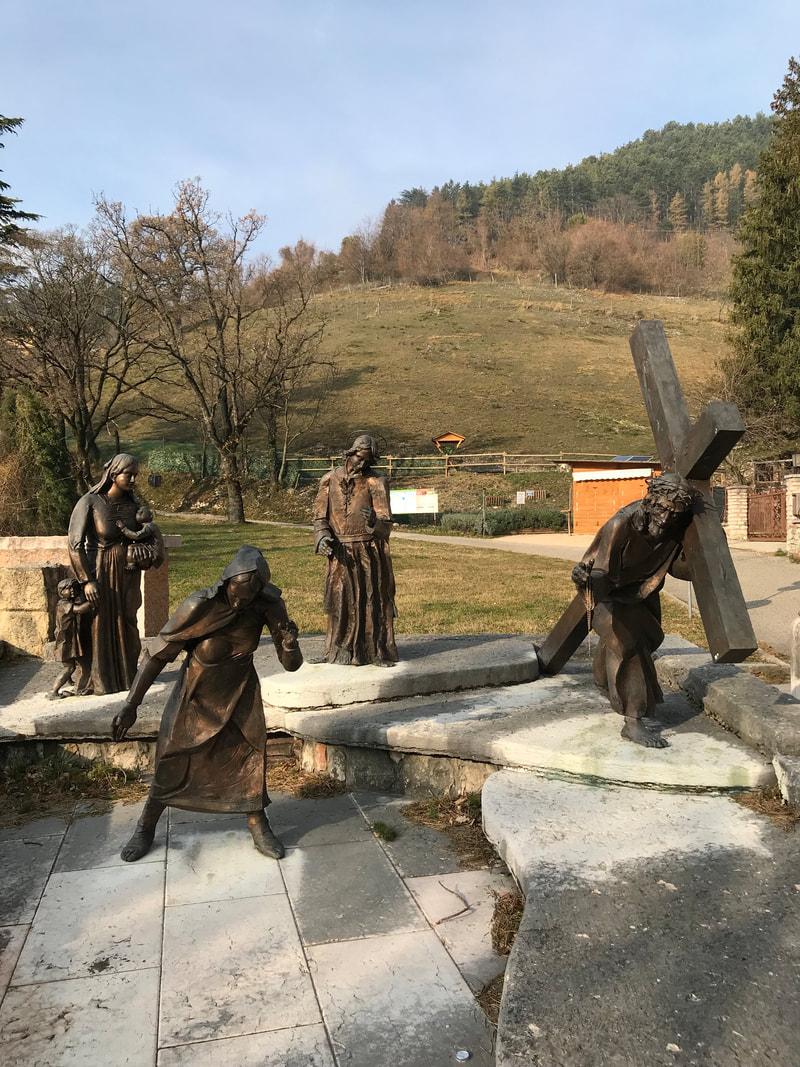
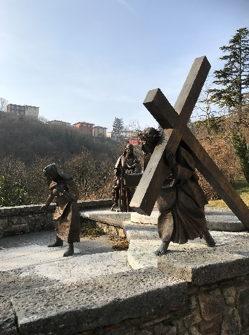
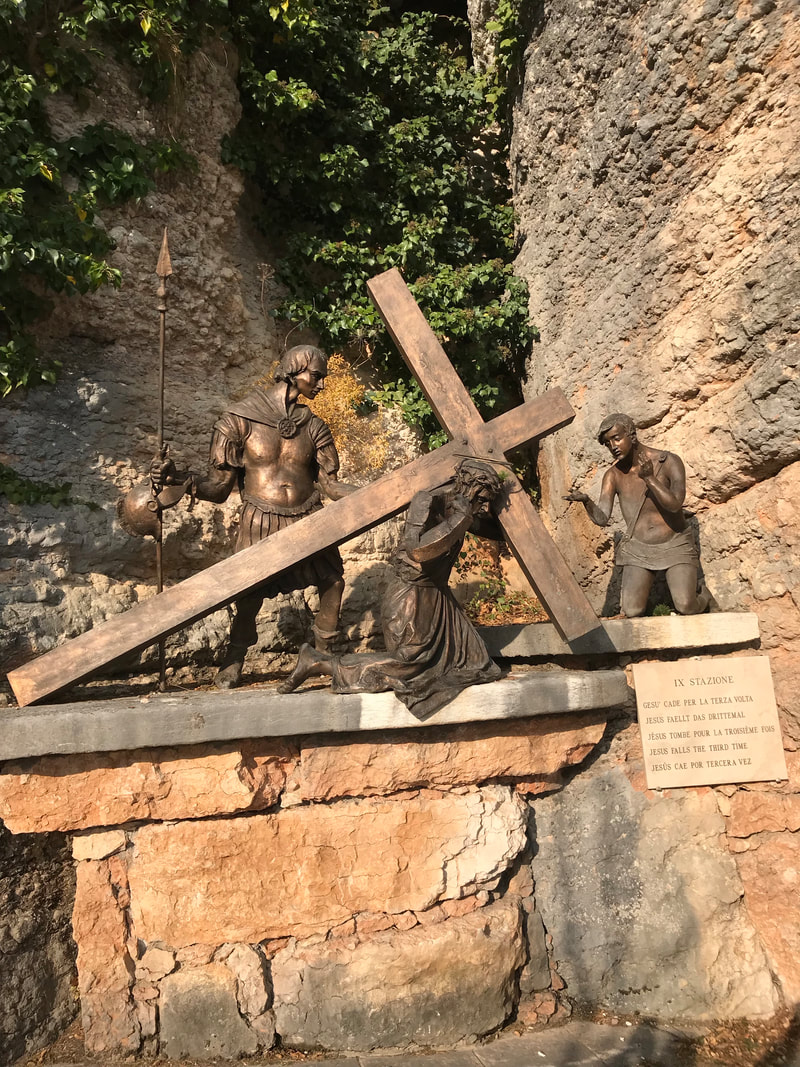
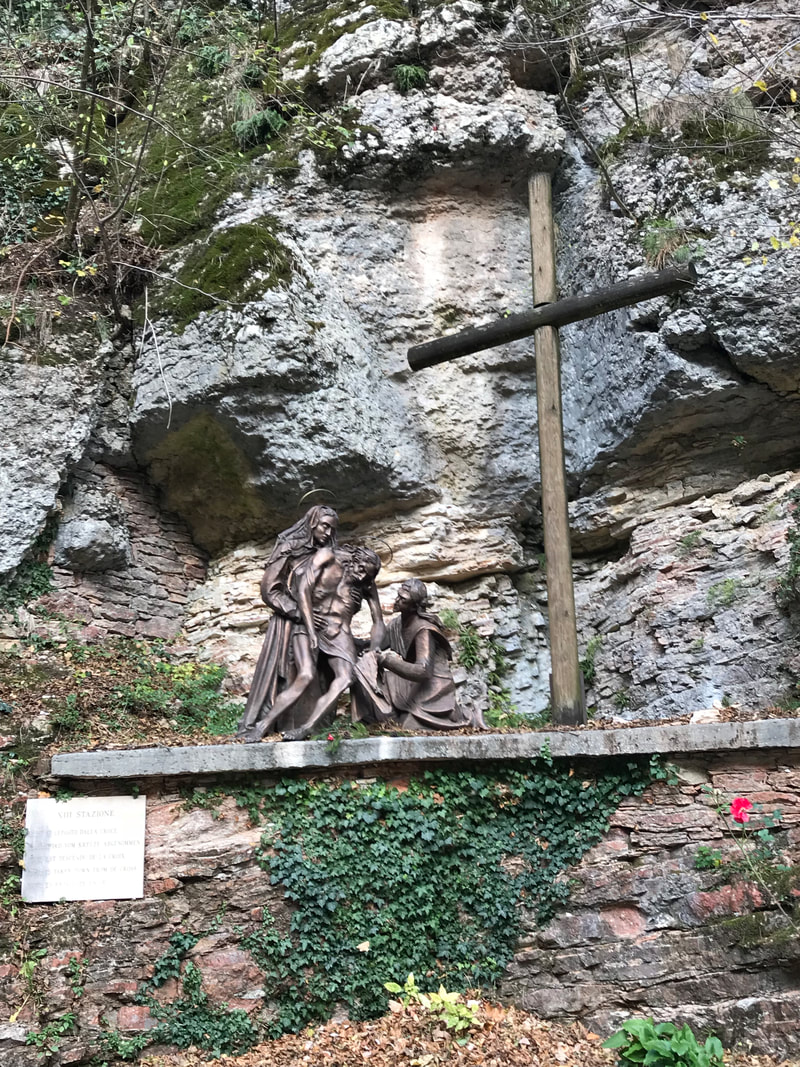
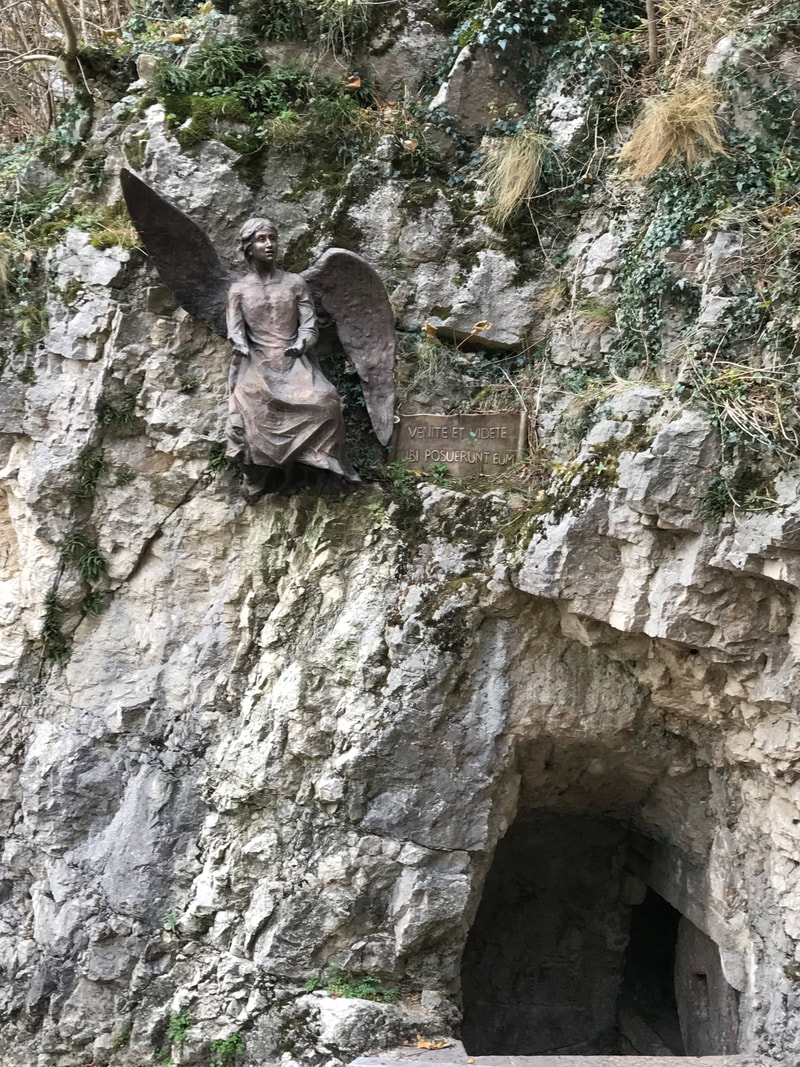
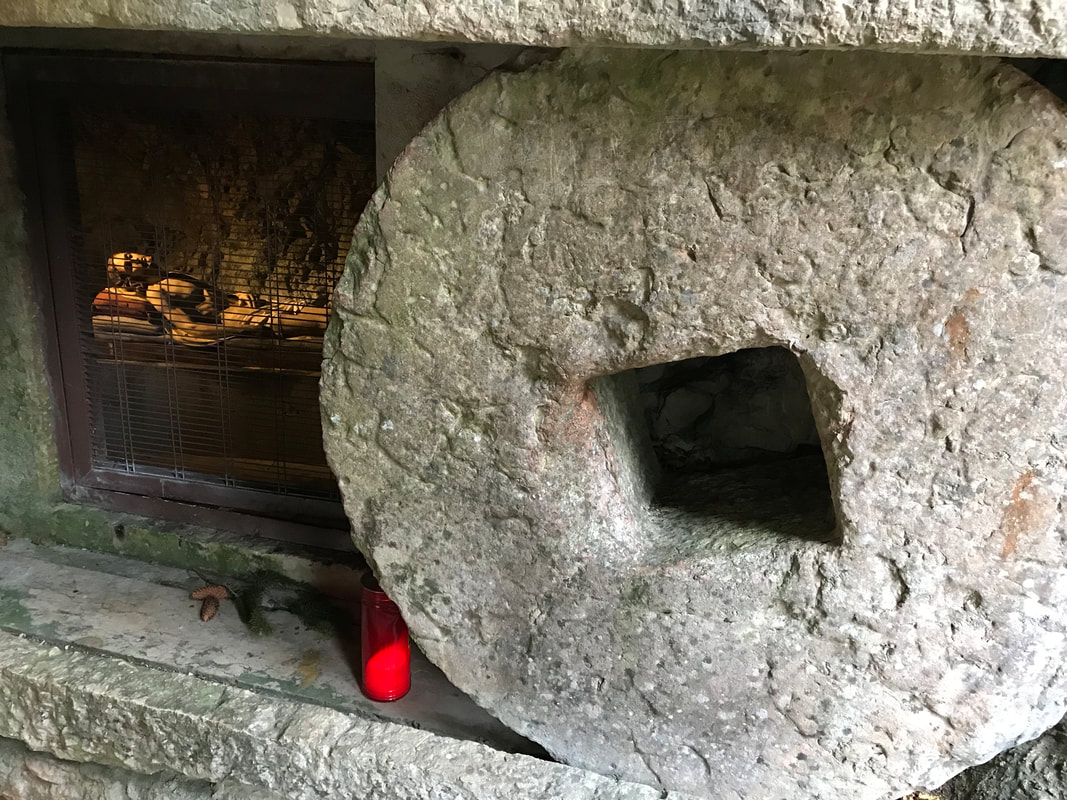
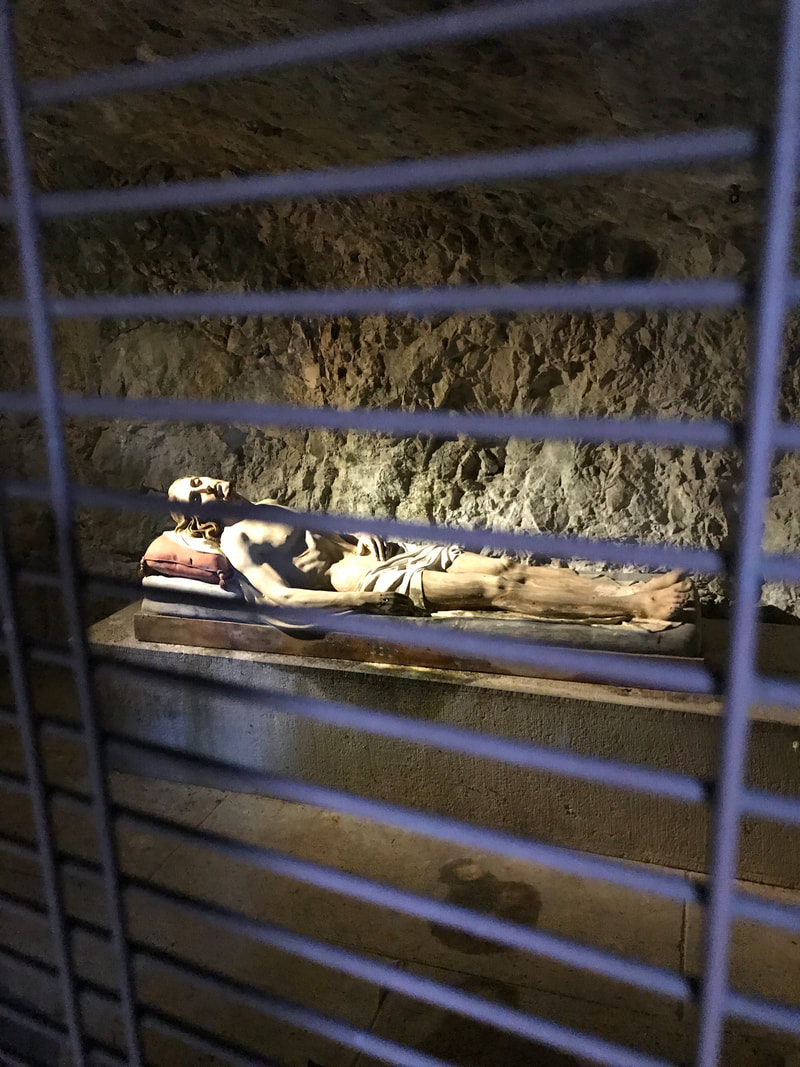
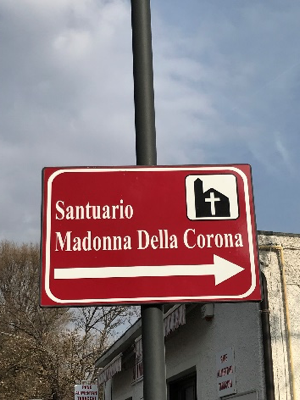
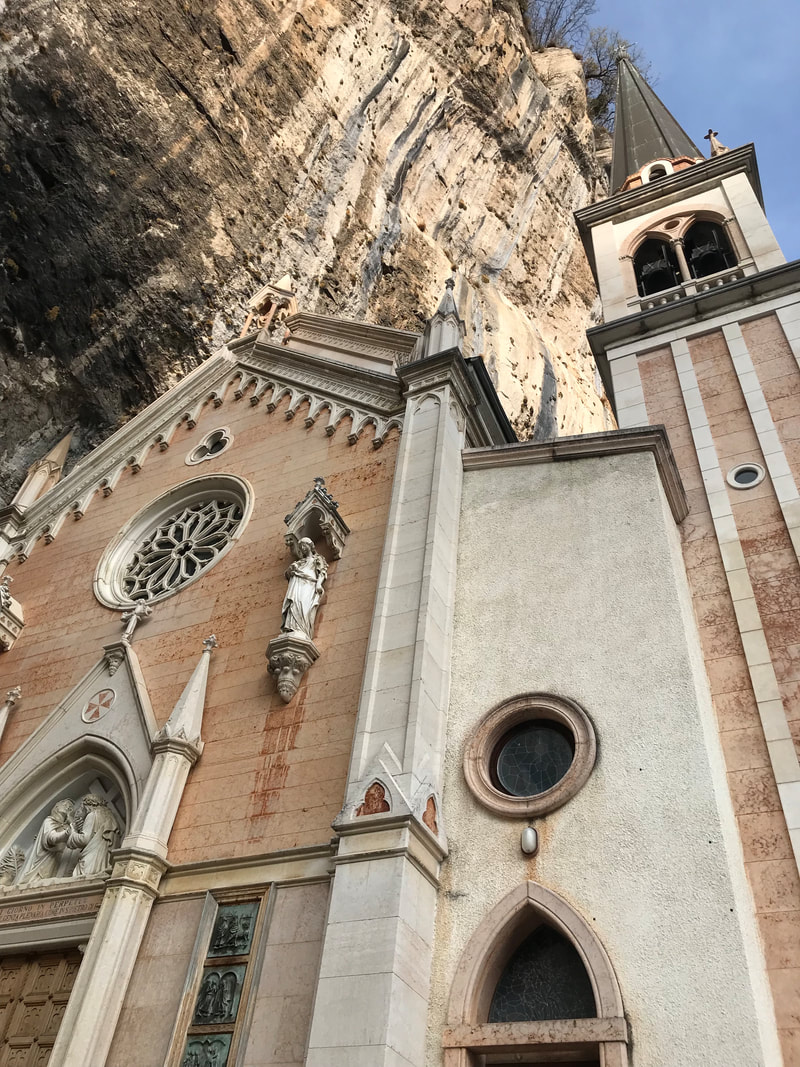
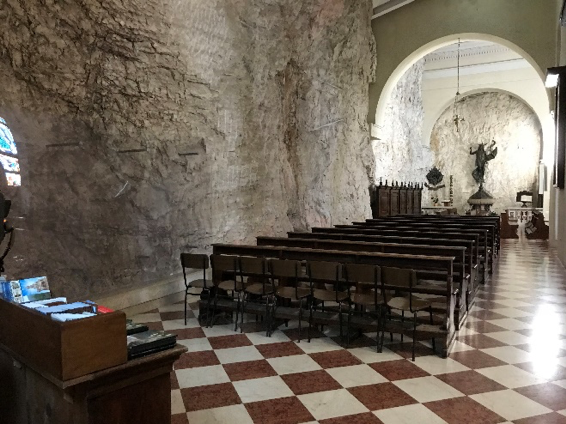
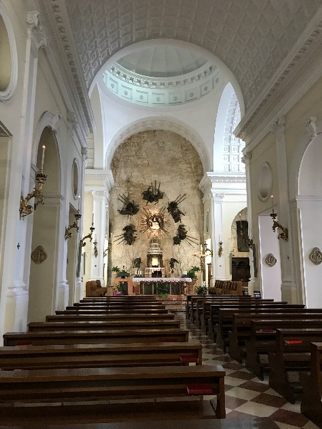
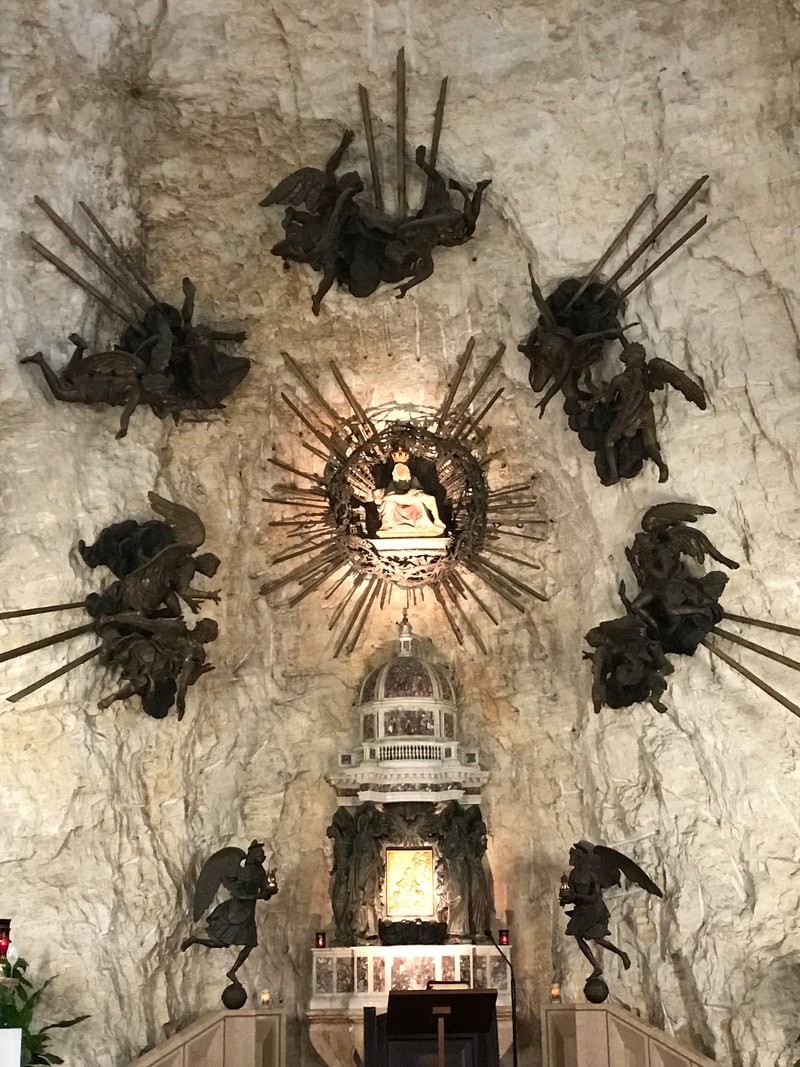
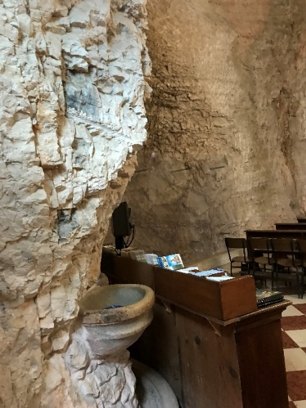
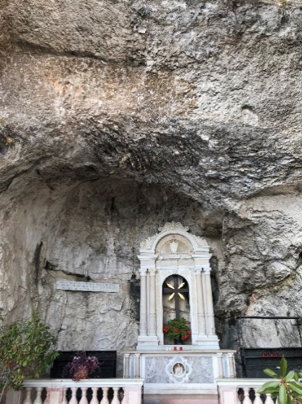
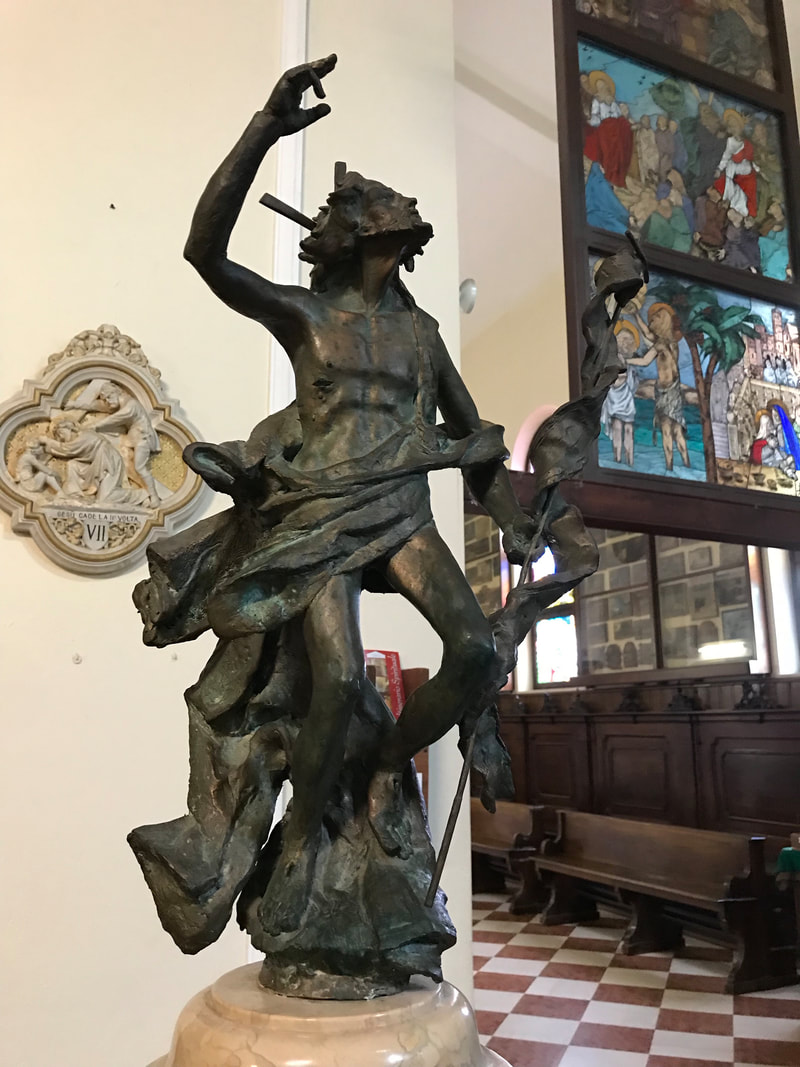
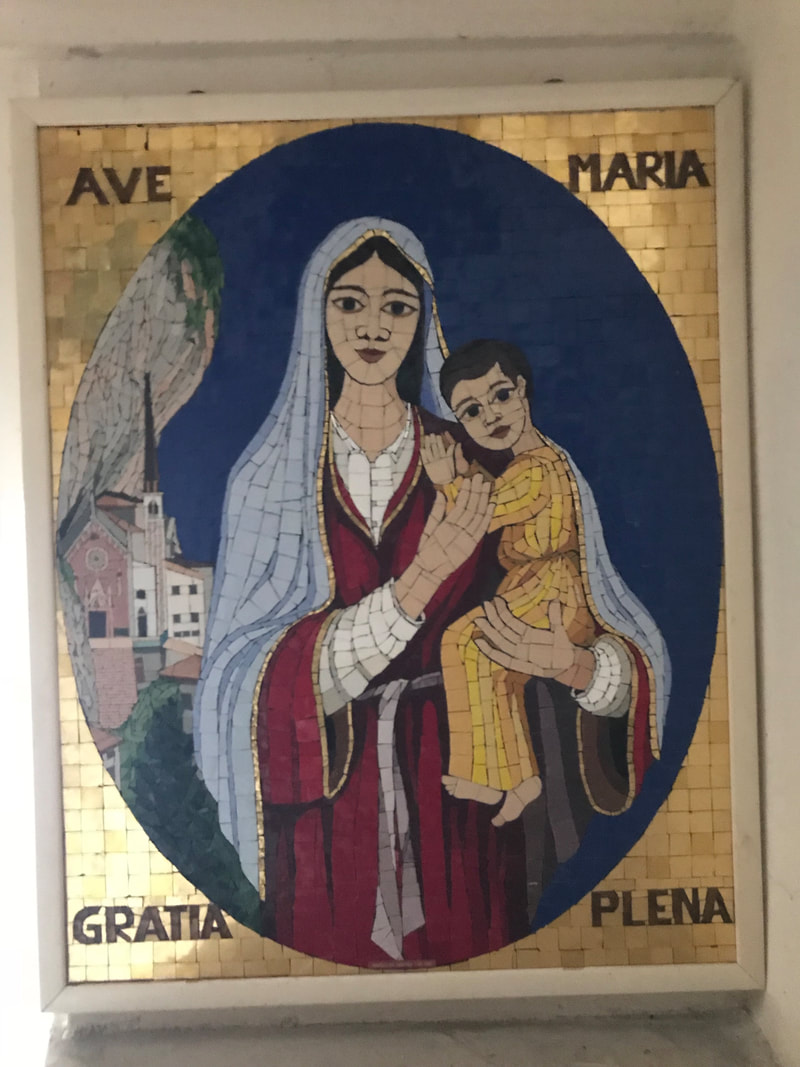
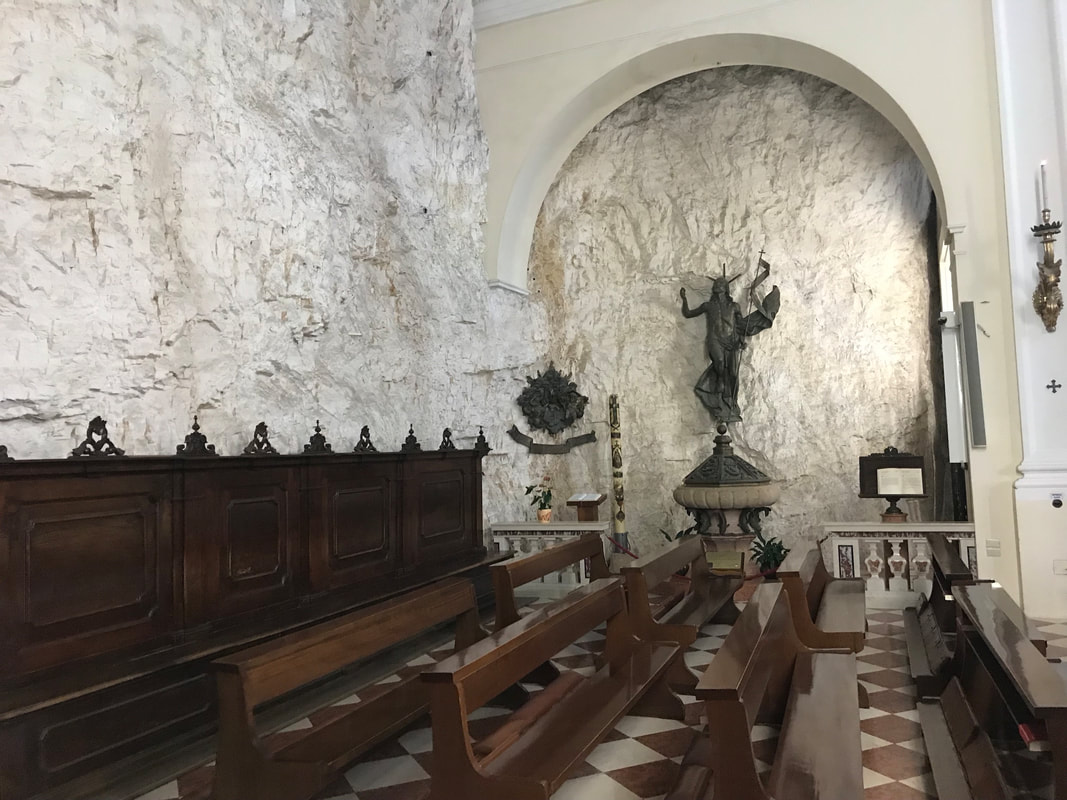
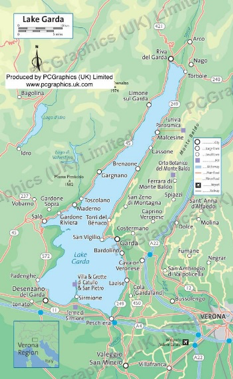
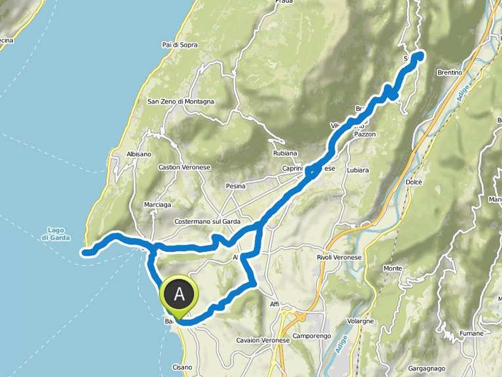
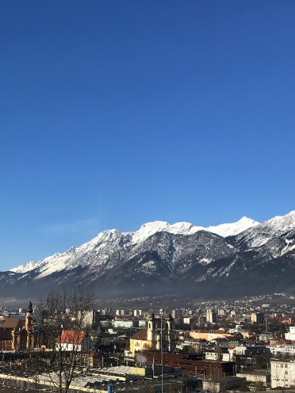
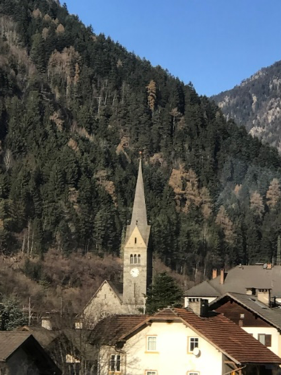
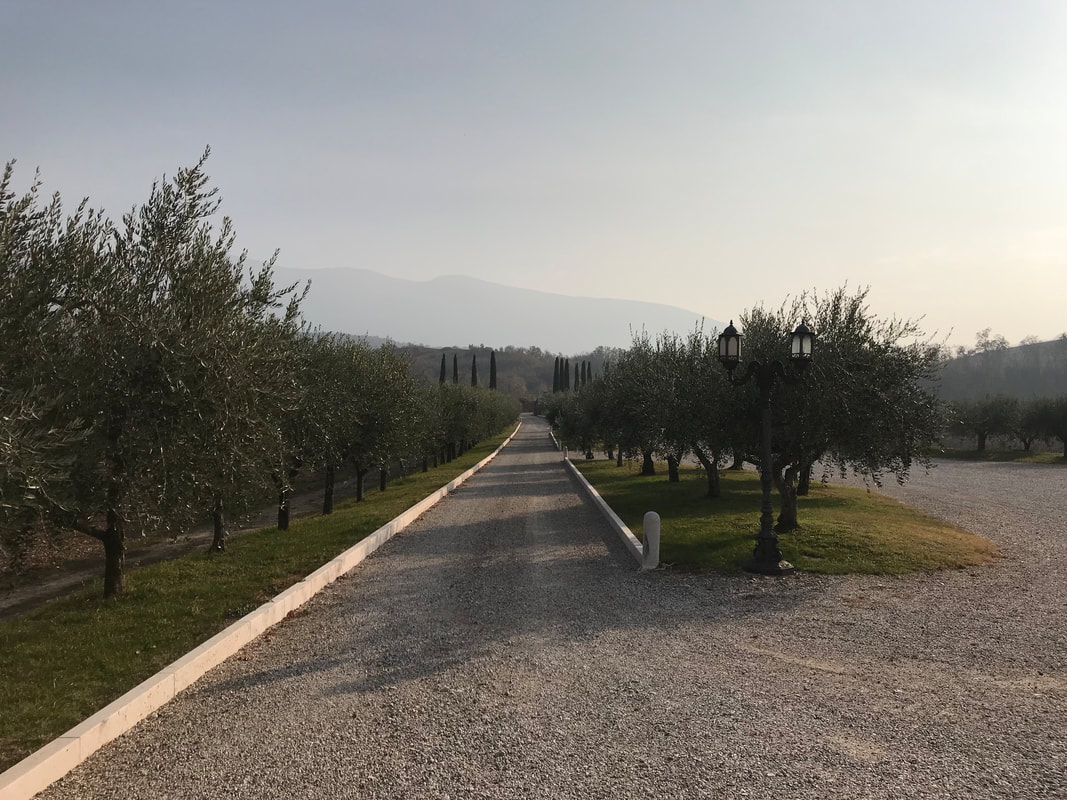
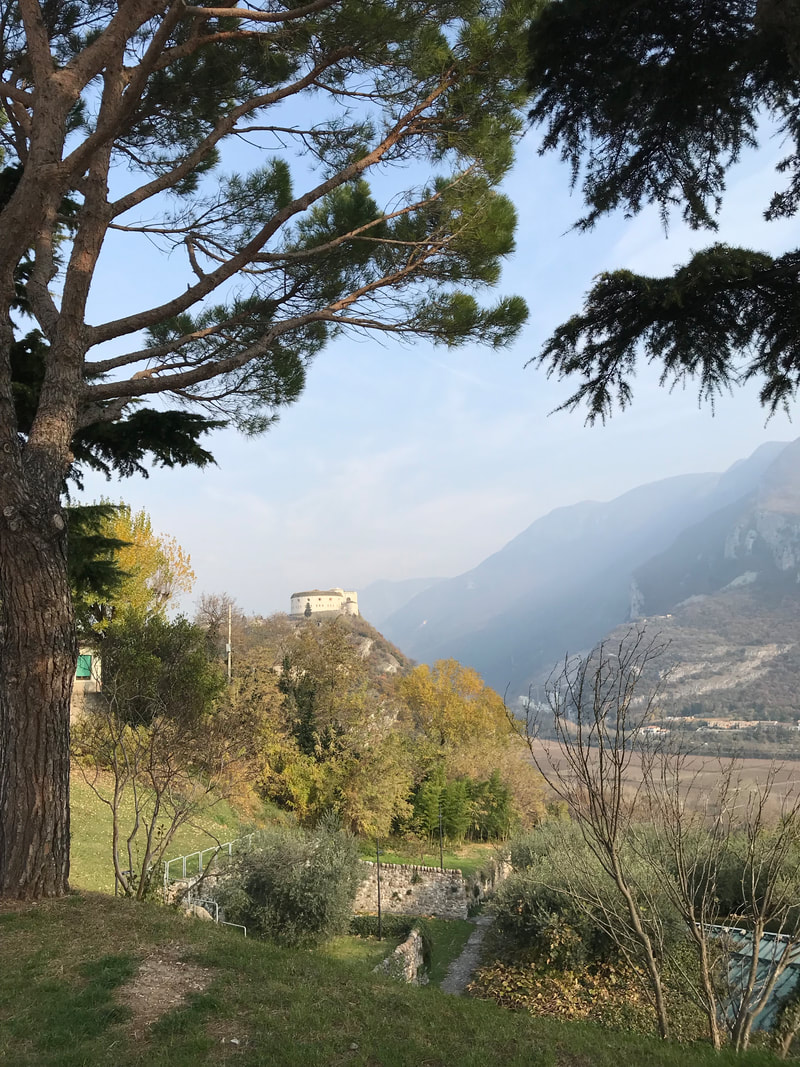
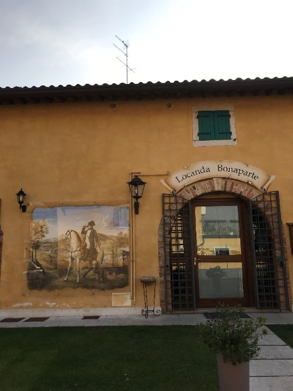
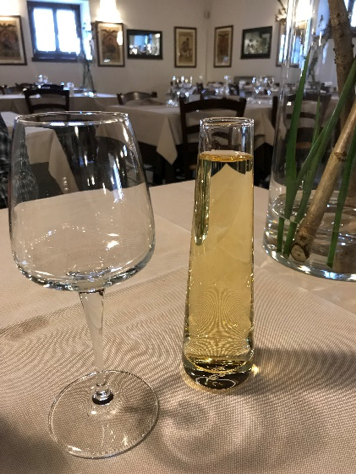
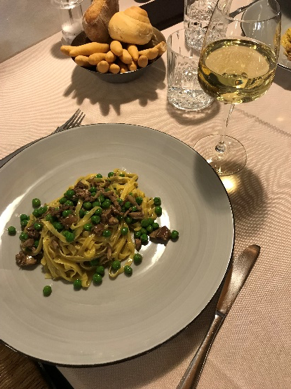
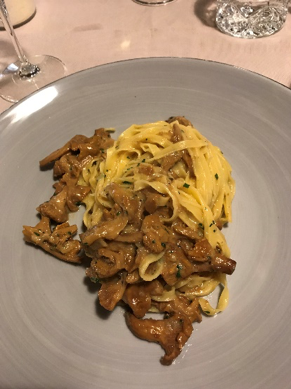
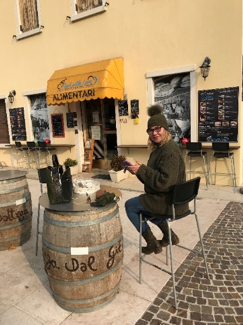
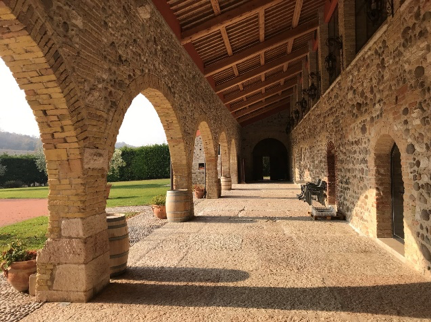
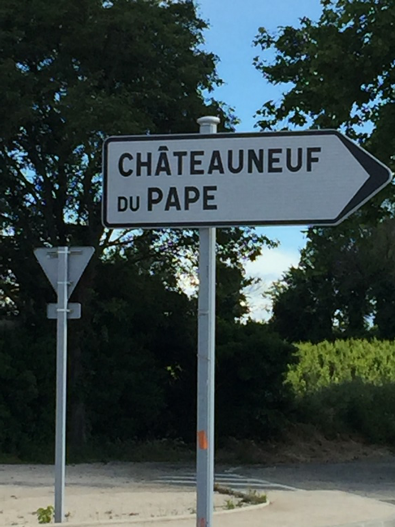
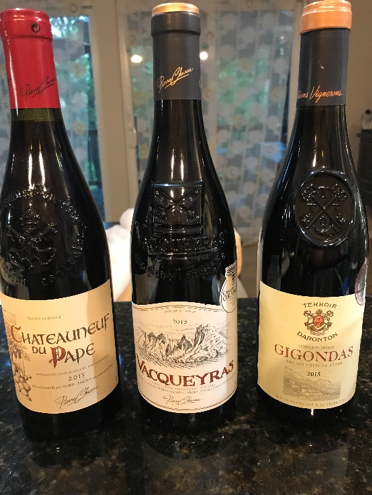
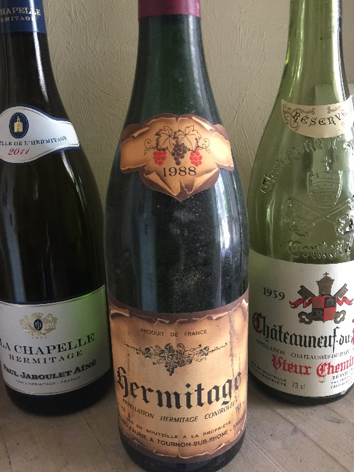
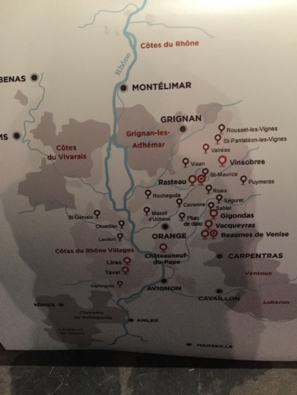
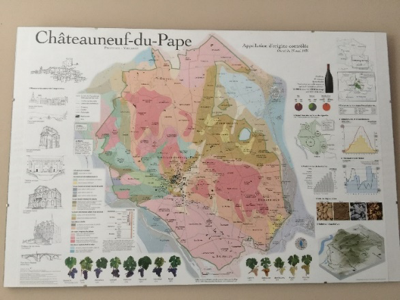
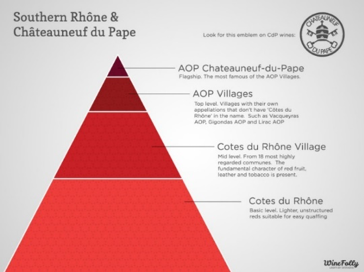
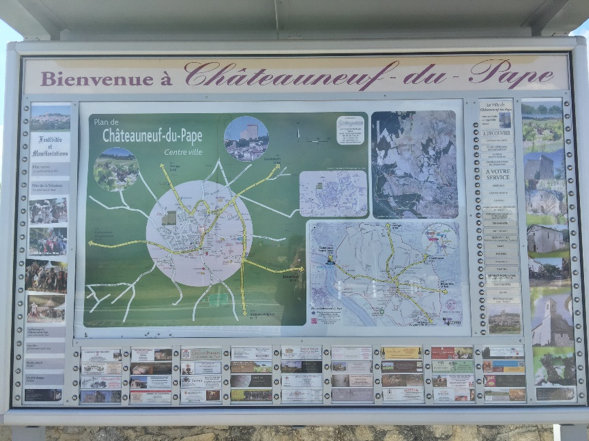
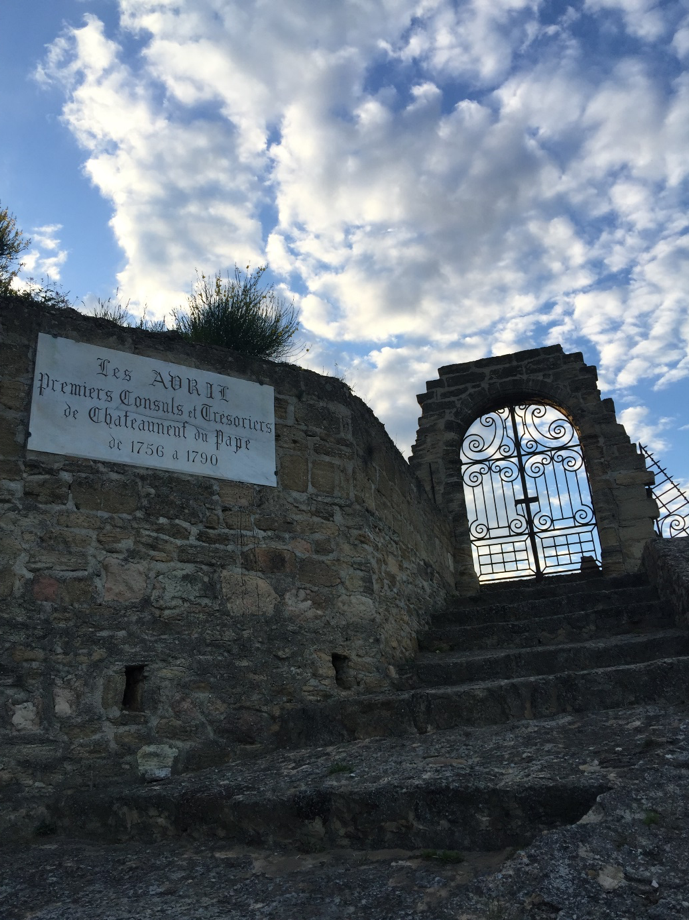
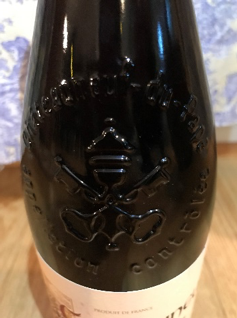
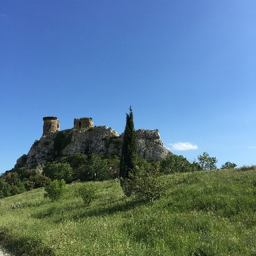
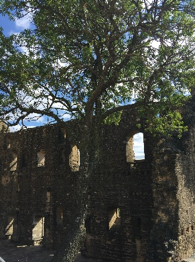
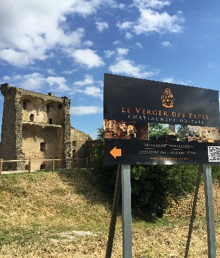
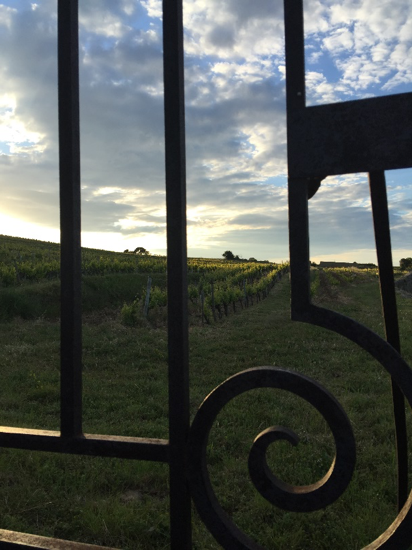
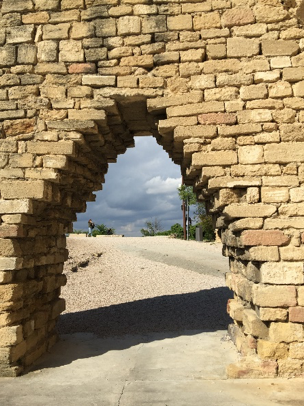
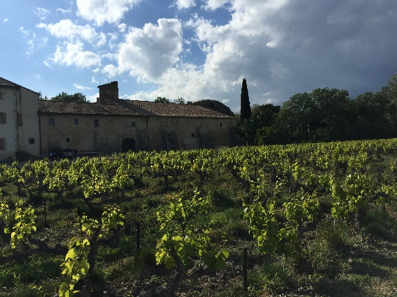
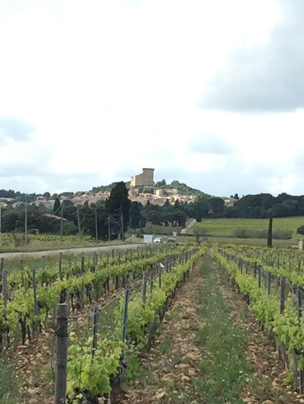
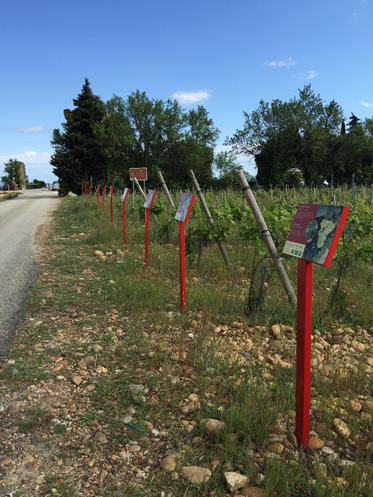
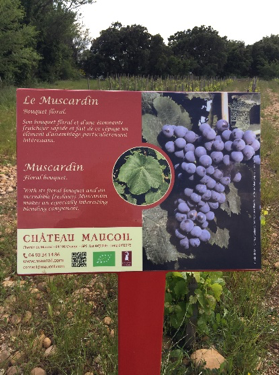
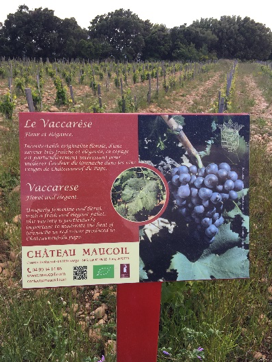
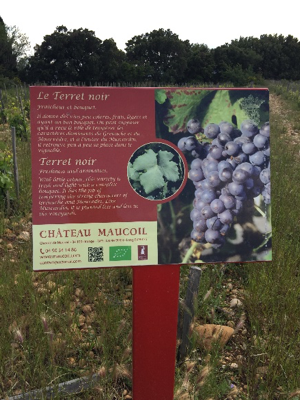
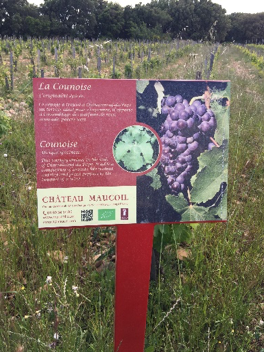
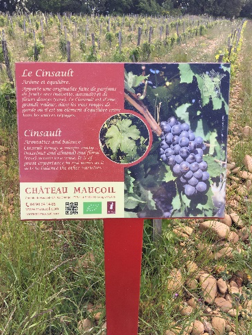
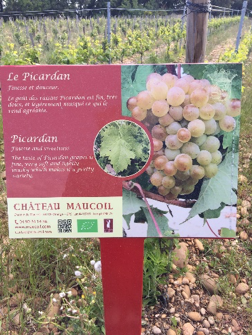
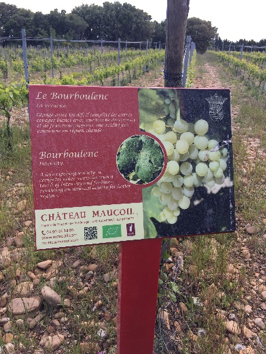
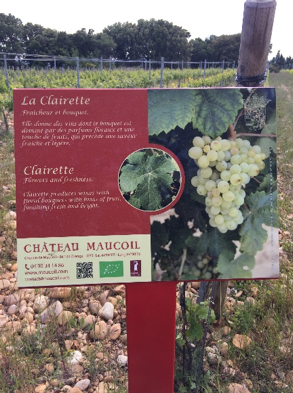
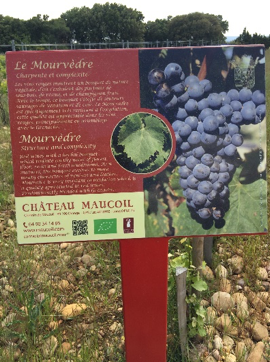
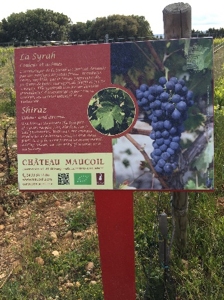
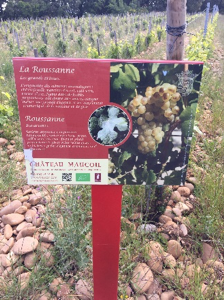
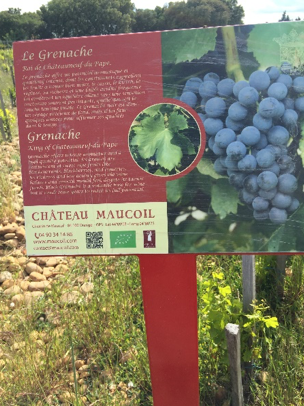

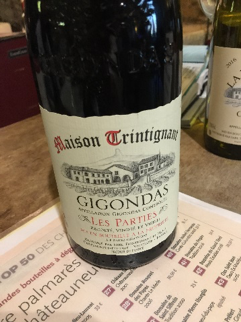
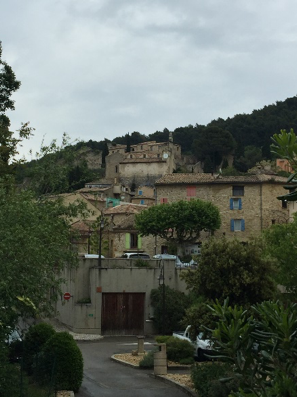
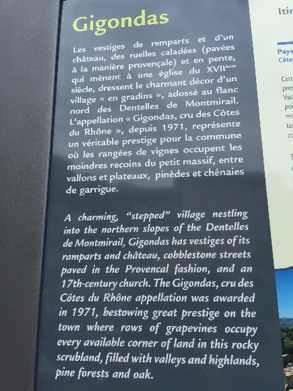
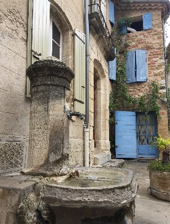
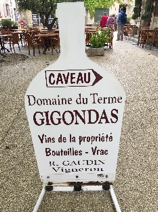
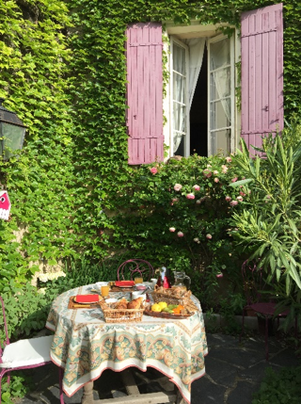
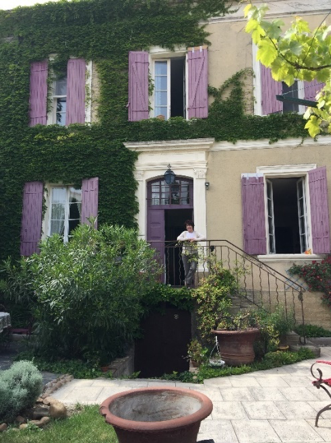
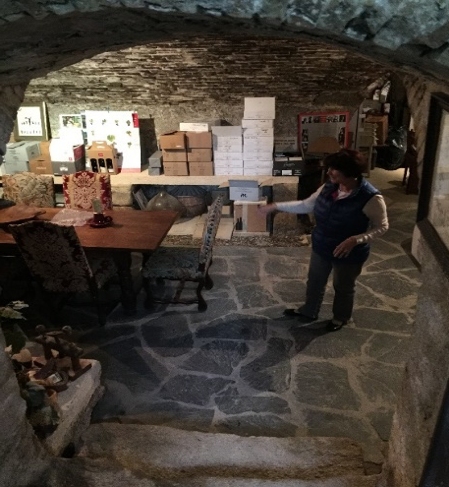
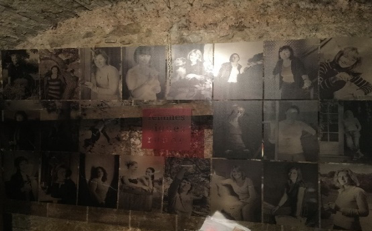
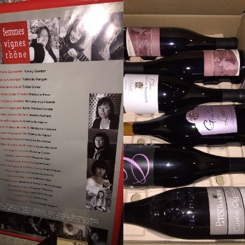
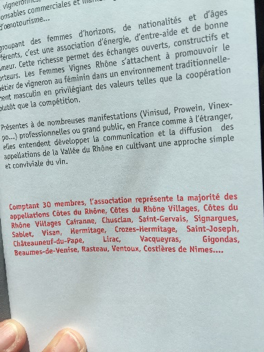
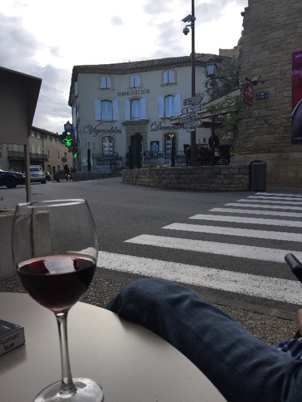
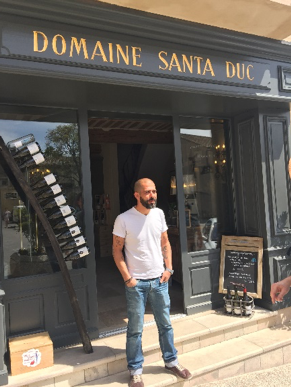
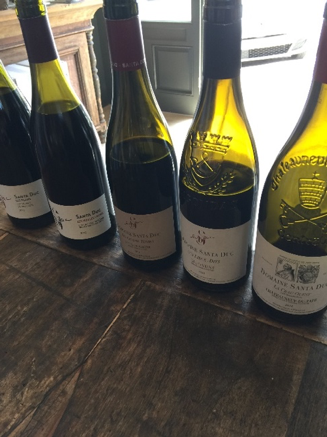
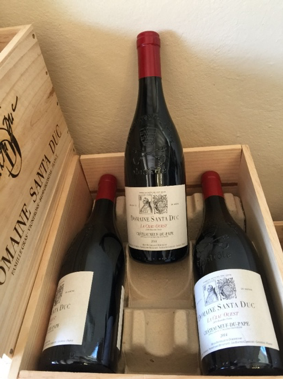
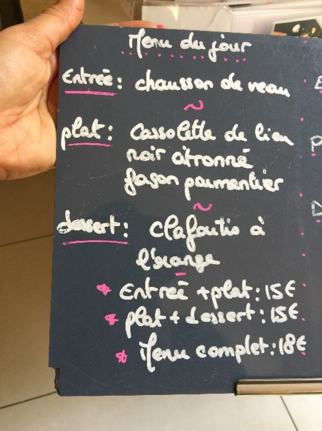
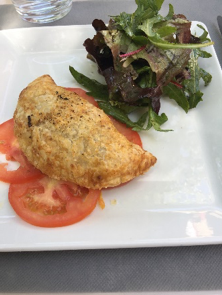
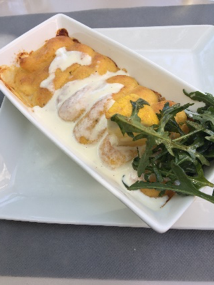
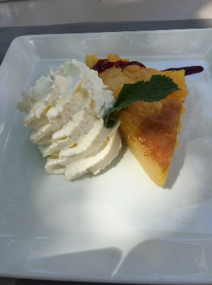
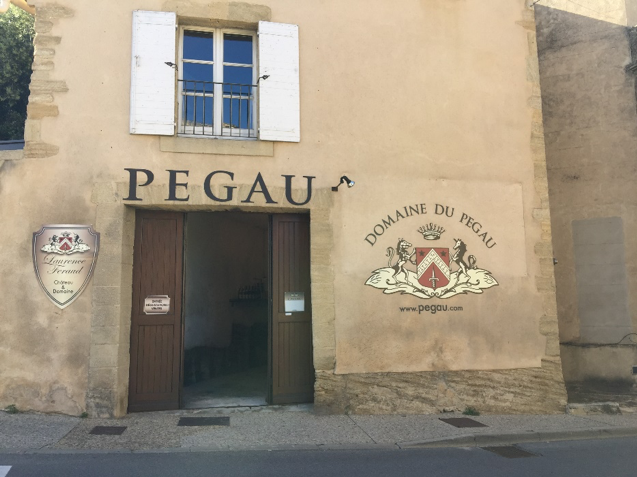
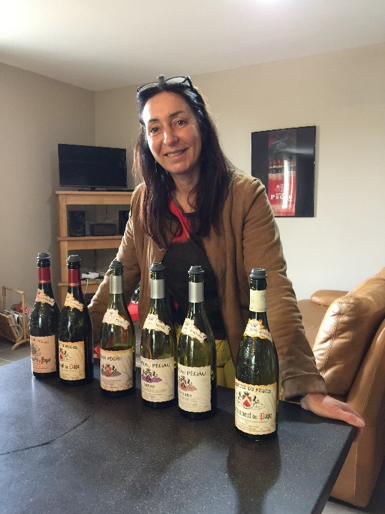
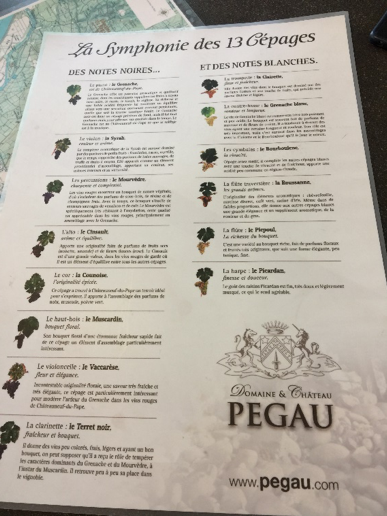
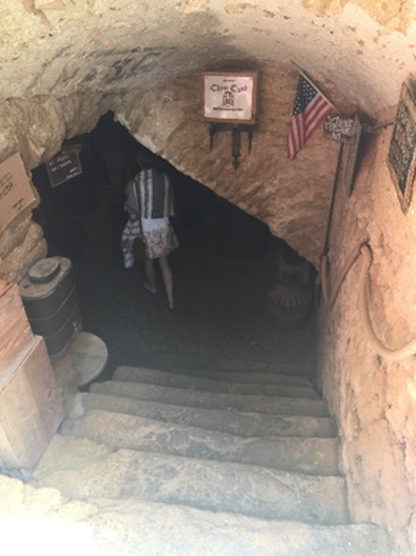
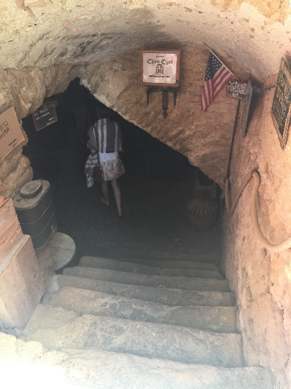
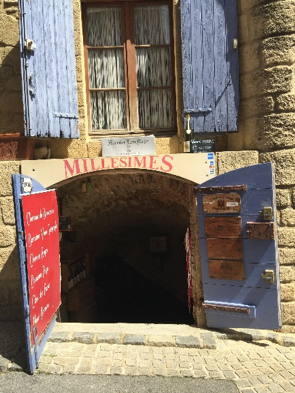
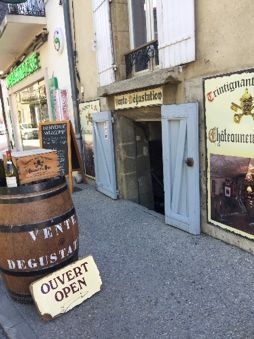
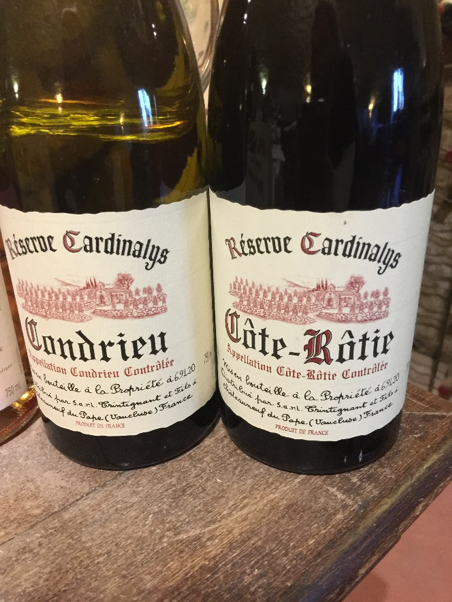
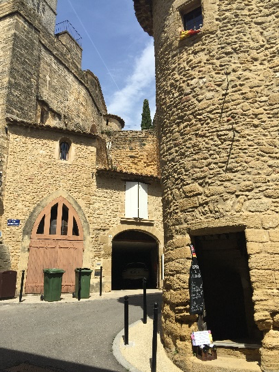
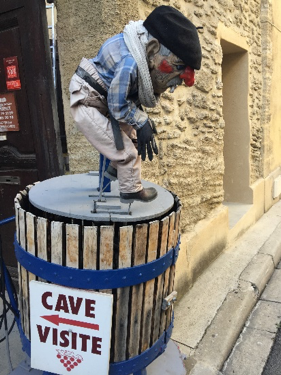
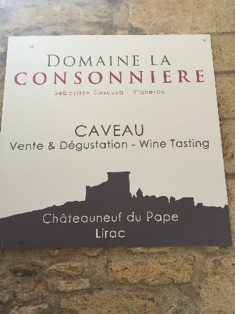
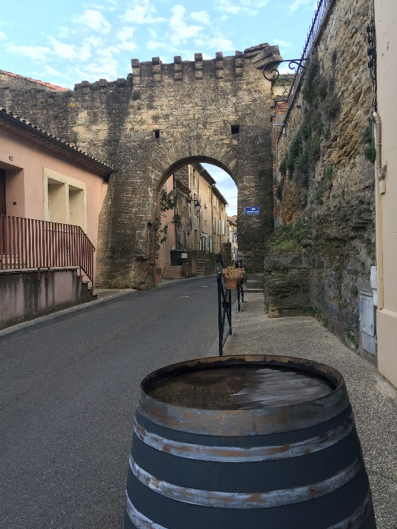
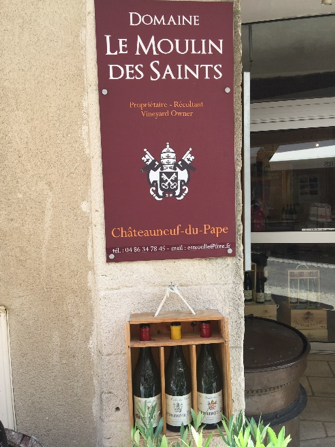
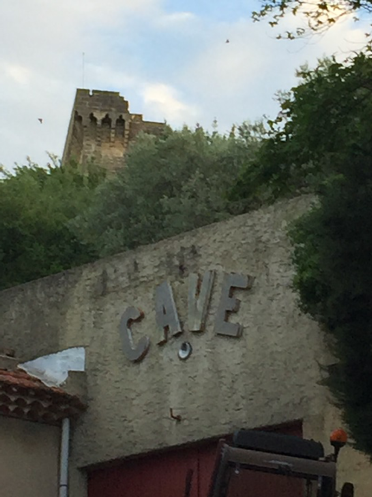
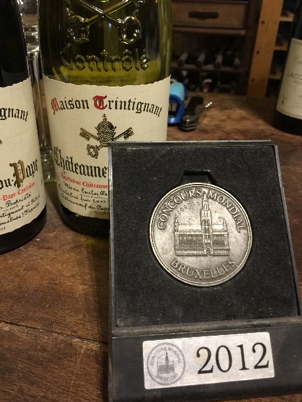
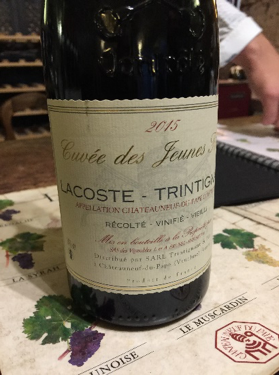
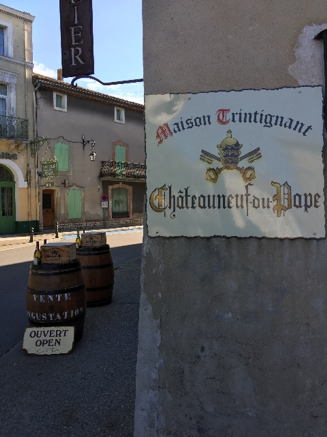
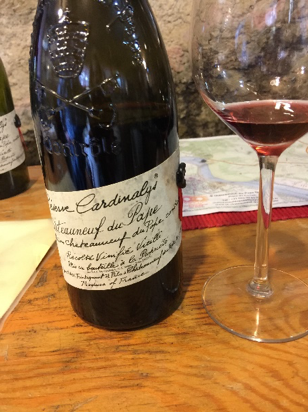
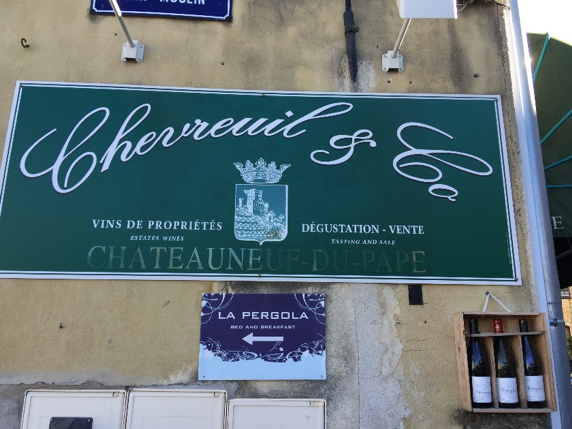
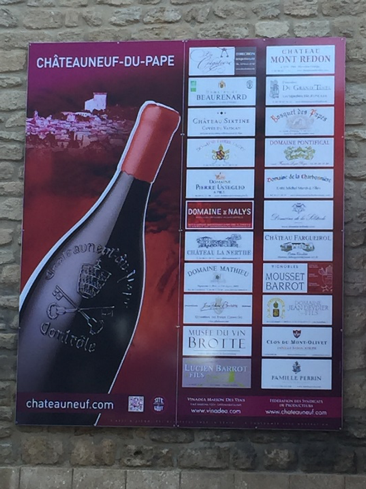
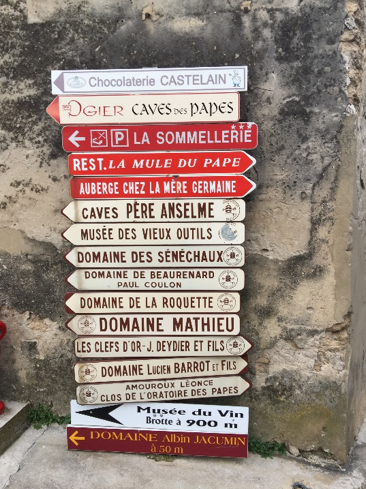
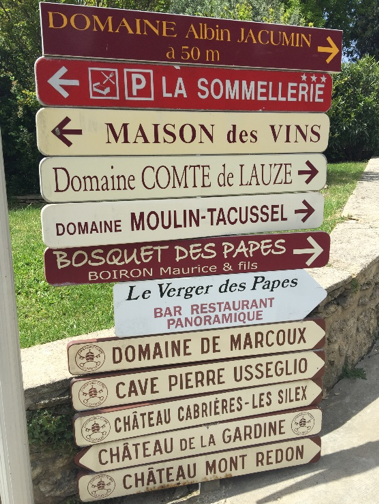
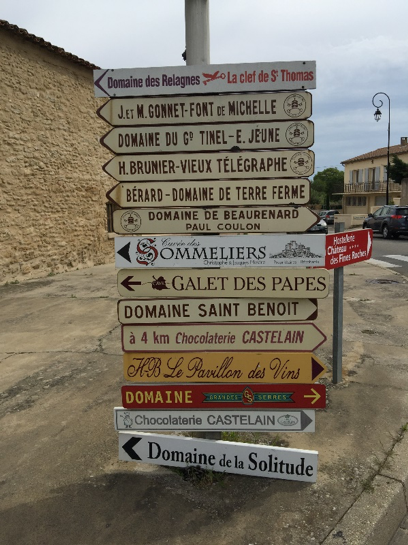
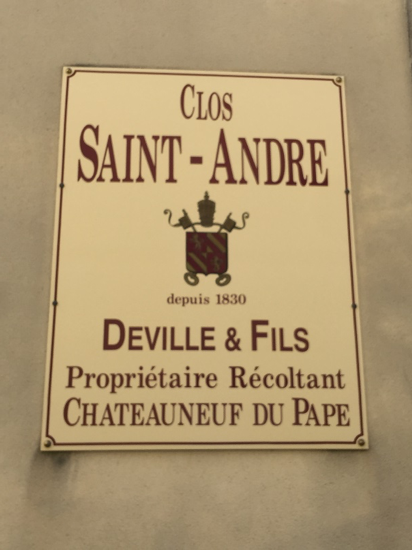
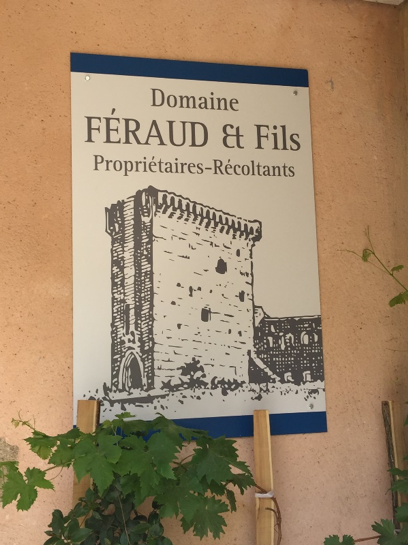
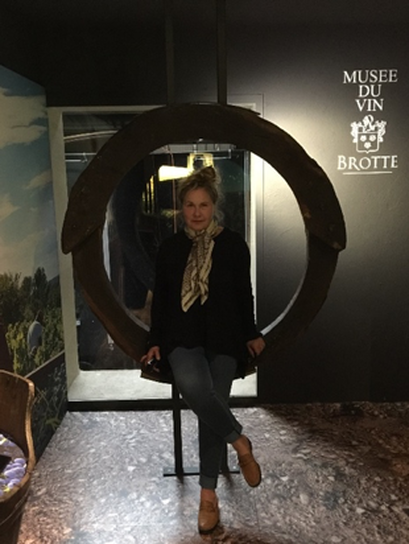
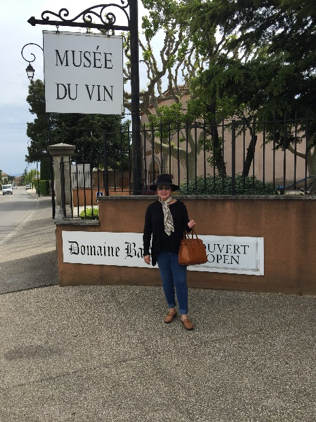
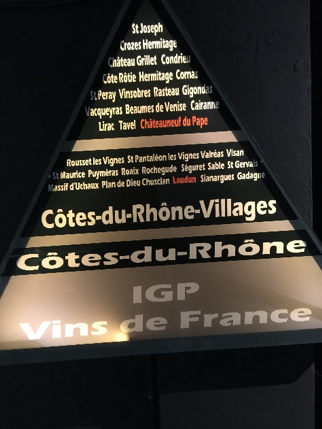
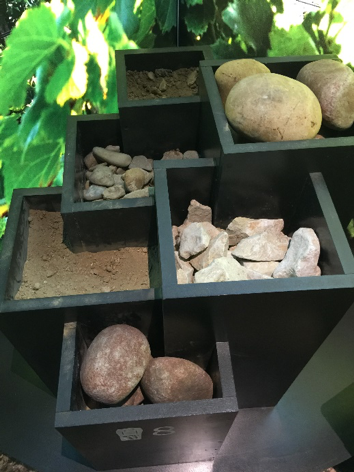
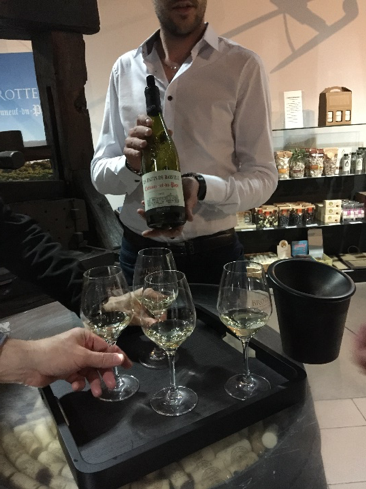
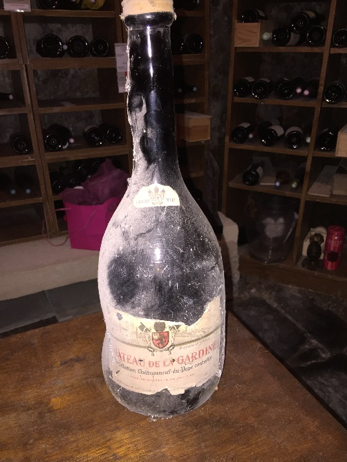
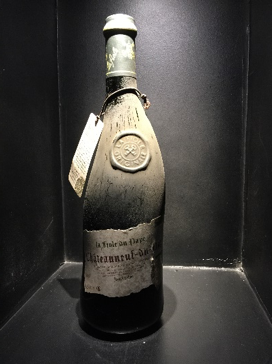
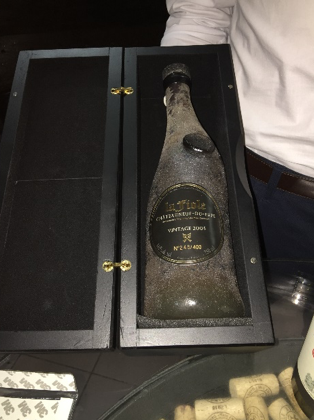
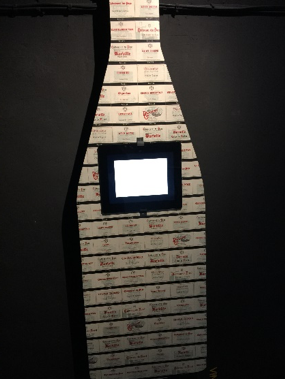
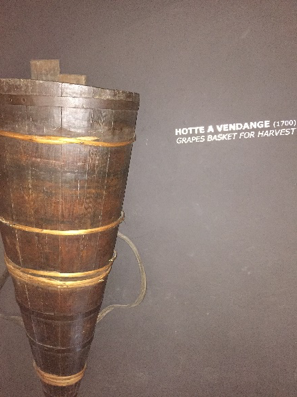
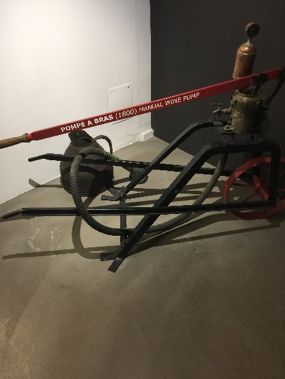
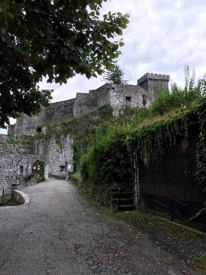
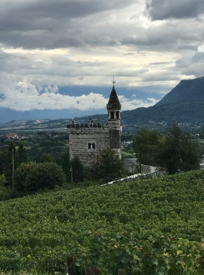
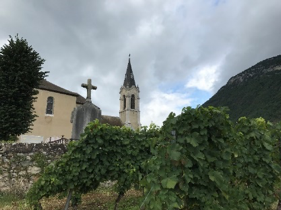
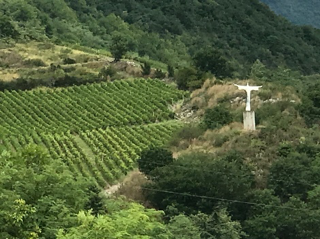
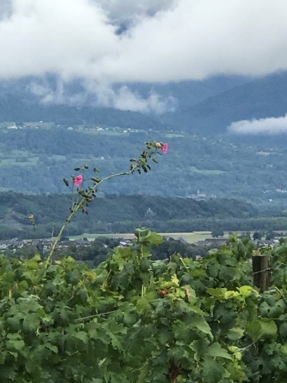
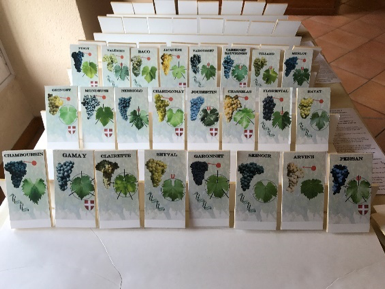
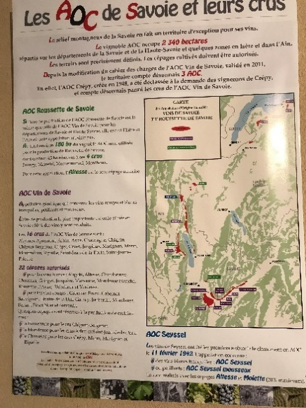
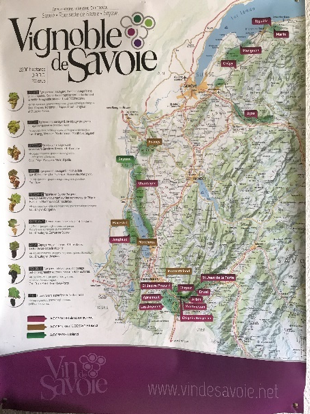
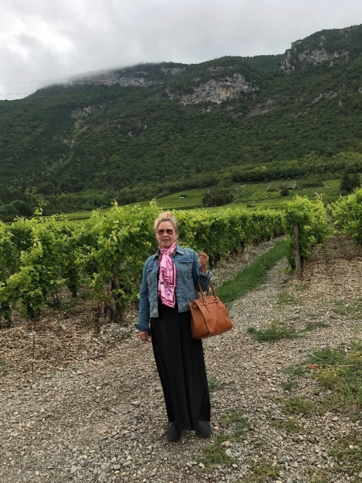
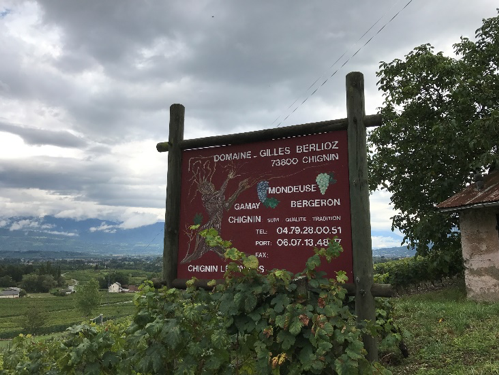
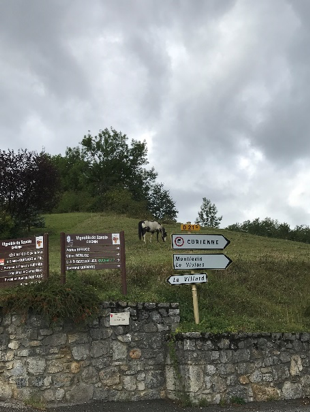
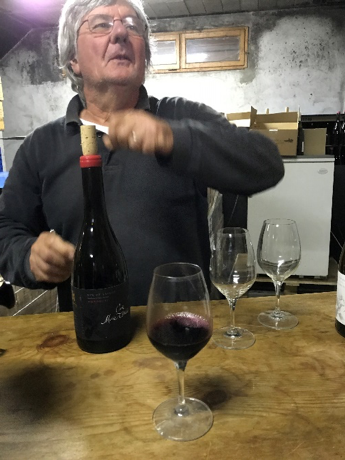
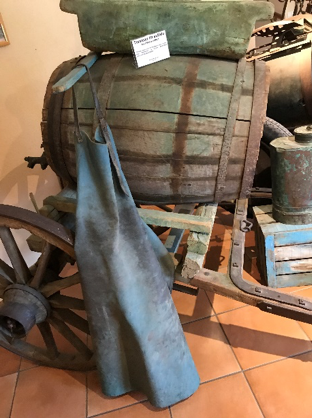
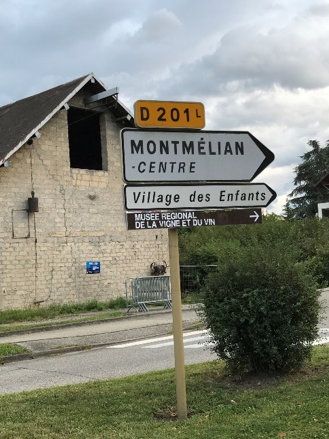
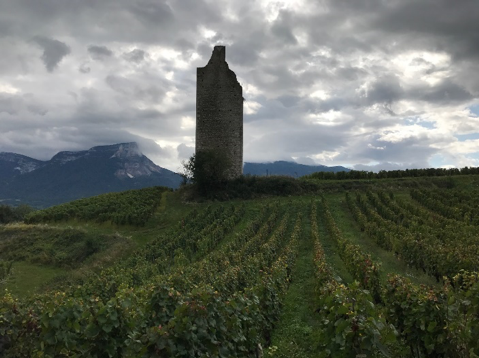
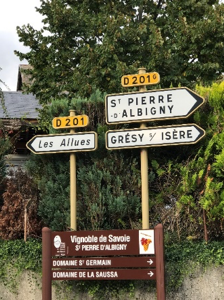
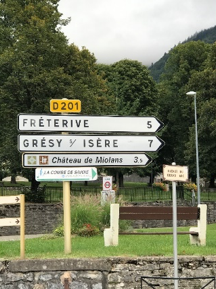
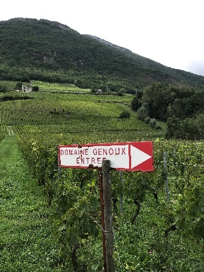
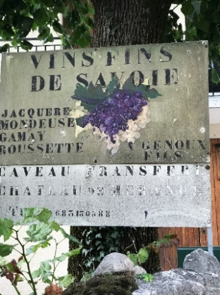
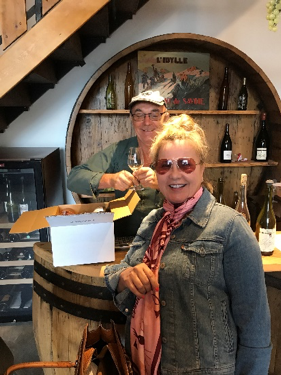
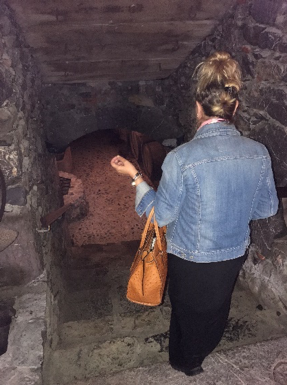
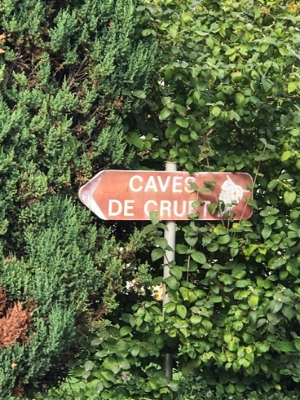
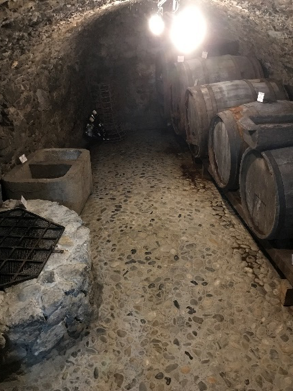
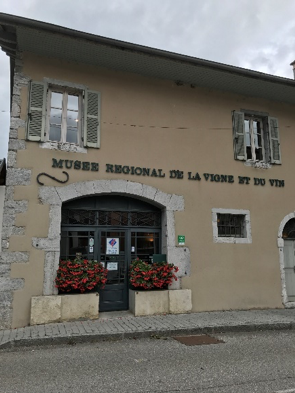
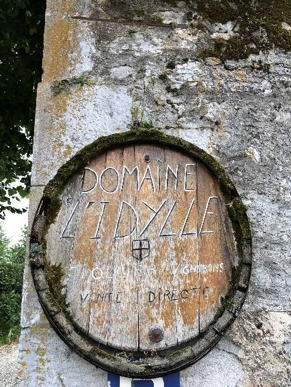
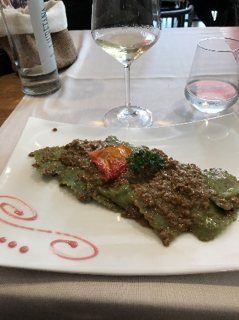
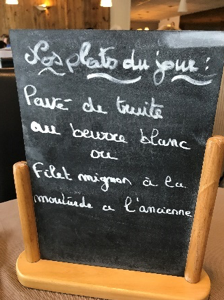
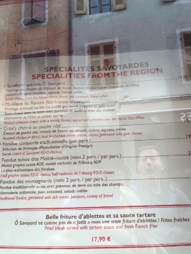
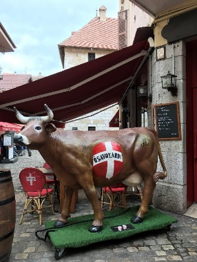
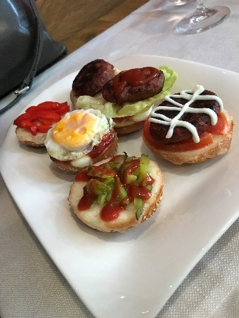
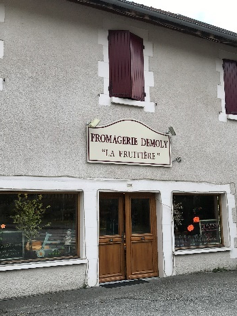
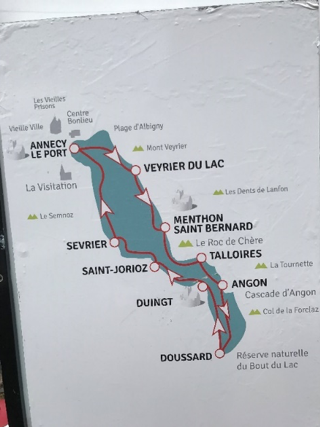
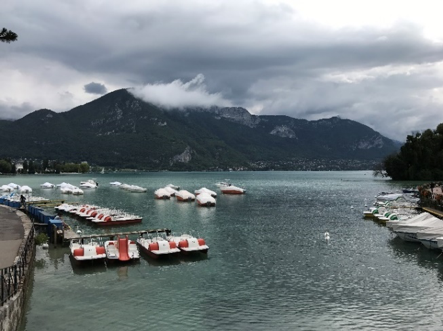
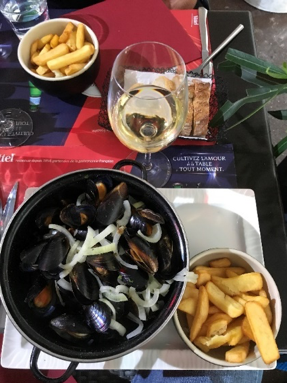
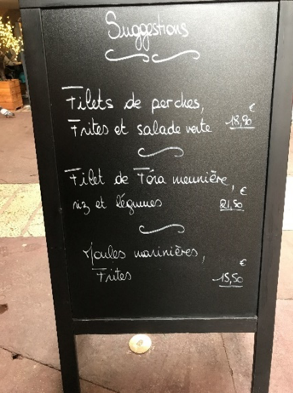
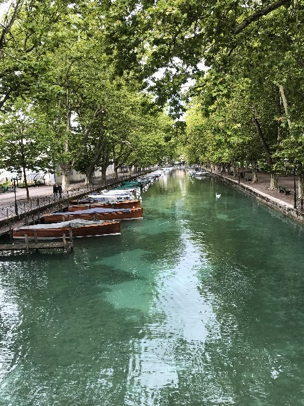
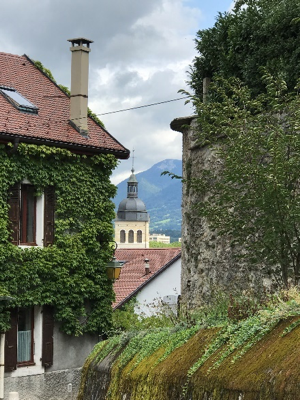
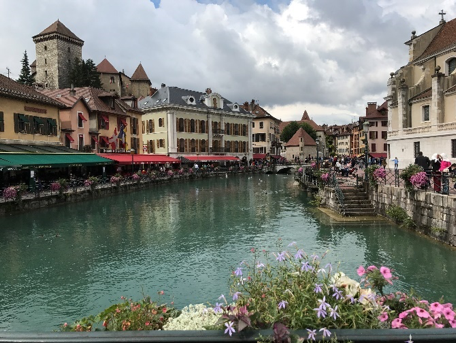
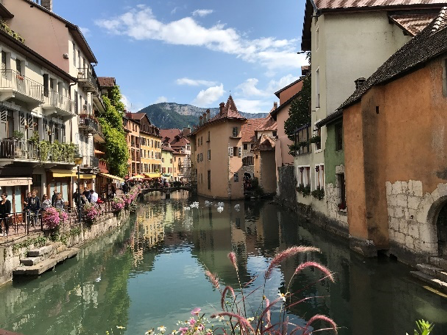
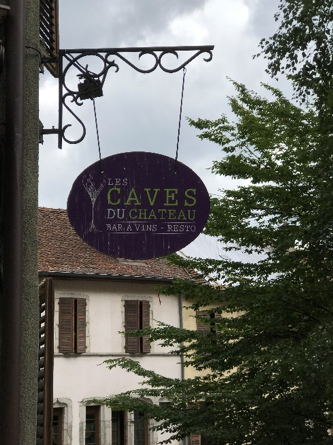
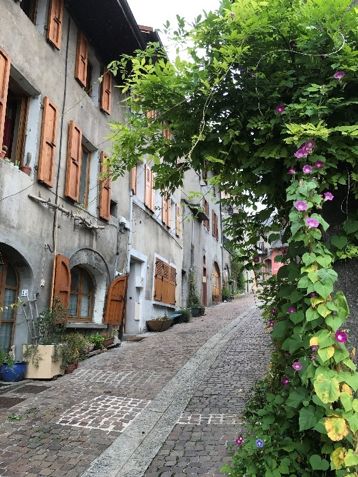
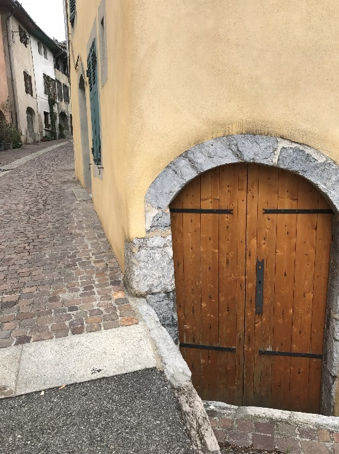


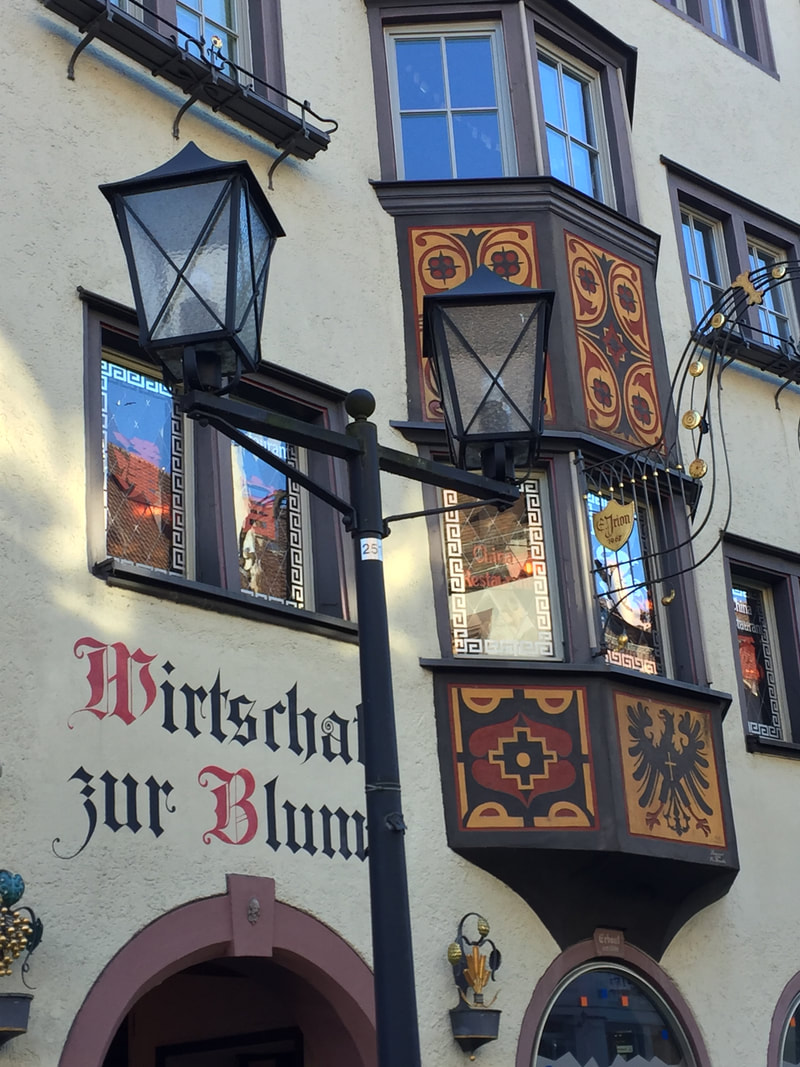
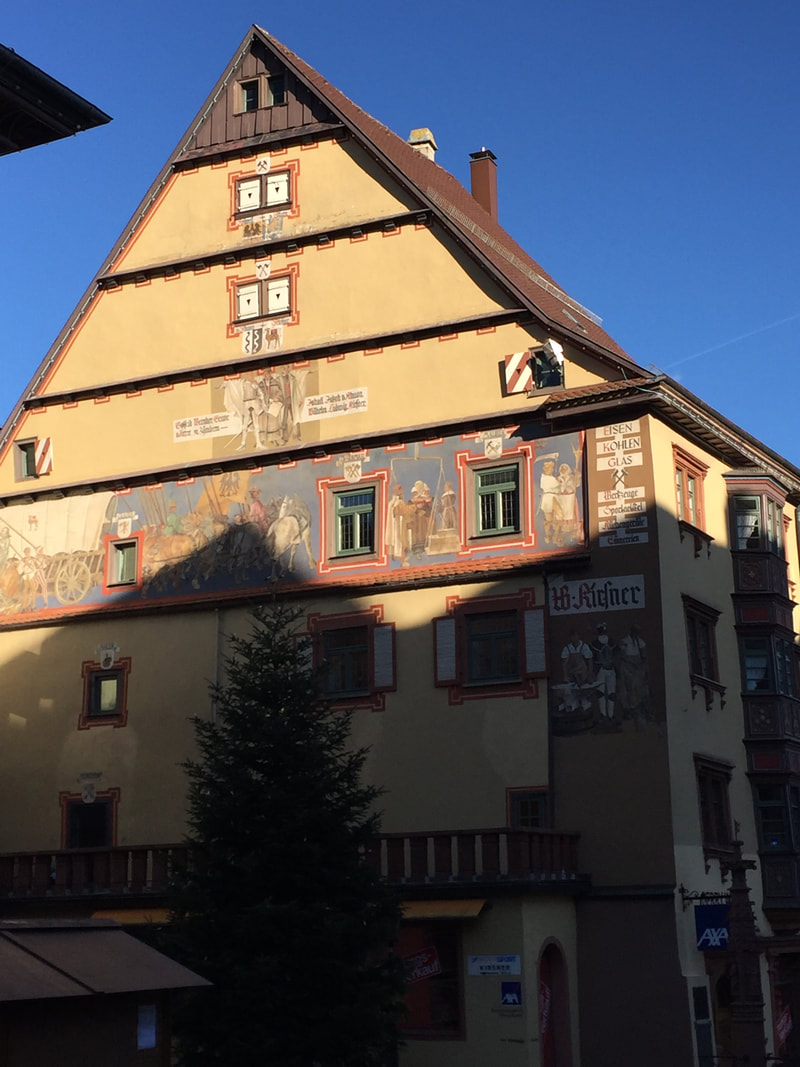
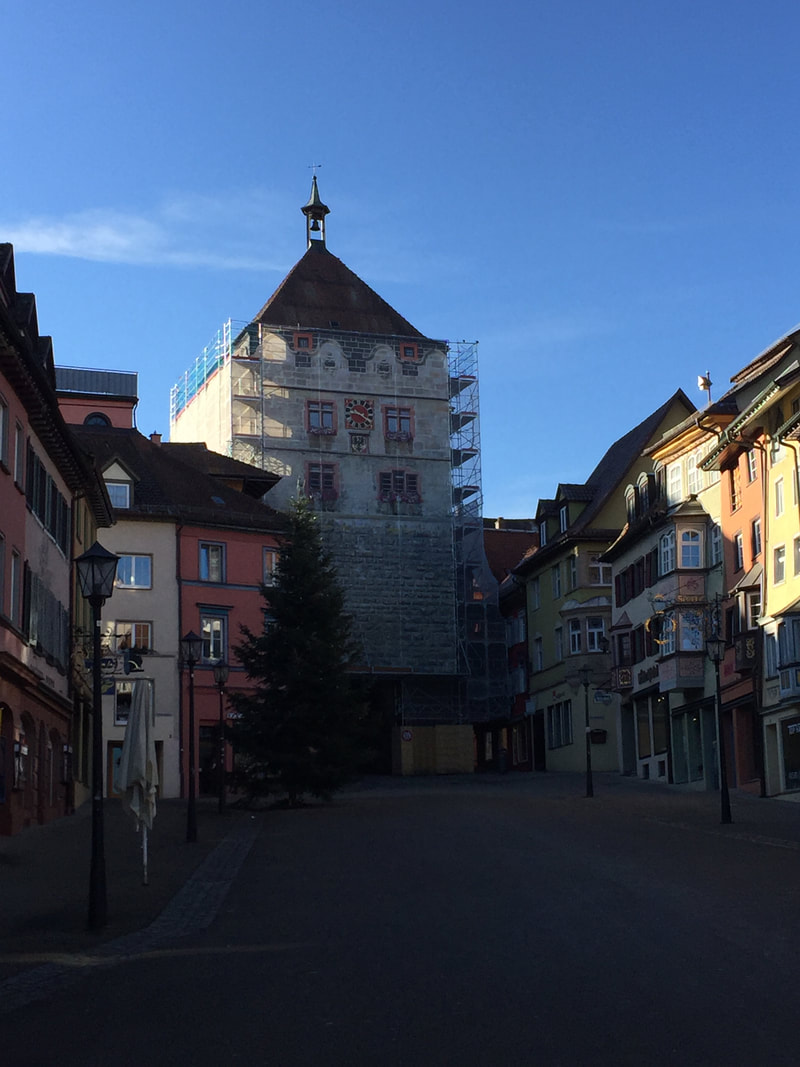
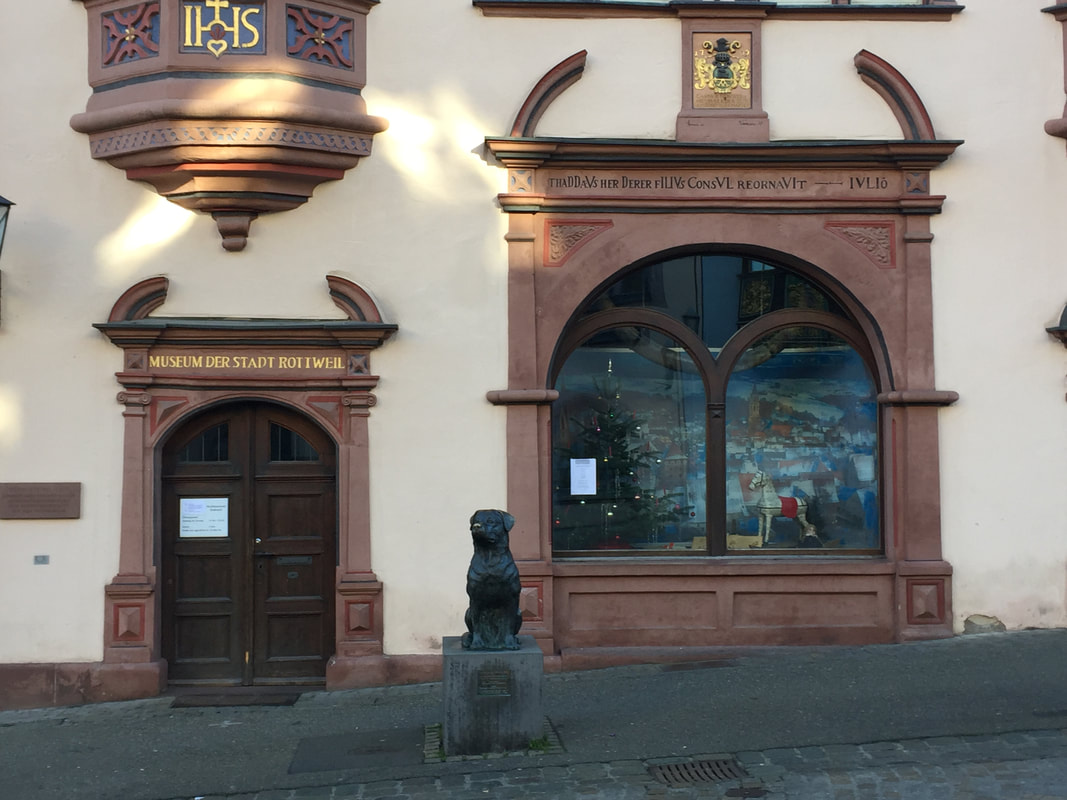
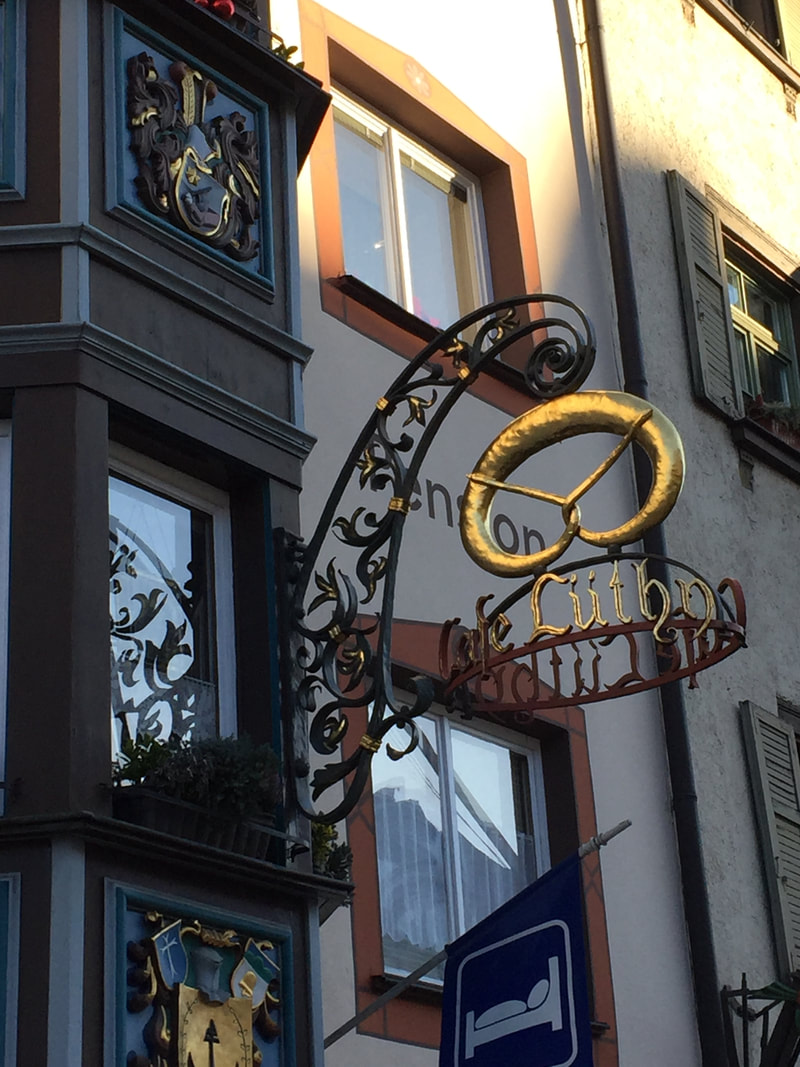
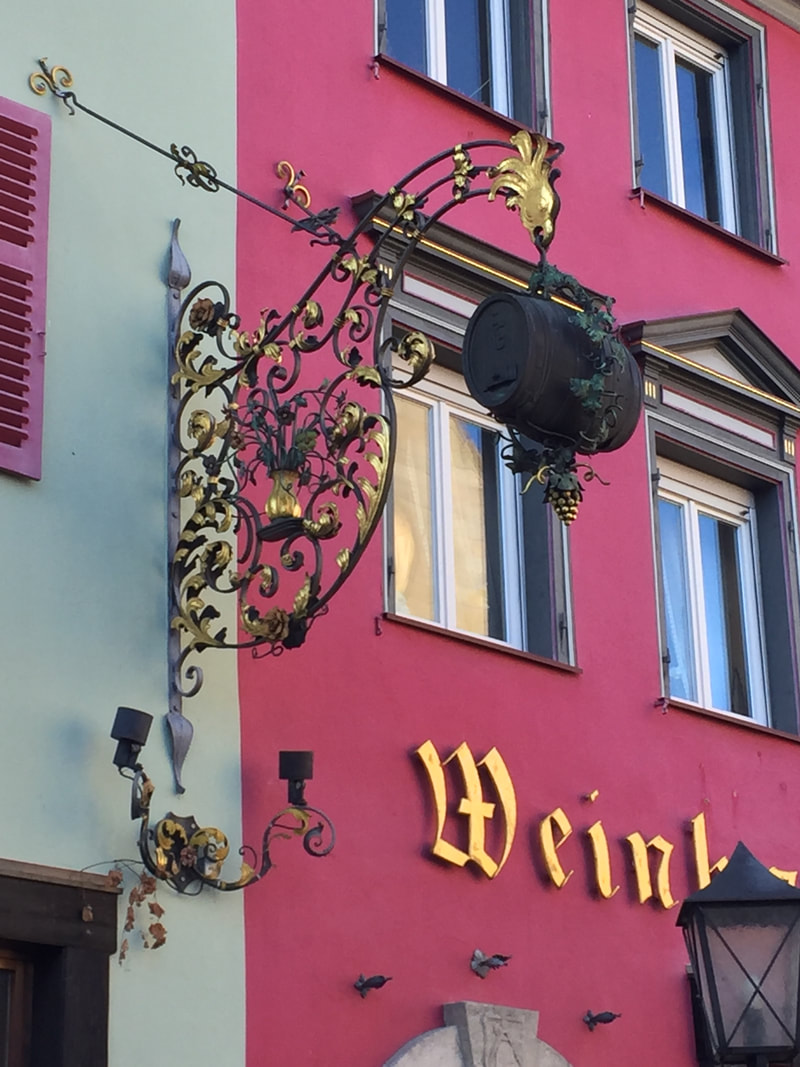
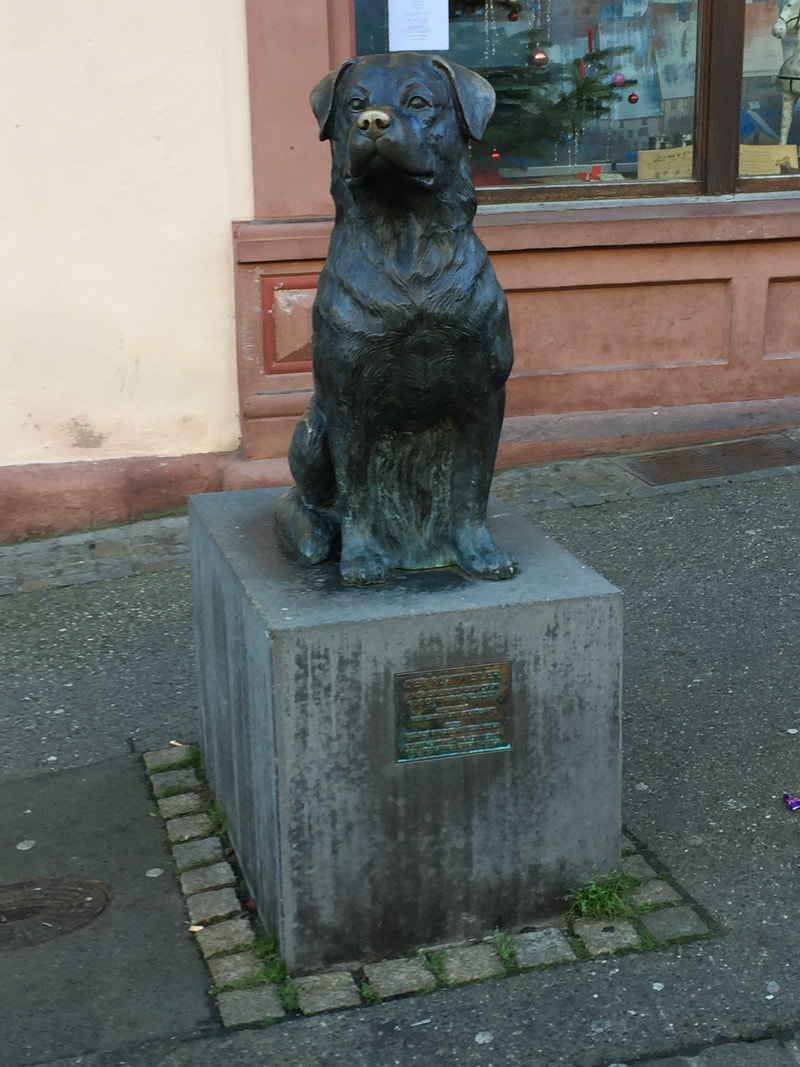
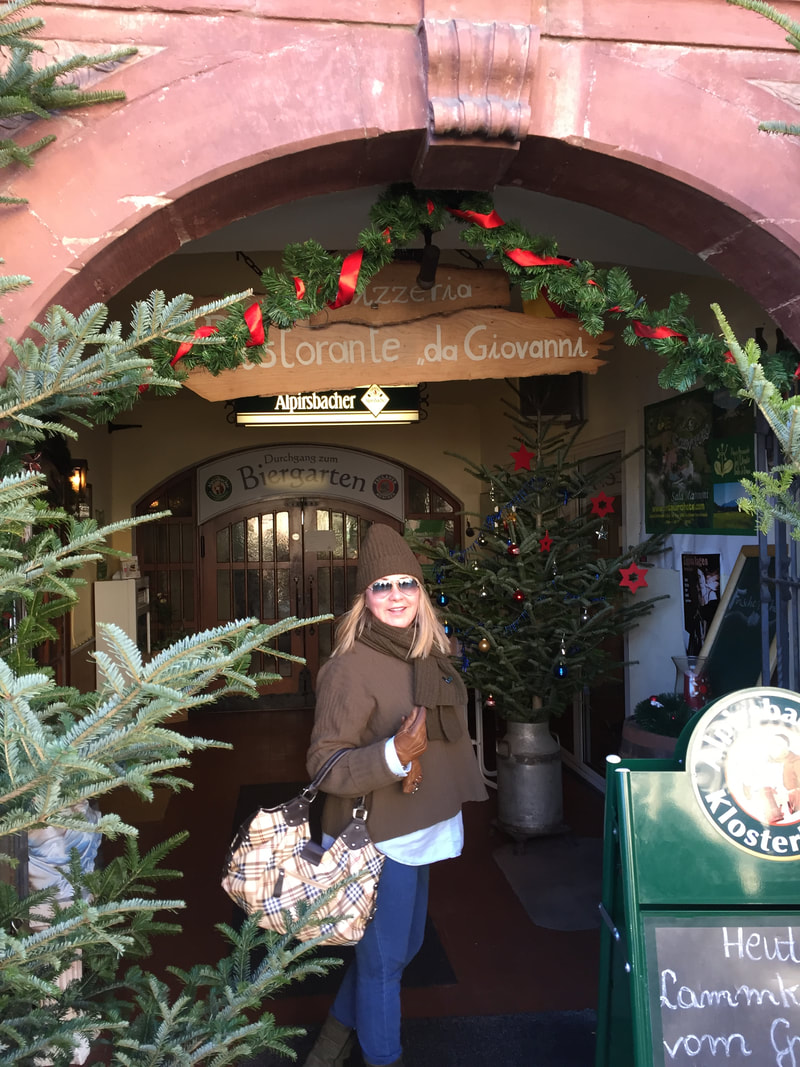
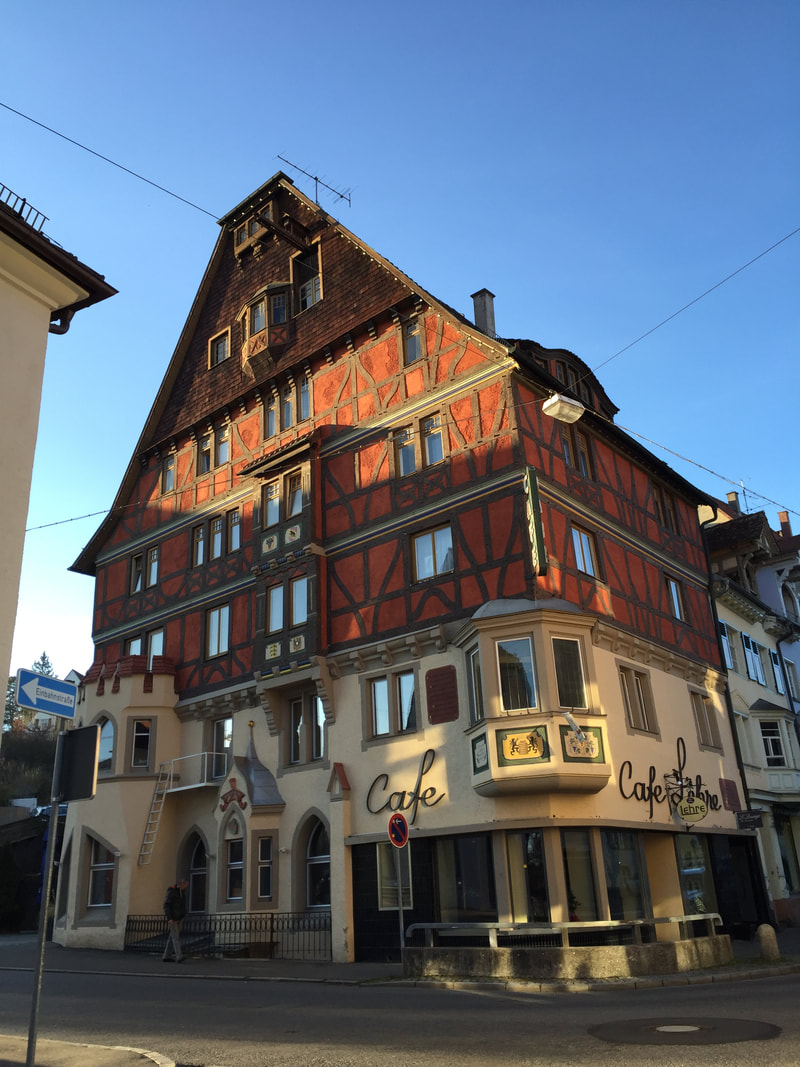
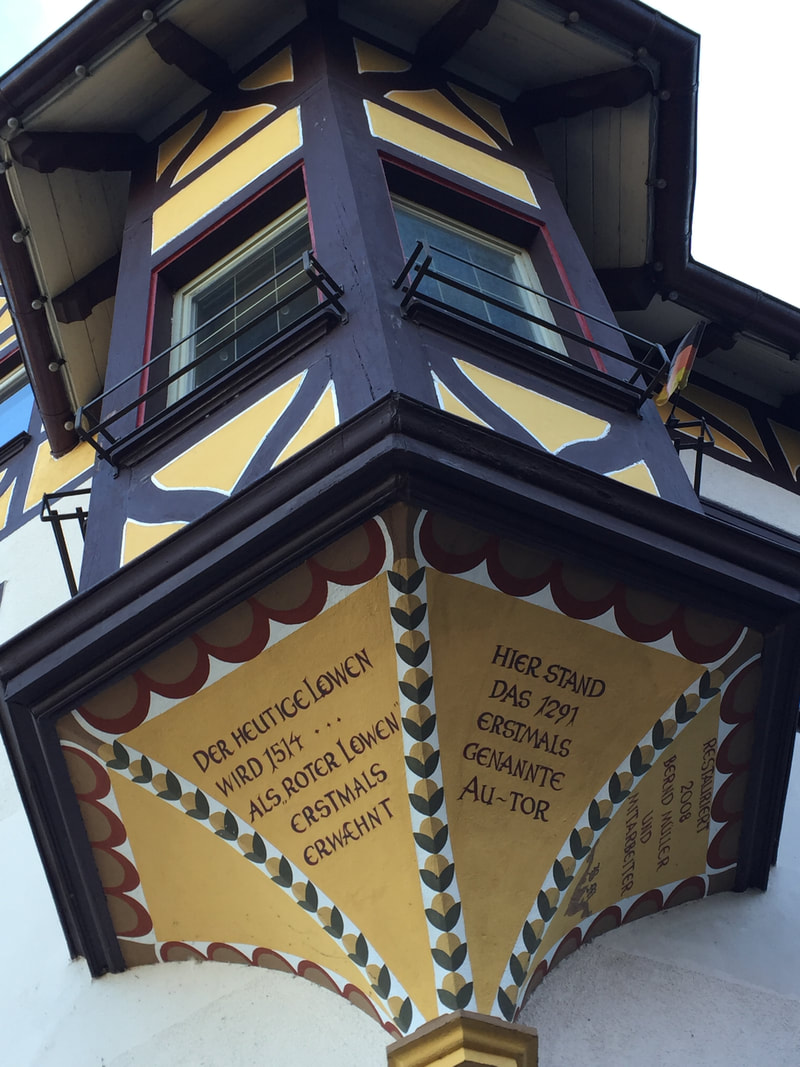
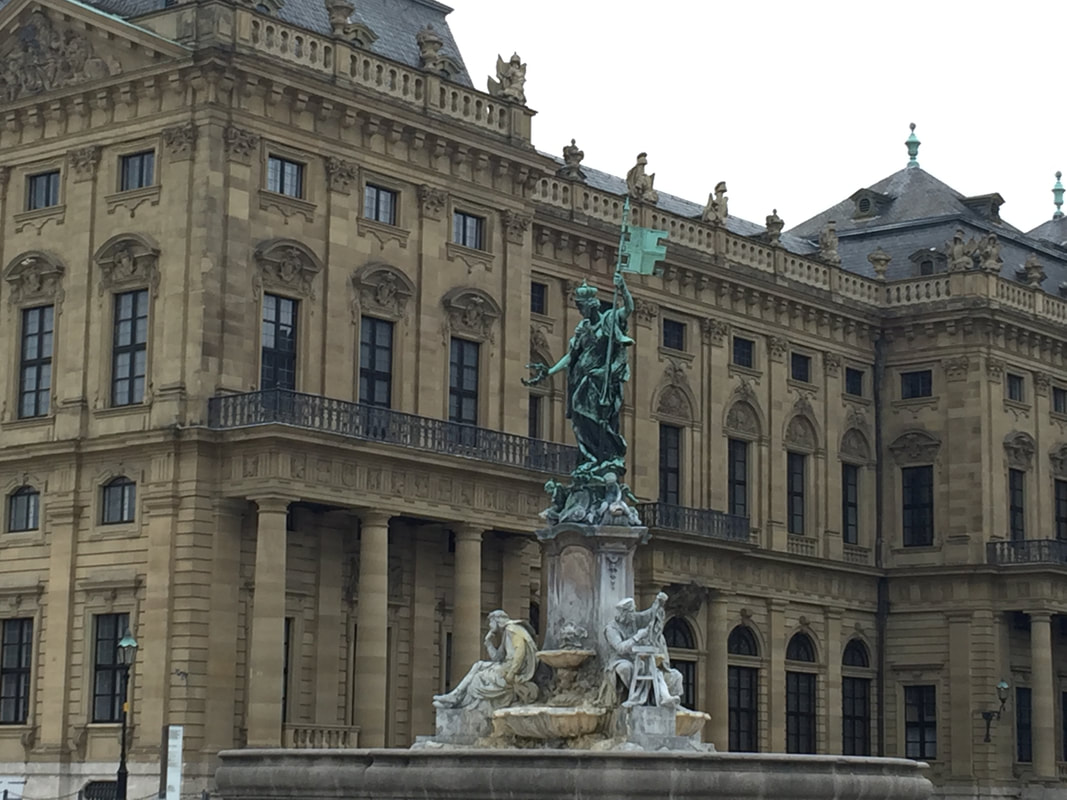
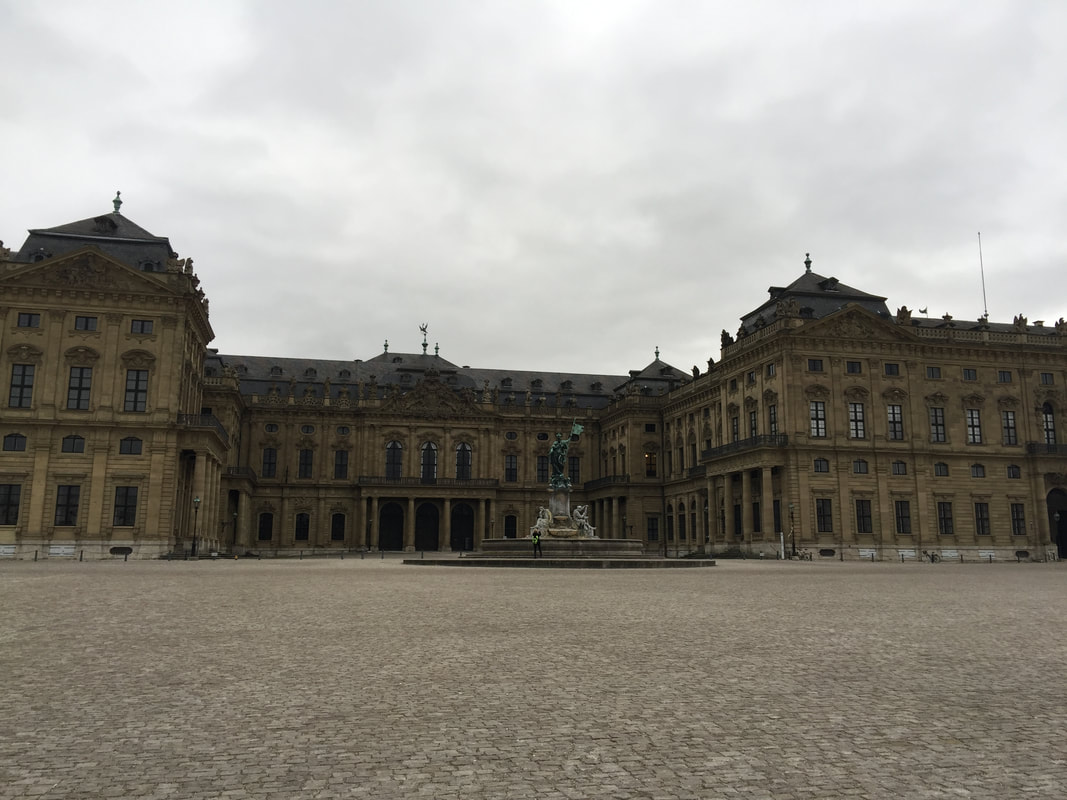
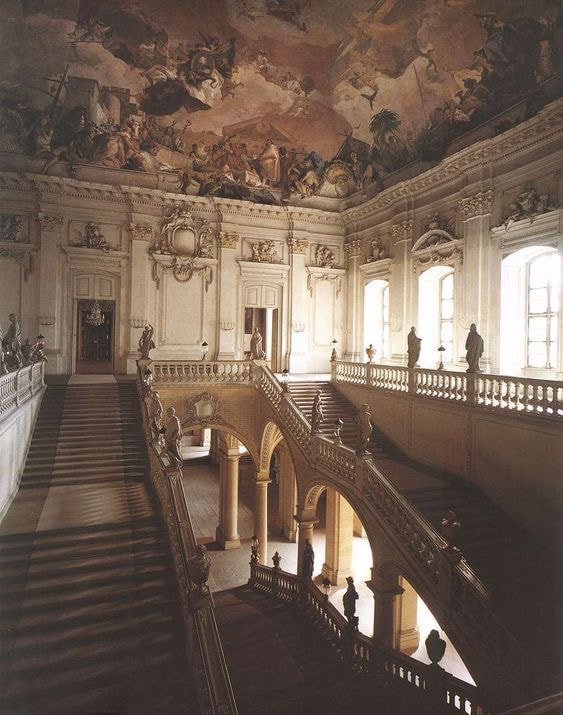
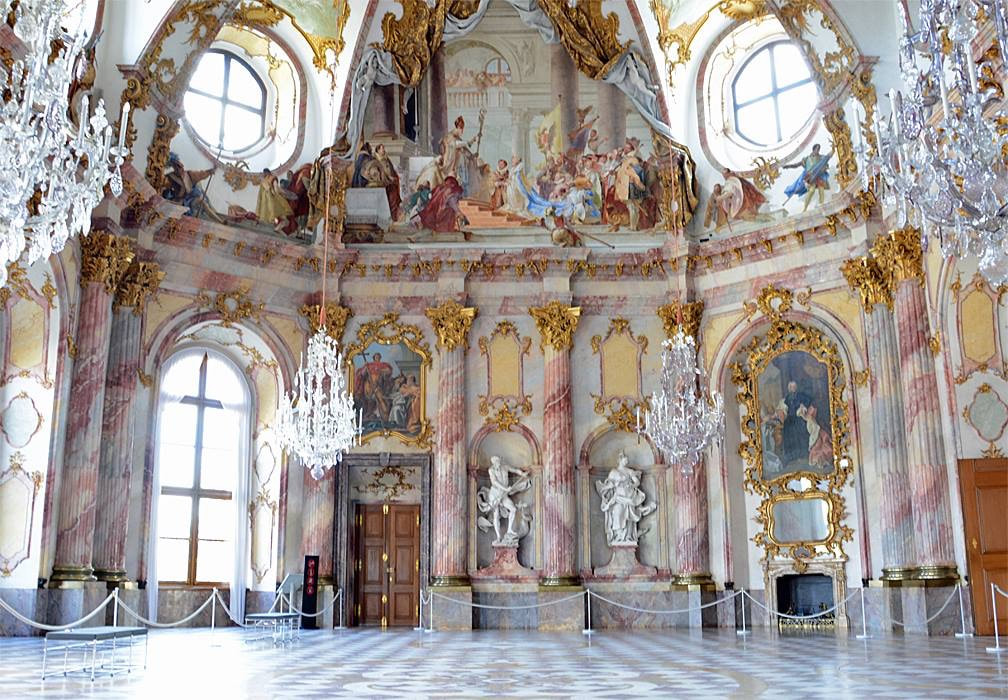
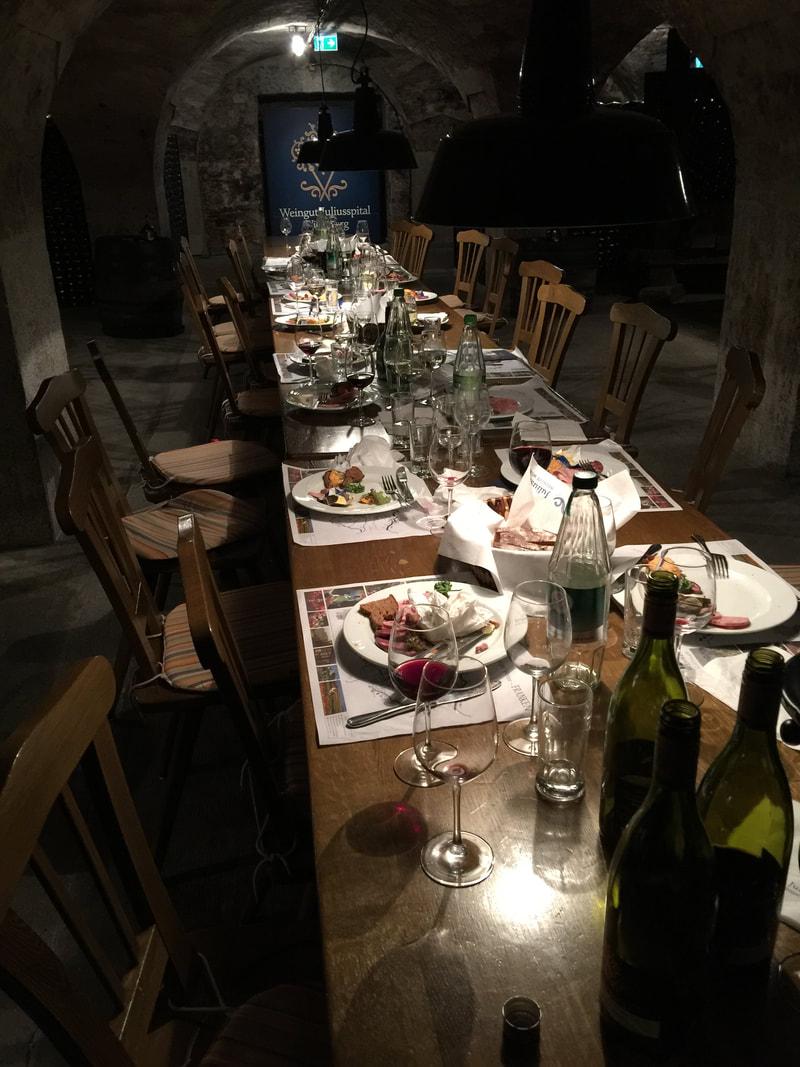
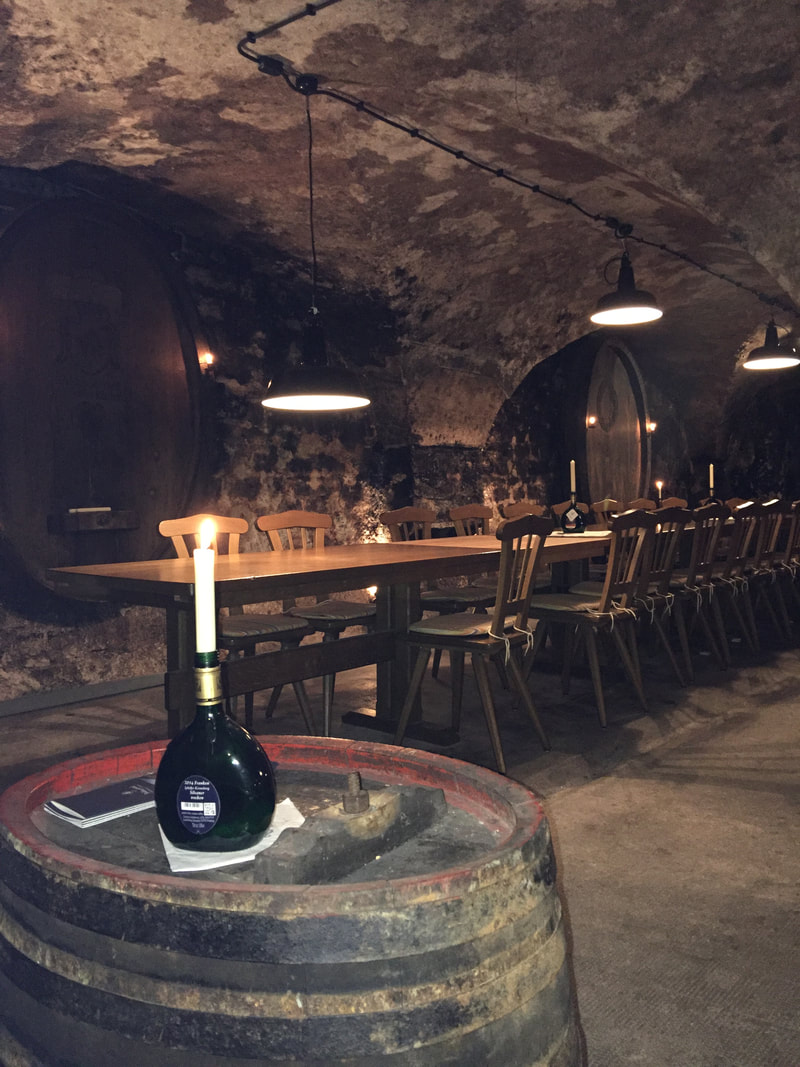
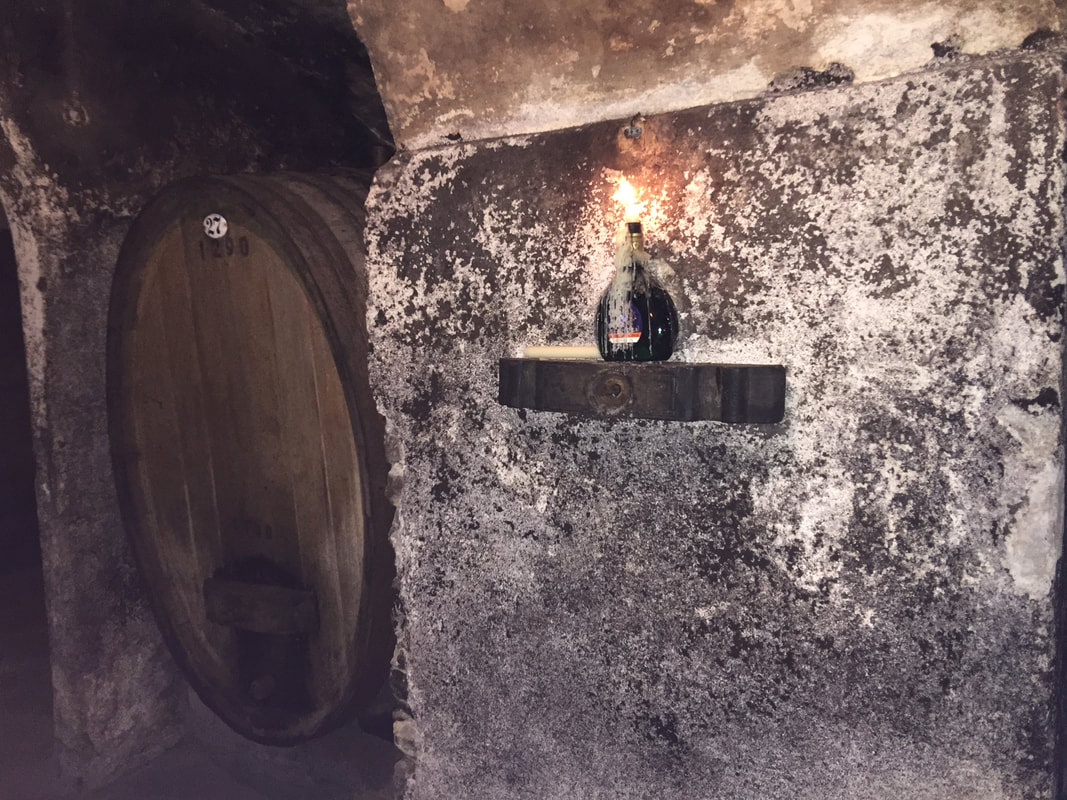
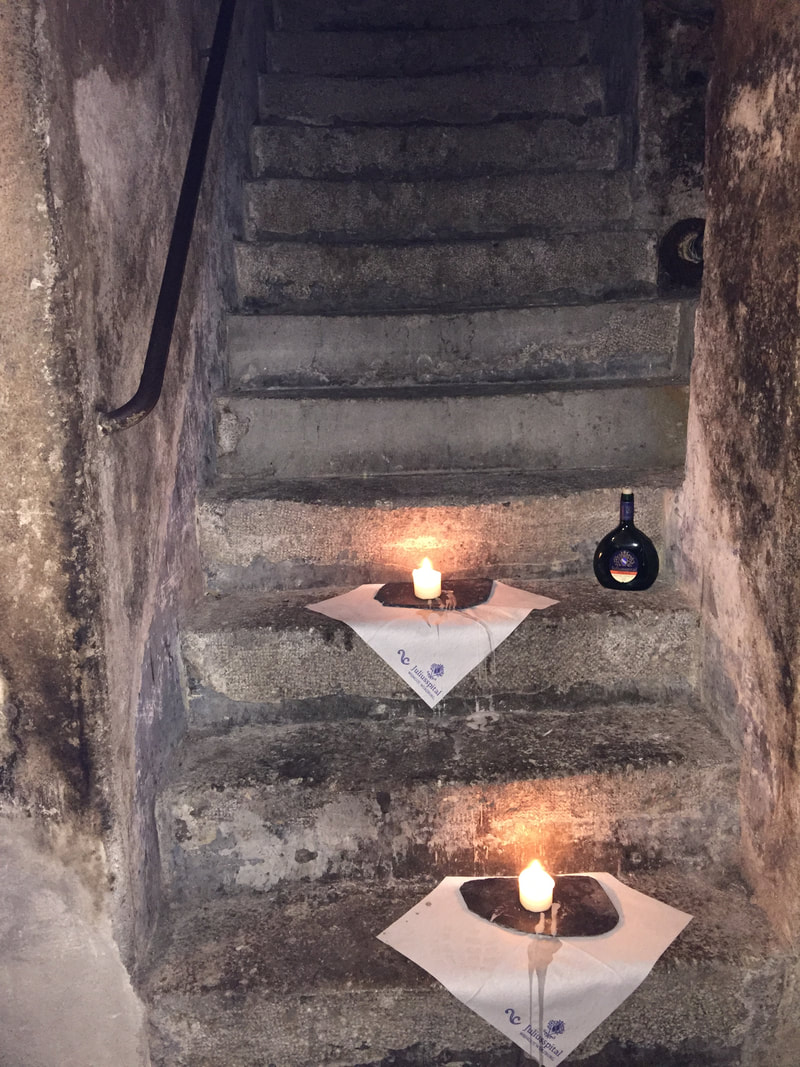
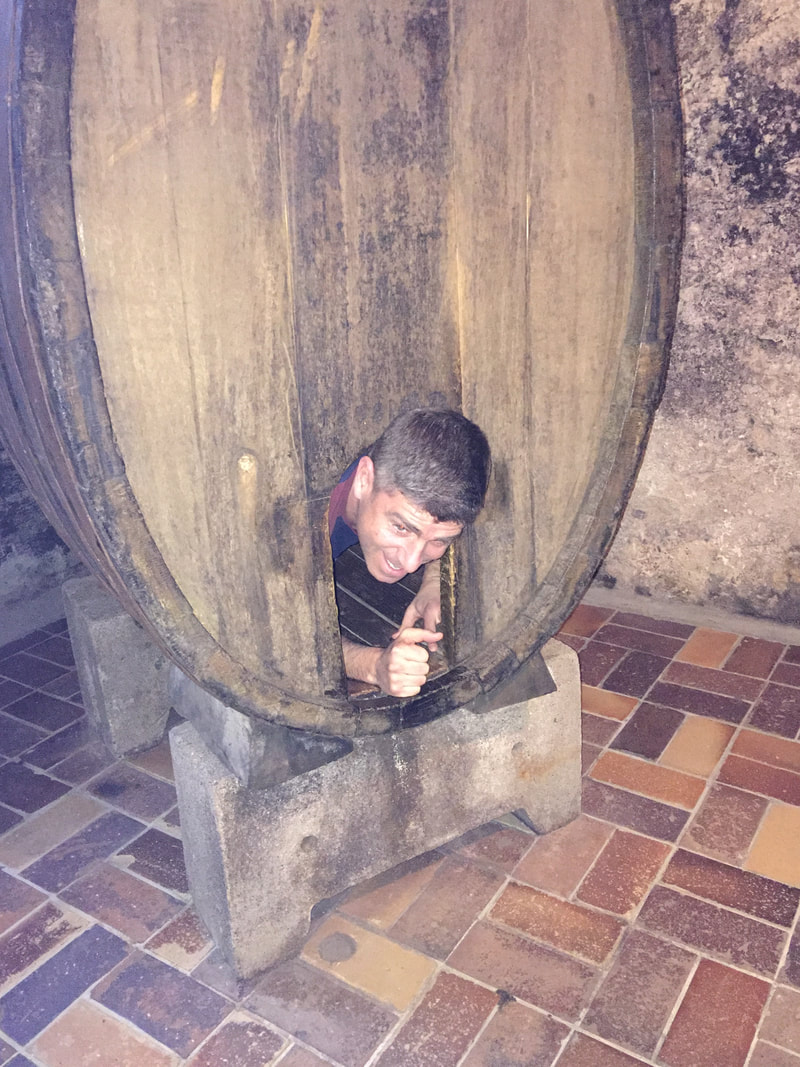
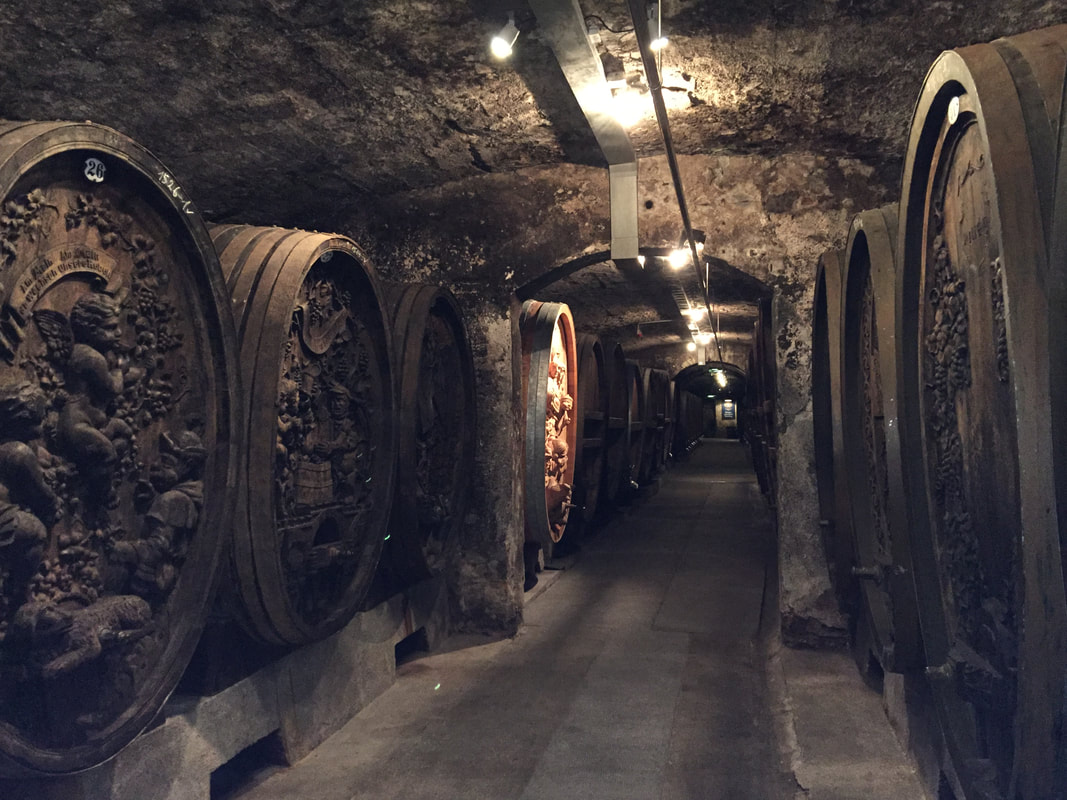
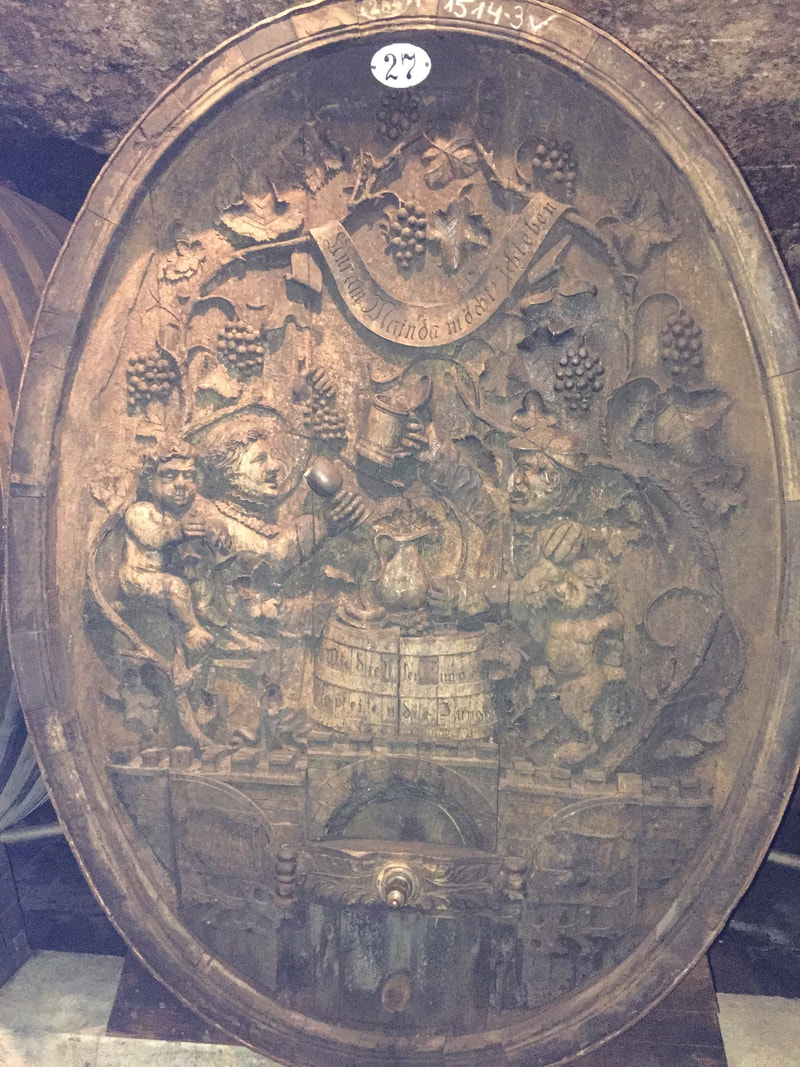
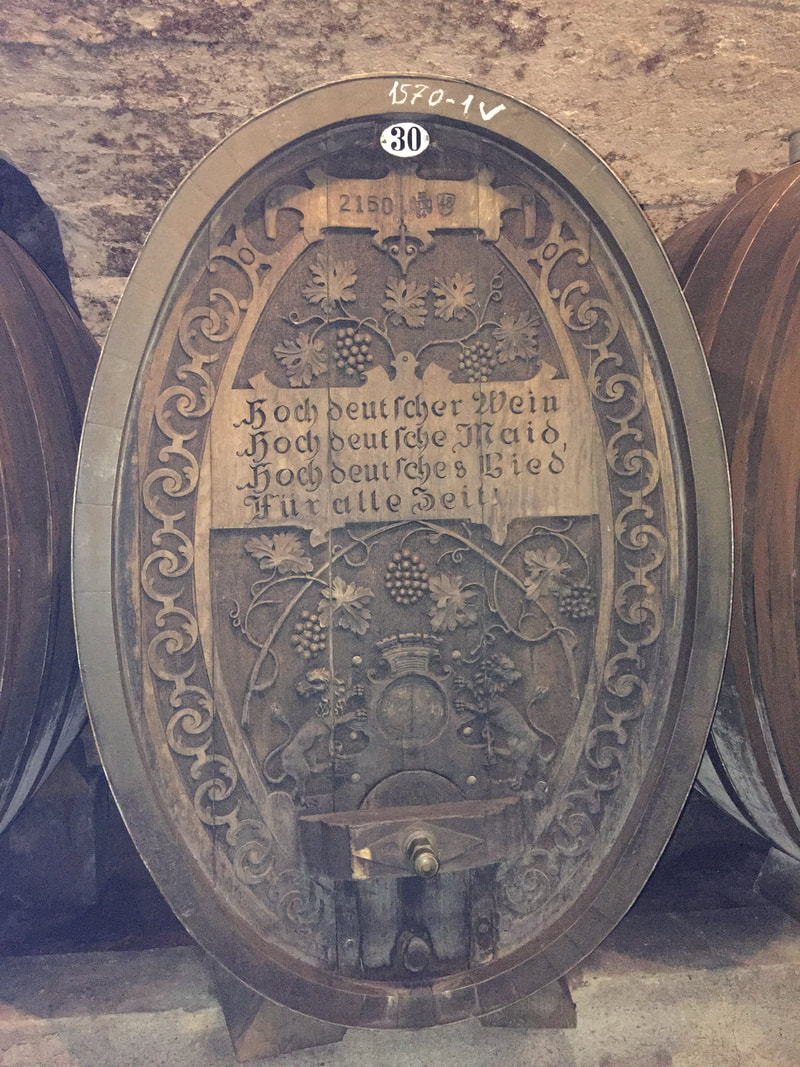
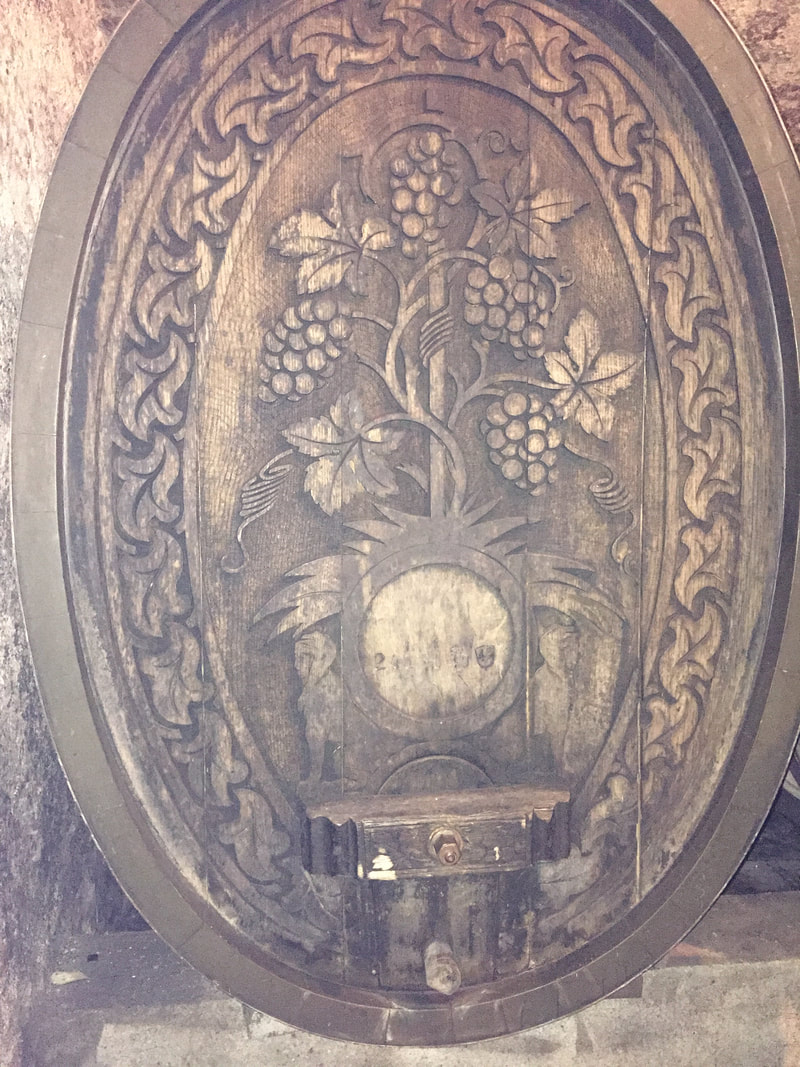
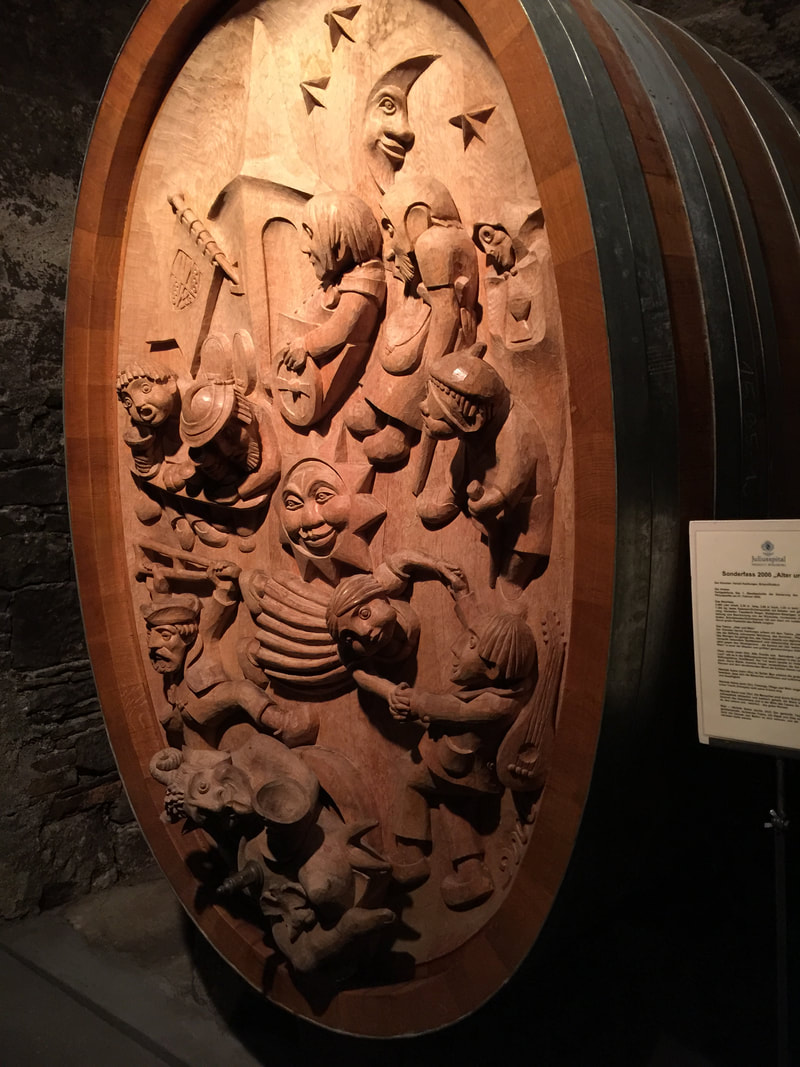
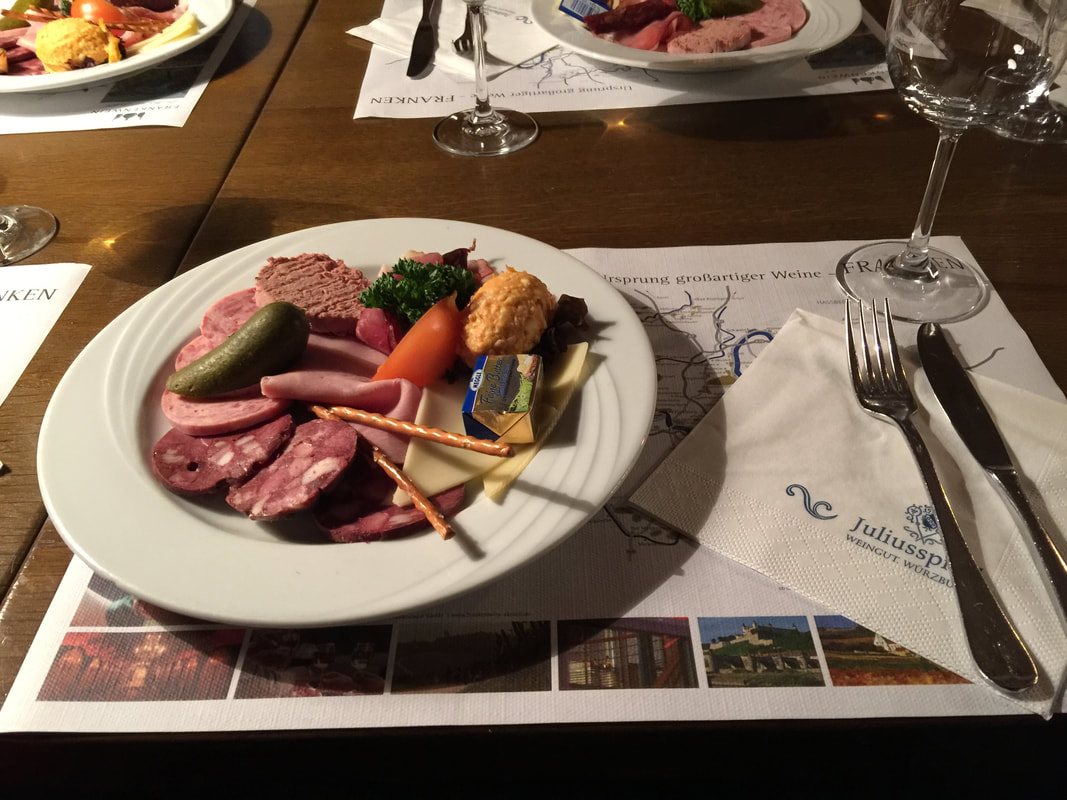
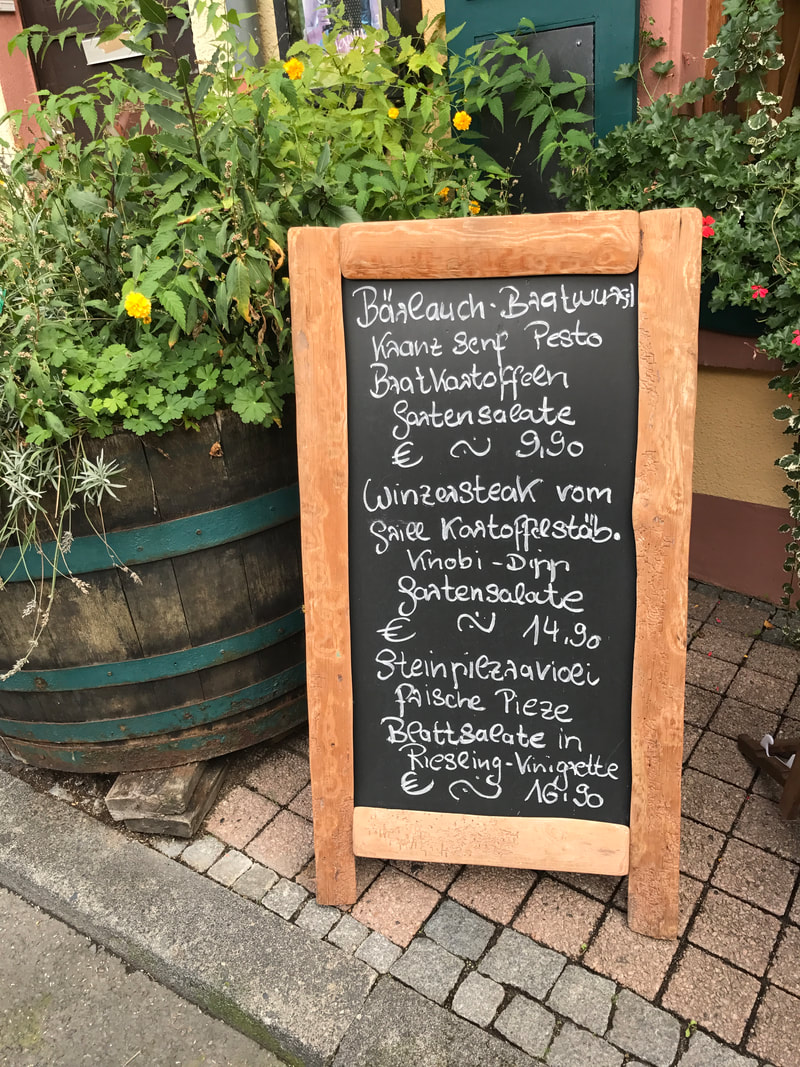
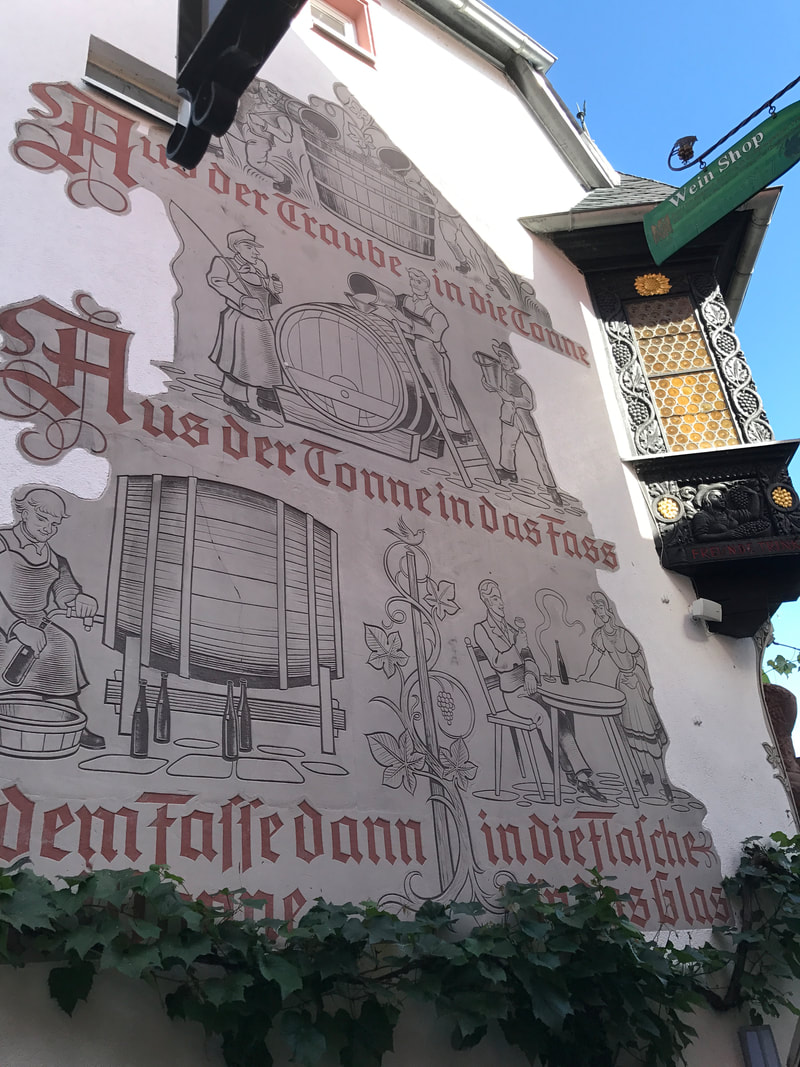
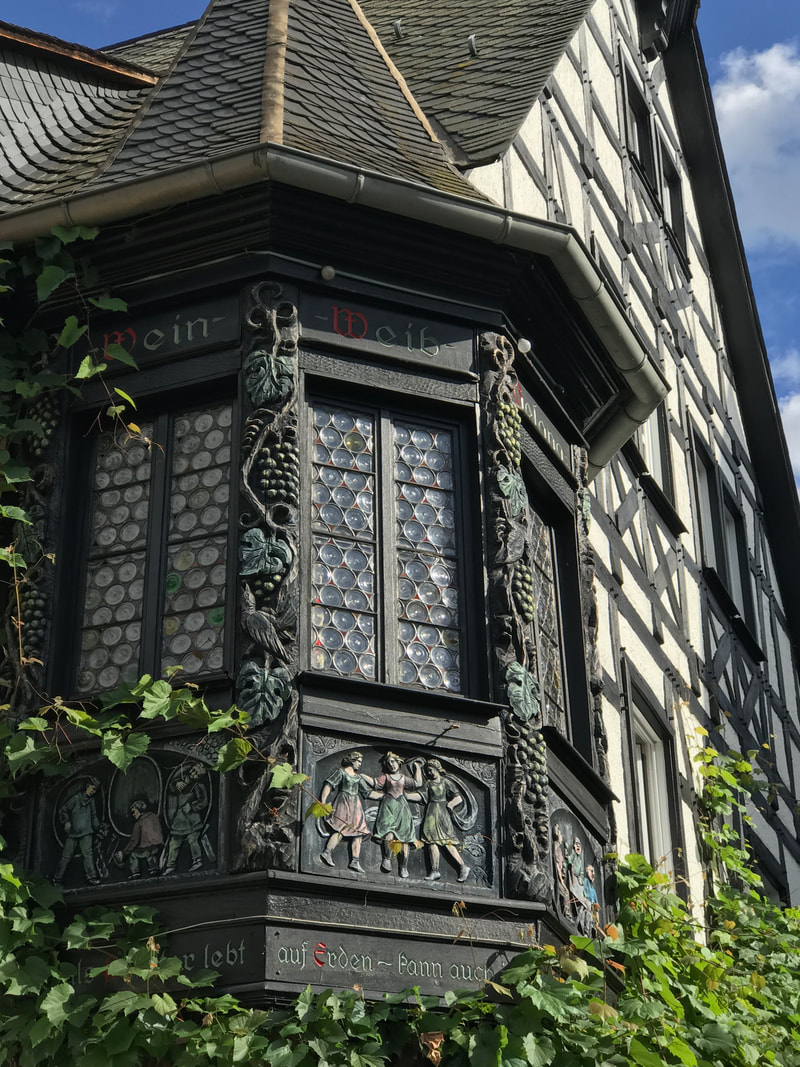
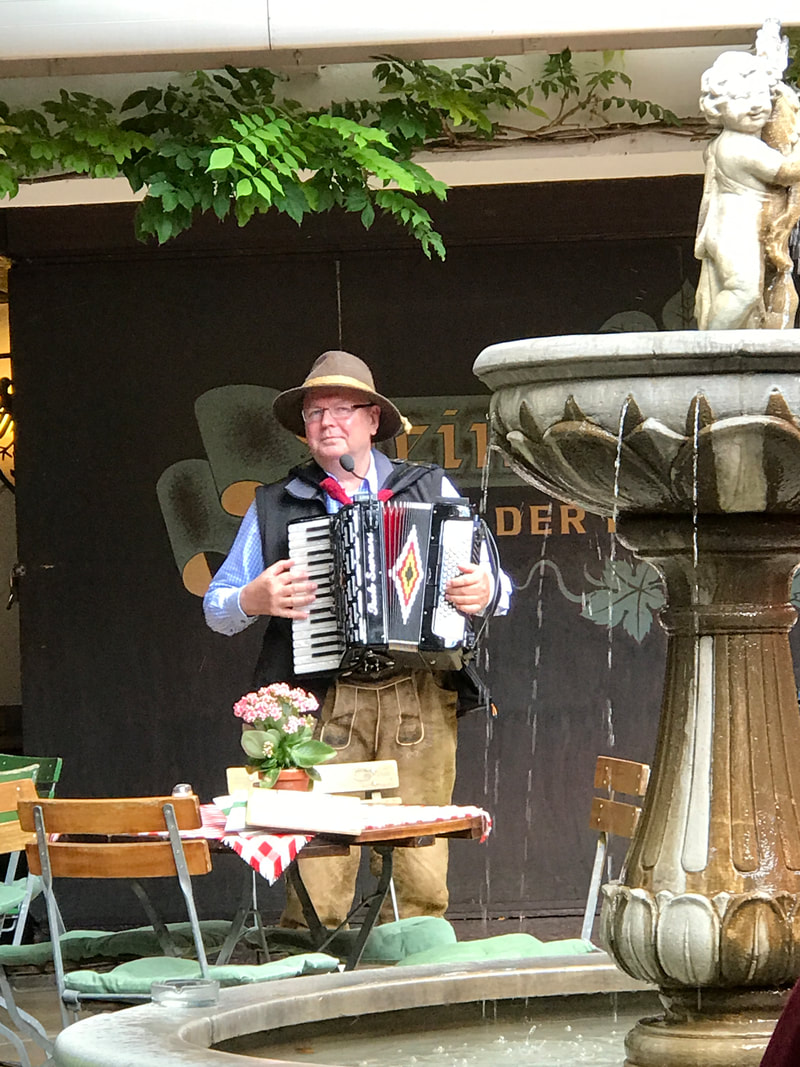
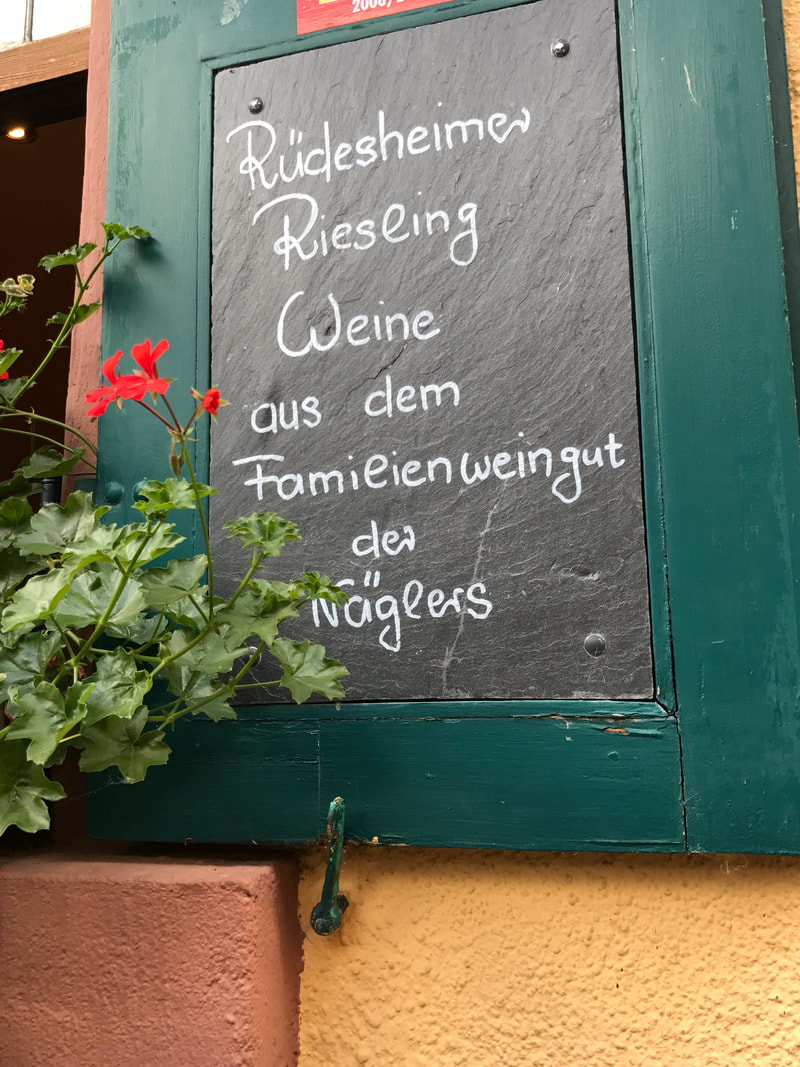
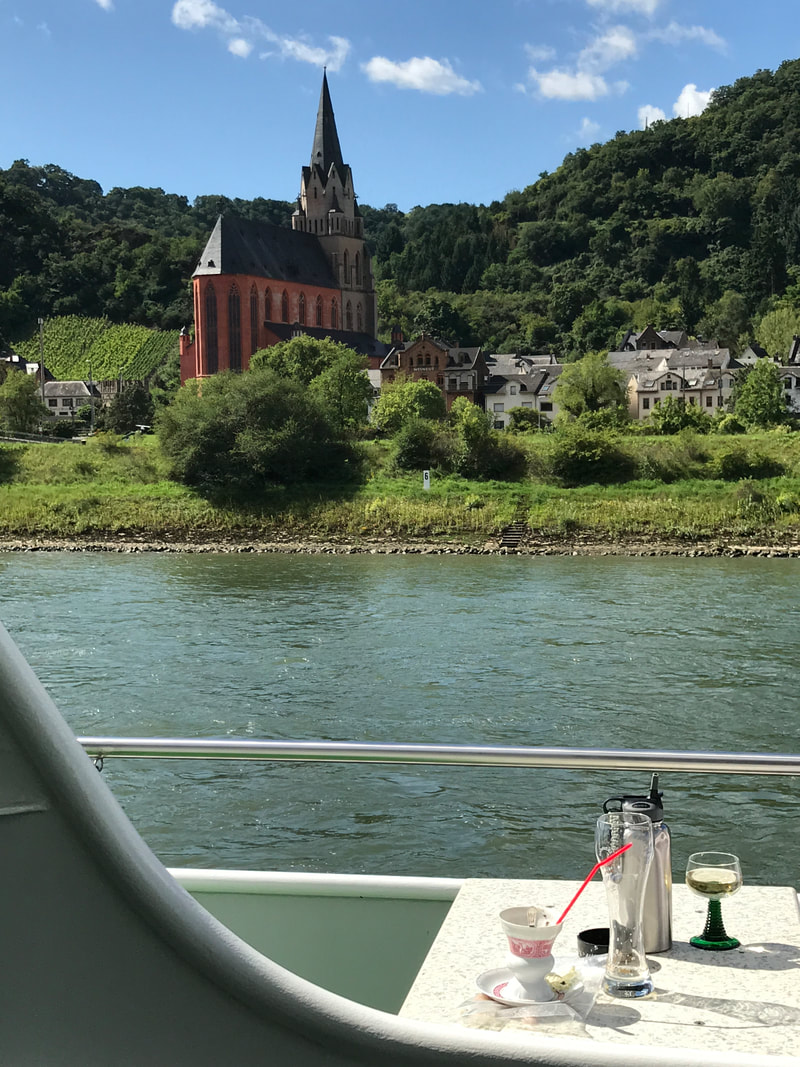
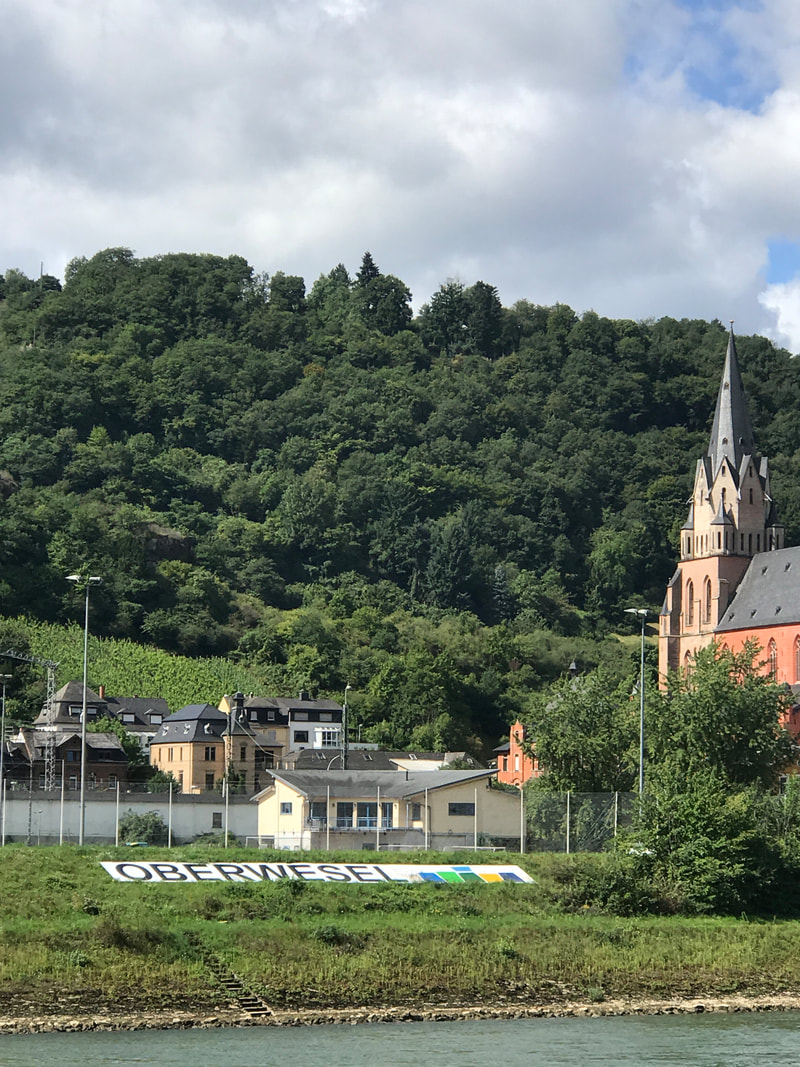
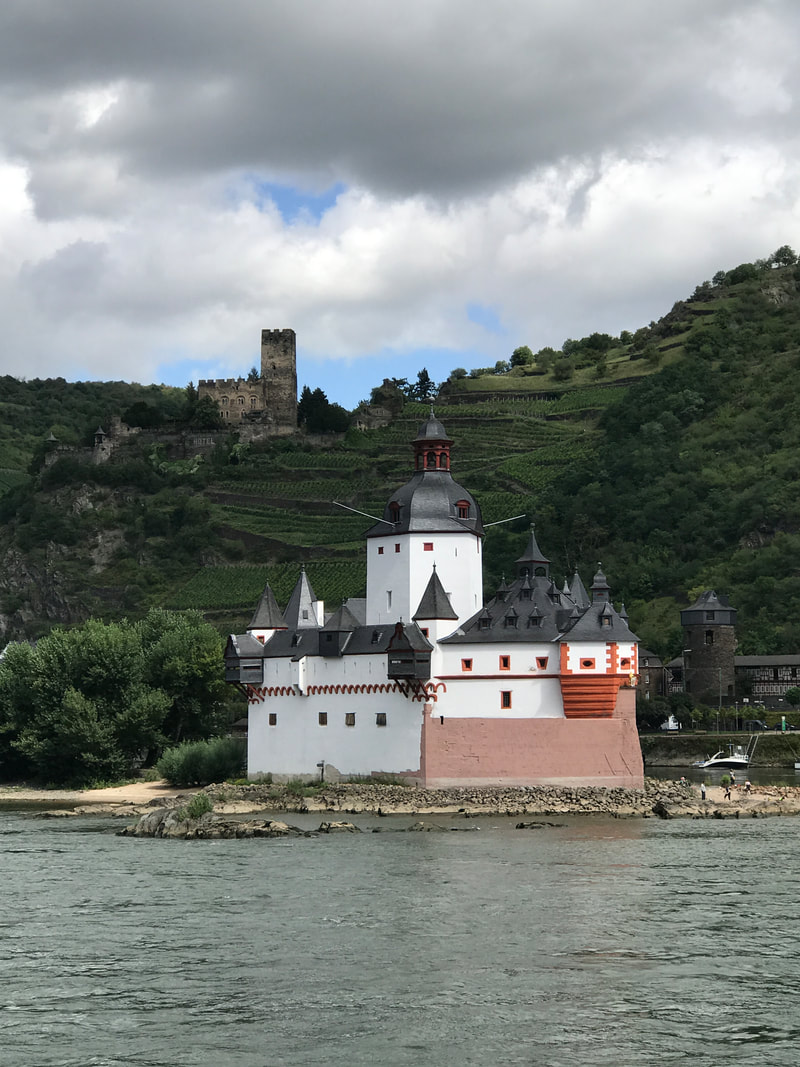
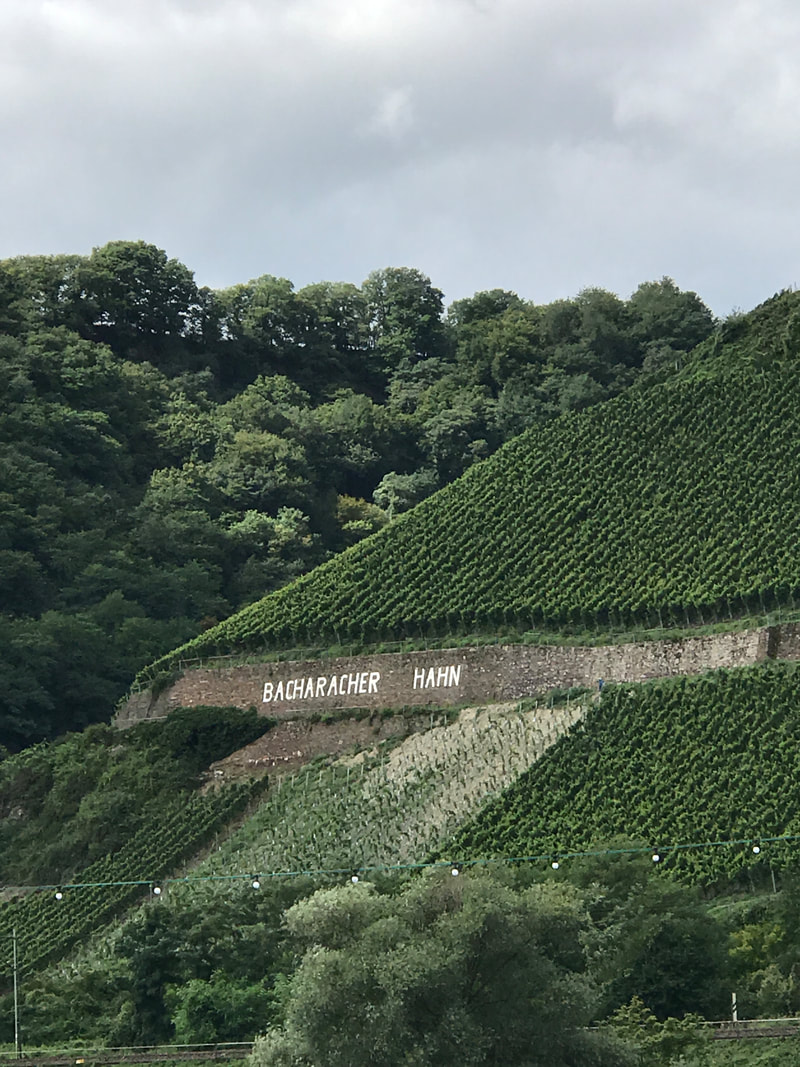
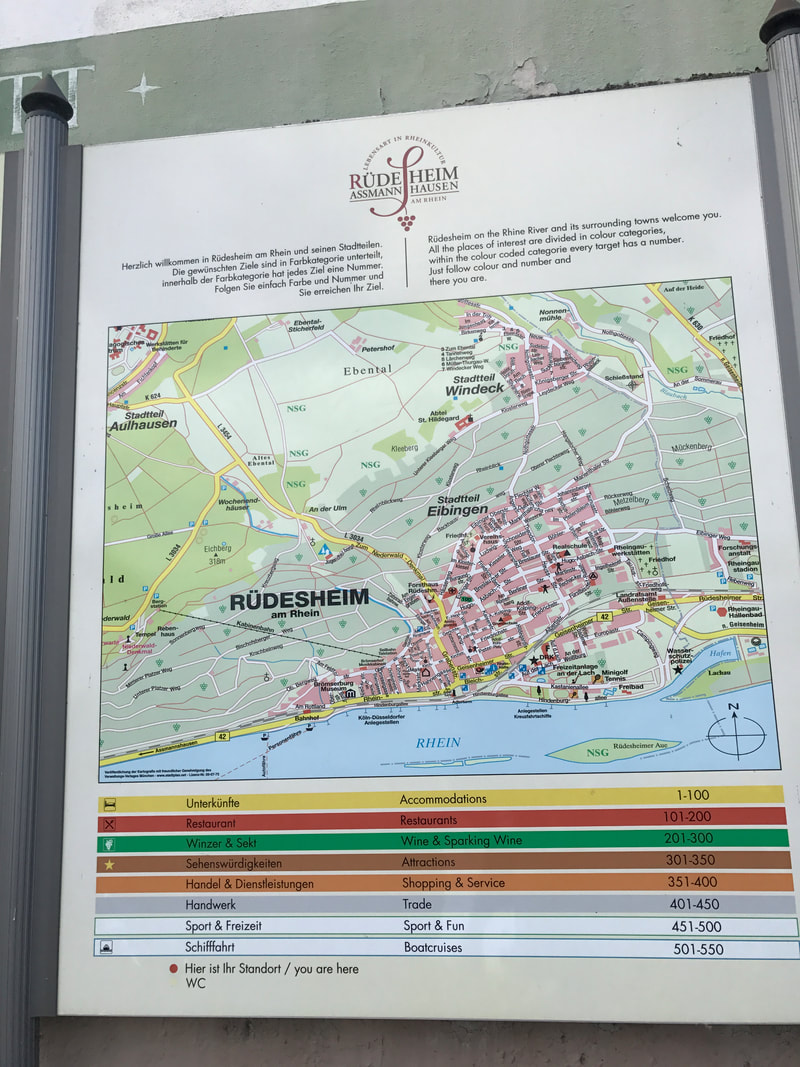
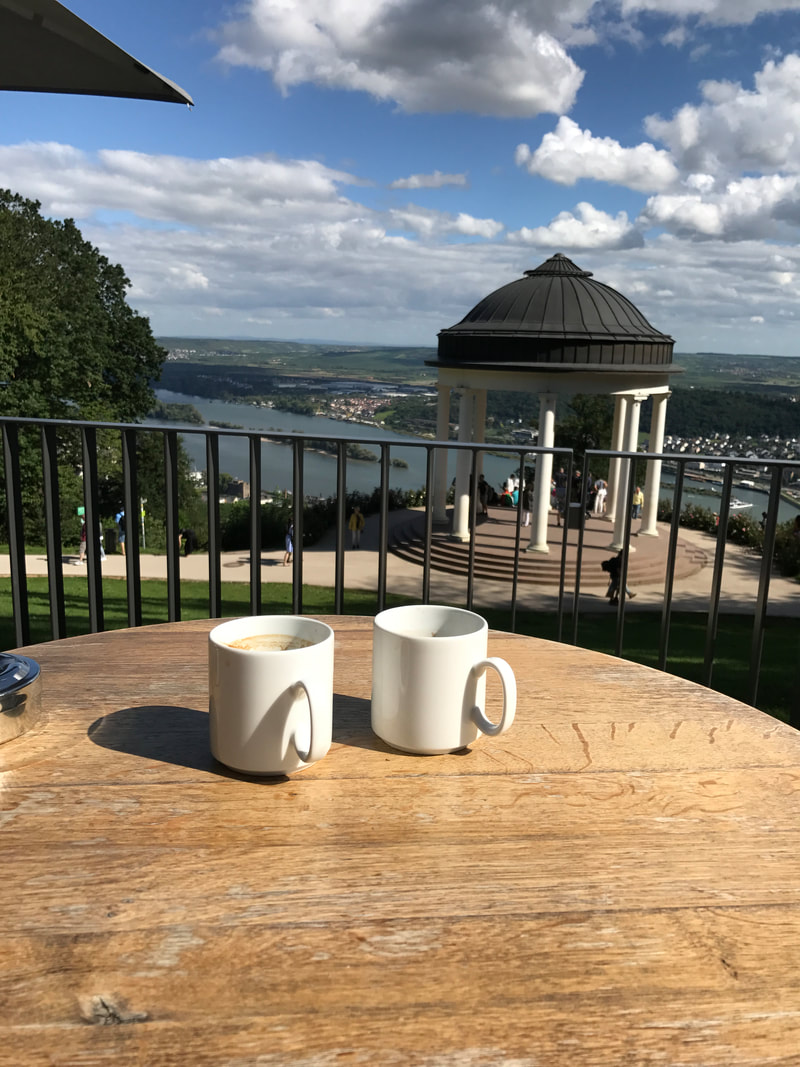
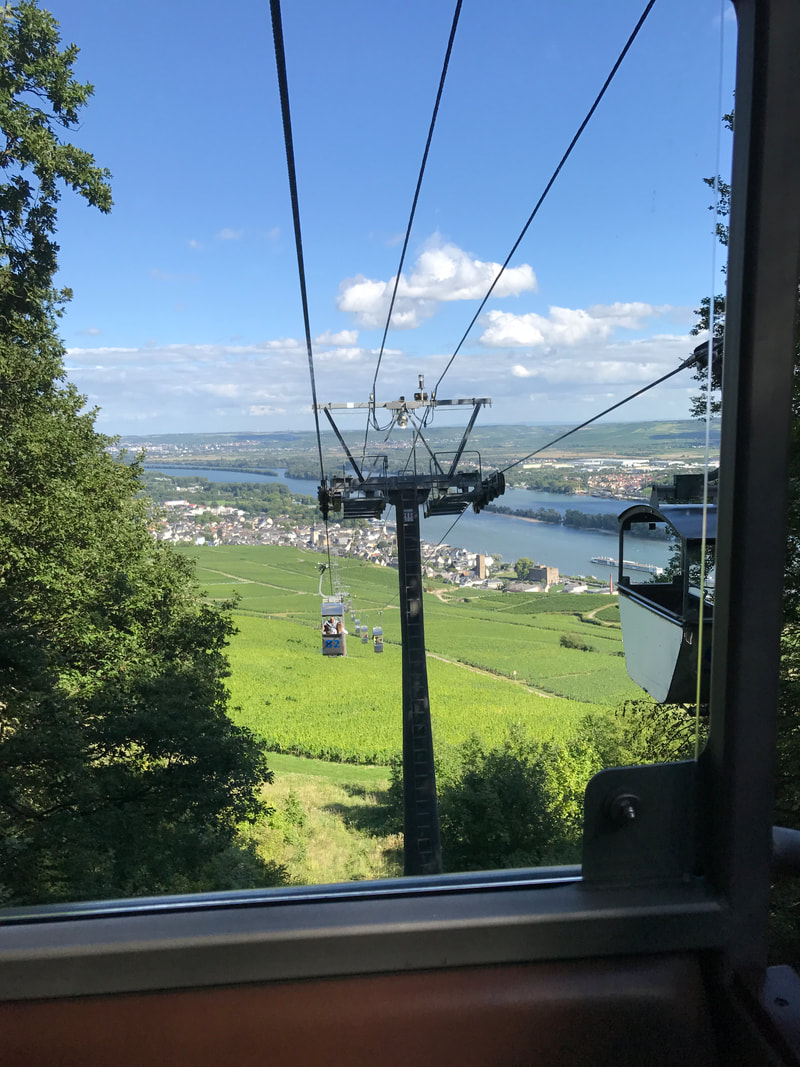
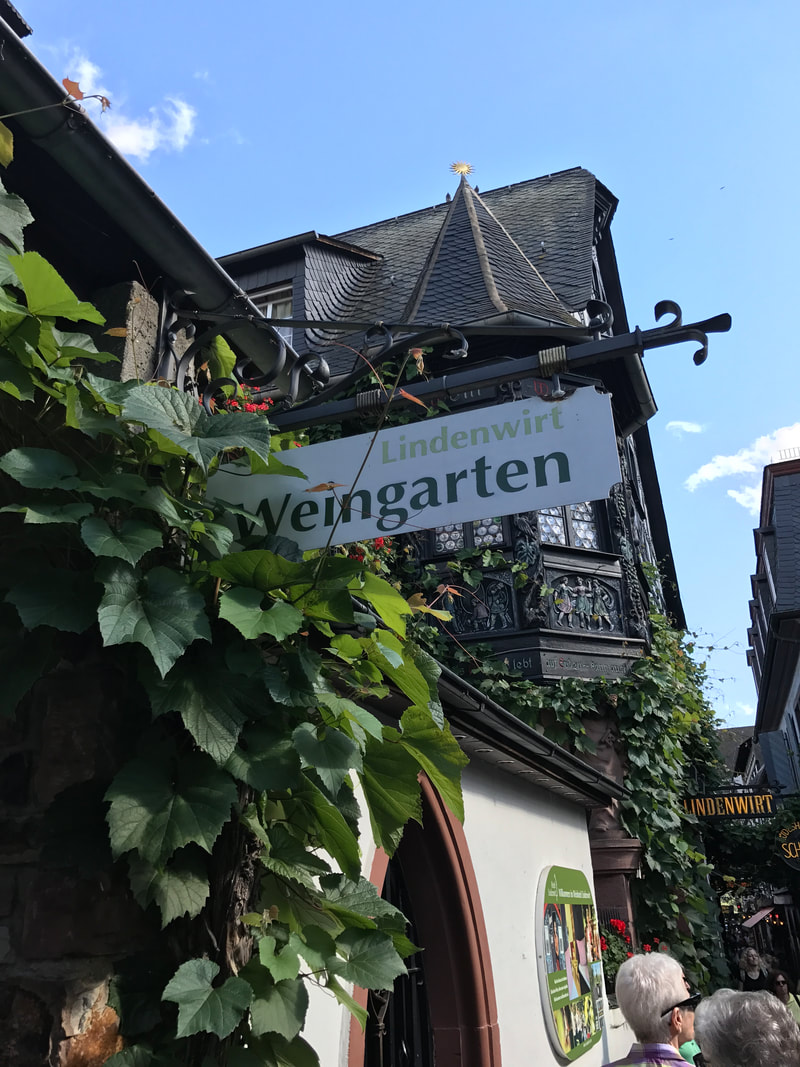
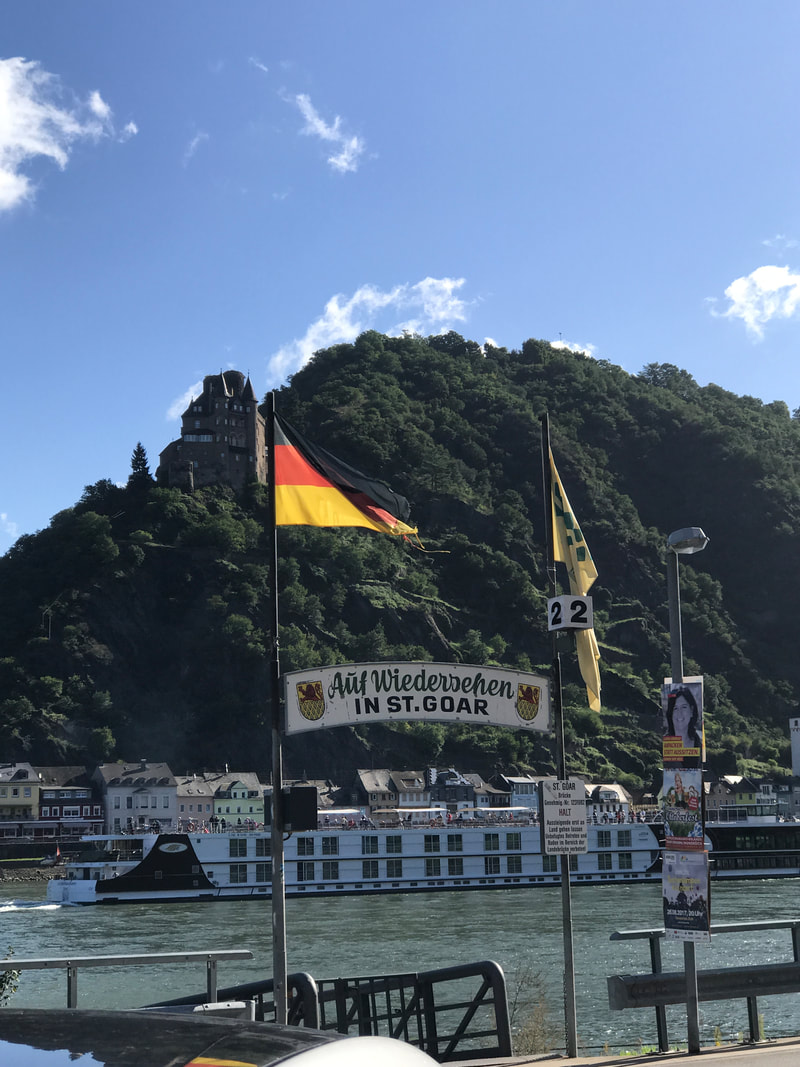
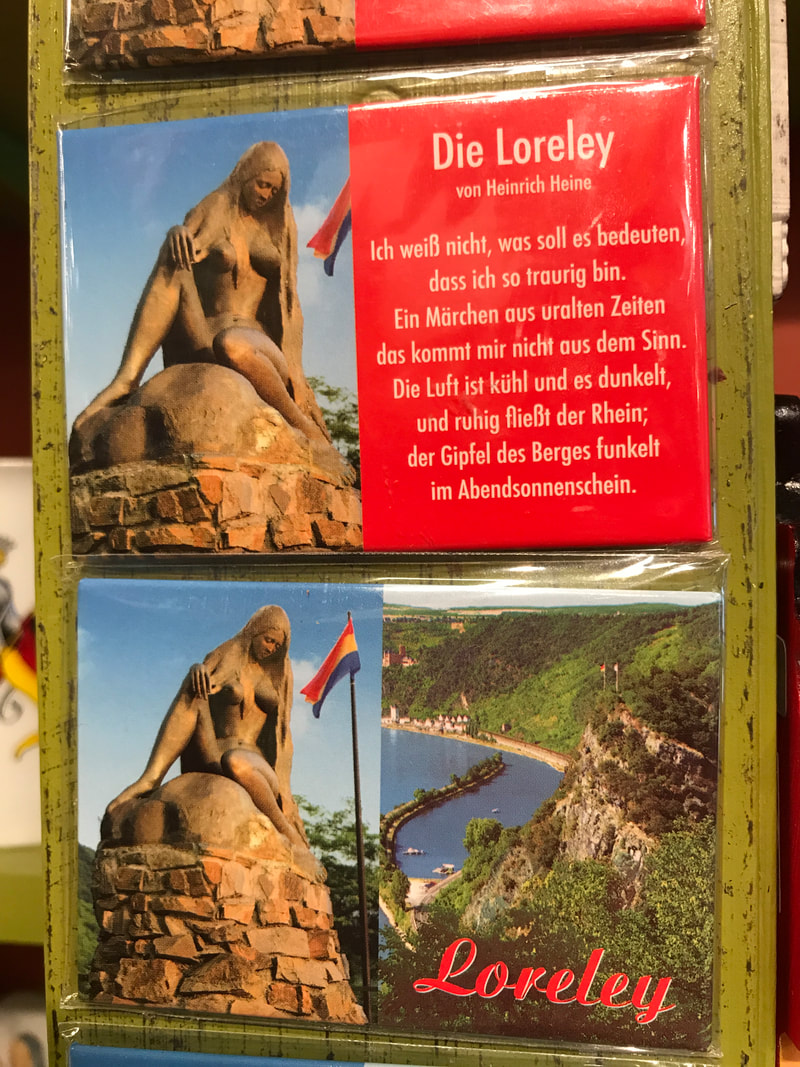
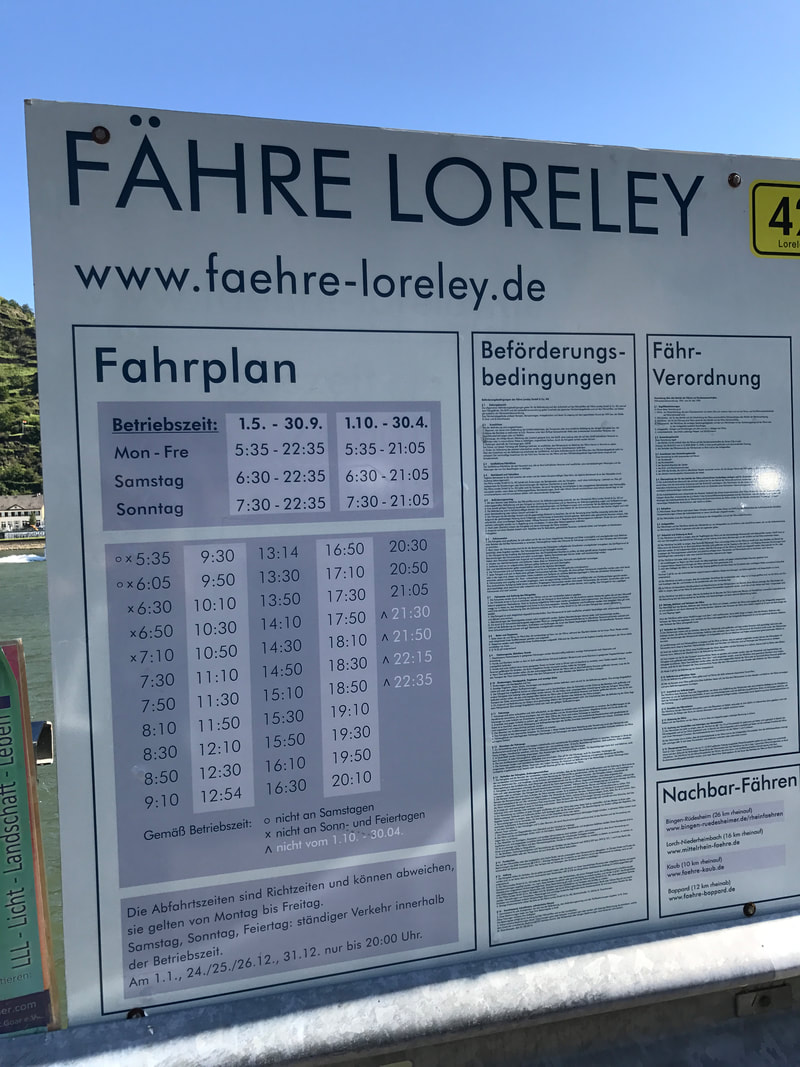
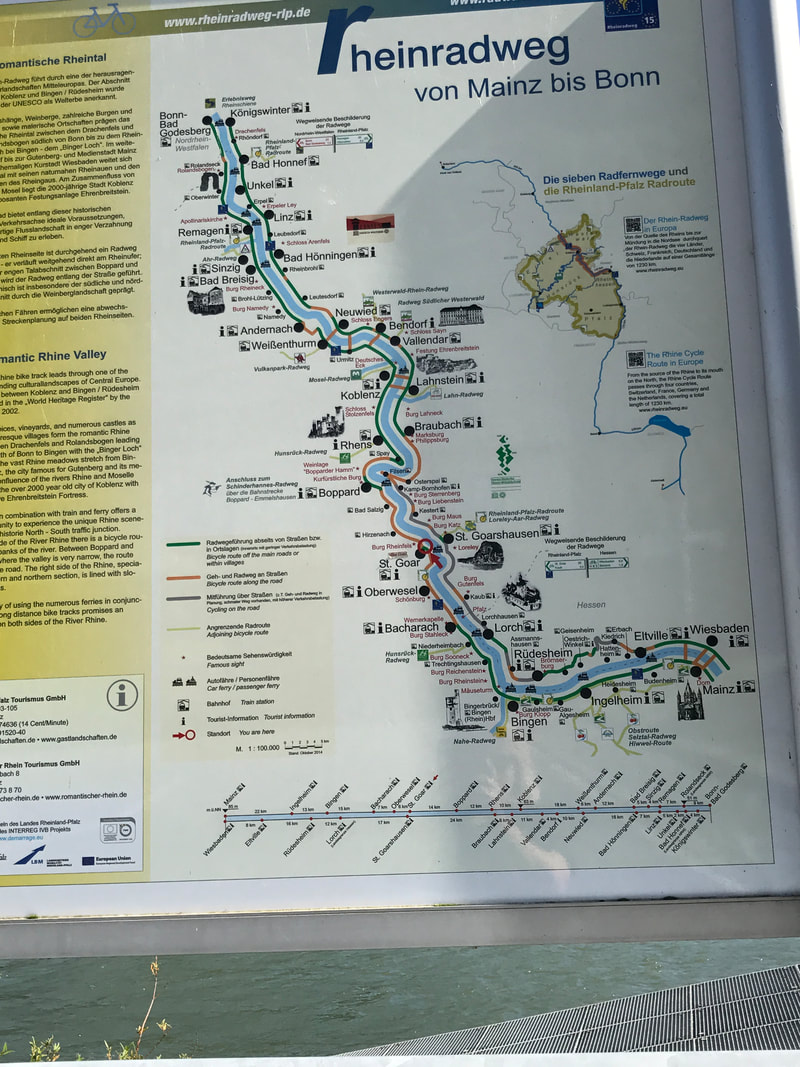
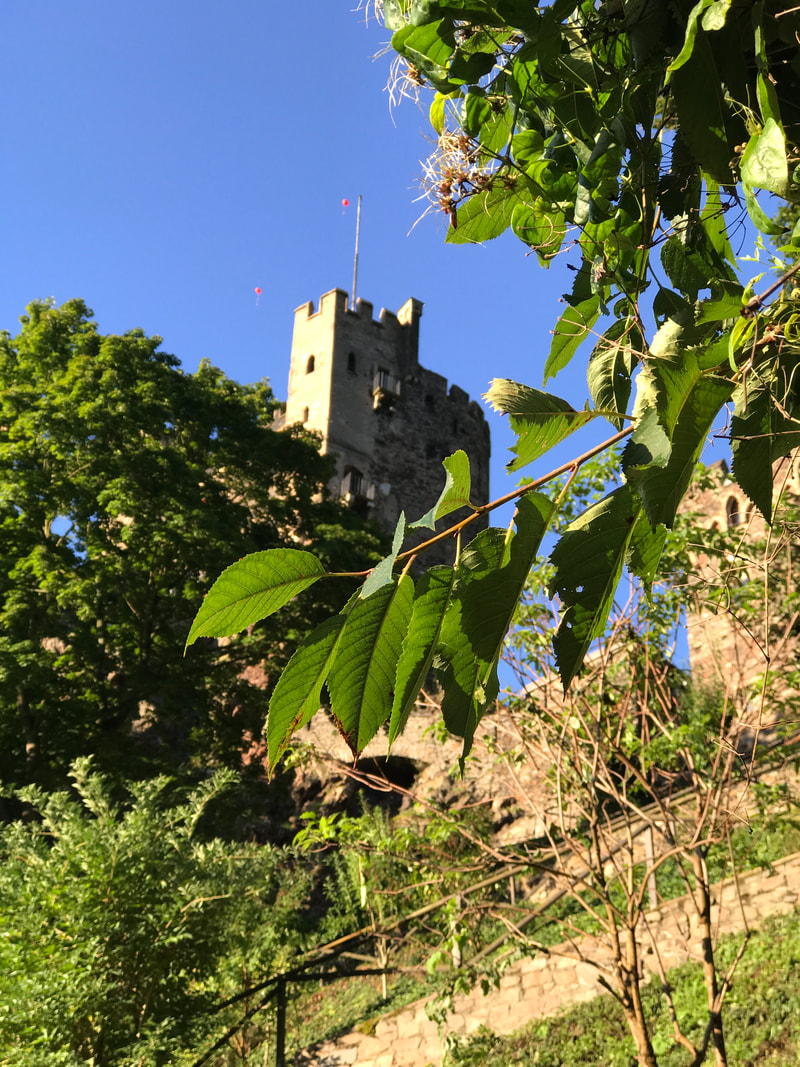
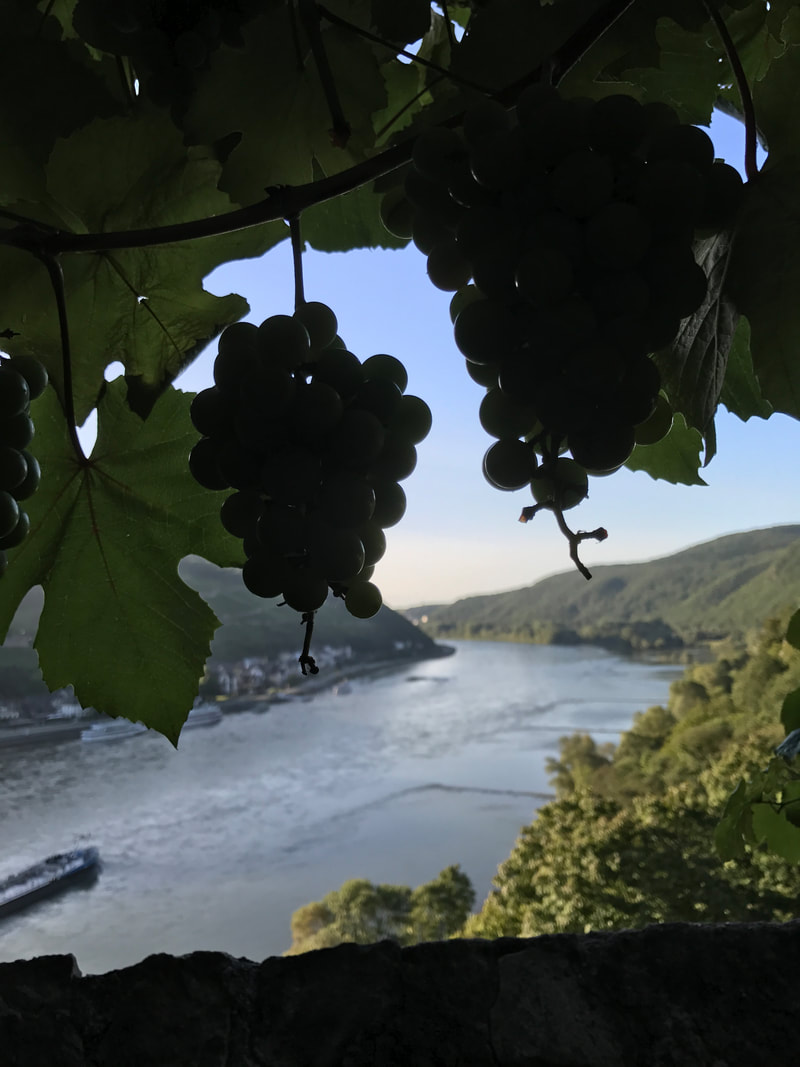
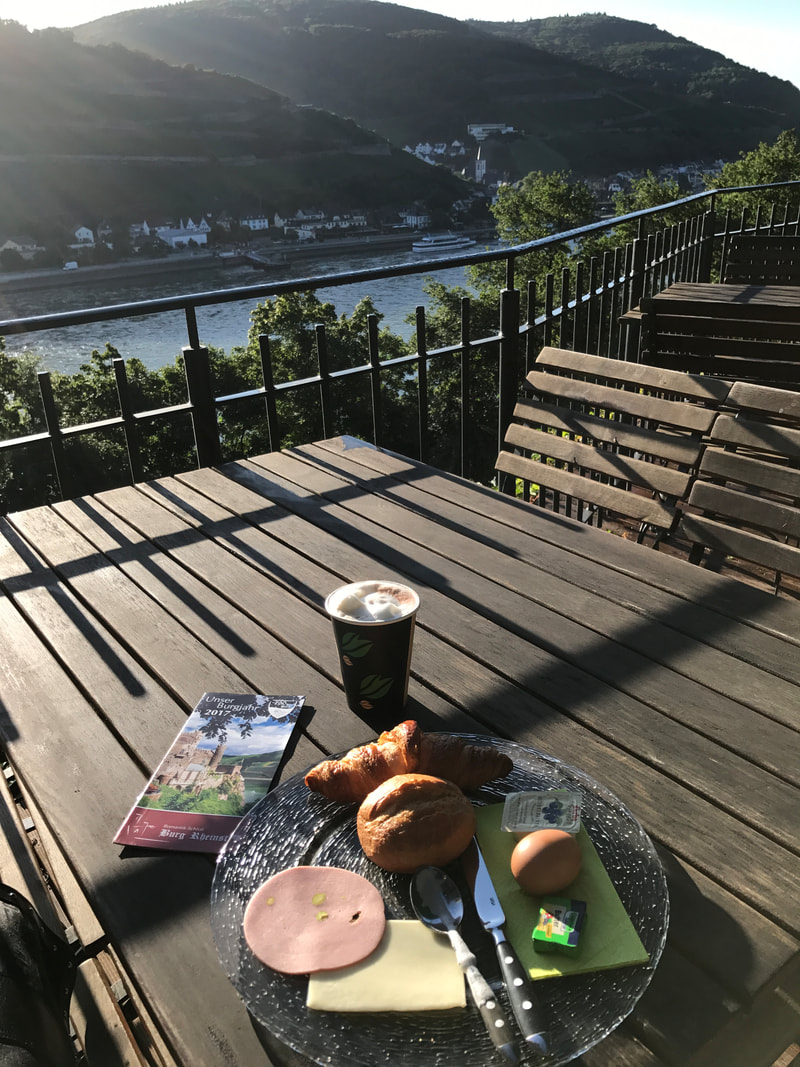
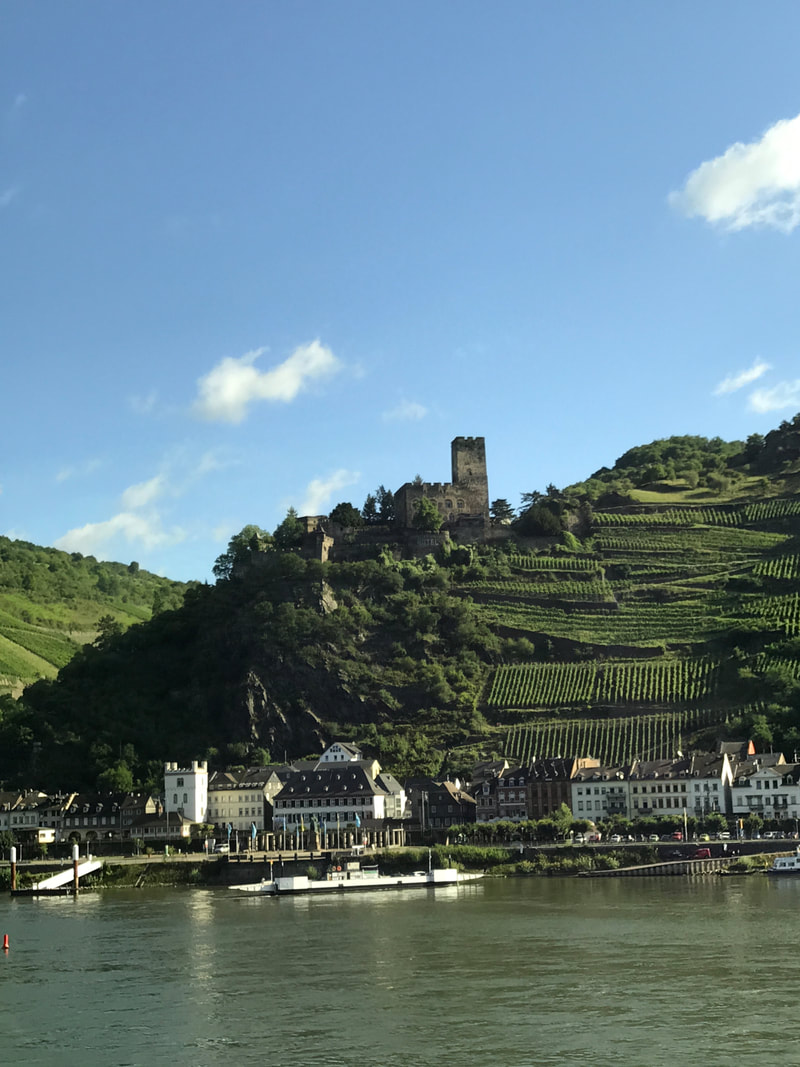
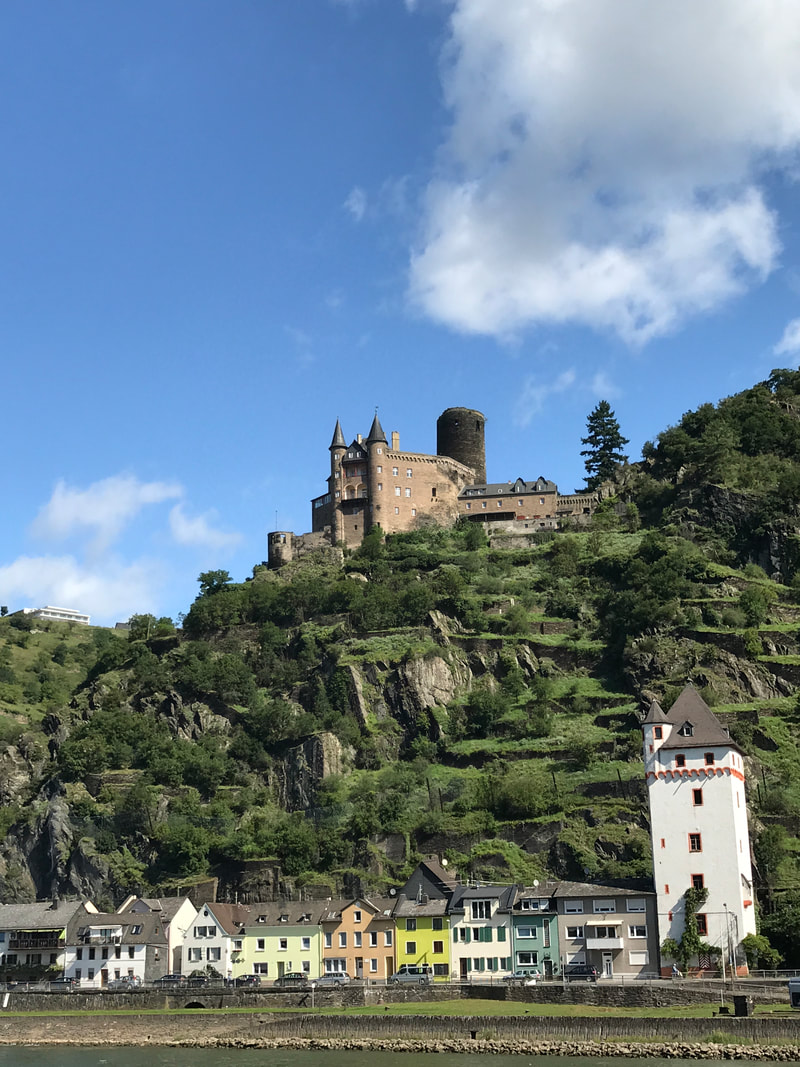
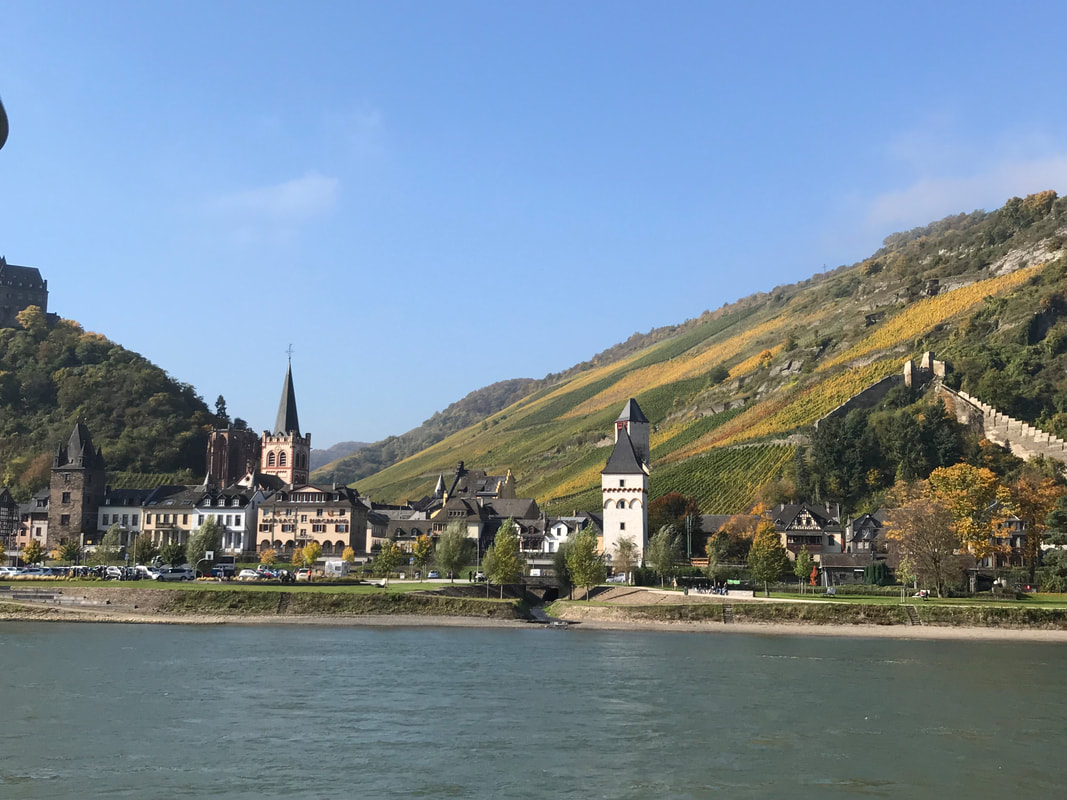
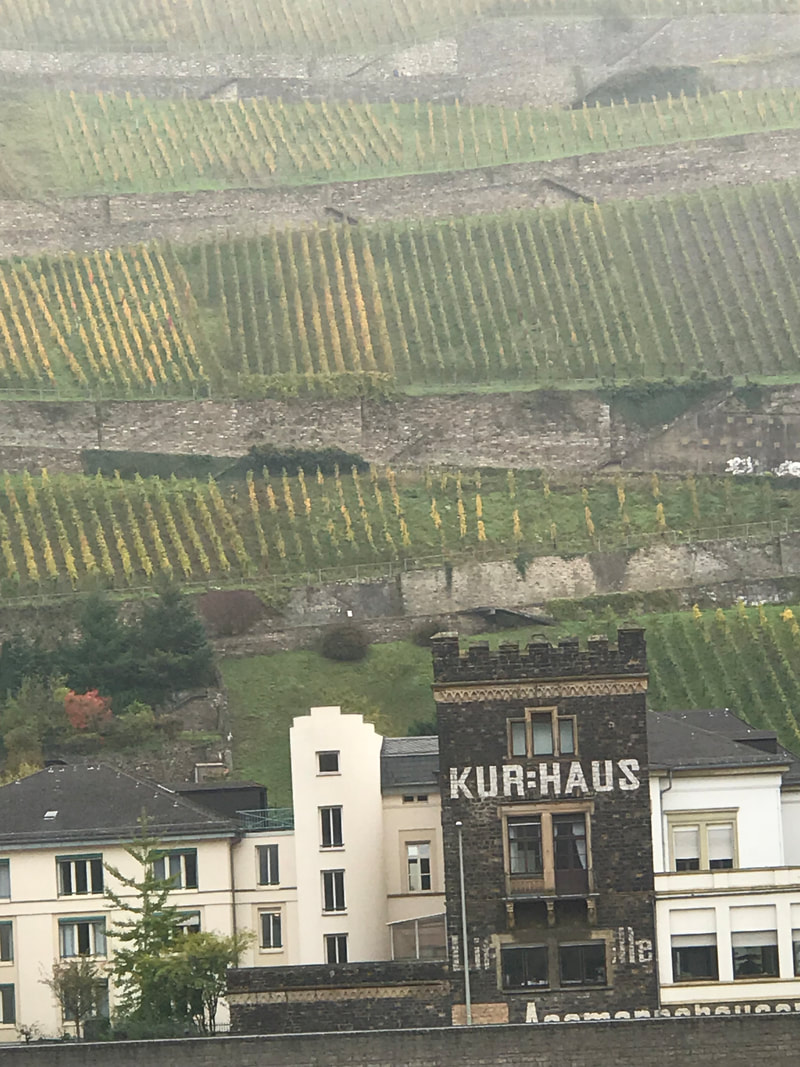

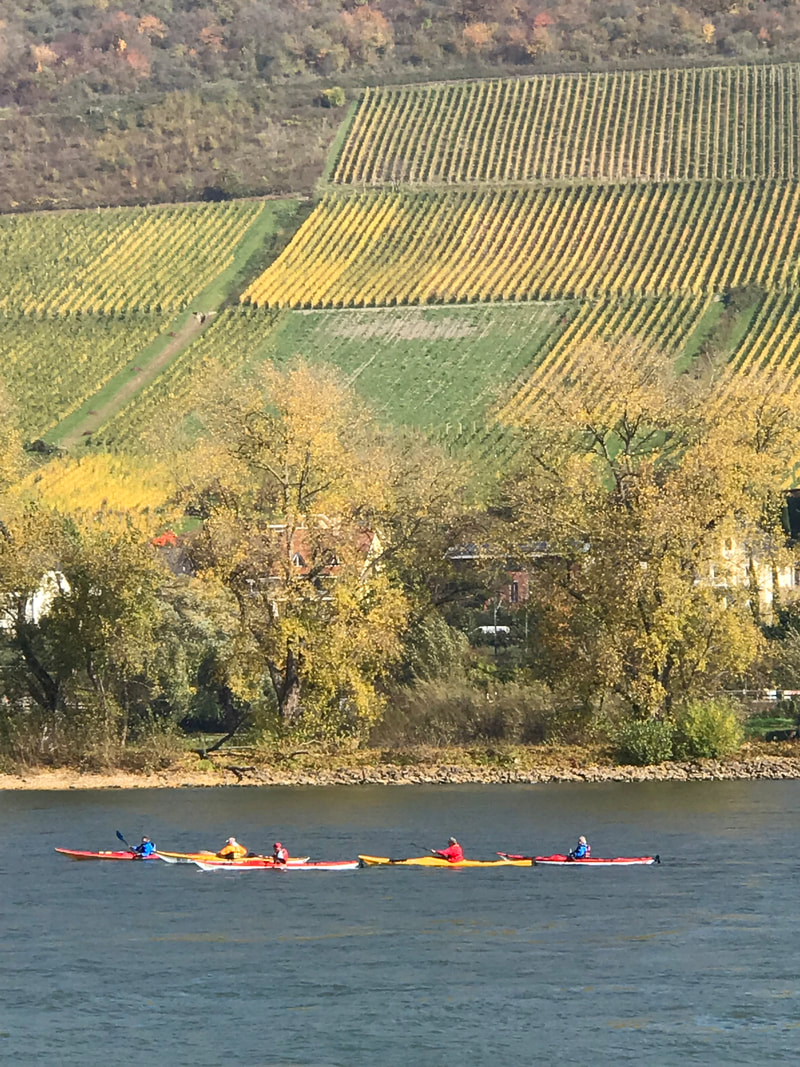
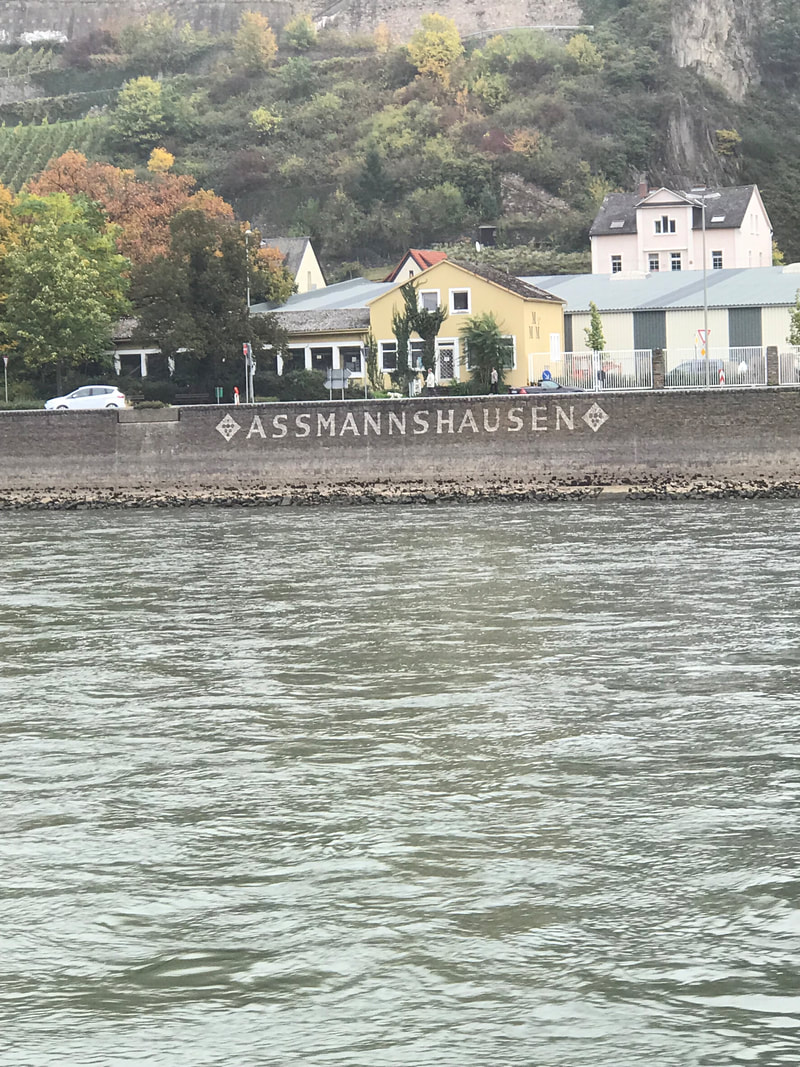
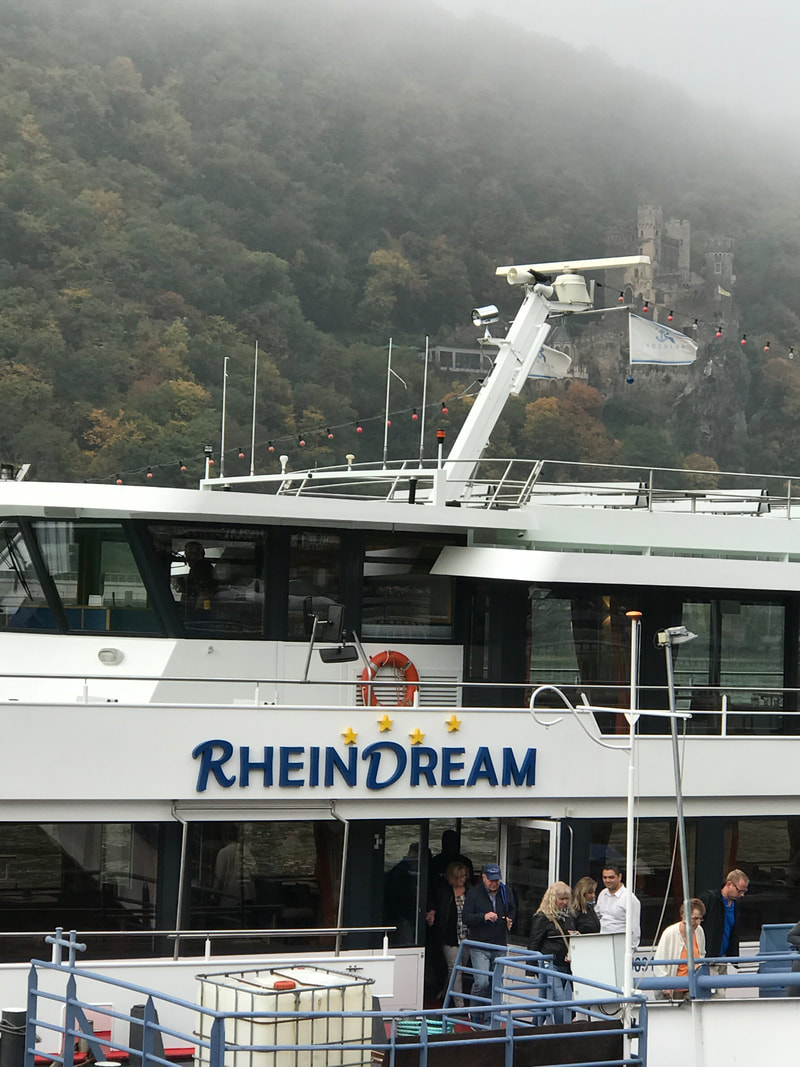
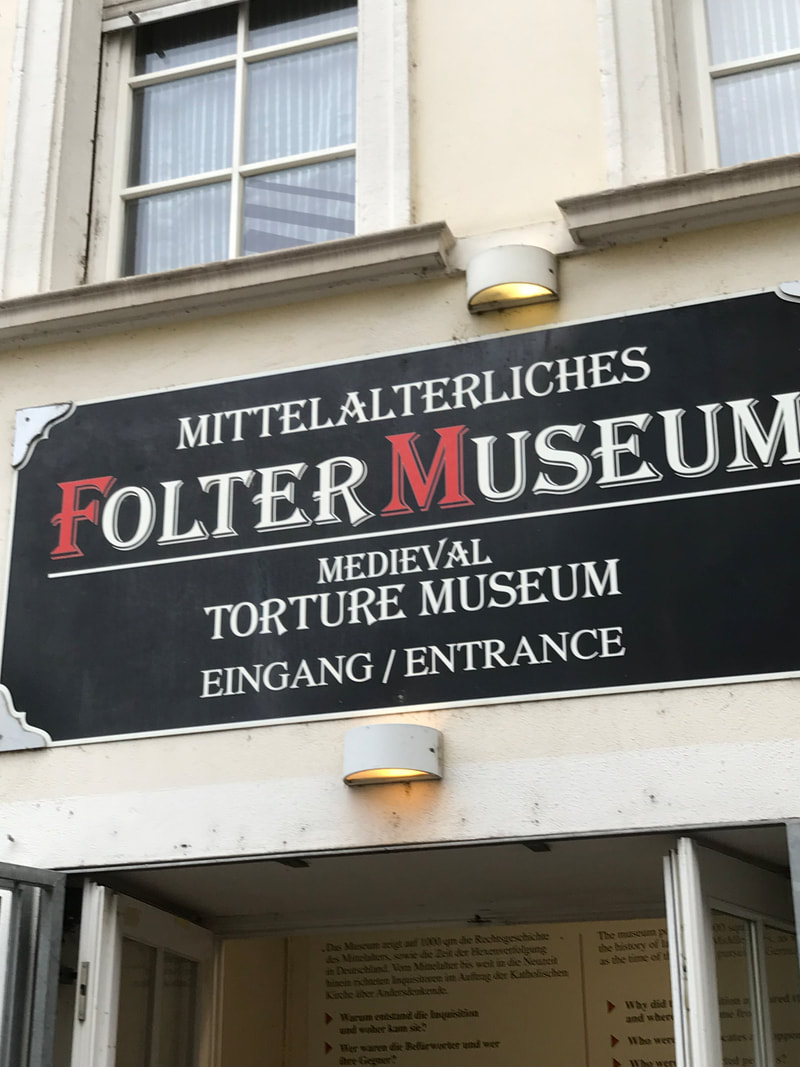
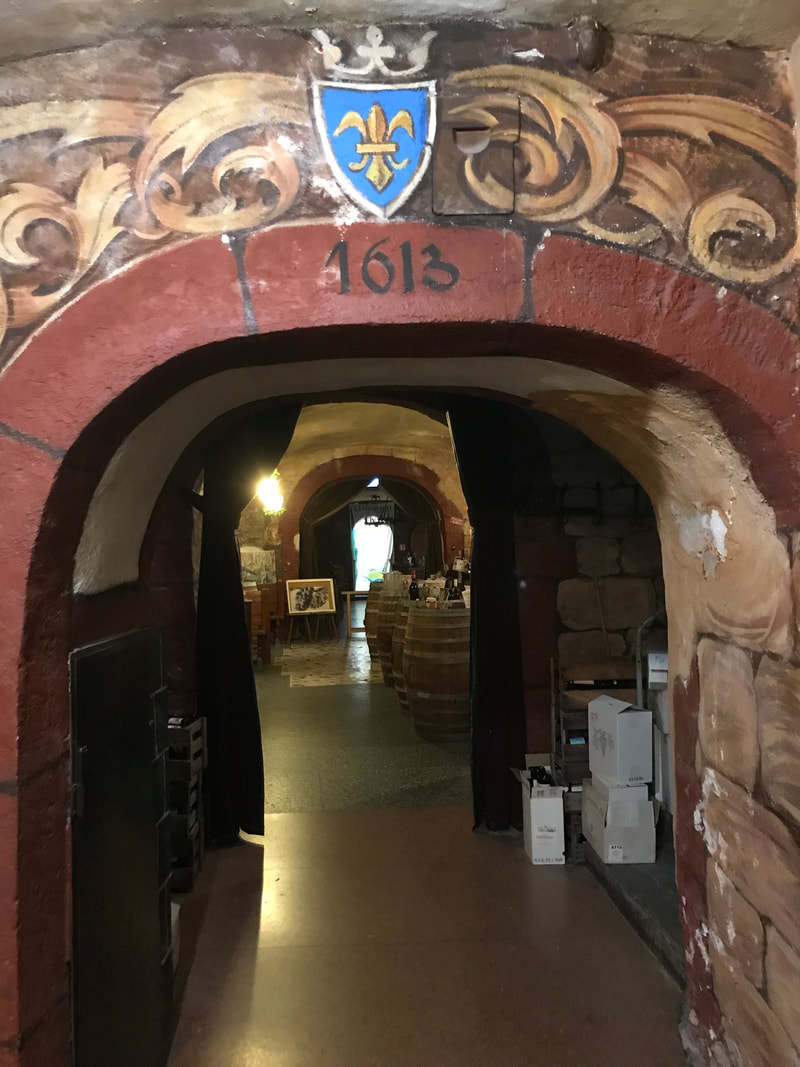
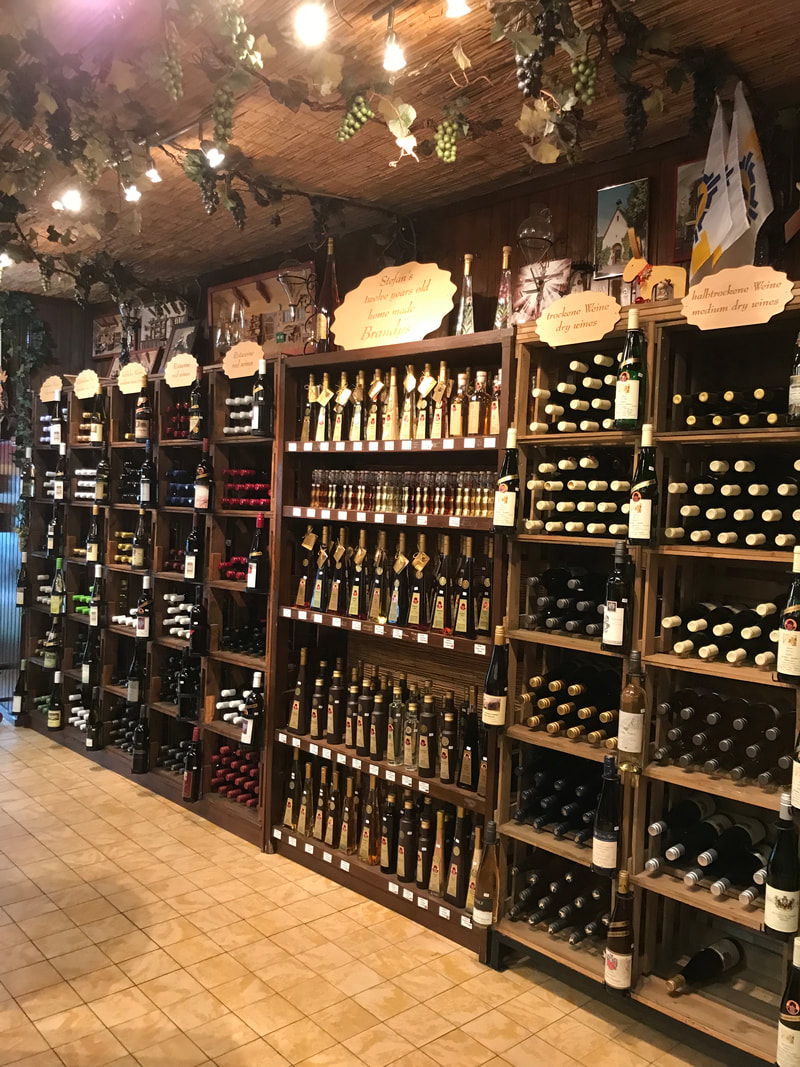
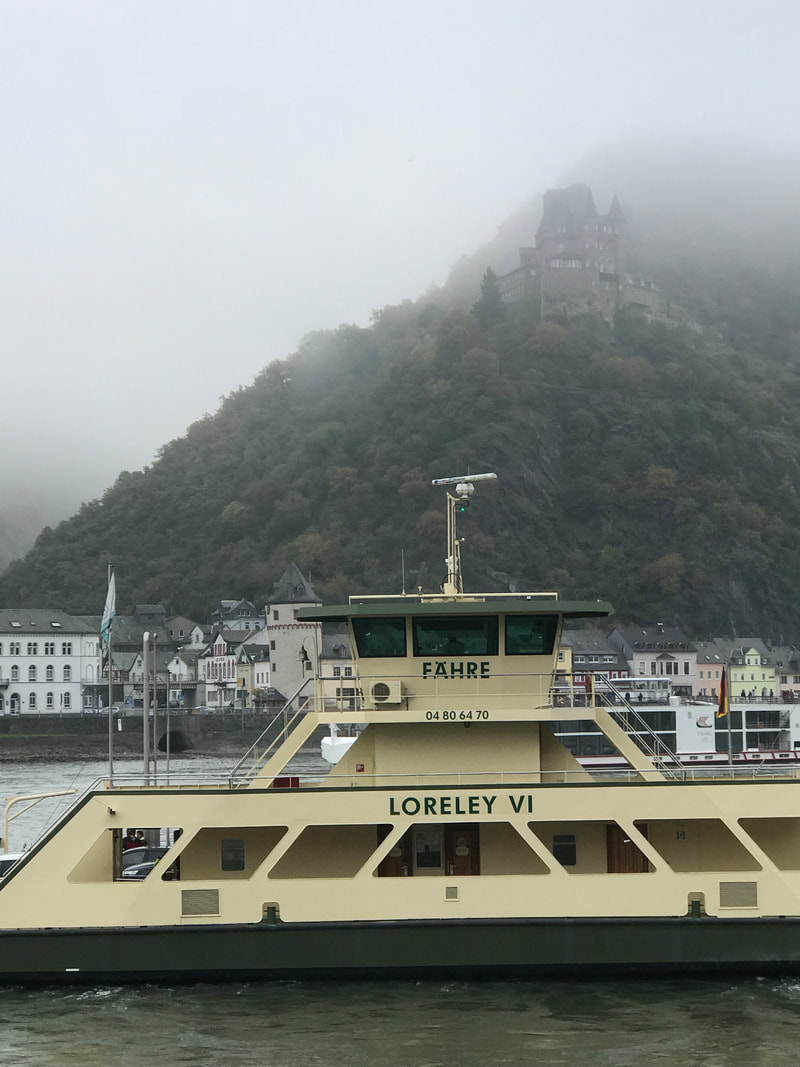
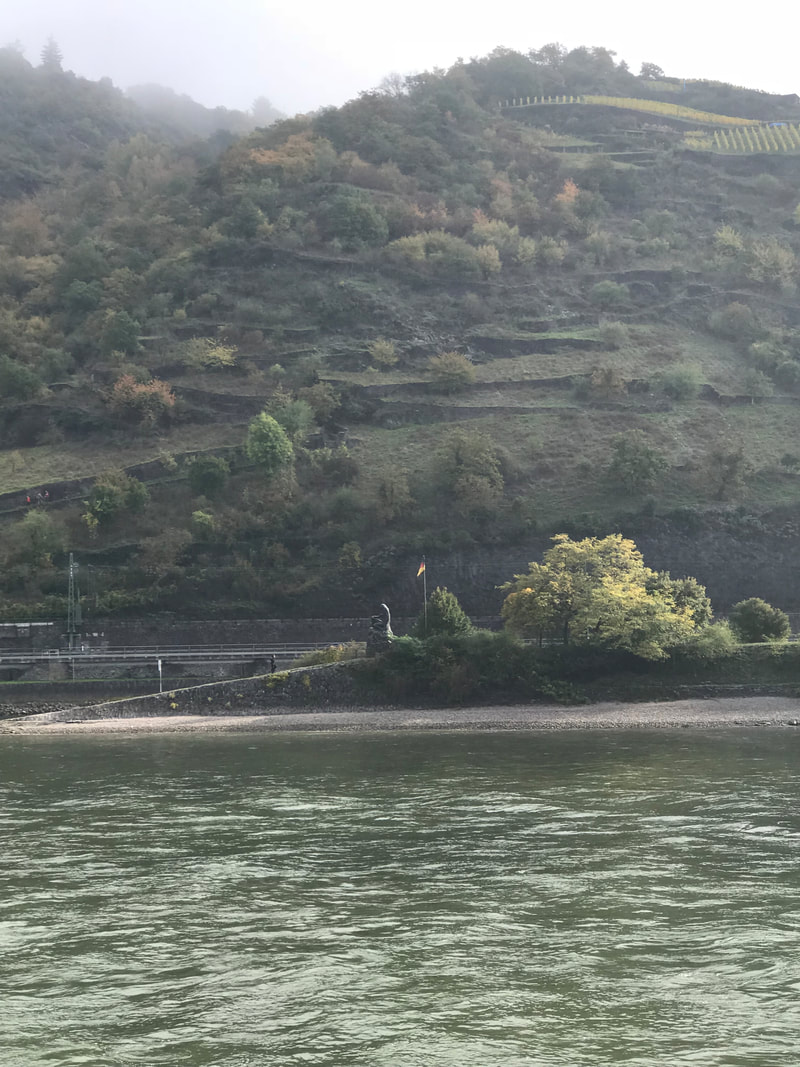
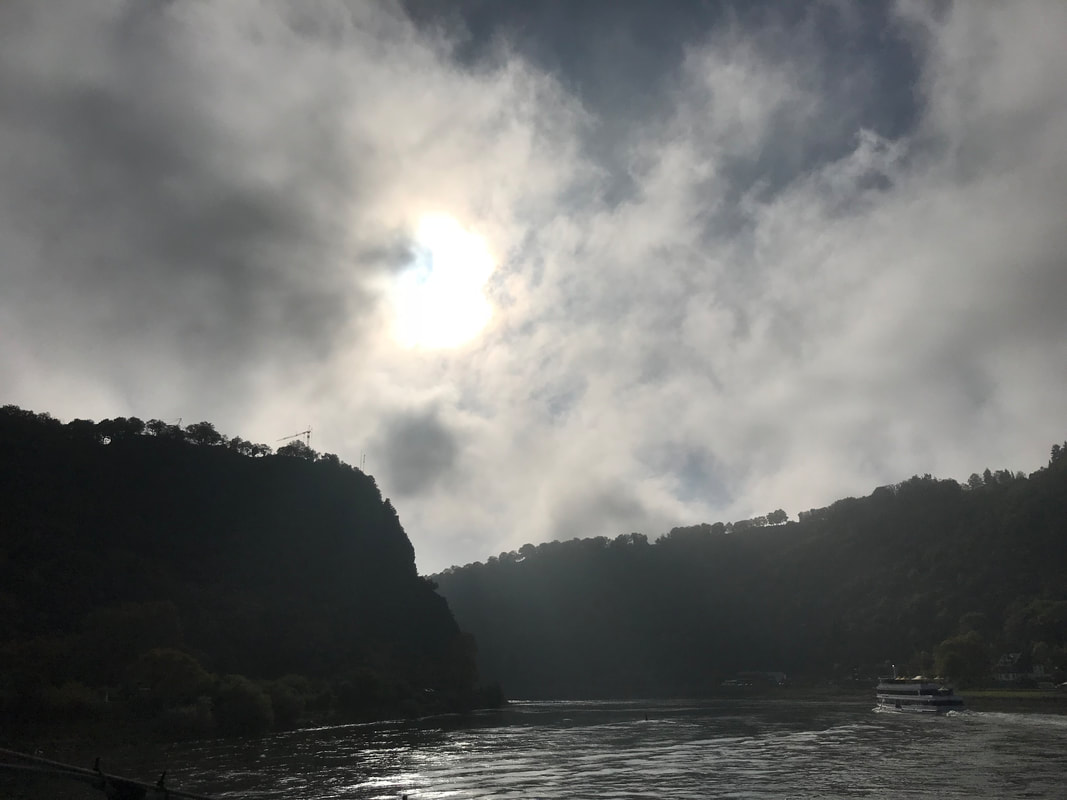
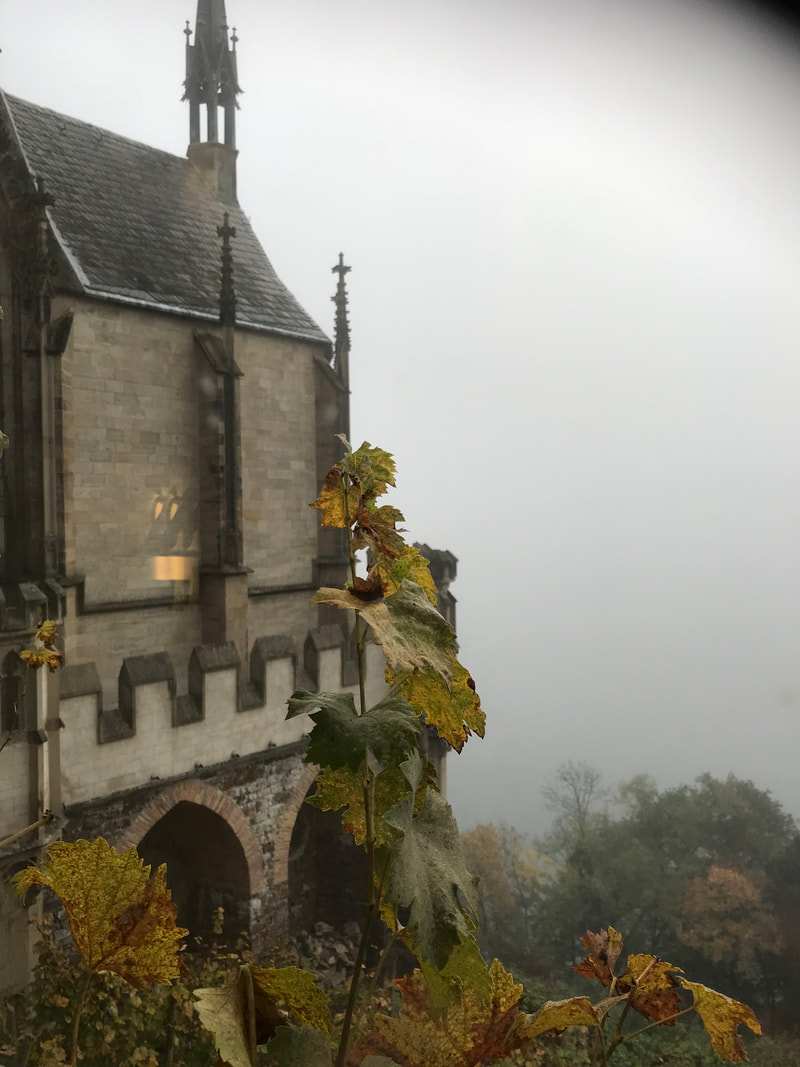
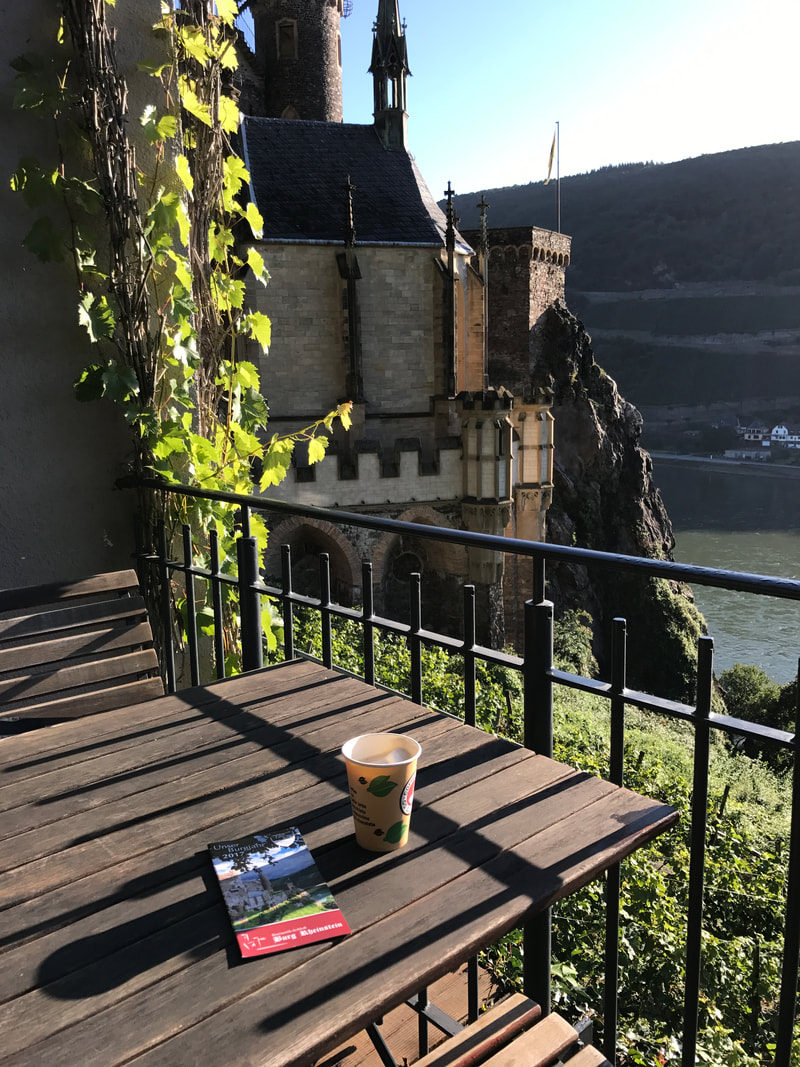
Michelle Prince
mprince@agrapeplace2b.com
All works are subject to copyright protection, registered to A Grape Place 2 B LLC. © 2010-2024. All rights reserved.